

Nevada weather car insurance rates can fluctuate significantly due to the diverse climate conditions experienced across the state. Understanding how these weather effects on insurance impact your premiums is essential for Nevada residents. This article explores the key factors that influence car insurance risk factors related to Nevada’s unique climate, ranging from harsh desert heat to winter storms in higher elevations. We will also discuss how to navigate Nevada climate insurance options, ensuring you are adequately covered against potential weather-related damages. Additionally, we will examine the future of car insurance in relation to Nevada’s changing weather patterns, helping you stay informed as you make decisions about your coverage. Whether you are a long-time resident or new to the Silver State, grasping these concepts can empower you to choose the right insurance policy that meets your needs while accommodating the realities of Nevada’s weather.
The Unique Climate of Nevada
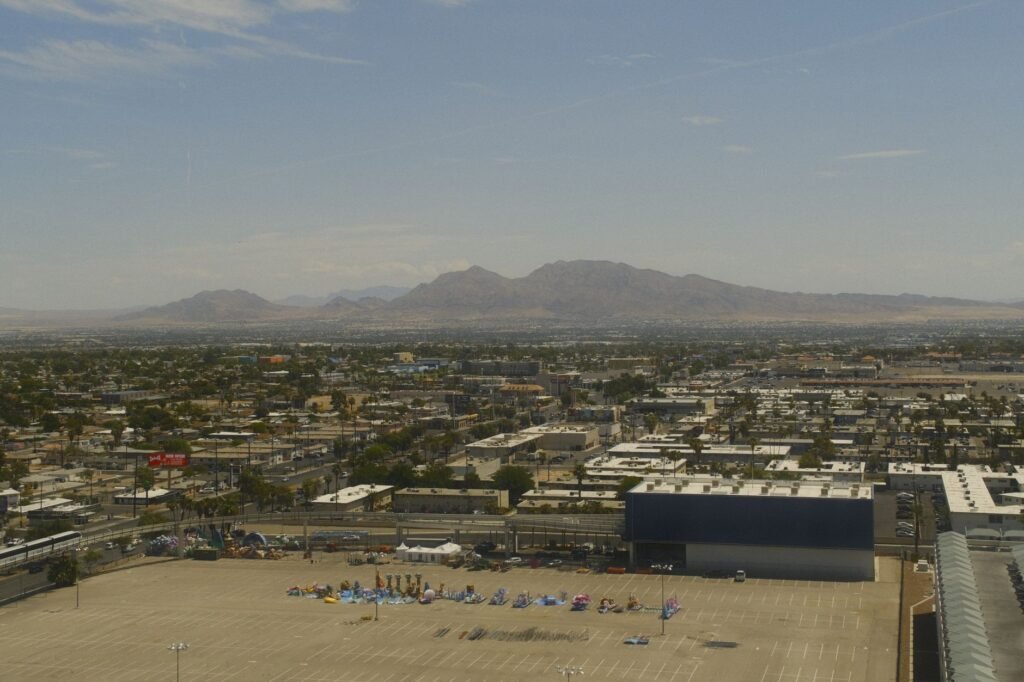
Nevada is known for its diverse climate, ranging from the arid deserts of Las Vegas to the snow-capped peaks of the Sierra Nevada mountains. This variety creates unique weather patterns that can significantly affect driving conditions and, consequently, Nevada weather car insurance rates. In southern Nevada, summer temperatures can soar above 100°F, while northern regions experience cold winters with significant snowfall. According to the National Oceanic and Atmospheric Administration (NOAA), areas like Reno can receive over 20 inches of snow annually, impacting road safety and insurance dynamics.
Drivers in desert regions must contend with extreme heat and dust storms, whereas those in mountainous areas face challenges like icy roads and heavy snowfall. Understanding these climatic distinctions is crucial for assessing car insurance risk factors in Nevada.
How Weather Affects Insurance Costs
The interplay between Nevada’s weather and car insurance rates can be profound. Insurers evaluate the risks associated with different driving conditions when determining premiums. For instance, areas prone to flooding or severe storms may see higher insurance rates due to the increased likelihood of accidents and vehicle damage. According to a report by the Insurance Information Institute, states with extreme weather conditions often experience higher claims and, subsequently, increased premiums.
Furthermore, the weather effects on insurance are evident in regions with frequent snow and ice. Drivers in these areas may be required to pay more for coverage due to the higher incidence of winter-related accidents. Insurers often take into account local climate trends when calculating Nevada climate insurance rates, leading to varied premiums across the state.
Ultimately, understanding how Nevada’s unique weather patterns influence car insurance rates can help drivers make informed decisions about their coverage options. By recognizing the specific risks associated with their geographical area, residents can choose policies that adequately protect them while potentially lowering their overall insurance costs. Nevada Weather’s Influence on Car Insurance Rates
Key Weather Effects on Insurance in Nevada
Nevada Weather Car Insurance Rates: Impact of Extreme Temperatures
Nevada’s climate is characterized by extreme temperatures, which can significantly impact car insurance risk factors. High summer temperatures can cause vehicle components to degrade more quickly, leading to increased maintenance costs and potential breakdowns. According to the National Oceanic and Atmospheric Administration (NOAA), prolonged exposure to extreme heat can adversely affect tires and batteries, heightening the risk of accidents caused by vehicle failure. Insurance companies take these factors into account when assessing risks and setting premiums, often leading to higher rates for drivers in regions with extreme heat.
Furthermore, the persistent heat can lead to more frequent road damage, which in turn contributes to a higher likelihood of accidents. With Nevada’s highways and roads becoming increasingly susceptible to heat-related wear and tear, insurers may raise rates to reflect these heightened risks associated with the local climate. This correlation between Nevada weather and car insurance rates underscores the need for residents to stay informed about the impacts of their environment on their insurance costs.
Effects of Snow and Rain on Driving
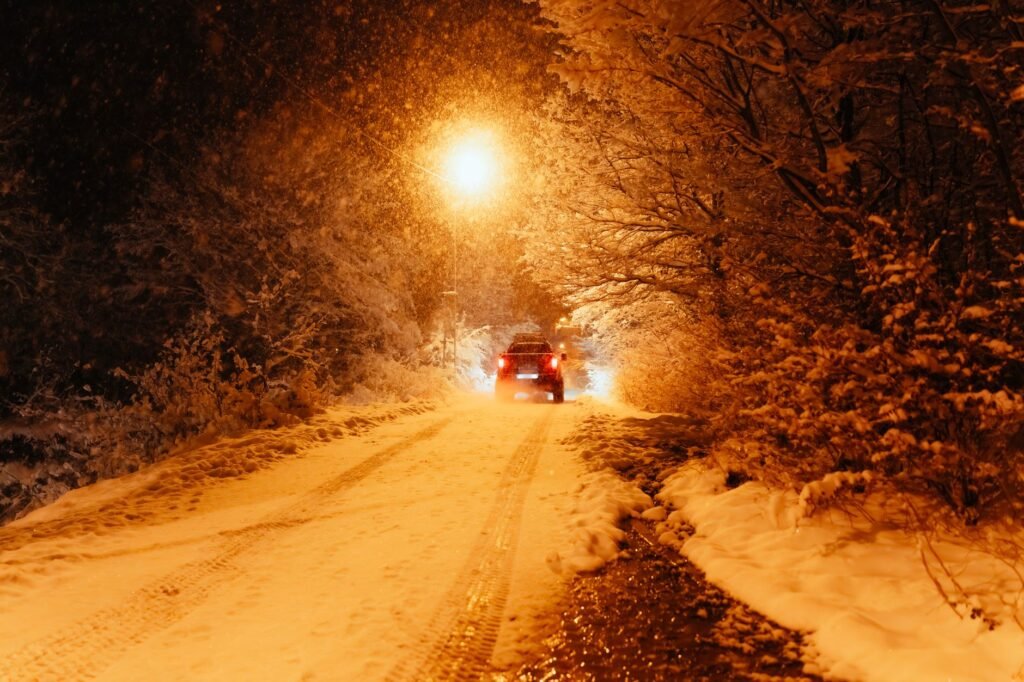
While Nevada is known for its arid climate, it does experience occasional snowfall, especially in higher elevations. When snow and rain do occur, they can create hazardous driving conditions, which can lead to an uptick in accidents. The Nevada Department of Transportation reports that winter storms can significantly reduce visibility and road traction, leading to a marked increase in collision claims during these periods.
Insurance companies often assess these weather effects on insurance by reviewing historical data on accidents during snowy or rainy conditions. As a result, drivers in areas prone to such weather may see fluctuations in their insurance rates. To mitigate potential increases, it is advisable for drivers to maintain their vehicles properly and consider additional coverage options that may be beneficial during adverse weather conditions.

By understanding how Nevada’s unique climate influences car insurance risk factors, drivers can better navigate their insurance needs and make informed decisions regarding coverage. For more details about how environmental factors affect premiums, consider Nevada Weather Car Insurance Rates Explained.
Car Insurance Risk Factors Related to Nevada Climate
Understanding Risk Assessment in Nevada Weather Car Insurance Rates
Insurance companies assess various car insurance risk factors when determining premiums for drivers in Nevada. The state’s unique climate, characterized by its arid deserts, sudden thunderstorms, and winter snowstorms, plays a significant role in these assessments. For instance, areas prone to flash flooding can lead to higher risk evaluations, prompting insurers to increase premiums. Conversely, the dry climate in many parts of Nevada may result in lower premiums due to reduced risks associated with wet conditions.
Moreover, the seasonal variations in weather influence driving conditions. During winter months, snow-covered roads can lead to hazardous driving situations, which increases the likelihood of accidents. Insurers often factor these winter weather effects on insurance rates, adjusting premiums to reflect the increased risk during these months. Understanding these evaluations can help drivers better navigate their insurance options and potentially lower their rates by addressing specific risk factors, such as improving their driving record or opting for vehicles better suited for Nevada’s weather conditions.
Insurance Company Ratings and Weather Effects on Insurance
Insurance companies utilize complex algorithms and historical data to rate risks associated with Nevada’s diverse climate. For example, the Nevada Department of Transportation provides valuable data on traffic incidents related to weather conditions. Insurers analyze this data to adjust their assessments and determine the availability of coverage for high-risk areas.
Ultimately, understanding how Nevada climate insurance impacts car insurance risk factors can empower drivers to make informed decisions. By recognizing the nuances of Nevada weather car insurance rates, individuals can seek out policies that are not only affordable but also adequately cover their needs, particularly during weather-sensitive seasons. For those looking to secure the best rates, consulting with an insurance agent who understands the implications of Nevada’s climate can be beneficial.
By being proactive and informed, drivers can mitigate the financial impact of changing weather conditions on their car insurance premiums. For more detailed insights into how Nevada’s unique climate affects your insurance rates, consider Nevada Weather Car Insurance Rates Explained.
Navigating Nevada Climate Insurance Options
Nevada’s unique climate brings a variety of weather effects on insurance that can significantly influence car insurance risk factors. Understanding how these elements interplay can guide residents in selecting the most appropriate coverage for their vehicles.
Finding the Right Coverage for Nevada Weather Car Insurance Rates
When considering Nevada weather car insurance rates, it is crucial to opt for comprehensive coverage that addresses the specific risks associated with the state’s climate. This includes protection against sun damage, flash floods, and even hail, which can occur despite the generally dry conditions. Here are a few options to consider:
- Comprehensive Coverage: This type of policy protects against non-collision-related incidents, such as weather damage. It is particularly useful in Nevada, where extreme weather can lead to unexpected repair costs.
- Uninsured and Underinsured Motorist Coverage: Given the high rates of uninsured drivers in Nevada, this coverage is essential to protect against potential liabilities.
- Gap Insurance: If you owe more on your vehicle than its current market value, gap insurance can help cover the difference in case of a total loss, especially important during severe weather events.
Additionally, understanding the local climate can help tailor your policy to your needs. For example, consider areas prone to flash flooding or those that experience high winds, as these can affect your vehicle’s safety and insurance costs.
Tips for Lowering Insurance Rates Amid Weather Challenges
Despite the potential for increased rates due to Nevada’s climate challenges, residents can take several steps to lower their car insurance premiums:
- Shop Around: Different insurers may assess risk factors differently. Gathering quotes from multiple companies can help you find the best rate for your specific situation.
- Bundle Policies: Many insurance companies offer discounts for bundling car insurance with other policies, such as home or renters insurance.
- Utilize Discounts: Look for discounts based on your driving record, military service, or even for completing a defensive driving course.
- Increase Deductibles: Opting for a higher deductible can lower your premium. Just ensure that you can afford the deductible in case of a claim.
By being proactive and informed about Nevada climate insurance options, residents can effectively manage their coverage to mitigate the impact of the weather on their car insurance rates. For a deeper dive into navigating insurance policies, consider exploring Nevada Weather Car Insurance Impact Explained.
The Future of Car Insurance in Relation to Nevada’s Weather
Trends in Insurance Pricing and Nevada Weather Car Insurance Rates
As Nevada faces shifting weather patterns and increased climate variability, the implications for car insurance rates are becoming increasingly evident. The historical data revealing how Nevada weather affects car insurance rates suggests that insurers will need to adapt their pricing strategies to reflect these changes. For instance, regions prone to extreme weather events, such as flash floods or intense storms, may see a rise in premiums as the associated car insurance risk factors become more pronounced.
Recent studies indicate that states with higher incidents of natural disasters are likely to experience a 5-15% increase in car insurance rates over the next decade. This trend is particularly relevant in Nevada, where rapid population growth and urbanization exacerbate the impact of climate change. As a result, insurers might adjust their pricing models to include more localized weather data, leading to more tailored premiums based on specific regional risks.

Adapting to Climate Change and Nevada Climate Insurance
Insurance companies are also innovating to address the rising challenges posed by climate change. Nevada climate insurance solutions may include new coverage options specifically designed for areas vulnerable to severe weather. Insurers are likely to implement advanced technologies, such as predictive analytics and telematics, to better assess risk and provide personalized insurance products. This shift could lead to a more dynamic pricing model that reflects real-time weather conditions, potentially resulting in lower premiums for safe drivers in favorable weather regions.
Moreover, the integration of eco-friendly vehicles into the market may also influence Nevada weather car insurance rates. As more residents opt for electric or hybrid vehicles, insurers may offer incentives and discounts, further altering the landscape of car insurance pricing. By proactively addressing the weather effects on insurance, both consumers and insurers can collaborate to mitigate risks and create a more sustainable future.
Ultimately, the future of car insurance in Nevada will require continued adaptation to the evolving climate and its impacts on driving conditions. By staying informed about these trends, consumers can make better decisions regarding their insurance options and ensure they are adequately protected against the unforeseen challenges presented by Nevada’s unique weather patterns.
Understanding how Nevada weather affects car insurance rates is crucial for drivers in the state. With distinct climate patterns, including extreme heat and occasional storms, the weather effects on insurance play a significant role in determining premiums. Factors such as vehicle wear and tear from high temperatures or the increased risk of accidents during adverse weather conditions can lead to variations in car insurance risk factors. This knowledge empowers consumers to make informed decisions regarding their coverage.
For those seeking to optimize their Nevada climate insurance, it is advisable to regularly review your policy and consider factors that may influence your rates. Engaging with your insurance provider about how specific weather patterns could impact your coverage can offer valuable insights. To ensure you are adequately protected, conduct a thorough assessment of your insurance needs in relation to the unique weather conditions in Nevada. Take the first step by obtaining quotes from multiple insurers to find the most competitive rates tailored to your situation.
“`html
How does Nevada weather affect car insurance rates?
Nevada weather significantly influences car insurance rates due to various factors such as the prevalence of extreme conditions like heavy rain, dust storms, and extreme heat. Insurance companies assess the risk associated with these weather patterns, leading to adjustments in premiums. Areas prone to harsh weather conditions typically see higher Nevada weather car insurance rates as insurers account for potential damages and liability claims related to weather incidents.
What are the main weather effects on insurance in Nevada?
The main weather effects on insurance in Nevada include increased risks from flooding, wildfires, and dust storms. Insurers consider the frequency and severity of these events when calculating rates. For instance, regions susceptible to wildfires might see higher premiums due to the increased likelihood of damage. Additionally, heavy rainfall can lead to flooding, affecting claims and overall insurance costs.
Are car insurance rates higher in areas with extreme weather?
Yes, car insurance rates are generally higher in areas with extreme weather. Insurers evaluate the risks associated with specific locations, and areas prone to severe weather events, like storms or wildfires, often face increased premiums. This is because the likelihood of accidents and claims rises in these conditions, prompting insurers to adjust their rates accordingly.
How can I lower my car insurance rates in Nevada?
To lower your car insurance rates in Nevada, consider bundling policies, maintaining a good driving record, and opting for higher deductibles. Additionally, taking advantage of discounts for safe driving or completing defensive driving courses can help. Regularly comparing quotes from various insurers also ensures you are getting the best rate for your coverage needs.
What risk factors do insurers consider for Nevada climate insurance?
Insurers consider various car insurance risk factors related to Nevada’s climate, including the frequency of severe weather events, historical claims data, and the geographical location of the insured vehicle. Other factors include vehicle type, driver experience, and local infrastructure’s resilience to weather-related damages. These elements help insurers assess potential risks and determine appropriate premiums.
Does heavy snowfall affect my car insurance premiums?
While heavy snowfall is less common in Nevada compared to other states, it can still affect car insurance premiums in areas that experience significant winter weather. Insurers may raise rates in regions where snowfall leads to increased accident risk, including higher claims for vehicle damage or liability. Thus, if you live in an area that sees heavy snow, you might see an impact on your premiums.
“`