

Nevada weather car insurance rates are heavily influenced by the state’s unique climate patterns, which can impact everything from premiums to coverage options. With its diverse geography, Nevada experiences a range of weather conditions, including heavy rains and occasional storms that can lead to significant weather-related claims. This article will delve into how Nevada’s weather affects car insurance rates, exploring the impact of storms specifically on Nevada storm insurance, and comparing car insurance rates across different regions of the state. Additionally, we will provide practical tips for navigating car insurance in Nevada, ensuring you find the best coverage for your needs. Lastly, we will consider future trends, particularly the implications of climate change on car insurance in Nevada. By understanding these factors, drivers can make informed decisions about their insurance policies and potentially save on costs while ensuring adequate protection against unforeseen weather events. For more on this topic, check out Nevada’s state resources and NOAA’s climate data.
How Nevada Weather Affects Car Insurance Rates
Nevada’s unique weather patterns significantly influence car insurance rates in the state. Understanding these patterns can help residents make informed decisions regarding their auto insurance coverage. With vast desert areas, seasonal rains, and the potential for storms, the state’s climate has a direct effect on Nevada weather car insurance rates.
Understanding Seasonal Patterns
Nevada experiences a variety of weather conditions throughout the year, ranging from hot, dry summers to cooler winters with occasional rain. The desert conditions prevalent in most of the state contribute to a lower risk of certain types of accidents, which can help keep insurance rates lower. However, during the winter months, especially in the mountainous regions, the likelihood of snow and ice increases, potentially leading to more weather-related claims.
In addition, the spring months often bring seasonal rains. While these rains can reduce the risk of wildfires, which are a significant concern in Nevada, they can also lead to flooding in low-lying areas, impacting vehicles and heightening the risk of accidents. This fluctuation in risk levels throughout the year is a crucial factor that insurers consider when calculating Nevada weather car insurance rates.
The Role of Extreme Weather Events
Extreme weather events, such as flash floods or severe storms, can also affect auto insurance rates. Nevada storm insurance typically covers damage caused by such events, and when these incidents become more frequent or severe, insurers may adjust their rates accordingly. The correlation between climate impact insurance and extreme weather is evident, as regions prone to storms often see rising premiums.
Moreover, Nevada’s susceptibility to wildfires, particularly in the northern regions, can lead to a greater number of weather-related claims. Insurers may factor in these risks when determining rates, making it essential for Nevada residents to understand how their local climate could impact their car insurance costs. To better navigate these variables, drivers should regularly review their coverage and consult with insurance agents who understand the local weather trends and their implications on rates. Nevada Weather Car Insurance Rates Explained
Nevada Storm Insurance: What You Need to Know
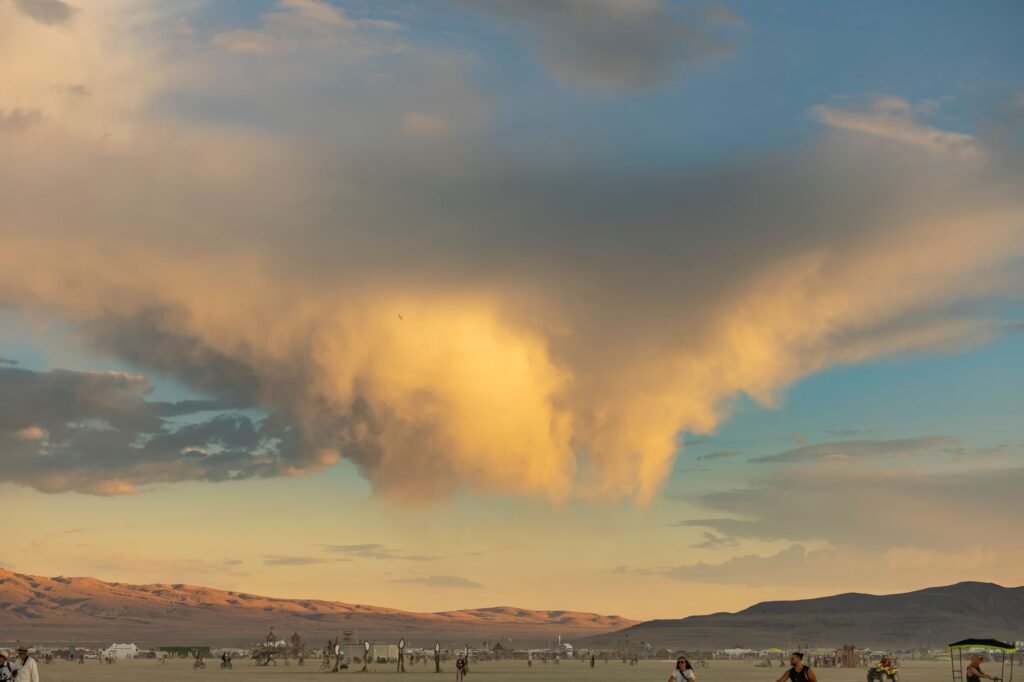
Nevada is known for its diverse climate, but it is not immune to severe weather events. The state experiences various types of storms, including thunderstorms, hailstorms, and occasional winter snowstorms. While these storms may not occur as frequently as in other regions, they can still have a significant impact on residents’ vehicles and, consequently, on Nevada weather car insurance rates.
Having adequate Nevada storm insurance is essential for mitigating the financial repercussions of storm-related damage. Standard car insurance may cover some storm damage, but specific storm insurance can provide additional protection. This is particularly crucial for drivers in areas prone to hailstorms or flash floods, which can lead to extensive vehicle damage.
For instance, in 2020, Nevada saw a notable increase in weather-related claims, with hailstorm claims alone exceeding $1 million. Such statistics emphasize the importance of being prepared for unexpected weather events and ensuring that your policy covers potential storm damage. Policies that include comprehensive coverage can help alleviate the costs of repairs, which might otherwise contribute to rising Nevada weather car insurance rates.
The Impact of Storms on Nevada Weather Car Insurance Rates
Storms can significantly increase the frequency of weather-related claims, leading to higher insurance premiums. Insurance providers often adjust their rates based on the number and severity of claims in a given area. For example, if a particular region frequently experiences hailstorms, insurers may raise rates to account for the increased risk of damage.
Additionally, the climate impact insurance landscape is evolving. As climate change continues to affect weather patterns, insurers are reevaluating their risk assessments and premium structures. This may lead to further increases in car insurance rates across Nevada, particularly in areas more vulnerable to storm damage.
To protect your finances and keep your Nevada weather car insurance rates manageable, consider reviewing your coverage options and discussing storm insurance with your insurance agent. Understanding your policy can help you navigate the complexities of weather-related claims and ensure you are adequately protected against unexpected storm damage.

Comparing Car Insurance Rates in Different Regions of Nevada
Nevada Weather Car Insurance Rates: Urban vs. Rural Areas
Car insurance rates in Nevada can vary significantly between urban and rural areas. For instance, major cities like Las Vegas often experience higher insurance premiums compared to rural regions. This discrepancy is largely due to population density, traffic congestion, and the increased likelihood of accidents in urban environments. According to a report from the National Association of Insurance Commissioners, urban areas generally present more claims, leading to elevated costs for insurers, which are ultimately passed on to consumers.
In rural areas, while the risk of accidents may be lower due to less traffic, other factors come into play. Residents may face higher rates linked to limited access to emergency services and longer response times in the event of accidents or natural disasters. Additionally, rural drivers may be more susceptible to the effects of Nevada’s weather, such as flash floods or dust storms, which can lead to weather-related claims.
The Effect of Geography on Premiums
Geographical factors significantly influence Nevada weather car insurance rates. Areas located at higher elevations, like those near the Sierra Nevada mountains, may experience harsher weather conditions, including snow and ice during winter months. This can increase the likelihood of accidents, prompting insurers to adjust their premiums accordingly. Conversely, those living in the desert regions, while facing risks such as extreme heat and dust storms, may find their rates more stable.
Moreover, proximity to storm-prone areas can affect Nevada storm insurance costs. Regions that are more prone to severe weather events might see higher premiums to cover potential losses from damage. This is especially pertinent for residents in areas known for their vulnerability to flash flooding, which intensifies the need for climate impact insurance solutions.
Ultimately, understanding the geographic implications on insurance rates can help Nevada drivers make informed decisions about their coverage options. By evaluating local conditions and potential weather-related claims, you can potentially save on your car insurance costs. For a deeper dive into how different factors influence your rates, consider exploring local insurance providers and comparing quotes tailored to your specific region. Nevada Weather Car Insurance Impact Explained

Practical Tips for Navigating Car Insurance in Nevada
Choosing the Right Coverage for Nevada Weather Car Insurance Rates
Understanding the implications of Nevada weather on car insurance rates is essential for any driver in the state. Given the varied climate, from scorching summers to winter storms, it’s crucial to select coverage that protects against specific weather-related claims. Comprehensive and collision coverage can be particularly beneficial, as they cover damages from not just accidents but also adverse weather conditions, such as hail or flash floods. Moreover, consider adding Nevada storm insurance, which can help mitigate financial losses from severe weather events.
How to Lower Your Insurance Premiums Related to Nevada Weather Car Insurance Rates
Managing your car insurance costs in relation to Nevada’s unpredictable weather can be achieved through a few strategic steps:
- Shop Around: Different insurers offer varying rates and coverage options. Use online tools to compare quotes and find the best deals tailored to your needs.
- Bundle Policies: Consider bundling your auto insurance with other types such as home insurance to qualify for discounts.
- Take Advantage of Discounts: Look for discounts related to safe driving records, low mileage, or vehicle safety features. Some insurers offer reduced rates for those enrolled in defensive driving courses.
- Review Your Coverage Regularly: As your circumstances change, so should your insurance policy. Annually reviewing your coverage can help you identify any unnecessary expenses or adjust your policy to better fit your current situation.
- Consider Climate Impact Insurance: This specialized coverage can provide additional protection against weather-related claims, potentially saving you money in the event of severe weather damage.
By taking these steps, you can effectively navigate the complexities of Nevada weather car insurance rates while ensuring that you are adequately protected from the elements.
Future Trends: Climate Change and Car Insurance in Nevada
Predicted Weather Changes Impacting Nevada Weather Car Insurance Rates
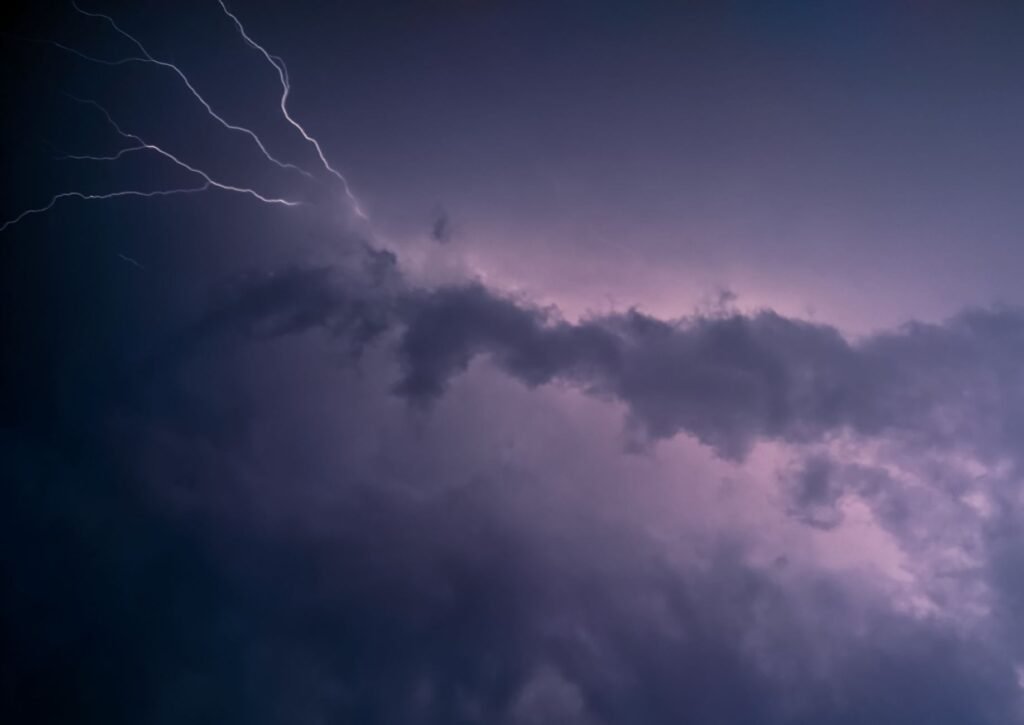
As climate change continues to reshape weather patterns globally, Nevada is not immune to these transformations. Experts predict an increase in extreme weather events, including intense storms, prolonged droughts, and even flash floods. According to the National Oceanic and Atmospheric Administration (NOAA), Nevada has already experienced a measurable uptick in severe weather incidents over the past few decades. These changes are likely to influence Nevada weather car insurance rates significantly, as insurers will need to reassess risk factors associated with weather-related claims.
Adapting Insurance Policies to Climate Impact
In response to these anticipated changes, insurance companies are beginning to implement climate impact insurance policies that specifically address the increased risks associated with extreme weather. This includes enhanced coverage options for Nevada storm insurance, which may become crucial for drivers facing the threat of flooding or hail damage. Insurers are also investing in data analytics to better predict and respond to weather patterns, allowing them to set more accurate premiums based on real-time risk assessments.
Policyholders should be proactive in understanding how these shifts may affect their coverage. Engaging with insurers about potential adjustments to their policies can help mitigate the financial fallout from increased weather-related claims. Furthermore, as the market evolves, consumers may find value in seeking out companies that offer tailored solutions to address the specific risks posed by Nevada’s changing climate.
As Nevada weather car insurance rates continue to adapt to these new realities, staying informed and proactive can help drivers navigate the complexities of their insurance needs in a changing environment.

Understanding how Nevada weather influences car insurance rates is crucial for drivers in the state. The climate impacts insurance costs significantly, and factors such as Nevada storm insurance and weather-related claims can drive premiums higher. By staying informed about the specific weather patterns and potential risks, drivers can make more educated decisions about their coverage options.
To ensure you are adequately protected, it is advisable to review your current policy and consider adjustments based on your unique circumstances. Engaging with an insurance agent who understands the nuances of Nevada weather car insurance rates can help you navigate your options effectively. For those considering changes, exploring state resources can provide additional insights into available coverage types and potential savings.
“`html
How does Nevada weather impact car insurance rates?
Nevada weather significantly influences car insurance rates due to the state’s varied climate and frequent extreme weather events. Insurers consider factors like hail, heavy rain, and dust storms when calculating premiums. Areas prone to severe weather may face higher rates because of the increased risk of accidents or vehicle damage. Understanding how Nevada weather car insurance rates are affected can help drivers make informed decisions about their coverage options.
What types of storms affect car insurance in Nevada?
In Nevada, several types of storms can impact car insurance, including flash floods, hailstorms, and dust storms. Each of these weather events can lead to a higher likelihood of accidents or damage to vehicles. For instance, hail can cause significant exterior damage, while flash floods can result in water damage. Knowing these risks can help drivers understand the importance of having adequate coverage, including Nevada storm insurance.
How can I lower my car insurance rates in Nevada?
To lower car insurance rates in Nevada, drivers can consider several strategies. Maintaining a clean driving record, bundling policies, and taking advantage of discounts offered by insurers can lead to savings. Additionally, opting for higher deductibles may reduce premiums, though this means more out-of-pocket costs in case of claims. Regularly comparing quotes from different providers can also help find the best deals tailored to individual needs.
What does Nevada storm insurance cover?
Nevada storm insurance typically covers damages resulting from specific weather events, such as hail, heavy rains, and windstorms. Coverage may include repairs for vehicle damage caused by storms, as well as liability for accidents that occur during such conditions. It’s essential for drivers to review their policy details to understand the extent of their coverage and consider additional options if they live in high-risk areas.
Are weather-related claims common in Nevada?
Yes, weather-related claims are increasingly common in Nevada, especially during the monsoon season when heavy rains and storms can occur. Insurers report a rise in claims related to hail damage and flooding, particularly in areas that experience sudden weather changes. Understanding the prevalence of these claims can help drivers prepare and ensure they have sufficient coverage for potential weather-related incidents.
How does climate change affect car insurance rates in Nevada?
Climate change is impacting car insurance rates in Nevada as it leads to more frequent and severe weather events. Insurers are adjusting their risk assessments and pricing models to account for increased instances of storms and flooding. This can result in higher premiums for drivers, particularly in areas that are more susceptible to climate impact insurance concerns. Being aware of these changes can help drivers navigate their insurance options more effectively.
“`