

Nevada weather car insurance rates are influenced by a variety of factors, including the state’s unique climate and weather patterns. Understanding how these weather effects impact insurance costs in Nevada is crucial for drivers looking to navigate their options effectively. This article will explore how Nevada’s climate affects car insurance rates, examining key insurance cost factors related to weather conditions such as hail, wind, and seasonal changes. Additionally, we will discuss strategies for selecting the right insurance that aligns with Nevada’s weather challenges. Furthermore, as climate change increasingly alters weather patterns, we will consider future trends and their potential impact on insurance rates in the state. For a deeper understanding of how to manage your insurance in relation to Nevada’s climate, read on to uncover insights that could help you save money and stay protected.
The Role of Weather in Insurance Costs
Weather can significantly influence Nevada weather car insurance rates, as various conditions directly affect driving safety and vehicle damage risks. Insurers assess these risks when determining premiums, making it essential for drivers in Nevada to understand how local weather patterns can affect their insurance costs. For instance, heavy rainfall can lead to increased accident rates, prompting insurers to raise premiums in regions where such conditions are frequent. Similarly, areas prone to flooding may also see higher rates due to the increased risk of vehicle damage.
Moreover, extreme weather events, such as hailstorms or snow in higher elevations, can lead to higher claims, influencing overall insurance costs. As a result, understanding the specific weather effects on insurance in Nevada is crucial for residents looking to manage their car insurance expenses effectively.
Understanding Nevada’s Unique Climate and Its Impact on Insurance Rates
Nevada boasts a diverse climate, characterized mainly by arid desert conditions with significant seasonal variations. The state experiences long, hot summers with temperatures often exceeding 100°F, especially in southern regions like Las Vegas. These extreme heat conditions can lead to vehicle wear and tear, such as tire blowouts and battery failures, which may increase the likelihood of accidents. Consequently, insurance companies consider these factors when calculating Nevada weather car insurance rates.
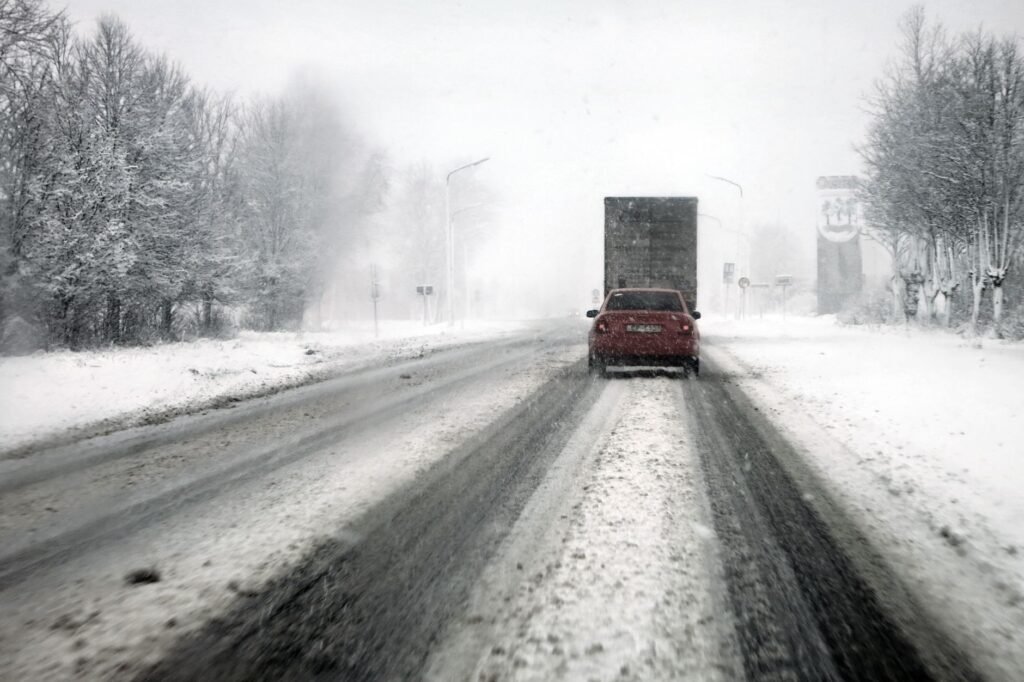
On the other hand, northern Nevada experiences colder winters, with snowfall that can affect driving conditions and increase the risk of accidents. Areas like Reno may see seasonal weather changes that can necessitate different driving precautions, further influencing insurance premiums. As such, drivers should be aware of how the Nevada climate impacts their insurance rates and adjust their coverage accordingly.
In addition to weather conditions, factors such as traffic density, accident history, and local regulations also play a role in determining insurance costs. To better understand these insurance cost factors, drivers can review accident statistics and weather patterns in their specific areas. This knowledge can help them make informed decisions when selecting their insurance providers and coverage options.
Ultimately, being proactive about understanding the Nevada climate impact on car insurance can lead to better financial decisions and potentially lower premiums over time. For more information on how to choose the right coverage based on local conditions, visit Nevada Car Insurance Weather Impact on Rates Explained.

Key Insurance Cost Factors Related to Nevada’s Climate
Nevada’s unique climate presents a variety of challenges that can significantly impact car insurance rates. Understanding these insurance cost factors is essential for residents looking to navigate their premiums effectively. This section explores how the state’s weather influences car insurance rates, particularly focusing on risks associated with storms and extreme heat.
Nevada Weather Car Insurance Rates: Damage Risks from Weather Conditions
The desert climate of Nevada means residents face distinct weather-related risks. While the state is known for its dry conditions, it does experience sudden storms, especially during the monsoon season. These storms can increase the likelihood of accidents due to poor visibility and slick roads. According to the Nevada Department of Transportation, weather-related accidents accounted for over 40% of all vehicle collisions during stormy periods in recent years.
Moreover, the intense summer heat can lead to vehicle degradation and safety issues. High temperatures can affect tire performance and battery life, leading to breakdowns and accidents. Insurance companies consider these weather effects on insurance in Nevada when calculating premiums, as higher breakdown rates can lead to increased claims. The National Highway Traffic Safety Administration (NHTSA) reports that vehicles operating in extreme temperatures are more likely to experience malfunctions, contributing to a rise in accident claims.

Statistical Insights on Claims and Premiums
Statistical data underscores the relationship between Nevada’s climate and car insurance costs. The Insurance Information Institute notes that states with higher weather-related incidents tend to have higher average premiums. In Nevada, the average annual premium is approximately $1,400, which is influenced by these weather-related claims.
Furthermore, data from the Nevada Division of Insurance indicates that claims related to weather conditions, particularly during the monsoon storms, have risen by over 25% in the last five years. This trend signifies a direct correlation between adverse weather events and the financial implications for insurance providers, ultimately affecting the Nevada weather car insurance rates for consumers.
By understanding these Nevada climate impacts on insurance costs, residents can make more informed decisions about their coverage. Whether it’s ensuring adequate coverage for storm damage or considering vehicle maintenance to withstand heat, awareness of these factors is crucial for minimizing insurance expenses and enhancing safety on the roads.
For those seeking to lower their premiums, proactive measures such as safe driving courses or installing weather-resistant vehicle features can provide additional savings. Explore more ways to manage your insurance costs effectively by visiting Nevada Car Insurance Weather Impact Explained.
Navigating Insurance Options in Relation to Nevada Weather
When considering Nevada weather car insurance rates, it’s crucial to understand how the unique climate can impact your insurance needs. The diverse weather conditions across Nevada, from dry desert landscapes to snowy mountain regions, introduce various risks for drivers. Therefore, selecting the right coverage tailored to the local climate is essential for ensuring adequate protection and potentially lowering costs.
Finding the Right Coverage for Nevada Weather Car Insurance Rates
Choosing the appropriate car insurance coverage involves assessing your specific needs based on the weather effects in your region. Here are some key considerations:
- Comprehensive Coverage: Given Nevada’s potential for severe weather events, such as flash floods or hailstorms, comprehensive insurance is advisable. This coverage protects against damage to your vehicle not involving a collision, which is particularly important in weather-sensitive areas.
- Collision Coverage: In areas prone to snow and ice, such as the Sierra Nevada mountains, having collision coverage can protect you against accidents that may occur in slippery conditions.
- Consider Local Risks: Research the specific weather risks in your area. For instance, Las Vegas may have different concerns compared to Reno, where winter storms can impact driving conditions significantly. Tailor your policy to reflect these insurance cost factors.
- Review Deductibles: A higher deductible often results in lower premiums, but be sure to assess your ability to cover out-of-pocket expenses in case of a claim. This is especially relevant in areas frequently affected by adverse weather.
Tips for Reducing Premiums in Weather-Prone Areas
While Nevada weather can influence insurance costs, there are strategies to help you minimize premiums:
- Bundle Policies: Consider bundling your car insurance with other policies, such as home or renter’s insurance, to receive discounts.
- Maintain a Clean Driving Record: A history of safe driving can lead to lower rates. Avoiding accidents, particularly those influenced by weather conditions, can positively impact your insurance profile.
- Take Advantage of Discounts: Many insurers offer discounts for safety features, good student status, or low mileage. Investigate what might apply to you, particularly if you live in a weather-prone area.
- Participate in Defensive Driving Courses: Completing a recognized defensive driving course may qualify you for discounts, as it demonstrates a commitment to safe driving practices, which is crucial in challenging weather conditions.
Understanding the Nevada climate impact on your car insurance rates is essential for making informed decisions. By carefully selecting your coverage and implementing strategies to reduce premiums, you can navigate the complexities of weather effects insurance in Nevada more effectively.
Future Trends: Climate Change and Insurance in Nevada
Impact of Climate Change on Insurance Rates
As climate change continues to reshape the environment, its repercussions are increasingly felt in Nevada. Rising temperatures, prolonged droughts, and sporadic yet intense weather events, such as flash floods and wildfires, have profound effects on the state’s landscape. These shifts are not just environmental; they also significantly influence Nevada weather car insurance rates.
Insurance companies assess risk based on historical data and future projections. As the frequency and severity of weather events increase, the risk associated with insuring vehicles in Nevada escalates. For instance, the likelihood of flood damage or wildfire-related incidents can drive up insurance premiums, making it essential for residents to understand how these climate-related changes are impacting insurance cost factors.
Moreover, as insurers begin to incorporate climate change models into their risk assessments, policyholders might see variations in their rates based on geographical risk. Areas more susceptible to flooding or fire hazards could experience steeper increases in insurance costs compared to regions that remain relatively stable.
What to Expect in the Coming Years for Nevada Weather Car Insurance Rates
Looking ahead, the implications of climate change for Nevada weather car insurance rates are likely to become more pronounced. Experts predict that as the state grapples with the effects of climate change, insurance companies will adapt their policies and pricing strategies accordingly. This includes potentially higher premiums for drivers in high-risk areas and the introduction of new coverage options tailored to address specific climate-related challenges.
Additionally, the demand for comprehensive and weather-related coverage is expected to rise, as more residents seek protection against the increasing likelihood of extreme weather events. Understanding weather effects insurance Nevada will become crucial for drivers, as they may need to reevaluate their coverage in light of changing environmental risks.
staying informed about the evolving Nevada climate impact and its influence on insurance rates will be vital for vehicle owners. As Nevada’s weather patterns shift, proactive measures, such as adjusting coverage and understanding local risks, can help mitigate the financial burdens associated with climate change.

Understanding Nevada weather car insurance rates is crucial for drivers navigating the state’s unique climate challenges. Various insurance cost factors, such as frequency of storms and temperature fluctuations, directly influence rates. Drivers should be aware of the weather effects insurance Nevada policies to ensure they are adequately covered against potential damages caused by adverse conditions.
As the Nevada climate impact becomes increasingly significant, staying informed about how weather patterns can affect your insurance premiums is essential. Reviewing your policy regularly and consulting with insurance providers can help you adapt to changing conditions. For personalized advice, consider reaching out to local agents who understand the intricacies of Nevada weather car insurance rates and can guide you in making informed decisions.
“`html
How does Nevada weather affect car insurance rates?
Nevada weather affects car insurance rates primarily through the frequency and severity of weather-related incidents. For instance, areas that experience heavy rain, flooding, or extreme temperatures can lead to more accidents and damages. Insurers use these historical data trends to assess risk, which can result in higher Nevada weather car insurance rates in regions prone to such conditions. Ultimately, understanding these dynamics can help drivers make more informed choices regarding their coverage.
What weather factors influence insurance costs in Nevada?
Several weather factors influence insurance costs in Nevada, including precipitation levels, temperature extremes, and the likelihood of natural disasters like wildfires or flash floods. Areas with higher incidences of adverse weather conditions typically see increased insurance costs due to the heightened risk of accidents and vehicle damage. Insurers take these factors into account when calculating premiums, making it essential for drivers to understand how their local climate impacts their insurance rates.
Are car insurance rates higher in areas with extreme weather?
Yes, car insurance rates are generally higher in areas with extreme weather. Insurers assess risk based on local climate conditions, and regions that experience severe weather events are deemed higher risk. This includes areas prone to heavy snowfall, flooding, or intense heat, which can lead to increased accidents or vehicle damage. Consequently, drivers in these regions may face elevated Nevada weather car insurance rates compared to those in milder climates.
What can I do to lower my car insurance rates in Nevada?
To lower car insurance rates in Nevada, consider shopping around for different quotes, as rates can vary significantly between insurers. Additionally, maintaining a clean driving record, increasing your deductible, and bundling policies can lead to discounts. Taking advantage of safe driver programs and considering usage-based insurance options may also help. Finally, regularly reviewing your coverage needs ensures you are not overpaying for unnecessary features or limits.
How often do car insurance rates change due to weather?
Car insurance rates may change due to weather on an annual basis or during periodic reviews by insurers. However, significant weather events can prompt immediate reassessments, especially in areas severely affected by storms, floods, or wildfires. Insurers continuously analyze data on weather-related claims to adjust their rates accordingly. Therefore, it’s crucial for drivers to be aware of how local climate and weather trends can affect their premiums over time.
Is it worth getting comprehensive coverage in Nevada?
Yes, obtaining comprehensive coverage can be worthwhile in Nevada, particularly for those living in areas prone to natural disasters or extreme weather. This type of coverage protects against damages not caused by collisions, such as theft, vandalism, or weather-related incidents like hail or flooding. Given the diverse climate and potential risks associated with Nevada weather, comprehensive coverage can provide peace of mind and financial security for drivers.
“`