
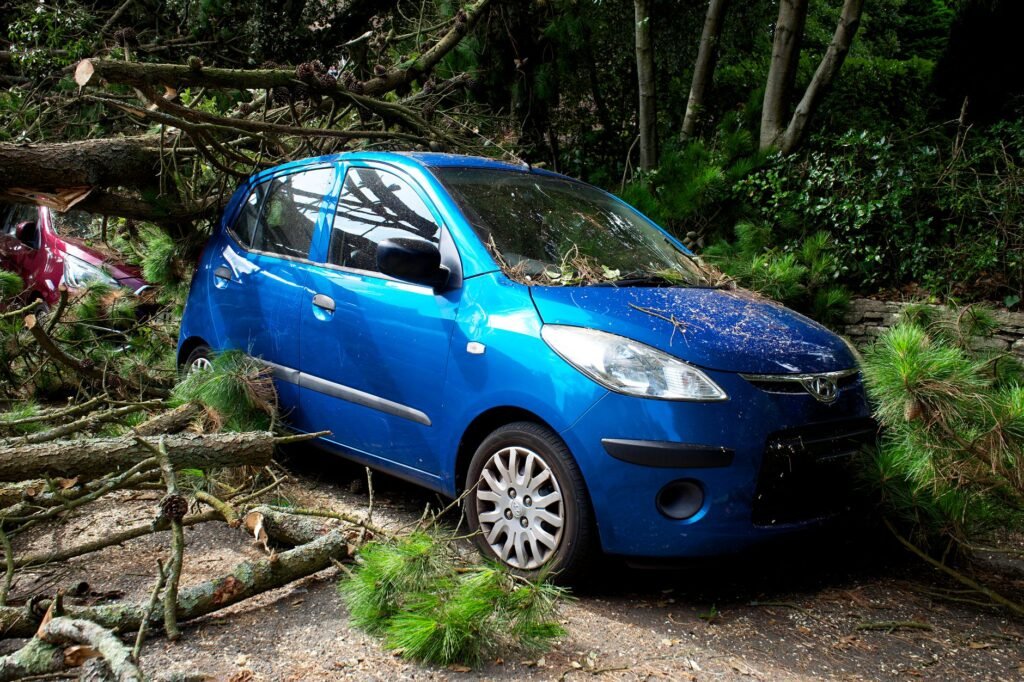
The Nevada car insurance weather impact is a crucial consideration for drivers in the Silver State, as fluctuating weather conditions directly influence insurance rates. Understanding how weather-related claims can elevate insurance rates is essential for anyone looking to save on premiums while staying protected. This article delves into the connection between adverse weather conditions, including the risk of natural disasters in Nevada, and the subsequent effects on car insurance costs. We will explore the implications of weather-related claims on your insurance premiums and provide practical strategies to mitigate the impact of fluctuating weather on your coverage. Additionally, we will discuss future trends in the industry, focusing on how climate change and evolving weather patterns may shape car insurance rates in Nevada. By gaining insight into these factors, you can make informed decisions about your car insurance policy and better prepare for the unpredictable nature of Nevada’s weather.
Understanding the Nevada Car Insurance Weather Impact
Weather conditions significantly influence Nevada car insurance rates, shaping the cost and availability of coverage across the state. Factors such as the frequency of storms, temperature fluctuations, and their subsequent impact on driver behavior are critical elements in determining insurance premiums. As such, understanding the Nevada car insurance weather impact can help both consumers and insurers navigate the complexities of auto coverage.
How Weather Influences Insurance Rates
In Nevada, the diverse climate can lead to variations in insurance rates weather. The state experiences a wide range of weather patterns, from scorching summers to harsh winters, and these fluctuations can affect driving conditions and accident rates. For instance, during winter, snow and ice can make roads treacherous, leading to an increase in accidents and, consequently, weather-related claims. According to a report by the Nevada Department of Transportation, winter weather can increase accident rates by up to 30% in certain regions.
Moreover, the rising frequency of extreme weather events, such as heavy rainfall and flash floods, has led to a surge in claims associated with vehicle damage. As a result, insurance companies often adjust premiums to account for the increased risk associated with these weather patterns. Research indicates that states experiencing more severe weather often see higher insurance rates; in Nevada, this trend is evident as insurers react to the changing climate and associated risks.
The Role of Natural Disasters in Car Insurance Costs
Natural disasters Nevada, such as wildfires and floods, play a significant role in shaping car insurance costs. The impact of these disasters is not only felt by homeowners but also extends to vehicle owners. For instance, a wildfire can lead to widespread evacuations and traffic congestion, increasing the likelihood of accidents. As insurers assess the risks posed by such disasters, they may raise premiums to cover potential losses. In fact, a study by the National Oceanic and Atmospheric Administration found that states with higher incidences of natural disasters tend to have elevated car insurance rates.
Furthermore, the long-term implications of climate change are anticipated to exacerbate these issues, leading to even more frequent and severe weather events. Insurers are likely to continue adjusting their pricing models to reflect these realities. For consumers, understanding the Nevada car insurance weather impact will be essential in making informed decisions about their coverage options and costs.
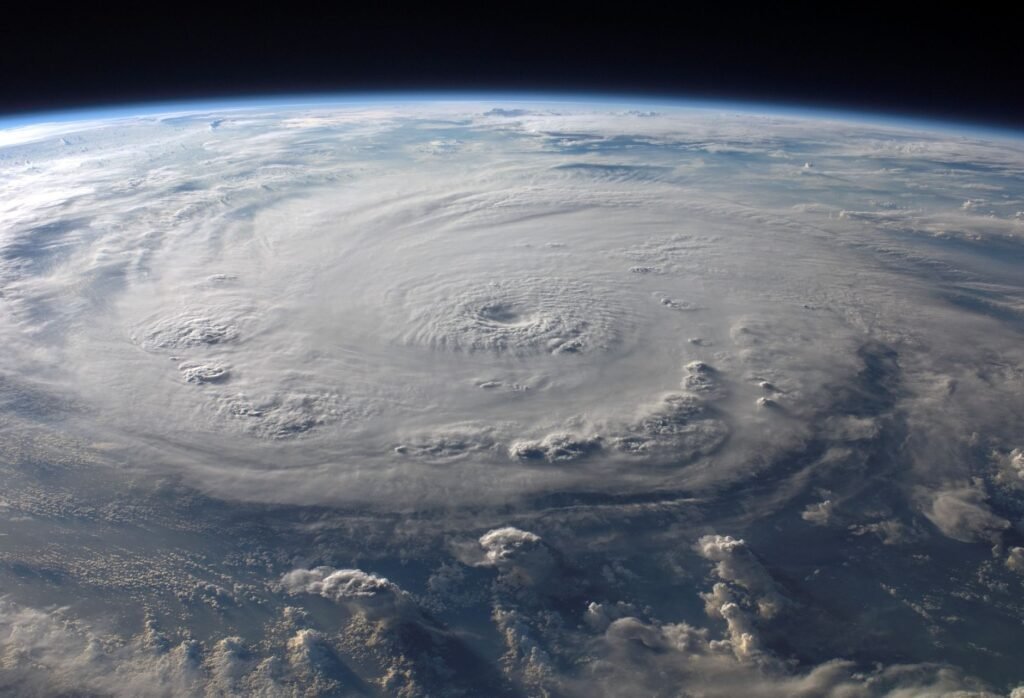
In navigating the complexities of Nevada’s car insurance landscape, drivers should consider comparing quotes and assessing their coverage needs regularly. Staying informed about the relationship between weather and insurance premiums can empower consumers to find the best possible rates while ensuring adequate protection against the elements.
For more guidance on how to optimize your coverage in relation to weather patterns, refer to our Nevada Weather Car Insurance: Understanding the Connection.
The Connection Between Weather-Related Claims and Insurance Rates in Nevada
Understanding the Nevada car insurance weather impact is essential for drivers in the Silver State. Weather-related claims can significantly influence insurance rates due to the risks associated with various weather events. In Nevada, common weather-related claims often arise from incidents such as flash floods or wildfires, both of which can lead to extensive vehicle damage.
Types of Weather-Related Claims
Nevada’s geographical diversity exposes it to several types of natural disasters, including flash floods and wildfires. Flash floods can occur suddenly, particularly during the monsoon season, causing severe water damage to vehicles. According to the National Oceanic and Atmospheric Administration (NOAA), Nevada experiences an average of 3-4 flash floods per year, which can result in a spike in weather-related claims from affected drivers. Additionally, wildfires, which are increasingly common due to prolonged dry spells and extreme heat, can damage vehicles parked in proximity to affected areas. The Nevada Division of Forestry reports that wildfires have increased in frequency, leading to higher incidences of claims related to vehicle losses.
How Claims Affect Future Premiums
Insurance companies assess risk based on historical data, including past claims. When drivers file weather-related claims, it can indicate a higher risk profile, leading to increased premiums. For instance, if a driver has previously claimed damages due to a flood or wildfire, insurers may raise their rates to account for the likelihood of future claims. According to the Insurance Information Institute, the history of claims is a primary factor in determining insurance rates weather, affecting not just the individual but also the overall risk pool in the area.
Moreover, if a particular region in Nevada consistently reports high numbers of weather-related claims, insurance companies may adjust their rates for all drivers in that area, reflecting the increased risk associated with natural disasters in Nevada. This makes it crucial for Nevada drivers to stay informed about local weather patterns and their implications for insurance rates.
To mitigate the impact of these claims on premiums, drivers can consider comprehensive insurance coverage, which may offer better protection against weather-related incidents. Additionally, maintaining a clean claims history and employing preventive measures, such as parking in safe areas during adverse weather, can also help manage insurance costs over time.

By understanding the relationship between weather-related claims and insurance rates, Nevada drivers can make more informed choices about their coverage and better prepare for potential weather impacts in the future. For more insights on how to manage your auto insurance effectively, consider exploring Nevada Weather’s Influence on Car Insurance Rates.
Strategies to Mitigate the Impact of Weather on Your Car Insurance
The ever-changing climate in Nevada can significantly affect your car insurance rates. Understanding how to mitigate the Nevada car insurance weather impact can help you lower your premiums while ensuring that you have adequate coverage against potential damages. Here are two essential strategies to consider.
Evaluating Coverage Options
When it comes to protecting your vehicle from weather-related claims, the first step is to evaluate your current coverage options. Comprehensive insurance is a must for car owners in areas prone to natural disasters, such as floods and hailstorms. This type of coverage can help you recover losses from incidents that are not the fault of another driver, including weather-related incidents.
- Assess Your Needs: Consider the weather patterns in your specific region of Nevada. If you live in an area prone to flooding or heavy snowfall, ensure your policy includes coverage for these risks.
- Review Deductibles: A higher deductible can lower your premium but may lead to higher out-of-pocket costs during a claim. Balance your financial situation with your comfort level regarding risk.
- Seek Professional Advice: Consulting with an insurance professional can provide insights into which coverage options are best suited for mitigating the Nevada car insurance weather impact.
Understanding Discounts and Benefits Related to Weather Resilience
Insurance companies often provide discounts for policyholders who take proactive measures to protect their vehicles from the elements. Understanding these discounts can help lower your insurance rates weather impact. Here are some benefits to consider:
- Weather-Resistant Features: Installing features like weather-resistant tires, advanced safety systems, or anti-theft devices may qualify you for discounts.
- Safe Driving Courses: Completing defensive driving courses can lead to lower premiums, as it demonstrates your commitment to safe driving in adverse weather conditions.
- Bundling Policies: If you have home insurance or other policies, consider bundling them with your car insurance to save on overall costs.
Taking these steps can not only help you navigate the complexities of car insurance in Nevada but also ensure that you’re prepared for any weather-related challenges. By adapting your coverage and utilizing available discounts, you can effectively lessen the impact of weather on your insurance rates.
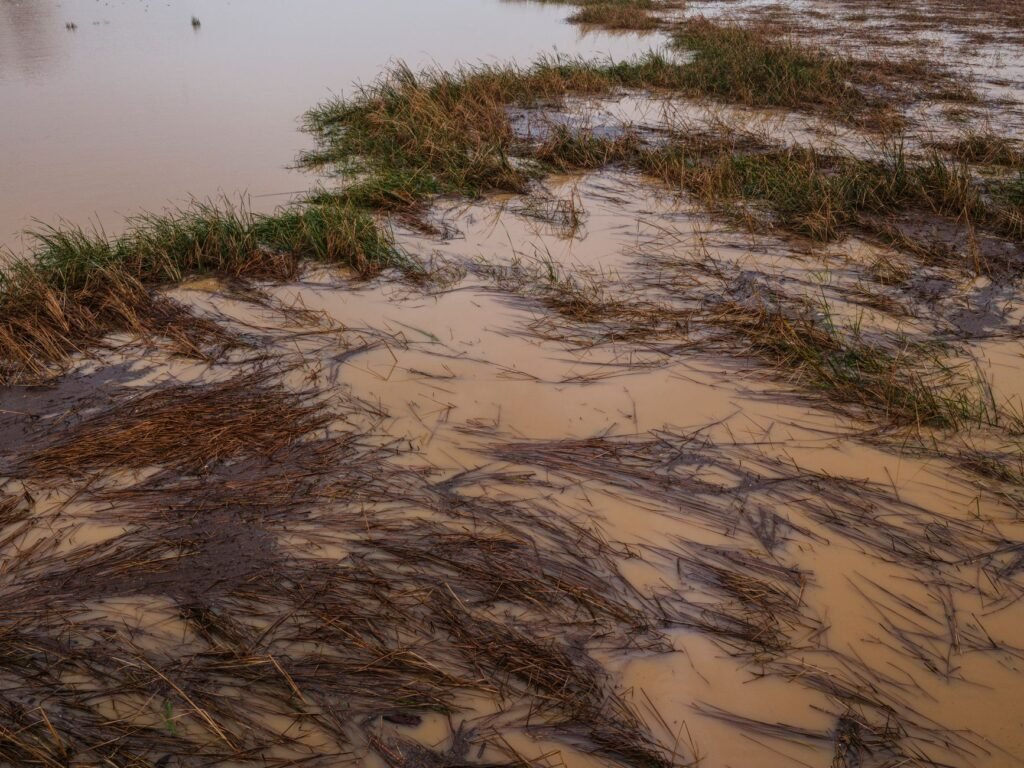
Future Trends: Weather and Car Insurance in Nevada
Adapting to Climate Change and the Nevada Car Insurance Weather Impact
As climate change continues to influence weather patterns globally, Nevada is not exempt from its effects. The state has already experienced shifts in precipitation, temperature, and extreme weather events that can significantly affect insurance rates. For instance, the increase in severe storms and flash floods may lead to a rise in weather-related claims, prompting insurance companies to adjust their policies and premiums accordingly. According to the National Oceanic and Atmospheric Administration, the frequency of such events is expected to escalate, which could result in higher Nevada car insurance weather impact due to increased claims and risk assessments.
Insurance providers are likely to adopt sophisticated modeling techniques that factor in climate risks when determining premiums. This means that policyholders may see fluctuations in their insurance rates weather in conjunction with changing weather patterns. It is imperative for drivers in Nevada to understand these dynamics and consider how their location and driving habits may influence their insurance costs in the future.
Preparing for Natural Disasters in Nevada
Given the increased likelihood of natural disasters Nevada, such as wildfires and flash floods, it becomes crucial for drivers to take proactive measures to safeguard their assets. This preparation not only minimizes potential damage but can also lead to lower insurance premiums. Insurers often reward policyholders who take steps to reduce their risk exposure, such as installing protective devices or maintaining a good driving record.
Moreover, being well-informed about the types of coverage available can help drivers choose policies that adequately protect them against weather-related claims. Comprehensive coverage can be particularly beneficial in a state like Nevada, where diverse weather conditions can lead to various types of damage. By staying prepared and informed, Nevada drivers can navigate the evolving landscape of car insurance while mitigating the financial impacts of climate-related events.

Ultimately, understanding the interplay between climate change, natural disasters, and car insurance will empower Nevada residents to make informed decisions about their policies. As the state grapples with these challenges, staying ahead of the curve will be essential for both insurers and policyholders alike.
The influence of weather on Nevada car insurance rates is significant, as it shapes both the risk profile of drivers and the frequency of weather-related claims. As residents navigate through various weather conditions, from heavy rains to wildfires, understanding how these elements affect insurance rates becomes crucial. By staying informed about potential natural disasters in Nevada and their repercussions on insurance costs, drivers can make better financial decisions regarding their coverage.
To mitigate the potential rise in insurance rates due to adverse weather, it is advisable for Nevada drivers to regularly review their policies and consider options that provide the best coverage for their unique situations. Engaging with insurance professionals can yield insights into how to balance adequate protection against fluctuating rates influenced by the weather. Taking proactive steps will ensure that drivers are not only prepared for the unpredictable but are also maximizing their insurance value in an ever-changing climate.
“`html
How does weather affect car insurance rates in Nevada?
Weather plays a significant role in determining Nevada car insurance weather impact. Insurers often adjust rates based on risks associated with specific weather conditions, such as heavy rain, snow, or extreme temperatures. For instance, areas prone to flooding or icy roads may see higher premiums due to the increased likelihood of accidents and claims. Insurers evaluate historical data to assess these risks, which can lead to fluctuations in rates for drivers across the state.
What are common weather-related claims in Nevada?
Common weather-related claims in Nevada include those resulting from hail, floods, and accidents due to slippery roads during winter months. Hailstorms can cause significant damage to vehicles, while flash floods may lead to total loss claims. Additionally, winter weather can contribute to accidents, making it essential for drivers to understand the risks associated with Nevada’s diverse climate when assessing their coverage needs.
Do natural disasters increase my car insurance premiums?
Yes, natural disasters in Nevada can lead to increased car insurance premiums. When an area experiences events like wildfires or severe flooding, insurers may raise rates to reflect the heightened risk for vehicle damage and accidents. This adjustment helps insurers cover potential costs associated with claims resulting from such disasters, ultimately impacting policyholders in affected regions.
How can I lower my car insurance rates during severe weather?
To lower your car insurance rates during severe weather, consider increasing your deductible, maintaining a clean driving record, and taking advantage of discounts for safe driving. Additionally, bundling your auto insurance with other policies can yield savings. Regularly reviewing your coverage and shopping around for competitive rates can also help you find better options tailored to your needs, especially during challenging weather conditions.
What types of coverage are best for Nevada’s weather conditions?
For Nevada’s weather conditions, comprehensive and collision coverage are highly recommended. Comprehensive coverage protects against non-collision incidents, such as hail damage or theft, while collision coverage addresses damages from accidents. Additionally, consider adding roadside assistance and uninsured motorist coverage to further safeguard against the unpredictable impacts of Nevada’s diverse climate and potential natural disasters.
Are there discounts for weather-related insurance coverage in Nevada?
Many insurance companies in Nevada offer discounts for weather-related coverage. These may include incentives for vehicles equipped with safety features that mitigate weather-related risks, such as anti-lock brakes and traction control. Additionally, drivers who take weather awareness courses or maintain a clean driving record may qualify for further discounts, making it important to inquire about available options when selecting a policy.
“`