

Nevada weather car insurance is more than just a policy; it reflects the state’s unique climatic challenges and their impact on car insurance rates. Understanding how Nevada’s diverse weather patterns influence insurance costs is crucial for drivers in the region. This article delves into the implications of weather-related claims in Nevada, examining how factors like heavy rainfall or extreme temperatures can affect rates. We will explore the broader car insurance climate impact, shedding light on how changing weather conditions are reshaping the insurance landscape. Additionally, we will identify specific Nevada insurance risk factors linked to these weather patterns, helping consumers make informed choices. Finally, we will provide guidance on selecting the right car insurance in Nevada to ensure adequate coverage amidst these challenges. By preparing for weather impacts on insurance, drivers can navigate the complexities of Nevada weather car insurance with confidence. For further insights, refer to this study on climate impacts on insurance policies.
How Nevada Weather Affects Car Insurance Rates
Understanding Weather-Related Claims in Nevada
Nevada’s unique weather patterns can significantly influence car insurance rates. The state is primarily characterized by its arid deserts, but it also experiences heavy storms and flash floods, particularly in the winter months. These extreme weather conditions lead to a range of weather-related claims in Nevada, impacting both drivers and insurance companies. For instance, the Nevada Department of Transportation has reported that flood-related incidents have increased by over 25% in recent years, highlighting the need for comprehensive insurance coverage during unpredictable weather.
Additionally, the mountainous regions can lead to icy conditions that pose risks for drivers. According to the Nevada Department of Public Safety, winter storms can result in increased accidents, pushing up the number of claims filed. With these statistics in mind, drivers should ensure that their policies adequately cover potential weather-related damages, as higher claim rates can lead to increased premiums.
The Impact of Extreme Weather on Nevada Weather Car Insurance Premiums
As extreme weather events become more frequent, the car insurance climate impact becomes more pronounced. Insurance companies take into account local risk factors when determining premiums. In Nevada, the combination of desert heat, sudden storms, and occasional snowfall creates a diverse set of challenges for drivers and underwriters alike.
Insurance premiums can increase by as much as 10% in areas prone to severe weather events, according to industry analysis. This is largely due to the increased costs associated with repairing vehicles damaged in accidents caused by adverse weather conditions. In Nevada, the average cost of claims related to extreme weather can reach thousands of dollars, further contributing to the rising insurance rates. It is crucial for drivers to understand how these Nevada insurance risk factors can affect their overall insurance costs and to seek policies that align with their specific needs and local weather conditions.
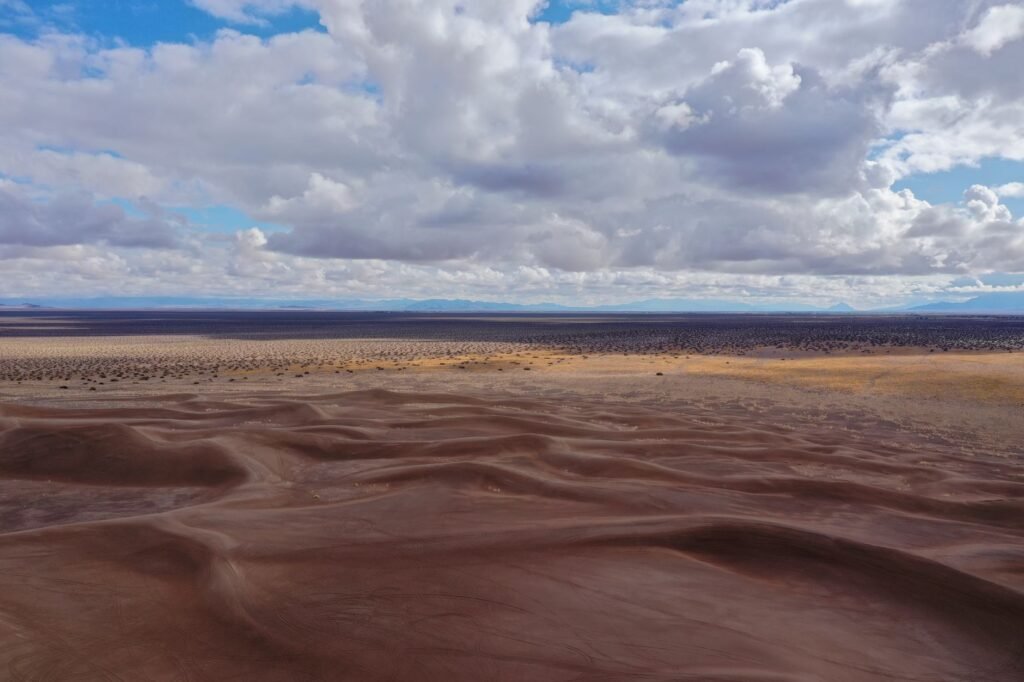
To mitigate the impact of these factors, drivers should regularly review their car insurance policies and consider comprehensive coverage options that address potential weather-related claims, ensuring they are adequately protected against the unpredictable Nevada climate.
Car Insurance Climate Impact in Nevada
The interplay between Nevada’s weather and car insurance is becoming increasingly significant as climate change alters weather patterns in the region. Drivers in Nevada are facing a growing array of weather-related challenges that lead to a rise in claims, impacting premiums and overall insurance costs.
Types of Weather-Related Claims in Nevada
In Nevada, the most common weather-related claims stem from incidents like flooding, hail damage, and windstorms. Flooding is particularly concerning in areas prone to sudden storms, which can lead to significant vehicle damage. Hail, while less frequent, can cause severe impacts on vehicles, often resulting in costly repairs. Windstorms can also lead to falling debris, compounding the risk for car owners.
According to a report by the National Oceanic and Atmospheric Administration (NOAA), Nevada has experienced an uptick in severe weather events over the past few decades, correlating with broader climate change trends. This shift not only increases the frequency of weather-related claims in Nevada but also amplifies the car insurance climate impact, as insurers adjust their risk models and pricing structures to account for these new realities.

Long-term Trends in Nevada Weather Car Insurance Rates
The long-term trends indicate that as the frequency and severity of weather-related events increase, so too do car insurance premiums. Insurers are forced to adapt to the evolving Nevada insurance risk factors, which include everything from increased flooding to the potential for wildfires disrupting road access. This has led to higher premiums for drivers, particularly those in high-risk areas.
To mitigate these rising costs, drivers should proactively engage with their insurers, seeking out comprehensive policies that account for specific weather-related risks. Additionally, understanding local weather patterns can help drivers make informed decisions about coverage needs, ultimately leading to better protection and potentially lower premiums. For more detailed insights, consider exploring resources on How Nevada Weather Affects Car Insurance Rates or Nevada Weather’s Influence on Car Insurance Rates.
Nevada Insurance Risk Factors Linked to Weather
Identifying Key Risk Factors for Nevada Weather Car Insurance
Nevada’s diverse geography significantly influences its insurance landscape, particularly in terms of weather-related claims. Various regions experience distinct weather patterns, which can impact vehicle safety and insurance rates. For instance, areas prone to heavy rainfall or flash floods may see a higher incidence of accidents. According to the Nevada Division of Insurance, the state’s unique weather conditions contribute to specific Nevada insurance risk factors that insurers consider when determining premiums.
Additionally, vehicle types play a crucial role in assessing risk. Larger vehicles, such as SUVs and trucks, may be deemed safer in adverse weather conditions but could also be involved in different types of accidents, leading to higher premiums. In contrast, smaller cars might be more vulnerable, increasing the likelihood of claims due to weather-related incidents.
How to Mitigate Insurance Costs Related to Nevada Weather Car Insurance
Understanding the connection between weather and insurance costs can help you make informed decisions. Here are actionable strategies to mitigate your Nevada weather car insurance expenses:
- Select Comprehensive Coverage: This option protects against a variety of weather-related claims in Nevada, including damage from hail, flooding, and falling debris.
- Install Safety Features: Equipping your vehicle with advanced safety technologies can lower premiums. Features like anti-lock brakes and stability control are often rewarded by insurers.
- Maintain a Clean Driving Record: Safe driving habits can lead to lower rates, as insurers favor drivers with fewer claims.
- Consider Vehicle Type: When purchasing a new car, think about how the vehicle’s design and safety ratings will affect your insurance premiums.
- Shop Around for Quotes: Different insurers may assess risk factors uniquely, so comparing quotes can uncover more affordable options.
By addressing these Nevada insurance risk factors, you can effectively manage the car insurance climate impact on your premiums. Staying proactive not only protects your vehicle but also your wallet.
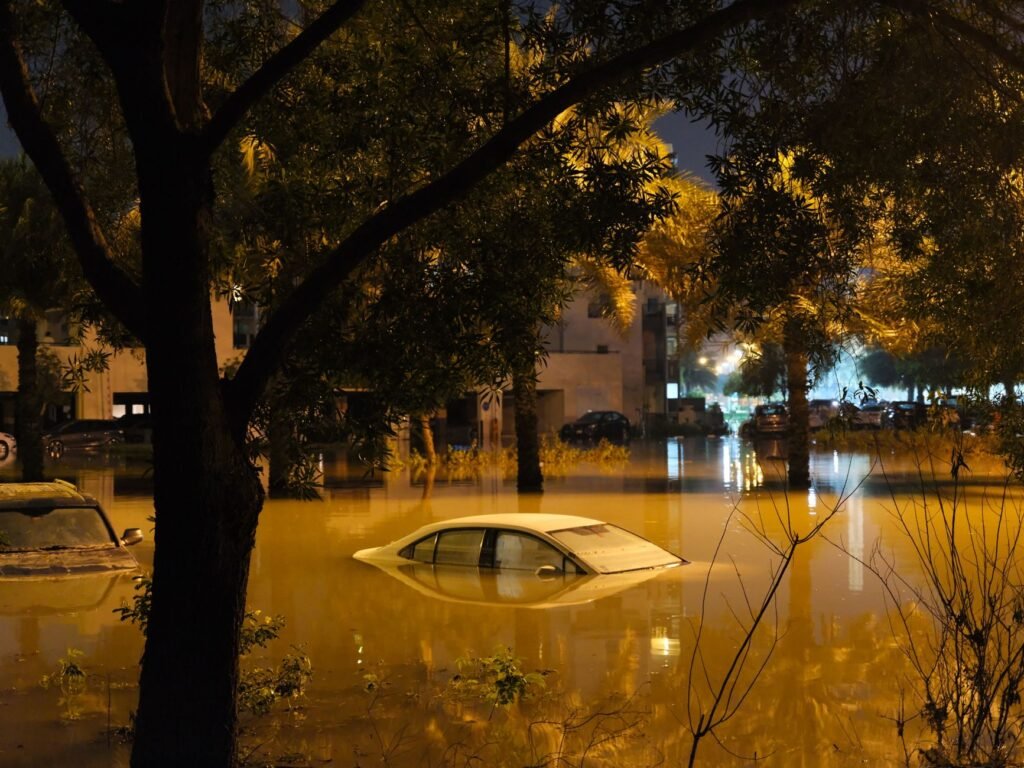
Choosing the Right Car Insurance in Nevada
Evaluating Policy Options for Nevada Weather Car Insurance
When selecting car insurance in Nevada, it is essential to consider the unique weather patterns that may impact your vehicle. The state experiences extreme weather conditions, from intense summer heat to sudden flash floods and snow in mountainous areas. These factors contribute to weather-related claims in Nevada, making it necessary to choose a policy that covers these specific risks.
Begin by assessing the basic coverage options available, such as liability, collision, and comprehensive insurance. Comprehensive coverage is especially important in Nevada, as it protects against damages caused by natural events like hail, floods, or even fires, which can occur during summer months. Ensure that your policy also considers the Nevada insurance risk factors relevant to your locality, such as prevailing weather conditions and accident rates in your area.
Finding Competitive Rates for Car Insurance Climate Impact
Once you have identified the necessary coverage options, the next step is to compare rates from multiple insurance providers. Start by obtaining quotes from at least three different companies; this will give you a better understanding of the market and help you identify the most competitive rates. Websites like the Nevada Department of Insurance can provide resources for understanding standard rates in your area.
To further reduce your premium, consider bundling your car insurance with other policies, such as homeowner’s or renter’s insurance. Additionally, inquire about discounts for safe driving records, low mileage, or having certain safety features in your vehicle. These factors can help mitigate the car insurance climate impact caused by Nevada’s weather conditions.
Lastly, don’t hesitate to engage with local agents who understand the specific weather-related challenges in your area. Their expertise could provide invaluable insights into finding the right Nevada weather car insurance that balances coverage and cost effectively.
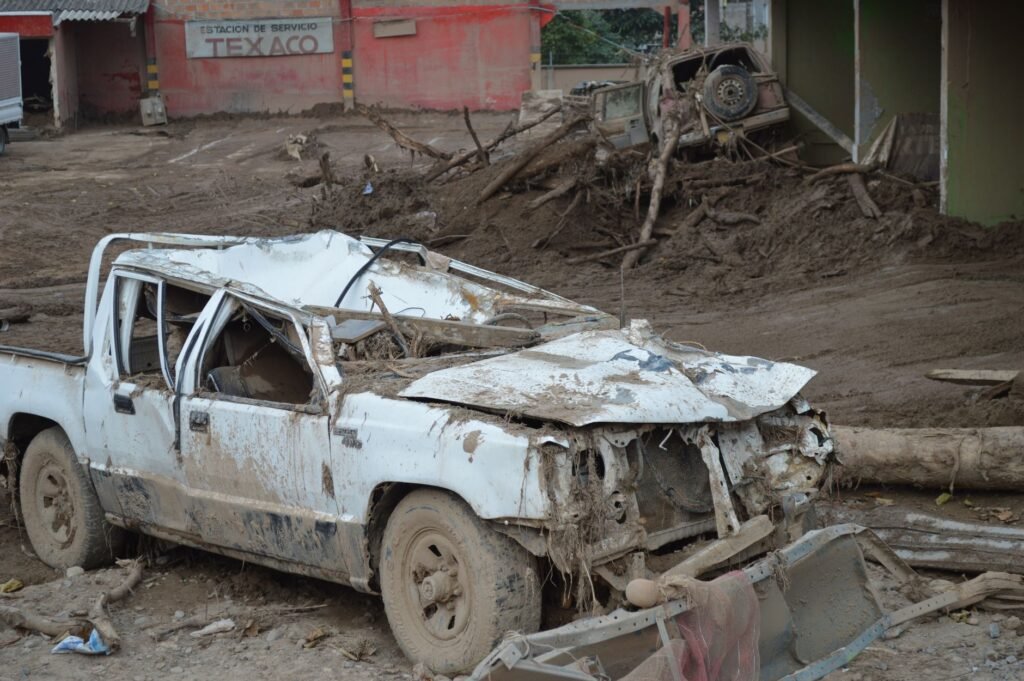
Conclusion: Preparing for Weather Impacts on Insurance
Understanding the connection between Nevada weather car insurance and the state’s unique climate conditions is vital for all drivers. With weather-related claims in Nevada becoming increasingly common, it is essential to recognize how climate impacts can influence your car insurance policies. From flash floods to wildfires, being aware of these risks can help you make informed decisions about your coverage.
As discussed throughout this article, several Nevada insurance risk factors can significantly affect your insurance premiums and claims process. Factors such as regional climate patterns, seasonal weather events, and geographical vulnerabilities should be at the forefront of your mind. By understanding these aspects, you can better prepare for potential damages and the implications they might have on your car insurance.
Staying Proactive with Nevada Weather Car Insurance
Being proactive in managing your car insurance in light of climate impacts is essential. Here are some actionable takeaways:
- Regularly review your policy to ensure it covers weather-related damages adequately.
- Consider additional coverage options that may protect against specific risks associated with Nevada’s climate.
- Stay informed about local weather patterns and potential risks, enabling you to adjust your coverage as necessary.
- Engage with your insurance provider to discuss any changes in your risk profile due to evolving weather conditions.
the increasing prevalence of weather-related claims in Nevada calls for a vigilant approach to car insurance. By staying informed and proactive, you can navigate the complexities of car insurance climate impact and better safeguard yourself against potential losses. Empower yourself with knowledge and make the necessary adjustments to your policy to ensure you are prepared for whatever Nevada’s weather may bring.
Understanding the intricacies of Nevada weather car insurance is essential for drivers in the state. With the unique challenges posed by weather-related claims in Nevada, it is crucial to evaluate how the climate can impact your car insurance policy. Factors such as seasonal conditions and regional variations play a significant role in determining insurance rates and coverage options. By being informed about these Nevada insurance risk factors, you can make more strategic decisions regarding your coverage.
To ensure you are adequately protected against weather-related claims in Nevada, consider reviewing your current policy and discussing potential adjustments with your insurance provider. Taking proactive steps can help mitigate risks associated with adverse weather conditions while potentially lowering your premiums. Stay informed about the car insurance climate impact in your area and adapt your coverage as necessary, ensuring you have the right protection for whatever the Nevada weather may bring.
“`html
How does Nevada weather affect car insurance rates?
Nevada weather can significantly affect car insurance rates due to factors like extreme temperatures, seasonal storms, and high winds. Insurers often assess the risks associated with weather-related damages, which can lead to higher premiums in areas prone to natural disasters. For example, heavy rain or snow can increase accident rates, prompting insurance companies to adjust their pricing models accordingly. Understanding these dynamics is essential for drivers when considering their Nevada weather car insurance options.
What are common weather-related claims in Nevada?
Common weather-related claims in Nevada include damages from hail, flooding, and wildfires. Hail storms can cause significant damage to vehicles, while flash floods can lead to costly repairs due to water damage. Additionally, wildfires, which are a growing concern in the state, can result in total loss claims for vehicles that are caught in affected areas. Understanding these weather-related claims in Nevada helps drivers choose appropriate coverage.
How can I reduce my car insurance costs in Nevada?
To reduce car insurance costs in Nevada, consider shopping around for quotes from different insurers to find competitive rates. Increasing your deductible can lower your premium, as can bundling policies, such as home and auto insurance. Additionally, maintaining a clean driving record and taking advantage of discounts for safe driving or low mileage can further decrease costs. Staying informed about Nevada weather car insurance can also lead to better coverage choices.
What are the main risk factors for car insurance in Nevada?
Main risk factors for car insurance in Nevada include driving history, vehicle type, and weather conditions. Insurers evaluate previous claims, traffic violations, and accident records to determine premiums. Additionally, the vehicle’s safety rating and its susceptibility to weather-related damages can influence costs. Understanding these Nevada insurance risk factors can help drivers make informed decisions when selecting their coverage.
How does climate change impact car insurance in Nevada?
Climate change impacts car insurance in Nevada by increasing the frequency and severity of weather-related events, such as wildfires and flash floods. These changes can lead to higher claims and, consequently, increased premiums as insurers adjust their risk assessments. As the climate evolves, understanding the car insurance climate impact is crucial for drivers to ensure they have adequate coverage against potential losses.
Are there specific types of coverage recommended for Nevada drivers?
Nevada drivers are often recommended to consider comprehensive and collision coverage due to the state’s unique weather-related risks. Comprehensive coverage is beneficial for protection against natural disasters, such as wildfires or hail damage, while collision coverage can help with repairs after an accident. Additionally, uninsured motorist coverage is advisable, as it safeguards against drivers without insurance, which can be a concern in certain areas of Nevada.
“`