
Nevada climate car insurance is increasingly becoming a crucial consideration for drivers in the Silver State. With the unique weather patterns and climate changes affecting the region, understanding how these factors influence car insurance rates is essential for both consumers and insurers alike. This article delves into the nuances of Nevada’s climate and its direct impact on car insurance premiums. We will explore how weather impacts insurance rates, the climate effects on car insurance policies, and the specific challenges posed by Nevada weather insurance. Additionally, we will provide strategies for navigating these complexities and discuss future climate trends that may shape the insurance landscape in Nevada. By equipping yourself with this knowledge, you can make informed decisions about your insurance needs and understand how to protect your vehicle amidst the changing climate. For more insights on this topic, refer to resources like NOAA’s National Centers for Environmental Information and NOAA Climate.gov.
Understanding Nevada’s Climate and Its Impact on Car Insurance Rates
Overview of Nevada’s Climate
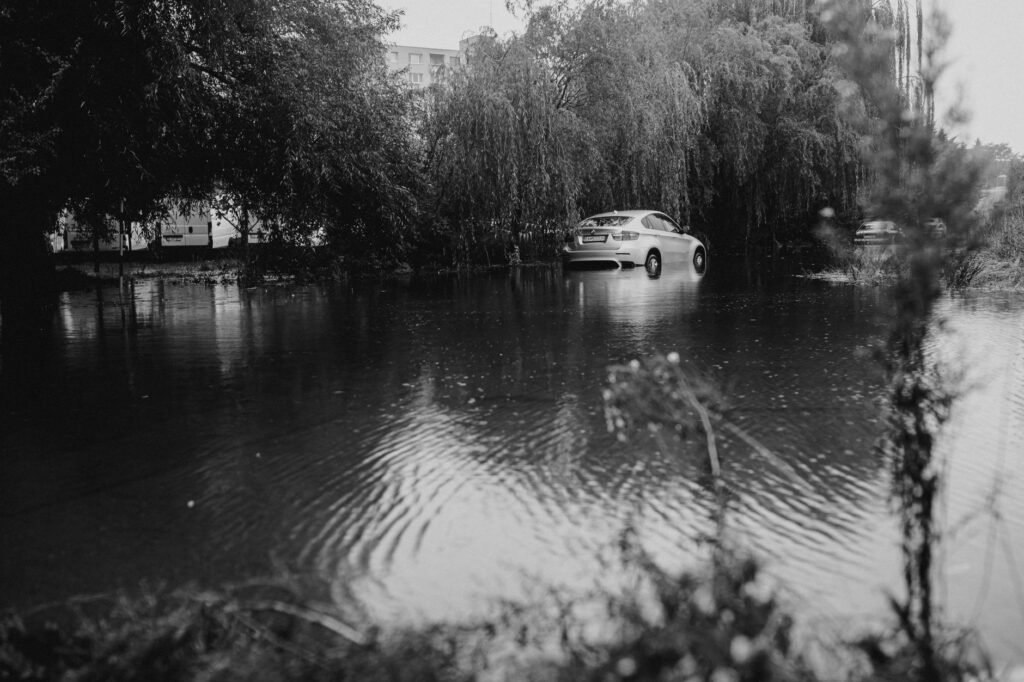
Nevada is characterized by a unique climate, primarily known for its arid desert conditions. The state experiences hot summers, particularly in the southern regions such as Las Vegas, where temperatures can exceed 100°F. Winters are generally mild, though northern areas like Reno may experience snowfall and colder temperatures. Additionally, Nevada sees significant seasonal variations, with summer storms occasionally bringing flash flooding to certain areas. These diverse climate conditions contribute to a range of driving challenges that can influence car insurance rates across the state.
How Nevada Weather Affects Insurance Costs
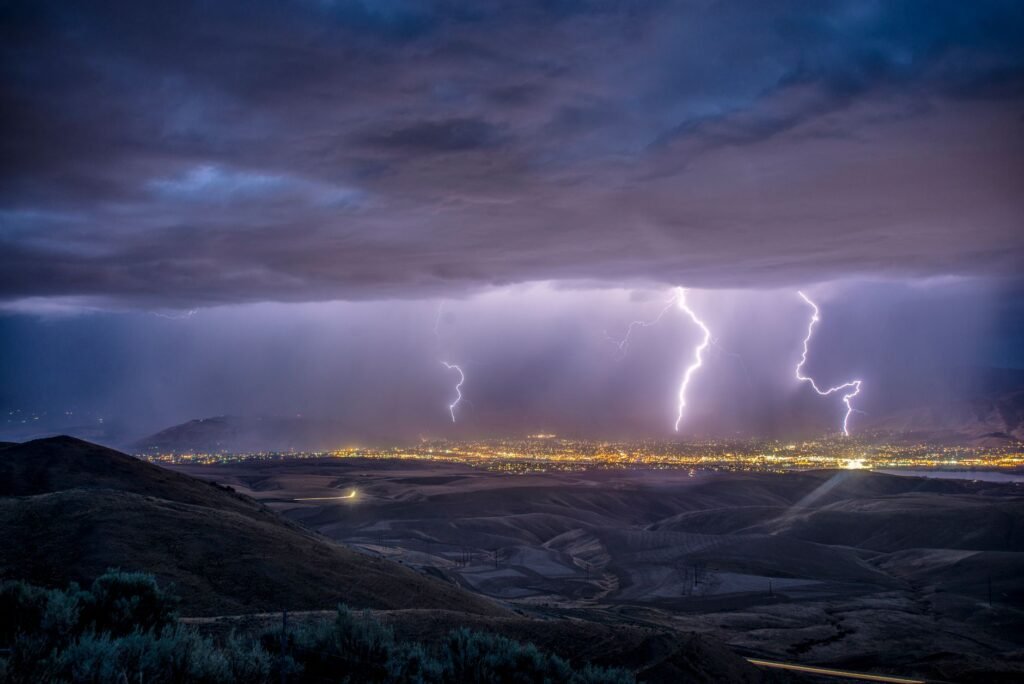
The specific weather conditions in Nevada can significantly impact insurance costs. For instance, the dry climate leads to less corrosion and damage from winter weather, which can result in lower rates for comprehensive coverage. However, the state’s susceptibility to extreme temperatures and occasional flash floods can increase the frequency of weather-related incidents, thereby affecting weather impact insurance rates.
Moreover, the prevalence of dust storms in the desert areas can lead to hazardous driving conditions, which in turn may prompt insurers to adjust their rates to account for these risks. Understanding the climate effects on car insurance is crucial for drivers in Nevada, as these factors can lead to discrepancies in policy pricing. It is essential to consider how Nevada weather insurance policies are tailored to address these unique challenges. By being informed about the implications of Nevada’s climate on car insurance, drivers can make better choices when selecting coverage options, ultimately reducing their premiums.
For further insights into how climate influences insurance rates in Nevada, consider exploring How Nevada Weather Affects Car Insurance Rates. This knowledge can empower you to navigate the complexities of Nevada climate car insurance more effectively.
The Weather Impact on Insurance Rates in Nevada
Understanding the relationship between weather and insurance rates is crucial for anyone considering Nevada climate car insurance. As weather patterns shift, they significantly affect insurance claims, ultimately influencing premiums. By examining statistical data and seasonal trends, drivers can better navigate the implications of weather on their insurance costs.
Statistical Analysis of Claims in Nevada
Statistical data indicates a clear correlation between weather events and insurance claims in Nevada. For instance, the Nevada Department of Transportation reported that accidents increase during periods of heavy snowfall, with a 40% rise in claims during winter months compared to average rates. Furthermore, the National Weather Service has noted that severe storms can lead to increased flooding, which has resulted in a 25% uptick in comprehensive claims related to water damage in vehicles.
According to a study by Insurance Journal, climate effects on car insurance are becoming more pronounced, with claims related to storm damage rising by 30% over the past five years in the region. This trend highlights the importance of understanding how Nevada weather insurance can protect against unexpected costs.
Seasonal Trends and Their Effects on Premiums
Seasonal trends further illustrate how Nevada’s unique climate impacts insurance premiums. In the winter months, icy roads and snowstorms lead to more accidents, prompting insurers to adjust premiums accordingly. Conversely, the summer heat can adversely affect vehicle performance, increasing the likelihood of breakdowns and subsequent claims. In fact, a recent report indicated that claims related to vehicle overheating increased by 20% during peak summer months.
To prepare for these seasonal effects on premium rates, consider reviewing your Nevada climate car insurance policy regularly. This proactive approach can help you adjust coverage as needed and potentially mitigate rising costs associated with weather-related claims. Understanding Nevada’s No-Fault Insurance System

By staying informed about the weather impact on insurance rates, Nevada residents can make smarter financial decisions regarding their car insurance coverage, ensuring they are adequately protected against the state’s diverse climate conditions.
Nevada Climate Car Insurance: Understanding the Impact
Comprehensive Coverage vs. Liability
When considering Nevada climate car insurance, understanding the difference between comprehensive coverage and liability insurance is crucial. Liability insurance covers damages to other vehicles and medical expenses if you are at fault in an accident. However, it does not cover your own vehicle against theft or damage from events like severe weather, which are increasingly relevant in Nevada.
Comprehensive coverage, on the other hand, protects against a broader range of risks, including natural disasters such as floods, hail, and wildfires, all of which can be exacerbated by climate change. Given the rising frequency of extreme weather events, many Nevada drivers are opting for comprehensive coverage to safeguard their investments. The climate effects on car insurance are significant, as insurers may adjust premium rates based on the likelihood of these weather-related incidents.
Factors Influencing Policy Rates
Several factors influence car insurance policy rates in Nevada, particularly in relation to climate. These include:
- Driving Habits: Drivers with a history of safe driving are likely to see lower premiums, while those with a record of accidents may face higher rates.
- Vehicle Type: The make and model of your vehicle can affect your insurance costs. For example, larger, more expensive vehicles may incur higher premiums due to potential repair costs.
- Historical Claims Data: Insurers analyze past claims data to determine the risk associated with certain areas and weather patterns. Regions prone to flooding or wildfires may have higher rates due to increased claims.
the interplay of Nevada weather insurance and overall climate impacts necessitates a thorough understanding of how these factors affect your premiums. By considering comprehensive coverage, you can better protect yourself against climate-related risks while navigating the evolving landscape of Nevada climate car insurance.

Strategies for Navigating Nevada Weather Insurance
Tips for Finding Affordable Rates in Nevada Climate Car Insurance
Navigating the complexities of Nevada climate car insurance requires a proactive approach to find the best rates. Here are some actionable tips to help you secure affordable insurance amidst the fluctuating climate:
- Compare Quotes: Utilize online platforms to compare rates from different insurers. This will give you insight into how weather impact insurance rates vary across companies.
- Consider Bundling: If you have other types of insurance, such as home or renters insurance, consider bundling them with your car insurance. Insurers often provide discounts for bundled policies.
- Review Your Coverage: Tailor your coverage to reflect your driving habits and the risks associated with Nevada’s unique climate, such as the potential for flash floods or seasonal snow.
- Maintain a Good Driving Record: A clean driving history can significantly lower your premiums. Avoid accidents and traffic violations to benefit from lower rates over time.
- Take Advantage of Discounts: Many insurers offer discounts for safe driving, low mileage, or completing defensive driving courses. Always ask about available discounts.
Importance of Regular Policy Reviews for Nevada Weather Insurance
Regularly reviewing your Nevada weather insurance policy is crucial in adapting to the ongoing climate effects on car insurance. As weather patterns change, your coverage needs may evolve, making it essential to ensure that you are adequately protected. Here’s why regular reviews are necessary:
- Adjust for Changing Conditions: As climate change continues to impact Nevada, the risk of severe weather events may increase, potentially affecting your insurance needs.
- Ensure Adequate Coverage: Regular reviews help you identify if your current coverage limits are sufficient, especially if you have made significant purchases or changes to your vehicle.
- Stay Informed: Insurance companies may adjust their rates based on regional climate trends. Being informed allows you to switch providers if necessary to maintain affordable rates.
By implementing these strategies, you can effectively navigate the complexities of Nevada climate car insurance while ensuring that you maintain adequate coverage for your unique needs. Regular engagement with your insurance policy helps you stay ahead of the curve, especially in a state where weather patterns can rapidly shift.

Future Climate Trends and Their Implications for Car Insurance in Nevada
Anticipated Changes in Weather Patterns
Nevada is expected to face significant changes in weather patterns due to climate change, which could have profound implications for car insurance policies and rates. The region’s already sparse rainfall is projected to decline further, leading to increased drought conditions and heightened wildfire risks. According to the National Oceanic and Atmospheric Administration (NOAA), the frequency of extreme weather events, including severe storms and flash floods, is also anticipated to rise.
These shifts will likely influence weather impact insurance rates as insurers will need to adapt their models to account for increased risks. For instance, a rise in claims related to flooding or wildfire damage may prompt higher premiums for Nevada climate car insurance. Additionally, the changing climate could expedite the need for policies that cover new risks, such as hail damage or debris from wildfires.
Preparing for Future Insurance Needs
As climate conditions evolve, it becomes essential for Nevada residents to proactively assess their insurance needs. Understanding the climate effects on car insurance can help policyholders make informed decisions. It is advisable to review coverage options and consider comprehensive plans that address specific risks associated with Nevada’s changing climate.
Here are some actionable steps to consider:
- Regularly review your insurance policy to ensure it covers potential climate-related risks.
- Consult with your insurance agent about the implications of climate change on your current coverage.
- Stay informed about local weather patterns and trends that may affect your vehicle’s safety and insurance needs.
By taking these proactive measures, residents can better navigate the uncertain landscape of Nevada climate car insurance and ensure they are adequately protected against future risks. For more insights on how to adapt your coverage, explore our detailed guide on Payments and security at Casea Casino: Ensuring your funds are protected.

As Nevada continues to experience significant climate changes, understanding the implications of Nevada climate car insurance becomes increasingly essential. The climate effects on car insurance not only influence the premiums but also shape the policies offered by insurers. With the potential for more frequent extreme weather events, consumers should be proactive in evaluating their coverage options, especially as weather impact insurance rates may rise in response to these changes.
To navigate the evolving landscape of Nevada weather insurance, it is crucial for drivers to stay informed about how these factors impact their insurance rates. Reviewing your current policy and discussing potential adjustments with your insurance provider can help ensure adequate protection against climate-related risks. Take the next step today by researching your options and considering how Nevada climate car insurance can best suit your needs in this changing environment.
“`html
How does Nevada climate affect car insurance rates?
The Nevada climate plays a significant role in determining car insurance rates. Insurers take into account the likelihood of weather-related incidents, such as flooding or wildfires, when assessing risk. Areas prone to extreme heat may also see increased rates due to higher vehicle wear and tear. Therefore, understanding how the Nevada climate influences car insurance can help drivers make informed choices about their coverage.
What weather conditions impact insurance rates in Nevada?
In Nevada, several weather conditions can impact insurance rates. These include heavy rains leading to flooding, seasonal wildfires, and even extreme temperatures that can damage vehicles. Insurance companies often evaluate historical data on these weather events to adjust their rates. Thus, drivers in regions susceptible to these conditions may experience higher premiums for their policies.
Are there specific climate effects on car insurance in Nevada?
Yes, there are specific climate effects on car insurance in Nevada. For instance, the prevalence of dust storms and high winds can lead to increased accident rates, prompting insurers to raise premiums. Additionally, the risk of wildfires in certain areas can drastically affect insurance availability and pricing. Understanding these climate effects on car insurance is crucial for residents seeking adequate coverage.
How can I save on Nevada weather insurance?
To save on Nevada weather insurance, consider bundling your car insurance with other policies, such as homeowners or renters insurance. Increasing your deductible can also lower your premium. Additionally, maintaining a clean driving record and taking advantage of discounts for safety features in your vehicle can contribute to reduced rates. Regularly reviewing your policy and comparing quotes can help you find the best deals.
What types of car insurance are best for Nevada’s climate?
For Nevada’s climate, comprehensive car insurance is often recommended, as it covers a range of risks associated with weather conditions, including theft, vandalism, and damage from natural disasters. Collision coverage is also beneficial to protect against accidents caused by sudden weather changes. Evaluating your specific needs and the risks in your area can help you choose the best types of coverage for your situation.
Do insurance companies consider climate when setting rates?
Yes, insurance companies do consider climate when setting rates. They analyze data related to weather patterns, including the frequency of severe weather events, to assess risk factors. This analysis helps insurers determine the likelihood of claims based on climate conditions, which directly impacts the rates they offer. Therefore, understanding the relationship between climate and insurance pricing can aid in selecting the right policy.
“`