

The car insurance claims process in Nevada can seem daunting, especially for those navigating it for the first time. Understanding the steps involved is crucial to ensuring that you receive the compensation you deserve after an accident. This article aims to provide a comprehensive overview of the car accident insurance process in Nevada, detailing everything from the initial steps for filing insurance claims in Nevada to the intricacies of handling Nevada accident claims. We will explore common challenges you may face during the claims process and offer practical tips to enhance your chances of a successful outcome. Whether you are dealing with minor fender benders or more serious incidents, being well-informed about the process will empower you to navigate it with confidence. For more information on Nevada’s insurance regulations, you can visit the Nevada Division of Insurance. Let’s dive into the essential elements of managing your car insurance claims effectively.
Understanding the Car Insurance Claims Process in Nevada
What is the Car Insurance Claims Process?
The car insurance claims process in Nevada is the procedure through which policyholders report and resolve damages or losses resulting from vehicle accidents. This process involves several steps that must be followed to ensure claims are handled efficiently and effectively. Typically, the process starts with the policyholder notifying their insurance company about the accident, followed by an investigation of the incident, assessment of damages, and finally, settlement of the claim.
Filing insurance claims in Nevada can be complex, particularly for those unfamiliar with the requirements and regulations. After an accident, it is crucial to gather relevant information, such as police reports and witness statements, to support your claim. The insurance company will then review this information, evaluate the circumstances of the accident, and determine liability before issuing any payments. Understanding this process is vital for effective claims management and to ensure that you receive fair compensation for your losses.
Importance of Understanding the Process
Comprehending the car insurance claims process in Nevada is essential for several reasons. First, it allows drivers to navigate Nevada accident claims more confidently, reducing the stress associated with filing a claim. Familiarity with the process also enables policyholders to avoid common pitfalls that could delay settlement or result in inadequate compensation.
Moreover, understanding the car accident insurance process in Nevada helps individuals make informed decisions when dealing with insurance adjusters and legal representatives. By being aware of their rights and responsibilities, drivers can advocate for themselves more effectively in the event of a dispute.

Steps for Filing Insurance Claims in Nevada
Gathering Necessary Information for the Car Insurance Claims Process in Nevada
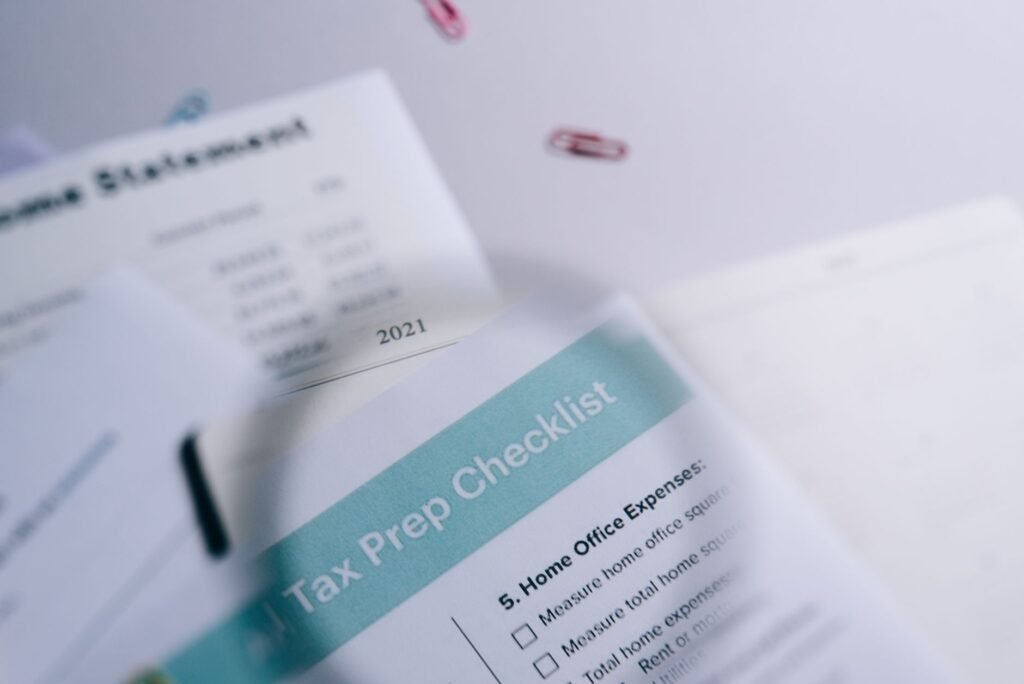
When navigating the car insurance claims process in Nevada, the first step is gathering all essential information related to the accident. This documentation will help streamline your claim and ensure you meet all requirements. Key items to collect include:
- Accident Report: If law enforcement was involved, obtain a copy of the official accident report. This document outlines the details of the incident and is often crucial for processing claims.
- Witness Statements: If there were any witnesses to the accident, gather their contact information and written statements. These can provide additional perspectives on the event.
- Photographs: Take pictures of the accident scene, vehicle damage, and any relevant road conditions or signage.
- Insurance Policy Details: Have your insurance policy handy, including your policy number and coverage details, as this information will be required when filing your claim.
Contacting Your Insurance Company
Once you have gathered all necessary information, the next step in the car accident insurance process in Nevada is to contact your insurance company. It is important to do this as soon as possible after the accident, ideally within 24 hours. When you reach out, be prepared to provide:
- Your policy number and personal information.
- A detailed account of the accident, including the date, time, and location.
- Information about any other parties involved, including their insurance details.
- All documentation you collected, such as the accident report and witness statements.
Filing insurance claims in Nevada requires effective communication with your insurer to ensure all information is accurate and complete. By providing thorough documentation and details, you can facilitate a smoother claims process.
For additional guidance on the claims process, consider consulting resources available through Navigating Car Insurance Claims in Nevada: A Step-by-Step Guide or your insurance provider’s website.
Navigating Nevada Accident Claims
Understanding Fault and Liability in the Car Insurance Claims Process Nevada
In Nevada, determining fault and liability in Nevada accident claims is crucial, as it directly impacts the outcome of your claim. Nevada follows a “modified comparative negligence” rule, which means that if you are found to be partially at fault for the accident, your compensation may be reduced by your percentage of fault. For instance, if you are deemed 20% responsible for the accident, and your total damages amount to $10,000, you would only receive $8,000. This aspect of the car insurance claims process Nevada underscores the importance of gathering clear evidence, such as police reports and witness statements, to support your case.
When assessing fault, insurance companies will review the circumstances surrounding the accident, including traffic laws and the actions of each party involved. It is essential to provide accurate and comprehensive information to facilitate this evaluation.

Dealing with Insurance Adjusters
Once you begin the car accident insurance process Nevada, you will likely interact with an insurance adjuster. Their role is to investigate the claim, assess damages, and determine payout amounts. To effectively deal with insurance adjusters, keep the following tips in mind:
- Be Prepared: Have your documentation ready, including medical records, repair estimates, and any evidence of lost wages.
- Stay Professional: Maintain a calm demeanor and answer questions truthfully. Avoid admitting fault or providing unnecessary details.
- Know Your Rights: Understand the limits of your policy and what you are entitled to. If you feel the offer is inadequate, you can negotiate or seek legal advice.
Understanding the intricacies of filing insurance claims in Nevada will empower you throughout this challenging process. By being informed and prepared, you can navigate the complexities of Nevada accident claims more effectively. For more detailed guidance, you may want to consult an expert or Filing Car Insurance Claim in Nevada: A Complete Guide.
The Car Accident Insurance Process in Nevada
Submitting Documentation for the Car Insurance Claims Process in Nevada
When you experience a car accident, navigating the car insurance claims process in Nevada requires careful documentation. Accurate and timely submission of documents is crucial to ensure your claim progresses smoothly. Here are the essential documents you need to prepare:
- Accident Report: Obtain a copy from law enforcement, as it provides official details about the incident.
- Medical Records: Include reports and bills related to any injuries sustained in the accident.
- Photos and Evidence: Take photographs of the accident scene, vehicle damages, and any visible injuries.
- Witness Statements: Gather contact information and statements from any witnesses present during the accident.
- Insurance Information: Provide your policy details and those of the other party involved.
Submitting these documents promptly can expedite the filing insurance claims in Nevada and help achieve a fair settlement.

Claim Resolution Timeline
The timeframe for resolving Nevada accident claims can vary significantly based on several factors. Typically, once you submit all necessary documentation, the insurance company will begin their review process, which can take anywhere from a few weeks to several months. Key factors influencing this timeline include:
- Complexity of the Claim: More complicated cases involving injuries or disputes often take longer to resolve.
- Insurance Company Efficiency: Different companies have varying processing speeds and protocols.
- Negotiation Time: If liability is disputed or negotiations are required, this can extend the resolution period.
By understanding the car accident insurance process in Nevada, you can better prepare for what to expect and help facilitate a smoother claims experience. Always stay in communication with your insurer and follow up regularly to ensure your claim is progressing.
How to File aCar Insurance Claim in Nevada
Common Challenges in the Car Insurance Claims Process in Nevada
Navigating the car insurance claims process in Nevada can present several hurdles. Understanding these challenges can help you be better prepared and streamline your experience during a stressful time.
Disputes Over Liability
One of the most common challenges in the car insurance claims process in Nevada is disputes over liability. After an accident, insurance companies often have differing opinions about who is at fault. This disagreement can delay the claims process and result in inadequate compensation for damages. It’s important to gather as much evidence as possible at the scene of the accident, including photos, witness statements, and police reports. This documentation can support your case and help clarify liability when filing insurance claims Nevada.
Claim Denials and Appeals in the Car Insurance Claims Process Nevada
Another significant obstacle is experiencing a claim denial. Insurers may deny claims for various reasons, such as insufficient evidence, policy exclusions, or missing deadlines. If your claim is denied, you have the right to appeal the decision. Begin by reviewing the denial letter carefully to understand the reasons behind it. Collect any additional information that could strengthen your case and submit a well-documented appeal. If necessary, consider consulting with a lawyer specializing in Nevada accident claims to guide you through the process and improve your chances of a successful appeal.
By being informed and proactive, you can navigate the challenges of the car accident insurance process Nevada more effectively. Always ensure that you keep detailed records of your communications with the insurance company, as this can be invaluable in resolving disputes or denials.

Tips for a Successful Claims Experience in Nevada
Keep Detailed Records During the Car Insurance Claims Process in Nevada
One of the most critical aspects of navigating the car insurance claims process Nevada is maintaining thorough documentation. From the moment an accident occurs, begin recording all relevant details. This includes:
- The date, time, and location of the accident
- Contact information for all involved parties, including witnesses
- Photos of the accident scene and vehicle damage
- Medical reports and bills if injuries are involved
- Any communications with your insurance company
Additionally, keep track of expenses incurred as a result of the accident, such as rental car costs or medical expenses. These records are invaluable when filing insurance claims Nevada and will help ensure that you receive the compensation you deserve. 
Seek Professional Help When Needed
While many claims can be managed on your own, the complexity of the car accident insurance process Nevada may require professional assistance. If you encounter challenges such as disputes with the other party’s insurance or if your claim is denied, consider consulting with a legal professional who specializes in Nevada accident claims. An attorney can provide guidance tailored to your unique situation and ensure that your rights are protected. They can also help you understand the nuances of state laws that may affect your claim.
Consulting with a legal expert can be particularly beneficial if you are unsure about the value of your claim or if you are facing significant medical bills. Remember, a successful claims experience hinges not just on what happened, but also on how effectively you document and advocate for your needs throughout the process.
By keeping detailed records and seeking professional help when necessary, you can navigate the car insurance claims process Nevada more effectively, ensuring that you receive the compensation you deserve.
Navigating the car insurance claims process in Nevada can seem daunting, but understanding the steps involved can significantly ease the burden. Whether you are filing insurance claims in Nevada after a minor fender bender or dealing with more serious Nevada accident claims, being prepared will help streamline the car accident insurance process in Nevada. Remember to gather all necessary documentation, communicate effectively with your insurer, and adhere to the timelines set by your policy.
As you move forward, take the time to familiarize yourself with your specific policy details and the claims process outlined by your insurance provider. This proactive approach will not only empower you but also ensure you are ready to handle any unexpected situations that may arise. For further assistance, consider consulting with an insurance professional who can provide guidance tailored to your individual circumstances.
“`html
How do I file a car insurance claim in Nevada?
To file a car insurance claim in Nevada, start by contacting your insurance company as soon as possible after the accident. You can typically do this through their website or customer service line. Be prepared to provide details about the incident, including the date, time, location, and any involved parties. It may also be helpful to have a copy of the police report and photos of the damage to support your claim. Prompt reporting is crucial in the car insurance claims process Nevada.
What do I need to include in my insurance claim in Nevada?
Your insurance claim in Nevada should include essential information such as your policy number, contact details, and a description of the accident. Attach any relevant documents, like the police report, medical bills, and photographs of the damages. If you have statements from witnesses, include those as well. This comprehensive documentation will help facilitate the car accident insurance process Nevada and ensure your claim is processed efficiently.
How long does the car insurance claims process take in Nevada?
The duration of the car insurance claims process in Nevada can vary significantly based on the complexity of the claim. Generally, simple claims may be resolved within a few weeks, while more complicated cases can take several months. Factors affecting the timeline include the extent of damages, liability disputes, and the need for investigations. Keeping in touch with your insurance adjuster can help you stay informed about the status of your claim.
What should I do if my claim gets denied in Nevada?
If your claim is denied in Nevada, carefully review the denial letter to understand the reasons behind it. You can contact your insurance agent to discuss the decision and ask for clarification. If you believe the denial was unjust, consider gathering additional evidence to support your case. You may also file a formal appeal with your insurance company, providing any new information that could change their decision.
How is fault determined in a Nevada car accident claim?
Fault in a Nevada car accident claim is generally determined based on the evidence collected from the scene, including police reports, witness statements, and photographs. Nevada operates under a modified comparative negligence system, meaning that if you are found to be partially at fault, your compensation may be reduced accordingly. It’s critical to gather comprehensive evidence to establish your case during the claims process.
Can I appeal a denied insurance claim in Nevada?
Yes, you can appeal a denied insurance claim in Nevada. Start by reviewing the denial letter for specific reasons and gather any additional evidence that supports your claim. Reach out to your insurance company to initiate the appeals process, ensuring you submit all required documentation. Keep a record of all communications and follow up regularly to ensure your appeal is being reviewed.
“`