
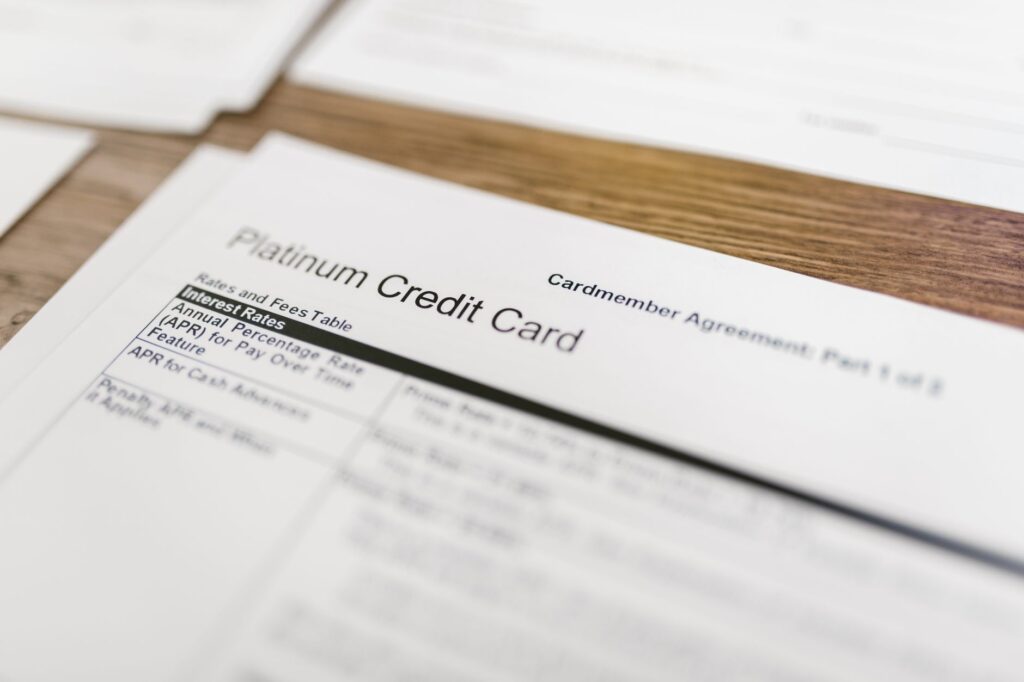
The credit score impact on car insurance in Nevada is a crucial yet often overlooked factor that can significantly influence the cost of your premiums. In the Silver State, insurers commonly use Nevada insurance credit scores to assess risk, which in turn affects how credit impacts insurance rates. Understanding this relationship is key for drivers looking to navigate their insurance options effectively. This article will delve into how credit affects insurance rates in Nevada, providing insights into the insurance and credit relationship, while debunking common myths. We will also explore strategies for improving your credit score to secure better insurance rates. Additionally, we will guide you through navigating your insurance choices with your credit score in mind, ensuring you are well-informed to make sound decisions. By the end, you will have a comprehensive understanding of the interplay between credit scores and car insurance, empowering you to optimize your coverage and costs.
The Credit Score Impact on Car Insurance in Nevada
What is a Credit Score?
A credit score is a numerical representation of an individual’s creditworthiness, typically ranging from 300 to 850. It is calculated based on various factors, including payment history, amounts owed, length of credit history, types of credit used, and new credit inquiries. Reputable sources like myFICO explain that a higher score indicates lower risk to lenders, while a lower score suggests higher risk.
Why Insurers Use Credit Scores
In Nevada, the credit score impact on car insurance is significant. Insurance companies utilize credit scores to assess the likelihood of a policyholder filing claims. Studies indicate that individuals with lower credit scores are more likely to experience accidents or file claims, thus leading insurers to charge higher premiums. According to the Consumer Financial Protection Bureau, the insurance and credit relationship is well-documented, with many insurers using credit scores as a factor in determining insurance rates.
Understanding how credit affects insurance rates is crucial for consumers. For instance, individuals with excellent credit scores often enjoy significantly lower premiums compared to those with poor credit. In Nevada, this correlation is particularly evident, making it essential for drivers to monitor their Nevada insurance credit scores regularly and take steps to improve their creditworthiness.

The Relationship Between Credit and Insurance Rates
Understanding the credit score impact on car insurance in Nevada is crucial for drivers seeking to manage their insurance costs. Research shows a direct correlation between credit scores and insurance premiums. Specifically, individuals with lower credit scores often face significantly higher insurance rates compared to those with better credit histories. According to a study by the Insurance Information Institute, drivers with poor credit can pay up to 50% more in premiums than those with excellent credit.
In Nevada, this trend is consistent with state regulations that allow insurers to consider credit scores when determining rates. The Nevada Department of Insurance emphasizes that insurers must disclose their use of credit scores in pricing policies, providing transparency to consumers. As a result, understanding the insurance and credit relationship can empower individuals to improve their financial standing, potentially leading to lower insurance costs.
Nevada Insurance Credit Scores Explained
Nevada insurance credit scores are calculated using various factors, including payment history, credit utilization, and the length of credit history. Insurers leverage these scores to assess risk, which directly impacts premiums. For instance, a driver with a score below 600 may see their rates increase by as much as 30% compared to a driver with a score above 700. This disparity highlights the importance of maintaining good credit, especially in Nevada’s insurance landscape.
To effectively manage your insurance costs, consider regularly monitoring your credit report and disputing any inaccuracies. Additionally, engaging in practices that improve your credit score, such as timely bill payments and minimizing debt, can help mitigate the how credit affects insurance rates aspect of your financial profile.
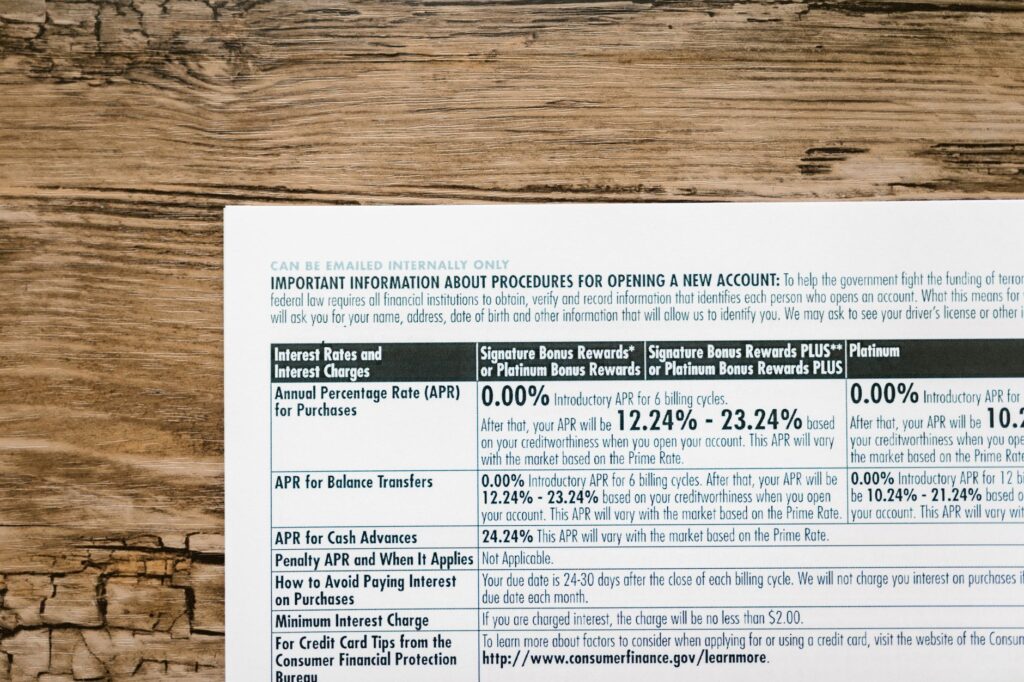
By understanding how Nevada insurance credit scores work and their influence on insurance premiums, drivers can take proactive steps to secure better rates. For more insights on this topic, visit Credit Scores and Car Insurance Rates in Nevada.
Improving Your Credit Score for Better Insurance Rates
Your credit score significantly influences your insurance rates, especially in Nevada. Understanding the credit score impact on car insurance Nevada can help you take actionable steps to enhance your financial profile and secure better premiums. Here’s how you can improve your credit score and, in turn, potentially lower your car insurance costs.
Steps to Enhance Your Credit Score
- Pay Bills on Time: Consistently making your payments on time can have a positive effect on your credit score. Late payments can negatively impact your score for up to seven years.
- Reduce Debt: Aim to pay down existing debts, particularly credit card balances. A lower credit utilization ratio can improve your score.
- Limit New Credit Applications: Each time you apply for new credit, a hard inquiry occurs, which can temporarily lower your score. Be strategic about new credit applications.
- Check Your Credit Report for Errors: Regularly review your credit report for inaccuracies. If you find errors, dispute them promptly. You can obtain a free report annually at AnnualCreditReport.com.
Monitoring Your Credit Score
Regular monitoring of your credit score is essential as the insurance and credit relationship is vital in determining your rates. By keeping an eye on your score, you can track improvements and address any issues quickly. Several tools and services, such as Credit Karma or myFICO, offer free monitoring options.
Understanding how credit affects insurance rates is crucial for Nevada residents. Insurers often consider credit scores when determining premiums, making it imperative to maintain a healthy score. By following the above steps and monitoring your credit regularly, you can improve your chances of securing favorable insurance rates.

The Insurance and Credit Relationship: Myths and Facts
Common Misconceptions
Many individuals believe that their credit score has little to no effect on their car insurance premiums. This misconception could not be further from the truth. In fact, various studies have shown that insurers often consider credit scores as a significant factor when determining rates. For instance, a report by Insurance Journal found that drivers with poor credit scores could pay up to 60% more for auto insurance compared to those with excellent credit. The assumption that only driving history or demographic factors influence insurance pricing neglects the substantial role credit plays in the overall picture.
Understanding the Impact of Credit Score on Car Insurance in Nevada
The credit score impact on car insurance Nevada is particularly pronounced, as insurers in the state often utilize Nevada insurance credit scores to assess risk. Insurers argue that there is a correlation between credit behavior and the likelihood of filing claims. According to a NPR report, individuals with lower credit scores are statistically more likely to file claims, leading to higher premiums for these policyholders.
Furthermore, it’s essential to understand that credit scores are just one piece of the puzzle. Other factors, such as driving history, vehicle type, and coverage levels, also influence how credit affects insurance rates. However, neglecting the importance of credit can lead to unexpected and costly consequences when it comes to your insurance premiums.

By being informed about the insurance and credit relationship, you can take proactive steps to improve your credit standing and potentially lower your car insurance costs. The Impact of Credit Scores on Car Insurance Rates in Nevada
Navigating Insurance Choices with Your Credit Score
Understanding the credit score impact on car insurance in Nevada can significantly influence your insurance shopping experience. Your credit score not only affects your eligibility for certain policies but also plays a crucial role in determining your premiums. By leveraging your credit score wisely, you can make informed choices and potentially save money.
Choosing the Right Insurance Provider
Not all insurance providers weigh credit scores the same way. Some may place a heavier emphasis on your credit history when calculating premiums. Therefore, it is essential to compare Nevada insurance credit scores across different companies. Start by gathering quotes from multiple insurers and assess how each one factors in your credit score. Websites like Insure.com and GEICO offer comparison tools that can help you evaluate your options based on your unique credit profile.
How to Use Your Credit Score to Your Advantage
Once you understand how credit affects insurance rates, you can negotiate better terms. If you have a strong credit score, use it as leverage when discussing rates with insurance agents. Be prepared to provide documentation that supports your creditworthiness. Additionally, inquire about discounts for good credit and ask if the provider offers programs that reward responsible financial behavior. This proactive approach can help you maximize the benefits of the insurance and credit relationship, ultimately leading to lower premiums.
Remember, staying informed and proactive about your credit score can dramatically impact your insurance costs. Consumers in Nevada should take the time to understand their credit standing and its implications for car insurance, ensuring they secure the best possible rates.

Conclusion: Making Informed Decisions
Summary of Key Points Regarding the Credit Score Impact on Car Insurance in Nevada
Understanding the credit score impact on car insurance Nevada is crucial for anyone looking to secure affordable auto insurance. Throughout this article, we explored how Nevada insurance credit scores can influence your insurance rates significantly. Insurers often use credit scores as a predictor of risk, and a higher credit score can lead to lower premiums. Conversely, a poor credit score may result in higher rates, reflecting the insurance and credit relationship.
We discussed how credit affects insurance rates and highlighted the importance of maintaining a good credit history. Regularly checking your credit score and correcting any inaccuracies can lead to better insurance options and savings. Additionally, we emphasized consulting with insurance experts to navigate the complexities of insurance policies and credit scores.
Final Thoughts
Taking proactive steps to manage your credit score can have a lasting positive impact on your car insurance premiums. By understanding the intricacies of how credit affects insurance rates, you can make informed decisions that benefit your financial situation. Consider implementing a routine to check your credit score regularly, ensuring that you stay on top of your financial health.
For those looking to optimize their insurance costs, seeking advice from professionals in the field can provide valuable insights tailored to your specific needs. The better you understand the credit score impact on car insurance Nevada, the more empowered you will be to secure the best rates available.

Understanding the credit score impact on car insurance Nevada is crucial for drivers looking to secure the best rates. The relationship between insurance and credit is significant, as Nevada insurance credit scores can influence premiums by reflecting a driver’s financial reliability. Knowing how credit affects insurance rates allows consumers to make informed decisions, potentially leading to substantial savings on car insurance.
As you navigate your insurance options, consider reviewing your credit report and addressing any discrepancies. This proactive approach can enhance your Nevada insurance credit scores and, in turn, positively impact your car insurance rates. Engaging with your insurance provider about how your credit score plays a role in your premiums can also empower you to negotiate better terms. Take the first step today to better understand your credit and its influence on your insurance costs.
“`html
How does my credit score affect my car insurance rates in Nevada?
Your credit score plays a significant role in determining your car insurance rates in Nevada. Insurers often use credit scores to assess risk. A higher credit score typically indicates lower risk, which can lead to lower premiums. Conversely, a low credit score may result in higher rates, as insurers may perceive you as more likely to file a claim. Understanding the credit score impact on car insurance in Nevada can help you anticipate how your financial standing affects your insurance costs.
What are Nevada insurance credit scores?
Nevada insurance credit scores are numerical representations of your creditworthiness, specifically used by insurance companies to evaluate your risk profile. These scores are derived from your credit history and help insurers determine how likely you are to file claims. Unlike traditional credit scores used for loans, Nevada insurance credit scores focus on factors relevant to insurance risk. Understanding these scores can help you manage your insurance costs more effectively.
Can I get car insurance with a low credit score?
Yes, you can still obtain car insurance with a low credit score, but it may come at a higher cost. Many insurers consider low credit scores as a risk factor, which could lead to higher premiums. Some companies may even refuse coverage altogether. It’s advisable to shop around and compare rates from various providers to find the best option, even if your credit score is not ideal.
What steps can I take to improve my credit score for insurance?
Improving your credit score involves several actionable steps. Start by paying your bills on time, as payment history is a crucial factor. Reduce your credit card balances to improve your credit utilization ratio, and avoid opening new credit accounts unless necessary. Regularly check your credit report for errors and dispute any inaccuracies you find. These actions can enhance your credit score, ultimately benefiting your insurance rates.
Are all insurance companies in Nevada using credit scores?
No, not all insurance companies in Nevada use credit scores to determine premiums. While many do, some insurers may rely on other factors, such as driving history or overall claims experience. It’s important to inquire with each insurer about their specific underwriting criteria and how they weigh credit scores against other factors when calculating rates.
How often should I check my credit score for insurance purposes?
It is advisable to check your credit score at least once a year to monitor your financial health and its potential impact on your insurance rates. If you are planning to purchase or renew a car insurance policy, consider checking your score a few months in advance. This allows you time to address any issues and improve your score, potentially resulting in lower premiums.
“`