Understanding how credit score car insurance rates in Nevada work is crucial for drivers looking to save on their premiums. Many residents may not realize that their Nevada insurance credit score can significantly influence the rates they pay for car insurance. This article explores the relationship between credit scores and car insurance rates, delving into the role of Nevada’s regulations regarding insurance credit scores. We will analyze the impact of credit on insurance rates in Nevada, providing insights that can help you navigate this often-overlooked aspect of car insurance. Additionally, we will offer practical tips on how to improve credit for better insurance rates, empowering you to take control of your financial future. Understanding these factors can lead to substantial savings, making it essential for all Nevada drivers to be informed. For more details on credit scores and insurance, visit the Consumer Financial Protection Bureau and learn about their impact on your financial options.
Understanding Credit Score and Car Insurance Rates in Nevada
What is a Credit Score?
A credit score is a numerical representation of a person’s creditworthiness, typically ranging from 300 to 850. The score is calculated based on various factors, including payment history, credit utilization, length of credit history, types of credit, and recent credit inquiries. In general, a higher score indicates better credit risk. For instance, a score above 700 is often seen as good, while scores below 600 may be considered poor. Understanding your credit score is crucial, especially when it comes to credit score car insurance rates in Nevada.
How Does Credit Score Impact Insurance Rates?
Insurers in Nevada often use credit scores as a significant factor in determining car insurance rates. The impact of credit on insurance is substantial; studies show that individuals with higher credit scores tend to file fewer claims, making them a lower risk to insurers. In fact, many insurance companies believe that a person’s credit score is a reliable indicator of their likelihood to file a claim, leading to higher premiums for those with lower scores.
In Nevada, this practice is common and legal, allowing insurers to assess risk more accurately. As a result, individuals with poor credit may face significantly higher rates than those with excellent credit. This means that improving your credit score can lead to more favorable insurance rates. To improve credit for better insurance, consider strategies like paying down debt, making payments on time, and regularly checking your credit report for inaccuracies.
understanding the relationship between your credit score and car insurance rates in Nevada is essential for making informed financial decisions. By being proactive about your credit health, you can potentially save money on insurance premiums in the long run. For more information on how to manage your credit score effectively, Credit Score Impact on Car Insurance Rates in Nevada.
The Role of Nevada Insurance Credit Score Regulations
Nevada’s Legal Framework on Credit Scoring
In Nevada, the use of credit scores to determine car insurance rates is regulated under state law. Insurers are permitted to consider credit history when underwriting policies and setting premiums, recognizing the impact of credit on insurance risk assessment. However, these regulations also impose certain restrictions to protect consumers.
Specifically, Nevada law requires insurance companies to disclose how they use credit information and to provide consumers with the necessary details to understand their rates. This transparency is critical, as it ensures that policyholders are aware of how their credit score can influence their car insurance rates in Nevada. Additionally, insurers must notify consumers if their credit score has adversely affected their premium rates, allowing them the opportunity to take corrective measures.
Consumer Rights Regarding Credit Scores
Consumers in Nevada have specific rights when it comes to their credit scores and how these scores affect their insurance rates. If an individual believes that their credit score is inaccurate or has been used unfairly in determining their insurance rates, they have the right to challenge this information. The first step is to obtain a copy of their credit report from the major credit reporting agencies, which consumers can access for free annually.
If discrepancies are found, consumers can dispute inaccuracies directly with the credit reporting agency. Moreover, if a consumer feels that their credit score has negatively impacted their insurance rates, they can inquire with their insurance provider for clarification and seek to understand their options for improve credit for better insurance outcomes.
By understanding Nevada’s regulations and their rights, consumers can better navigate the complexities of how credit scores influence car insurance rates in Nevada, empowering them to take action when necessary. 
Impact of Credit on Insurance Rates: Nevada Insights
Statistical Overview of Credit and Premium Costs
In Nevada, the correlation between credit scores and car insurance rates is significant. According to a ValuePenguin report, drivers with poor credit scores can pay up to 60% more in premiums compared to those with excellent credit. This trend highlights the impact of credit on insurance pricing models used by insurers in the state. For instance, a driver with a credit score below 600 may face average annual premiums exceeding $2,000, while someone with a score above 750 could see rates as low as $1,200.
Moreover, a study by Insurance.com indicates that nearly 40% of insurers in Nevada utilize credit scores as a key factor in determining rates. This makes understanding your Nevada insurance credit score crucial for anyone looking to manage their car insurance costs effectively.
Impact of Credit on Different Insurance Providers
Not all insurance companies weigh credit scores in the same manner. For example, major providers like State Farm and Allstate typically place considerable emphasis on credit scores when calculating credit score car insurance rates in Nevada. In contrast, some smaller or regional insurers might focus more on driving history or other factors. This variability means that shoppers should not only compare rates but also consider how different companies evaluate credit.
To improve credit for better insurance rates, individuals can take steps such as paying bills on time, reducing outstanding debt, and regularly checking their credit reports for errors. By proactively managing their credit, Nevada residents can potentially lower their insurance premiums significantly.
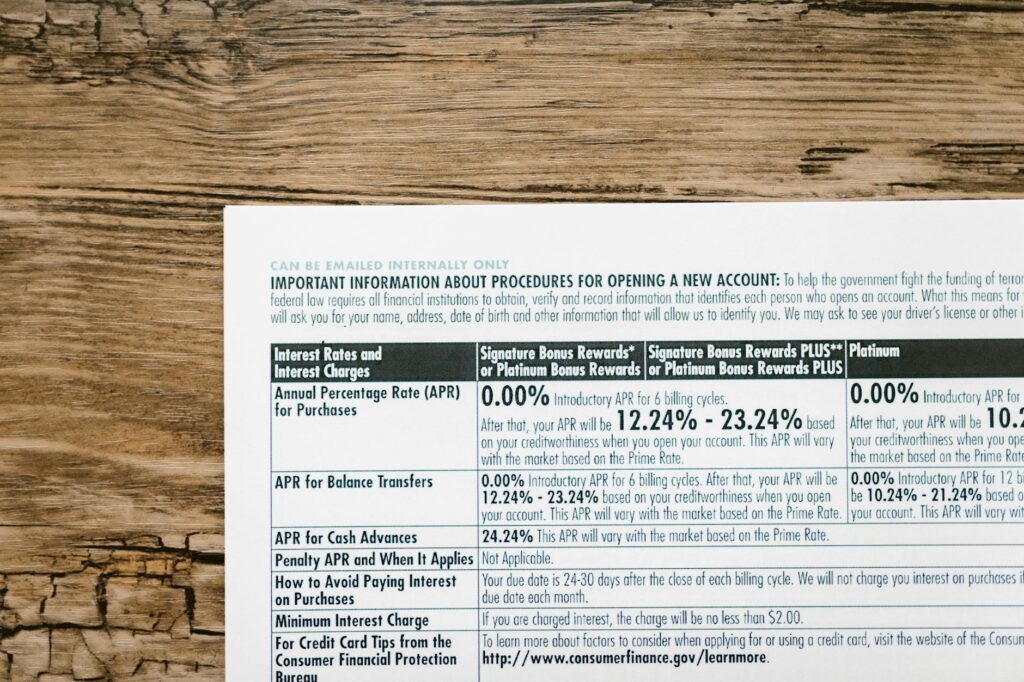
Understanding the nuances of how credit scores impact car insurance can empower Nevada drivers to make informed decisions, ultimately leading to more affordable coverage options. For further insights, consider exploring How to Choose the Best Car Insurance in Nevada.
How to Improve Credit for Better Insurance Rates
Your credit score significantly influences car insurance rates in Nevada. A higher score often leads to lower premiums, while a lower one can increase costs. Understanding how to improve credit for better insurance is essential to saving money. Here are effective strategies to boost your credit score and, consequently, your insurance rates.
Effective Strategies to Boost Your Credit Score
- Pay Your Bills on Time: Late payments can severely impact your credit score. Set up reminders or automate payments to ensure you never miss a due date.
- Reduce Debt: Aim to pay down existing debt, particularly high credit card balances. Keeping your credit utilization below 30% is ideal.
- Limit New Credit Inquiries: Each time you apply for credit, a hard inquiry is made, which can temporarily lower your score. Only apply for new credit when necessary.
- Check Your Credit Report for Errors: Regularly review your credit report for inaccuracies. Dispute any errors you find, as they could be dragging your score down. You can obtain a free report annually from AnnualCreditReport.com.
- Keep Old Accounts Open: The length of your credit history matters. Keeping old credit accounts open, even if you don’t use them frequently, can positively affect your score.
By implementing these strategies, you can effectively improve your credit score, which will positively influence credit score car insurance rates in Nevada and help reduce your premiums.
Monitoring Your Credit for Insurance Applications
It’s crucial to monitor your credit regularly, especially before applying for insurance. Many insurers use your Nevada insurance credit score to assess risk, and being aware of your score can help you negotiate better rates. Here are some steps for effective monitoring:
- Use Credit Monitoring Services: Consider signing up for a credit monitoring service to receive alerts about changes to your credit report.
- Check Your Credit Score: Many financial institutions offer free access to your credit score. Use this information to understand where you stand.
- Review Your Reports Before Applying: Before applying for insurance, check your reports for any last-minute corrections to ensure accuracy.
By actively monitoring your credit, you can better understand the impact of credit on insurance rates and potentially save money on your premiums. Improving your credit is not just about achieving a higher score; it’s about making informed financial decisions that lead to long-term savings.

For more information on how your credit score affects your insurance rates, visit How Nevada’s Unique Driving Conditions Affect Car Insurance Rates.
Conclusion: Understanding the Impact of Credit Score on Car Insurance Rates in Nevada
The relationship between credit score and car insurance rates in Nevada is both significant and often overlooked. Insurers frequently use a person’s credit score to assess risk, which can directly influence the premiums they charge. A higher credit score often correlates with lower insurance rates, while a lower score can lead to increased costs. This highlights the critical importance of maintaining a good credit score in order to secure affordable car insurance options.
According to the National Association of Insurance Commissioners, many states, including Nevada, allow insurers to consider credit history as a factor in determining rates. This means that consumers with a poor Nevada insurance credit score could be paying significantly more for their coverage than those with better credit histories. The impact of credit on insurance cannot be understated; it serves as a predictive measure of a person’s likelihood to file a claim.
For those looking to lower their car insurance premiums, improving credit for better insurance is a viable strategy. Simple steps such as paying bills on time, reducing outstanding debt, and regularly monitoring credit reports can collectively enhance one’s credit profile. By focusing on these areas, individuals can not only improve their financial health but also position themselves for more favorable insurance rates.
Overall, understanding the nuances of how credit scores affect car insurance rates in Nevada empowers consumers to make informed decisions. By actively managing their credit, individuals can potentially save money and secure better insurance options that fit their needs.

Understanding the relationship between credit score and car insurance rates in Nevada is crucial for drivers seeking affordable premiums. The Nevada insurance credit score plays a significant role in determining rates, as insurers often assess the impact of credit on insurance when evaluating risk. By recognizing this connection, policyholders can take proactive steps to improve credit for better insurance outcomes, ultimately leading to potential savings.
As you navigate the complexities of insurance premiums, consider monitoring your credit score regularly and taking steps to enhance it. This proactive approach not only benefits your car insurance rates but also has broader financial implications. For those in Nevada, it is essential to stay informed about how credit scores influence your insurance options and to consult with your insurer about available discounts and programs that reward good credit behavior.
“`html
How does my credit score affect my car insurance rates in Nevada?
Your credit score can significantly influence your car insurance rates in Nevada. Insurers often view individuals with higher credit scores as less risky, which typically results in lower premiums. Conversely, a lower credit score may lead to higher rates, as insurers associate it with a higher likelihood of filing claims. This relationship between credit scores and insurance rates is part of a broader trend in the industry to assess risk based on various factors, including financial behavior.
What is the average impact of credit on insurance premiums?
The average impact of credit on insurance premiums can vary widely, but studies indicate that individuals with poor credit may pay significantly more, often up to 30% or more, than those with excellent credit. This disparity highlights the importance of maintaining a good credit score, as it can lead to substantial savings on car insurance rates in Nevada. Each insurer may weigh credit differently, so it’s advisable to shop around for the best rates based on your credit situation.
Are there laws in Nevada regarding the use of credit scores for insurance?
Yes, Nevada has laws that regulate how insurers can use credit scores when determining car insurance rates. Insurers must inform consumers if their credit score is being used as a factor in rate setting. Additionally, they are required to provide consumers with the opportunity to appeal if they believe their rates are unfairly high due to their credit score. Understanding these regulations can help consumers navigate their options more effectively.
How can I improve my credit score for better insurance rates?
Improving your credit score to achieve better insurance rates involves several steps. Start by paying bills on time, reducing outstanding debts, and avoiding new credit inquiries. Regularly reviewing your credit report for errors and disputing inaccuracies can also help. Establishing a long credit history and maintaining low credit utilization are crucial factors as well. These actions can enhance your credit score, ultimately leading to lower car insurance rates in Nevada.
What should I do if my credit score is affecting my insurance rates unfairly?
If you believe your credit score is unfairly impacting your insurance rates, start by reviewing your credit report for errors. You can dispute any inaccuracies with the credit bureaus. Additionally, reach out to your insurance provider to discuss your concerns and inquire about their considerations regarding credit scores. If necessary, consider shopping around for different insurers who may assess risk differently, as this could lead to better rates.
Can I get car insurance without a credit score?
Yes, it is possible to obtain car insurance without a credit score, particularly if you are a new resident or have not established credit. Some insurers may rely more on your driving history and other factors instead of credit. However, it is important to note that not having a credit score might limit your options or result in higher premiums. It is advisable to shop around and inquire about how different insurers handle applicants without credit histories.
“`