Understanding comprehensive vs collision insurance in Nevada is essential for any vehicle owner looking to protect their investment. With various Nevada insurance options available, it can be challenging to determine which coverage best suits your needs. This article delves into the key differences between comprehensive and collision insurance in Nevada, helping you make an informed decision about the right coverage for your vehicle. We will also explore the factors to consider when choosing insurance in Nevada, such as your driving habits and vehicle type. Additionally, we will provide a clear explanation of collision insurance explained, when it is necessary and how it fits into the broader landscape of car coverage types in Nevada. By the end of this article, you’ll have a comprehensive understanding of your options and be better equipped to make the right choice for your vehicle in Nevada. For more detailed information on insurance regulations, visit the Nevada Department of Insurance.
Understanding Comprehensive vs Collision Insurance in Nevada
What is Comprehensive Insurance?
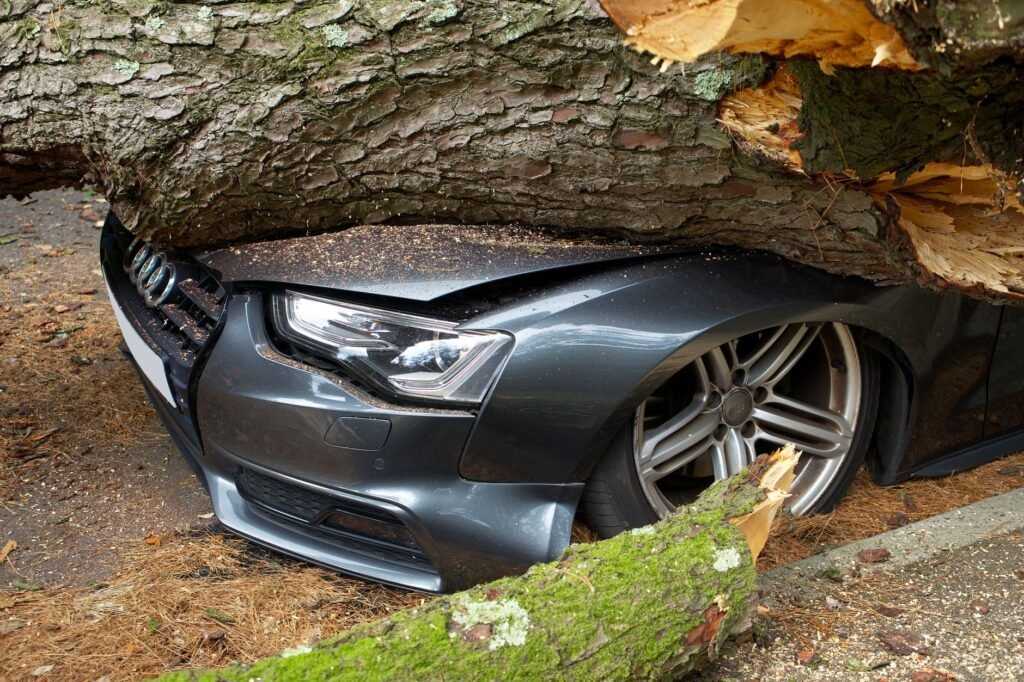
Comprehensive insurance is a type of car insurance that covers damage to your vehicle not involving a collision. This includes incidents such as theft, vandalism, natural disasters, and animal strikes. In Nevada, where the landscape can include everything from deserts to mountains, having comprehensive coverage can be particularly beneficial. For instance, if a hailstorm damages your car while parked, comprehensive insurance would cover the repair costs, helping you avoid out-of-pocket expenses.
What is Collision Insurance?
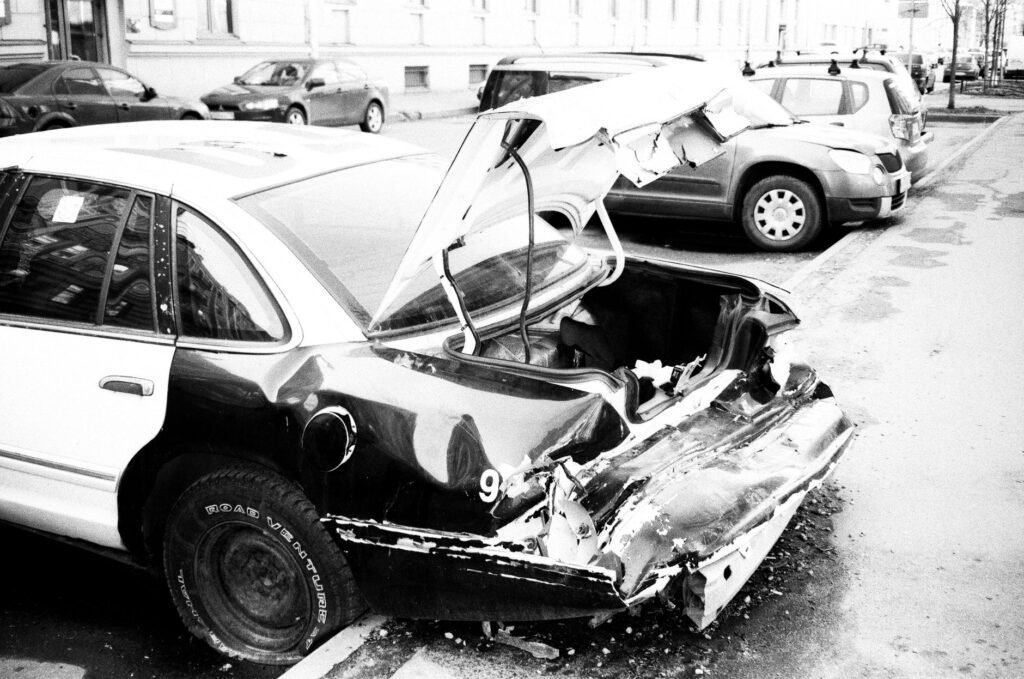
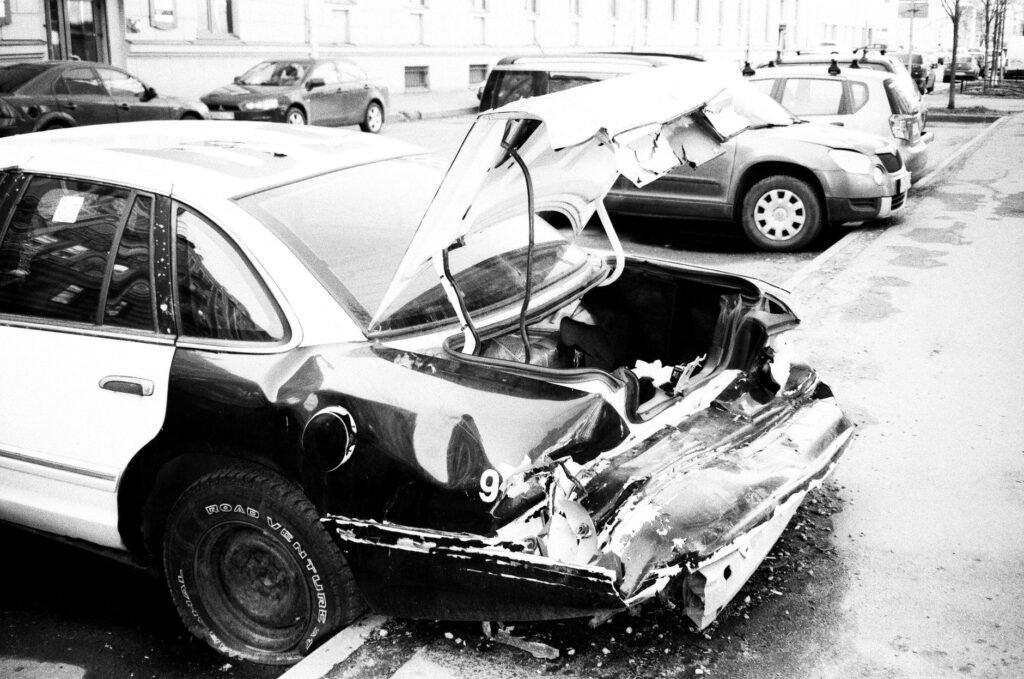
Collision insurance, on the other hand, specifically covers damages to your vehicle resulting from a collision with another vehicle or object, regardless of fault. This type of coverage is crucial for Nevada drivers, especially in urban areas like Las Vegas where traffic accidents are more frequent. For example, if you are involved in a minor fender bender in Reno, your collision insurance would help cover the repair costs, allowing you to get back on the road quickly.
When comparing comprehensive vs collision insurance in Nevada, it is essential to understand the differences in coverage scopes. While comprehensive insurance protects against a broader range of incidents, collision insurance is focused solely on accidents involving your car. Together, these two car coverage types in Nevada provide a more complete safety net for drivers.
When considering your Nevada insurance options, evaluate your risk factors. If you frequently park in high-crime areas or live in a region prone to natural disasters, comprehensive insurance may be a wise choice. Conversely, if you primarily drive in well-maintained areas with less traffic, collision insurance may suffice for your needs. By understanding the distinctions between these coverage types, you can make informed decisions that best protect your vehicle.

Key Differences Between Comprehensive and Collision Insurance in Nevada
Coverage Scope and Scenarios: Comprehensive vs Collision Insurance Nevada
When evaluating car coverage types in Nevada, understanding the distinct coverage scenarios offered by comprehensive and collision insurance is essential. Comprehensive insurance protects against a variety of non-collision incidents, such as theft, vandalism, and damage from natural disasters like floods or wildfires. For instance, if a severe storm damages your vehicle while it’s parked, comprehensive insurance would cover those repair costs. This type of insurance is crucial for Nevada drivers, given the state’s susceptibility to extreme weather conditions.
On the other hand, collision insurance is specifically designed to cover damages resulting from accidents, regardless of fault. If you were to collide with another vehicle or an object, collision insurance would help pay for the repairs to your vehicle. This type of coverage is particularly important in Nevada’s bustling urban areas, where traffic accidents are more common. Understanding these differences is vital when choosing between comprehensive vs collision insurance in Nevada, as each option serves a unique purpose.
Cost Considerations
Cost is another significant factor when comparing comprehensive and collision insurance. Typically, comprehensive insurance tends to be less expensive than collision coverage, as it covers a broader range of risks. According to a report by Insure.com, the average cost of comprehensive insurance in Nevada can vary based on factors such as your vehicle’s make and model, driving history, and location.
Collision insurance costs can also fluctuate based on similar criteria but are often higher due to the increased risk of accidents. It is important for drivers to evaluate their budget and determine which Nevada insurance options align best with their financial situation and coverage needs. By understanding the cost implications of these car coverage types in Nevada, drivers can make informed decisions that suit their unique circumstances.
Factors to Consider When Choosing Insurance in Nevada
Assessing Your Needs for Comprehensive vs Collision Insurance in Nevada
When evaluating your insurance options, it is essential to assess your specific needs based on several factors. Start by considering the age and value of your vehicle. If you own a newer or more valuable car, comprehensive insurance may be beneficial as it covers a wider range of incidents, including theft and natural disasters. On the other hand, if your vehicle is older or less valuable, collision insurance might suffice, as it primarily covers damages from accidents.
Additionally, think about your driving habits. If you frequently drive in high-traffic areas or adverse weather conditions, comprehensive coverage can offer peace of mind. Consider your personal circumstances, such as whether you have a reliable emergency fund to cover unexpected repairs. If not, comprehensive vs collision insurance Nevada will heavily influence your decision.
Also, don’t forget to review the various car coverage types in Nevada to ensure you are selecting the most suitable policy. You can further explore Full Coverage vs Liability Insurance in Nevada: A Comprehensive Guide to gain insights into what might fit your lifestyle best.
Budget and Premiums for Comprehensive vs Collision Insurance in Nevada
Your budget plays a crucial role in determining which type of insurance to choose. Typically, comprehensive insurance premiums are higher than collision insurance due to the broader coverage it provides. According to the Insurance.com, Nevada’s average car insurance rates reflect these differences, so it’s wise to obtain quotes from multiple providers.
When budgeting, consider not only the monthly premiums but also the deductibles. A higher deductible usually means lower monthly payments, but it also means you will pay more out-of-pocket in the event of a claim. Balancing these factors is key to making an informed choice regarding comprehensive vs collision insurance Nevada.
evaluating your needs and budget will help you navigate the diverse Nevada insurance options available. For a detailed comparison of your choices, consider consulting with an insurance agent who can explain collision insurance in more depth and help tailor a policy that meets your specific requirements.

Collision Insurance Explained: When Is It Necessary?
When considering comprehensive vs collision insurance in Nevada, understanding when collision insurance is necessary can help you make an informed decision about your car coverage. Collision insurance is designed to cover damages to your vehicle resulting from a collision with another vehicle or object, regardless of fault. However, not everyone is required to have it, and certain circumstances make it more beneficial.
Are You Required to Have Collision Insurance?
In Nevada, there is no state law mandating that drivers carry collision insurance. However, if you are financing or leasing your vehicle, your lender will likely require you to have collision coverage as part of your loan agreement. This is one of the common Nevada insurance options that lenders use to protect their financial interest in your vehicle. If you own your vehicle outright, the decision to purchase collision insurance is yours, but it is essential to weigh the value of your car against the cost of premiums.
Benefits of Collision Insurance
There are several benefits to having collision insurance, especially in specific scenarios:
- Protection Against High Repair Costs: Collision insurance can save you from substantial out-of-pocket expenses if your vehicle sustains significant damage in an accident. This is particularly advantageous for newer or more expensive cars.
- Peace of Mind: Knowing you have coverage in place can relieve stress when driving, especially in busy areas or during adverse weather conditions.
- Quick Recovery: Collision insurance allows you to get your vehicle repaired faster, as the insurance company can handle the costs directly with the repair shop, minimizing your financial burden.
Ultimately, having collision insurance is a wise consideration for those who drive newer vehicles or have a higher risk of accidents. Evaluating your specific situation in the context of comprehensive vs collision insurance in Nevada can help you determine if this coverage type is a prudent investment.

For more insights on Nevada’s various car coverage types, explore the different policies available to you, including comprehensive plans that can protect against non-collision-related incidents. Understanding these options will empower you to make informed decisions tailored to your needs. Always consult with a licensed insurance agent to find the best coverage for your circumstances. Full Coverage vs Liability Insurance in Nevada: What to Know
Making the Right Choice for Your Vehicle in Nevada
Selecting the appropriate insurance for your vehicle can be a daunting task, especially when considering the debate of comprehensive vs collision insurance in Nevada. Understanding your driving habits, vehicle type, and financial circumstances can significantly influence your decision.
Personalized Recommendations for Comprehensive vs Collision Insurance in Nevada
Your choice between comprehensive and collision insurance should align with your specific needs. Here are some personalized recommendations:
- Vehicle Type: If you own a newer or high-value vehicle, comprehensive coverage is advisable. This option protects against a range of risks, including theft, vandalism, and natural disasters. On the other hand, if your vehicle is older or has a lower market value, you might consider just collision coverage, which focuses on damage from accidents.
- Driving Habits: Frequent drivers or those who commute long distances may benefit from comprehensive coverage to shield against unexpected events. If you primarily drive in low-traffic areas, collision insurance explained may suffice.
- Financial Circumstances: Evaluate your budget. Comprehensive insurance can be more expensive, but it offers broader protection. If your financial situation is tight, opting for collision coverage may be more practical, leaving you with lower premiums while still ensuring some level of protection.
Finding the Best Rates Among Nevada Insurance Options
When searching for the best rates on your car coverage types in Nevada, follow these tips:
- Shop Around: Contact multiple insurance providers to compare quotes. Each company may offer different rates for the same coverage.
- Evaluate Discounts: Look for discounts that may apply to you, such as safe driver discounts, multi-policy discounts, or discounts for being a member of certain organizations.
- Read Reviews: Research customer reviews and ratings for the insurance companies you are considering. This can give you insight into their claims process and customer service.
By taking the time to understand the differences between comprehensive and collision insurance, as well as the various Nevada insurance options available, you can make an informed decision that suits your unique situation.
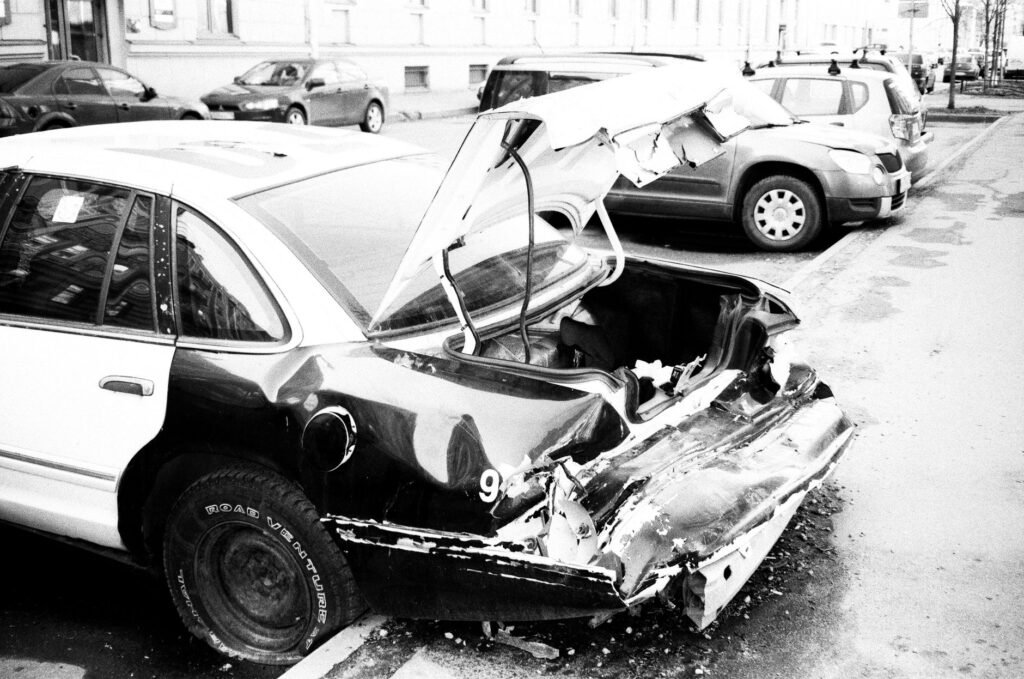
Understanding the differences between comprehensive vs collision insurance in Nevada is essential for making informed decisions about your car coverage types in Nevada. While collision insurance is specifically designed to protect against damages from accidents, comprehensive insurance covers a wider range of incidents, including theft and natural disasters. Evaluating your individual needs and circumstances will help you choose the right Nevada insurance options for your situation.
When selecting your coverage, consider factors such as your vehicle’s value, your driving habits, and your budget. By taking the time to compare these car coverage types in Nevada, you can ensure you are adequately protected while also being cost-effective. For further guidance, consult with an insurance professional who can help you navigate through collision insurance explained, ensuring you make the best choice for your needs.
“`html
What is the difference between comprehensive and collision insurance in Nevada?
Comprehensive insurance covers damages to your vehicle from non-collision incidents, such as theft, vandalism, or natural disasters. Collision insurance, on the other hand, pays for repairs to your car after an accident, regardless of who is at fault. Understanding the differences between comprehensive vs collision insurance in Nevada is crucial for selecting the right coverage for your needs.
When should I get comprehensive insurance?
Consider getting comprehensive insurance if you own a newer or high-value vehicle, live in an area prone to natural disasters, or want peace of mind against theft and vandalism. It is especially beneficial if you have a loan on your car, as lenders often require this type of coverage to protect their investment.
Is collision insurance mandatory in Nevada?
No, collision insurance is not mandatory in Nevada. However, Nevada law requires drivers to have liability insurance, which covers damages to others in an accident you cause. While collision insurance is optional, it can be a wise choice if you want to protect your own vehicle from repair costs.
How do I choose between comprehensive and collision insurance?
Choosing between comprehensive and collision insurance depends on your vehicle’s value, your financial situation, and your risk tolerance. If your car is older and less valuable, you might opt for only liability coverage. If you have a newer vehicle or frequently drive in high-risk areas, a combination of both may provide better financial security.
What factors affect the cost of comprehensive and collision insurance?
The cost of comprehensive and collision insurance in Nevada is influenced by several factors, including your driving history, the type and age of your vehicle, location, and the deductible you choose. Insurance companies also consider your credit score and previous claims when determining your premium rates.
Can I have both comprehensive and collision insurance?
Yes, you can have both comprehensive and collision insurance policies on your vehicle. Many car owners choose this option to ensure full protection against a wide range of risks. This combination offers a robust safety net, covering damages from accidents as well as non-collision-related incidents.
“`