
When it comes to understanding comprehensive vs collision coverage Nevada, navigating the realm of Nevada insurance types can be challenging. This article aims to demystify the distinctions between these two crucial car insurance coverage options, helping you make informed decisions tailored to your needs. We will delve into the key differences in comprehensive and collision coverage Nevada offers, explaining how each type protects your vehicle under various circumstances. Additionally, we will provide guidance on choosing the right coverage options that fit your lifestyle and budget. Common questions regarding comprehensive vs collision coverage Nevada will also be addressed, ensuring you have a well-rounded understanding of car insurance explained. By the end of this article, you’ll be equipped with the knowledge necessary to select the best coverage for your unique situation. For more details on Nevada insurance types, you can refer to the Nevada Department of Insurance.
Understanding Comprehensive vs Collision Coverage in Nevada
When navigating comprehensive vs collision coverage in Nevada, it’s essential to understand the unique features of each type of insurance. Both are critical components of your car insurance policy, but they serve different purposes and apply in different scenarios.
What is Comprehensive Coverage?
Comprehensive coverage is designed to protect your vehicle from non-collision-related incidents. This includes damages caused by events such as theft, vandalism, natural disasters, and animal strikes. For example, if a hailstorm damages your car or your vehicle is stolen, comprehensive insurance would cover the repair or replacement costs.
In Nevada, this coverage is particularly relevant due to the state’s diverse weather conditions and wildlife. Comprehensive coverage is one of the essential Nevada insurance types that drivers should consider to safeguard their investments against unexpected events.
What is Collision Coverage?
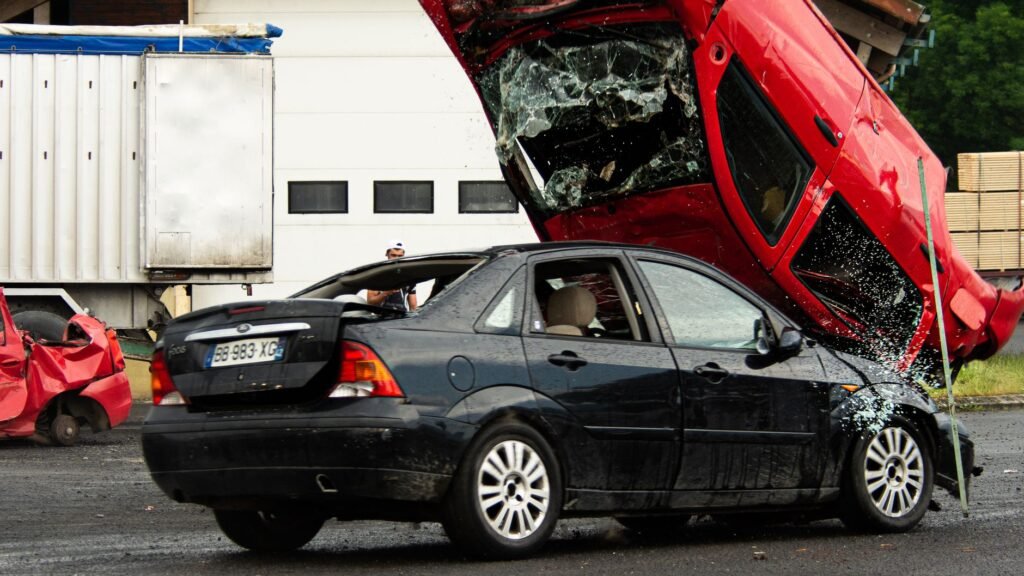
In contrast, collision coverage provides protection for damages resulting from accidents involving your vehicle, regardless of fault. If you collide with another car, a tree, or any stationary object, collision coverage will help pay for the repairs or replacement of your vehicle. For instance, if you accidentally hit a guardrail, collision insurance would cover the repair costs.
In Nevada, many drivers opt for collision coverage as part of their car insurance explained, especially considering the state’s growing traffic and the potential for accidents. This type of coverage can be invaluable in minimizing out-of-pocket expenses after an accident.
Ultimately, understanding the differences between comprehensive and collision coverage is crucial for making informed decisions about your insurance policy. Having both coverage options can provide comprehensive protection for your vehicle, helping you to navigate the risks associated with driving in Nevada.
Key Differences in Comprehensive vs Collision Coverage Nevada
Coverage Scope of Comprehensive Insurance
Comprehensive insurance is designed to cover damages to your vehicle that occur outside of a collision. This type of coverage is particularly beneficial in Nevada, where natural disasters, theft, and vandalism can pose significant risks. For example, if your car is damaged by a flood during a monsoon season or stolen from a parking lot, comprehensive coverage would handle the costs. According to the Nevada Department of Motor Vehicles, theft and vandalism claims account for a notable percentage of vehicle-related insurance claims in the state, emphasizing the importance of this coverage option.
Coverage Scope of Collision Insurance
In contrast, collision insurance covers the costs associated with damage to your vehicle resulting from a collision with another vehicle or object, regardless of fault. For instance, if you collide with another car at a busy intersection in Las Vegas, collision coverage would help you pay for the repairs to your vehicle. Statistics show that Nevada sees a high volume of traffic-related incidents, with nearly 55,000 crashes reported annually, making collision insurance a vital part of car insurance explained for many drivers in the state.
When considering comprehensive vs collision coverage Nevada, it is essential to evaluate your personal driving habits and risks. If you frequently travel in areas prone to severe weather or high traffic, both types of coverage may provide peace of mind. Understanding these coverage options can help you make an informed decision about the appropriate Nevada insurance types for your needs.

Choosing the Right Coverage Options in Nevada
When it comes to selecting insurance for your vehicle, understanding the differences between comprehensive vs collision coverage Nevada is crucial. Both coverage types serve distinct purposes, and choosing the right one can significantly impact your financial protection on the road.
Factors to Consider When Choosing
Several factors should guide your decision-making process when selecting between comprehensive and collision coverage:
- Vehicle Value: If you own a high-value car, comprehensive coverage can protect you from losses due to theft or damage from non-collision incidents, such as natural disasters. Conversely, if you have an older vehicle, you might consider minimizing coverage to save on premiums.
- Driving Habits: Evaluate your driving patterns. If you frequently drive in high-traffic areas or harsh weather conditions, comprehensive coverage may be beneficial. For those who mostly drive in safe conditions, collision coverage might suffice.
- Financial Situation: Assess your budget for insurance premiums and deductibles. A higher deductible usually results in lower premiums, but ensure you can afford the out-of-pocket expense if you need to file a claim.
- Regulatory Requirements: Familiarize yourself with Nevada insurance types and state regulations regarding minimum coverage. Nevada requires liability insurance, but comprehensive and collision coverage are optional.

Cost Implications of Each Coverage Type
The cost of comprehensive and collision coverage can vary significantly based on several variables, including your vehicle’s make and model, your driving history, and the deductible you choose. On average, comprehensive coverage tends to be more expensive than collision coverage due to its broader protection scope.
When evaluating the cost, consider the following:
- Premiums: Comprehensive coverage typically costs around 10 to 15 percent of your total car insurance premium. Collision coverage can be less expensive but may not cover as many risks.
- Deductibles: Higher deductibles can lower your premium but increase your out-of-pocket costs in the event of a claim. Balance your deductible choice based on your financial readiness and risk tolerance.
Ultimately, the choice between comprehensive vs collision coverage in Nevada should be based on your individual needs, vehicle type, and financial situation. Understanding these coverage options will empower you to make informed decisions about your car insurance.
Common Questions about Comprehensive vs Collision Coverage Nevada
What does comprehensive insurance cover in Nevada?
Comprehensive insurance in Nevada protects you against a variety of non-collision incidents. This includes damage to your vehicle caused by natural disasters, theft, vandalism, falling objects, and animal strikes. Essentially, it covers events that are outside your control, ensuring that you’re not left with hefty repair bills or replacement costs. When considering comprehensive vs collision coverage Nevada, it’s important to evaluate your risk factors and driving environment. If you live in an area prone to severe weather or high theft rates, comprehensive coverage may be particularly valuable.
Is collision coverage mandatory in Nevada?
Collision coverage is not mandated by Nevada law; however, it is often required by lenders if you finance or lease your vehicle. Collision insurance covers damage to your car resulting from a collision with another vehicle or object, regardless of fault. While it might not be compulsory for all drivers, it serves as a crucial protection for those who want to ensure their investment is safeguarded. Understanding the various Nevada insurance types can help you make informed decisions about your coverage options.
As you compare comprehensive vs collision coverage Nevada, consider your personal circumstances, such as the age and value of your car, your driving habits, and your financial situation. If you have any specific questions about these coverage types or how they apply to your situation, feel free to reach out in the comments below. Engaging with your community can help clarify any uncertainties you may have.

Conclusion: Making Informed Choices on Insurance Coverage
Understanding the differences between comprehensive vs collision coverage in Nevada is essential for making informed decisions about your car insurance policy. Throughout this article, we have explored the key distinctions and purposes of these two coverage options, emphasizing their importance in protecting you from financial loss due to various incidents.
Comprehensive coverage protects against risks like theft, vandalism, and natural disasters, while collision coverage specifically addresses damages resulting from accidents with other vehicles or objects. By assessing your personal circumstances, such as your vehicle’s value, driving habits, and budget, you can determine which coverage options best suit your needs.
Moreover, it is crucial to remain aware of the various Nevada insurance types available to you. Researching and understanding these options will help you avoid gaps in coverage and ensure that you are adequately protected on the road. As detailed in the Nevada DMV website, drivers are required to carry liability insurance, but comprehensive and collision coverages are optional, making them valuable considerations for many vehicle owners.
By considering the factors discussed, including your driving environment and the financial implications of potential accidents, you can make educated decisions regarding your insurance policy. For a comprehensive understanding of your choices, it may be beneficial to consult an insurance agent or utilize resources that explain car insurance in detail. This will further aid in clarifying your needs and ensuring that you have the right coverage in place.
Ultimately, the right insurance coverage can provide peace of mind, knowing you are protected against unforeseen events. As you weigh your options regarding comprehensive vs collision coverage in Nevada, take the time to review your policy and make adjustments as necessary, ensuring you are properly covered for any situation that may arise.
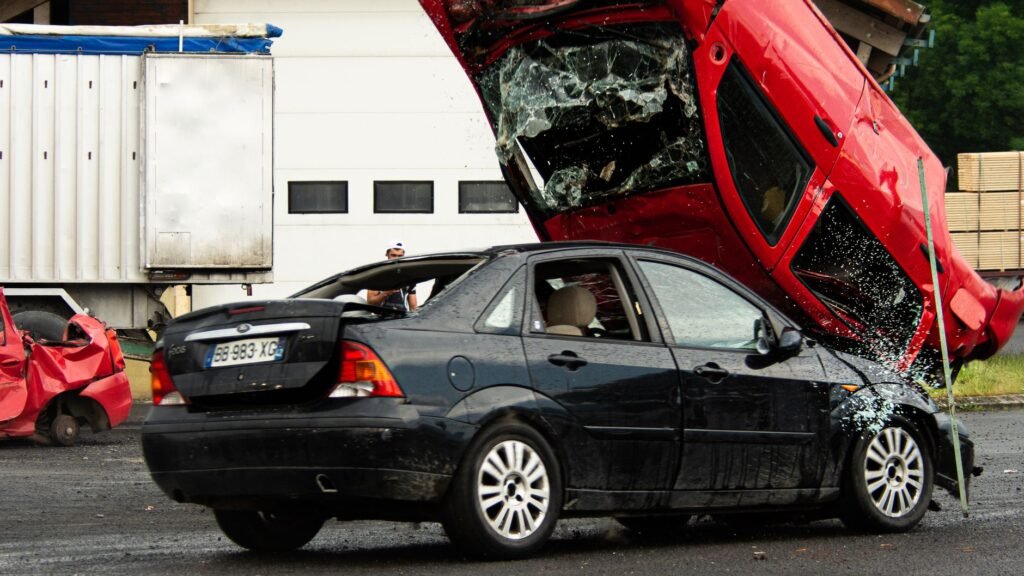
Understanding the differences between comprehensive vs collision coverage in Nevada is essential for every vehicle owner. These Nevada insurance types serve distinct purposes, and knowing how they protect you can help you make informed decisions tailored to your needs. While comprehensive coverage safeguards against non-collision-related incidents such as theft and natural disasters, collision coverage focuses on damages resulting from accidents, regardless of fault. An informed choice can lead to better financial security and peace of mind.
As you explore your coverage options, it’s crucial to assess your personal circumstances and driving habits. Whether you are new to car insurance or seeking to adjust your policy, understanding how each type of coverage operates is vital. For a more detailed look at your specific situation, consider consulting with an insurance professional who can help you navigate and compare these options effectively. Equip yourself with the knowledge from this car insurance explained guide, and take the next step towards securing the right coverage for your vehicle in Nevada.
“`html
What is the difference between comprehensive and collision coverage?
Comprehensive coverage protects against damages to your vehicle that are not caused by a collision, such as theft, vandalism, or natural disasters. Collision coverage, on the other hand, pays for damages to your car resulting from an accident, regardless of fault. Understanding the differences between these two types of coverage is crucial when considering comprehensive vs collision coverage Nevada, as it helps you choose the appropriate insurance for your needs.
Is comprehensive coverage worth it in Nevada?
Yes, comprehensive coverage can be worth it in Nevada, especially if you own a newer or higher-value vehicle. Nevada’s diverse weather conditions and the risk of theft in urban areas make comprehensive coverage a valuable option. It provides peace of mind knowing your vehicle is protected against a range of potential risks. Evaluate your vehicle’s value and your financial situation to determine if this coverage aligns with your needs.
How much does collision coverage cost in Nevada?
The cost of collision coverage in Nevada varies based on several factors, including your vehicle’s make and model, your driving history, and the deductible you choose. On average, you might pay anywhere from $300 to $1,000 annually for collision coverage. To get the best rates, it’s advisable to shop around and compare quotes from different insurance providers.
Does collision coverage cover theft?
No, collision coverage does not cover theft. It is specifically designed to cover damages resulting from accidents. If your vehicle is stolen, you will need comprehensive coverage to file a claim. Comprehensive coverage protects against non-collision-related incidents, including theft, vandalism, and natural disasters, making it essential for full protection.
Are there any exclusions in comprehensive coverage?
Yes, comprehensive coverage does have exclusions. Common exclusions include damages caused by wear and tear, mechanical failure, or intentional damage. Additionally, if your vehicle is used for commercial purposes or racing, it may not be covered. Always read your policy carefully and discuss any concerns with your insurance agent to understand the specific exclusions that may apply.
How can I lower my car insurance premiums in Nevada?
To lower your car insurance premiums in Nevada, consider increasing your deductible, maintaining a good driving record, and taking advantage of discounts for bundled policies or safe driving courses. Additionally, regularly reviewing your coverage options and comparing quotes from different insurers can help you find better rates. Being proactive about your insurance choices can lead to significant savings over time.
“`