The debate over comprehensive vs collision insurance in Nevada is crucial for every vehicle owner looking to protect their investment. Understanding the key differences between these two coverage types can significantly impact your financial security on the road. This article will explore the nuances of comprehensive coverage Nevada and collision coverage Nevada, highlighting how each type serves different needs and circumstances. Additionally, we will guide you through the process of choosing the right coverage based on your unique situation, providing insights into various Nevada insurance types available. For those seeking clarity, our FAQs section will address common questions surrounding comprehensive vs collision insurance in Nevada, ensuring you have all the information necessary to make an informed decision. Whether you are a new driver or simply looking to update your policy, understanding these insurance options is essential for navigating the complexities of vehicle protection in the Silver State. For more detailed information, consider visiting the Nevada Department of Insurance.
Understanding Comprehensive vs Collision Insurance in Nevada
What is Comprehensive Insurance?
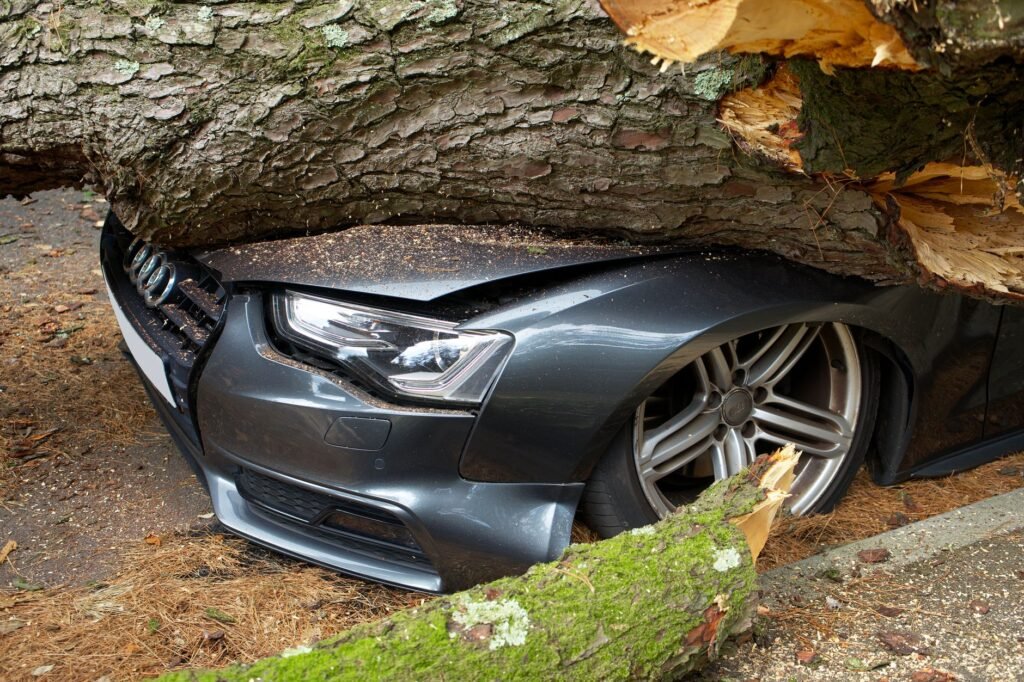
Comprehensive insurance is designed to cover damages to your vehicle that are not the result of a collision. This can include a variety of incidents such as theft, vandalism, fire, natural disasters, and animal strikes. In Nevada, where desert storms, hail, and even wildfires can occur, having comprehensive coverage Nevada is particularly valuable. For example, if a hailstorm damages your car, comprehensive insurance would help cover the repairs.
What is Collision Insurance?
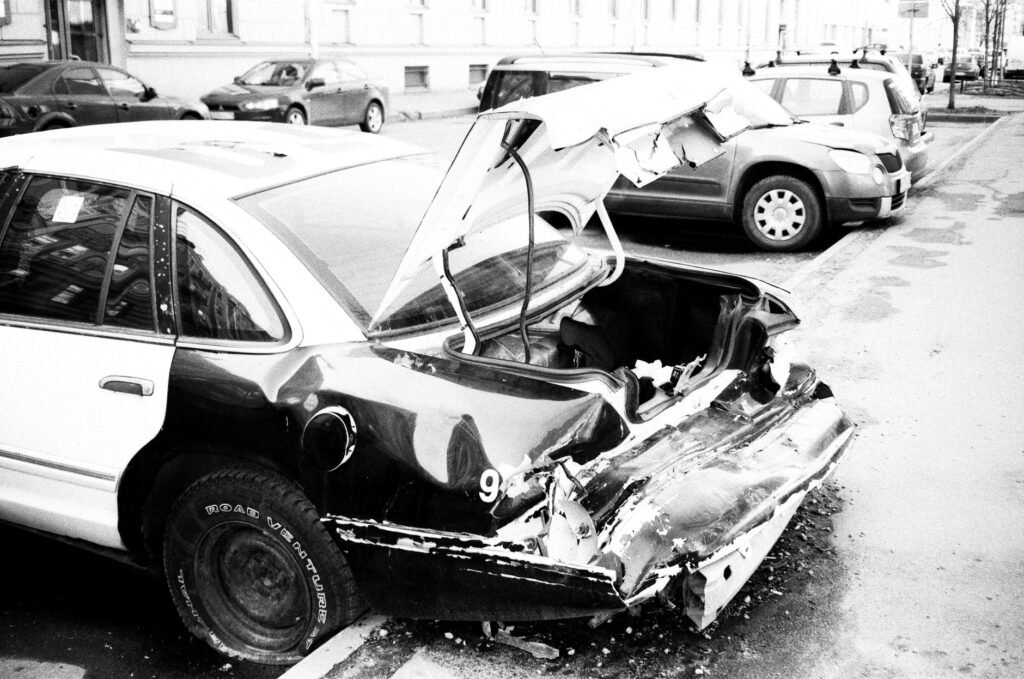
Collision insurance, on the other hand, specifically covers damage to your vehicle resulting from a collision, regardless of fault. This means if you hit another car or a stationary object, your collision coverage would kick in to help pay for repairs. In Nevada, where traffic can be heavy, understanding collision coverage Nevada is essential, as accidents can occur frequently. For instance, if you were to rear-end another vehicle on the busy Las Vegas Strip, collision insurance would cover the cost of repairing your car.
When comparing comprehensive vs collision insurance Nevada, it’s crucial to consider the unique risks associated with driving in the state. While comprehensive insurance protects against non-collision incidents, collision insurance is vital for accident-related damages. Both types of coverage play significant roles in safeguarding your vehicle and finances, especially in a state with diverse weather conditions and high traffic volumes.
To ensure you have the right protection, review your options for these Nevada insurance types and discuss with your insurance agent what coverage best suits your needs. Understanding these coverages not only helps you make informed choices but can also save you money in the long run.
Key Differences Between Comprehensive and Collision Coverage in Nevada
Coverage Scenarios: Comprehensive vs Collision Insurance Nevada
When considering comprehensive vs collision insurance Nevada, understanding the specific scenarios each coverage type addresses is crucial. Comprehensive coverage, also known as “other than collision,” protects your vehicle from damages not involving a collision. This includes incidents like theft, vandalism, natural disasters, and animal strikes. For example, if a hailstorm damages your car, comprehensive coverage would cover the repair costs.
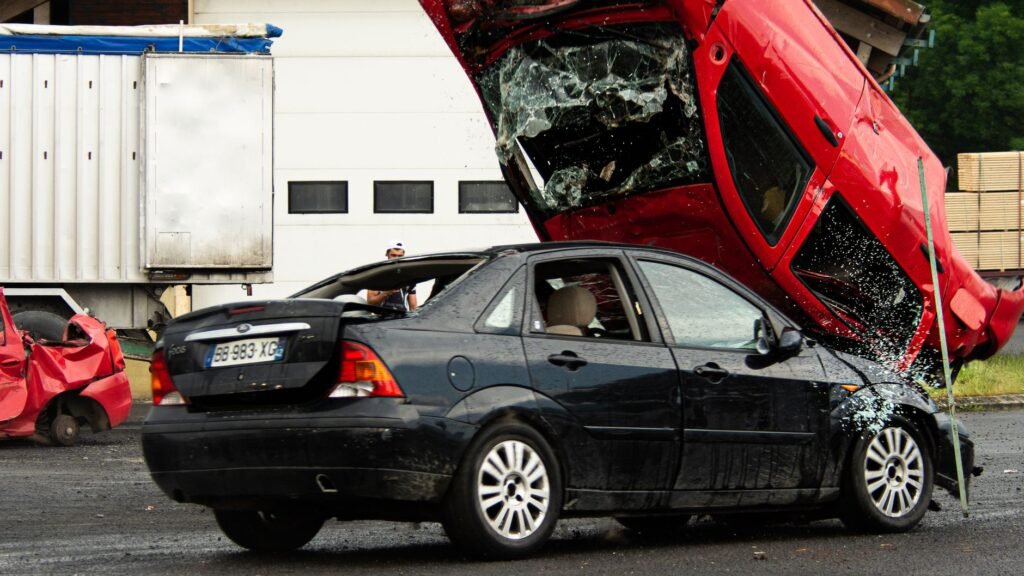
In contrast, collision coverage Nevada specifically covers damages resulting from a collision with another vehicle or object, regardless of fault. This includes accidents where you hit a guardrail or another car. If you are involved in a minor fender bender, collision coverage would help pay for repairs, allowing you to get back on the road quickly.
Cost Considerations for Nevada Insurance Types
When evaluating comprehensive coverage Nevada versus collision coverage, premium costs can vary significantly based on several factors. These include your vehicle type, its age, and your driving history. High-value vehicles typically incur higher premiums due to the increased cost of repairs or replacement. Additionally, where you live in Nevada can affect your rates; urban areas may see higher premiums due to increased traffic and accident rates compared to rural locations.
A common misconception is that collision coverage is more expensive than comprehensive coverage. However, the cost of each can depend on personal circumstances. For instance, a driver with a clean driving record may find that the premiums for both coverages are relatively similar, while those with a history of accidents may face higher costs overall.
Understanding the differences between these insurance types is essential for making informed decisions about your auto insurance policy. Always consider your unique situation and consult with an insurance professional to determine the best coverage for your needs. For more detailed information, you can read about Full Coverage vs Liability Insurance in Nevada.
Choosing the Right Coverage: Comprehensive vs Collision Insurance in Nevada
Assessing Your Needs for Comprehensive vs Collision Insurance in Nevada
When deciding between comprehensive and collision insurance in Nevada, it is crucial to assess your specific needs. Start by considering the age and value of your vehicle. If you have an older car, the cost of comprehensive coverage might exceed its value, making collision coverage Nevada a more sensible choice. Conversely, if your vehicle is new and holds significant value, investing in comprehensive coverage Nevada can protect you against a broader range of risks, including theft, vandalism, and natural disasters.
Next, evaluate your driving habits. If you frequently drive in high-traffic areas or live in a location prone to extreme weather, you may want to lean towards comprehensive coverage. This type of insurance can provide peace of mind by covering damages not caused by collisions. Additionally, consider your risk tolerance. If you prefer to minimize potential out-of-pocket expenses for unexpected incidents, comprehensive insurance may be the right option for you.
Budgeting for Insurance: Making Informed Choices
Budgeting is a critical aspect when selecting the right Nevada insurance types. Start by comparing the costs of comprehensive vs collision insurance in Nevada. Generally, comprehensive insurance premiums are higher than those for collision coverage due to the wider range of protections they offer. To make an informed decision, gather quotes from multiple insurers and evaluate the coverage limits and deductibles associated with each policy.
When budgeting for insurance, it is also essential to consider potential discounts. Many insurance companies offer savings for safe driving records, bundled policies, and vehicle safety features. Ensure you ask about these options when obtaining quotes.
- Evaluate vehicle value and age.
- Consider driving habits and environment.
- Compare premiums and coverage options.
- Inquire about available discounts.
By thoroughly assessing your needs and budgeting wisely, you can choose the right coverage that aligns with your financial situation and personal circumstances, ensuring you are adequately protected on Nevada roads.

Understanding Nevada Insurance Types: What You Need to Know
Legal Requirements for Comprehensive vs Collision Insurance in Nevada
Nevada law mandates that all drivers carry a minimum level of car insurance. Specifically, the required coverage includes liability insurance with limits of $25,000 for bodily injury per person, $50,000 for total bodily injury per accident, and $20,000 for property damage. These legal requirements are designed to protect both drivers and other parties in the event of an accident.
While these basic liability coverages are necessary, they don’t cover damages to your own vehicle. This is where comprehensive and collision coverage come into play. Understanding comprehensive vs collision insurance in Nevada is essential as they represent two important types of optional coverage that enhance your protection and are part of the broader category of Nevada insurance types.
Collision coverage Nevada specifically covers damages to your car resulting from a collision, regardless of who is at fault. On the other hand, comprehensive coverage Nevada protects against non-collision-related incidents, such as theft, vandalism, or natural disasters. These options can be vital for complete peace of mind.

Optional Coverage Options to Consider
In addition to the mandatory liability insurance, Nevada offers various optional coverage options that can further protect you and your vehicle. Some of these include:
- Uninsured/Underinsured Motorist Coverage: This protects you if you are involved in an accident with a driver who does not have insurance or lacks sufficient coverage.
- Medical Payments Coverage: This covers medical expenses for you and your passengers in the event of an accident, regardless of fault.
- Rental Reimbursement: If your vehicle is being repaired after a covered loss, this coverage helps pay for a rental car.
Choosing the right mix of these options, alongside your comprehensive and collision coverage, can significantly improve your financial security on the road. Always evaluate your needs and consult with your insurance provider to tailor your policy effectively. For more insights on coverage options, consider exploring Full Coverage vs. Liability Car Insurance in Nevada.
FAQs About Comprehensive vs Collision Insurance in Nevada
Deciding between comprehensive and collision insurance can be challenging, especially with various Nevada insurance types available. Here, we address common questions to help clarify the distinctions and guide your decision-making process regarding comprehensive vs collision insurance in Nevada.
What is the primary difference between comprehensive and collision insurance in Nevada?
Comprehensive coverage in Nevada protects your vehicle against non-collision incidents, such as theft, vandalism, or natural disasters. Conversely, collision coverage in Nevada covers damages resulting from accidents, regardless of fault. Understanding these differences can help you choose the right policy for your needs.
When should I opt for comprehensive vs collision insurance in Nevada?
If you own a new or high-value vehicle, both types of coverage are advisable to protect your investment. However, if your vehicle is older or has a low market value, you might consider skipping comprehensive coverage to save on premiums. Always evaluate your specific situation and consult with an insurance agent for personalized advice.
Is comprehensive insurance required in Nevada?
While Nevada law does not mandate comprehensive coverage, it is often required by lenders if you are financing or leasing your vehicle. Collision coverage is also not mandatory but is highly recommended for financial protection in the event of an accident.
How do I determine the right amount of coverage?
Assess your vehicle’s value, your financial situation, and your risk tolerance. A higher deductible can lower your premium, but it also means more out-of-pocket expenses in the event of a claim. Use online tools or speak with an insurance agent to find a balance that works for you.
What factors affect my premiums for comprehensive and collision insurance?
Several factors influence your premiums, including your driving history, the make and model of your vehicle, and the amount of coverage you choose. Additionally, your location in Nevada can impact rates due to varying risk levels associated with theft or accidents in different areas.
For further guidance on selecting the best policy for your circumstances, consider exploring Full Coverage vs Liability Insurance in Nevada: A Guide or consulting a local insurance agent.
Understanding the differences between comprehensive vs collision insurance in Nevada is essential for making informed decisions about your coverage. Each option serves distinct purposes, with comprehensive coverage protecting against non-collision incidents, while collision coverage Nevada focuses on damage from accidents. Evaluating your specific needs and financial situation will help you choose the right Nevada insurance types for your situation.
As you consider your options, remember that both comprehensive coverage Nevada and collision coverage Nevada are vital components of a well-rounded auto insurance policy. Assessing your driving habits, vehicle value, and potential risks can guide you toward the most suitable coverage. For personalized advice and to explore potential savings, connect with a local insurance agent who can provide tailored recommendations based on your unique circumstances.
“`html
What is the difference between comprehensive and collision insurance?
Comprehensive insurance covers damages to your vehicle not involving a collision, such as theft, vandalism, or natural disasters. Collision insurance, on the other hand, pays for repairs to your car after an accident with another vehicle or object. Understanding these differences is crucial when considering comprehensive vs collision insurance in Nevada.
Do I need both comprehensive and collision coverage in Nevada?
While it is not legally required to have both comprehensive and collision coverage in Nevada, having both can provide you with greater financial protection. If you have a newer or more valuable vehicle, it is often advisable to opt for both types of coverage to safeguard against various risks.
How much does comprehensive insurance cost in Nevada?
The cost of comprehensive insurance in Nevada can vary greatly based on factors such as your vehicle’s value, your driving history, and the insurer. On average, comprehensive coverage may range from $100 to $300 annually. Comparing quotes from different insurers can help you find the best rates for comprehensive coverage Nevada.
What does collision coverage cover in Nevada?
Collision coverage in Nevada pays for damages to your vehicle resulting from a collision with another car or object, regardless of who is at fault. This includes accidents with other vehicles, potholes, and even collisions with stationary objects. It’s essential for protecting your investment if you rely on your vehicle for daily transportation.
Are there minimum insurance requirements in Nevada?
Yes, Nevada requires drivers to carry minimum liability insurance, which includes $25,000 for bodily injury per person, $50,000 per accident, and $20,000 for property damage. While comprehensive and collision coverage are not mandatory, having them can offer additional peace of mind and protection.
How can I lower my insurance premiums in Nevada?
To lower your insurance premiums in Nevada, consider increasing your deductibles, maintaining a clean driving record, and bundling policies with the same insurer. Additionally, taking advantage of discounts for safe driving, low mileage, or enrolling in defensive driving courses can significantly reduce your overall costs.
“`