
When considering full coverage vs liability insurance in Nevada, it is essential to understand the nuances that differentiate these two types of car insurance. This guide will explore the key differences between full coverage and liability insurance, helping you make informed decisions about your needs. We will delve into the benefits of choosing full coverage insurance, outlining why it may be the best car insurance coverage for those seeking comprehensive protection. Conversely, we will discuss scenarios where liability insurance might suffice, offering clarity on when minimal coverage is appropriate. Additionally, we will provide insights into Nevada car insurance comparison tools and resources, ensuring that you are well-equipped to make the right choice. By the end of this article, you will have a clearer understanding of full coverage vs liability insurance in Nevada, empowering you to select the insurance policy that best fits your lifestyle and financial situation. For a thorough breakdown of the terms, we will also include liability insurance explained to enhance your comprehension.
Understanding Full Coverage vs Liability Insurance in Nevada
When navigating the options of full coverage vs liability insurance in Nevada, it is essential to understand the distinctions between these two types of car insurance. Each type serves specific needs and has its own legal implications in the state.
What is Full Coverage Insurance?
Full coverage insurance typically refers to a policy that combines both liability insurance and additional coverages that protect your own vehicle. In Nevada, full coverage generally includes:
- Liability Coverage: This covers damages you cause to others in an accident.
- Collision Coverage: This pays for damage to your vehicle resulting from a collision, regardless of fault.
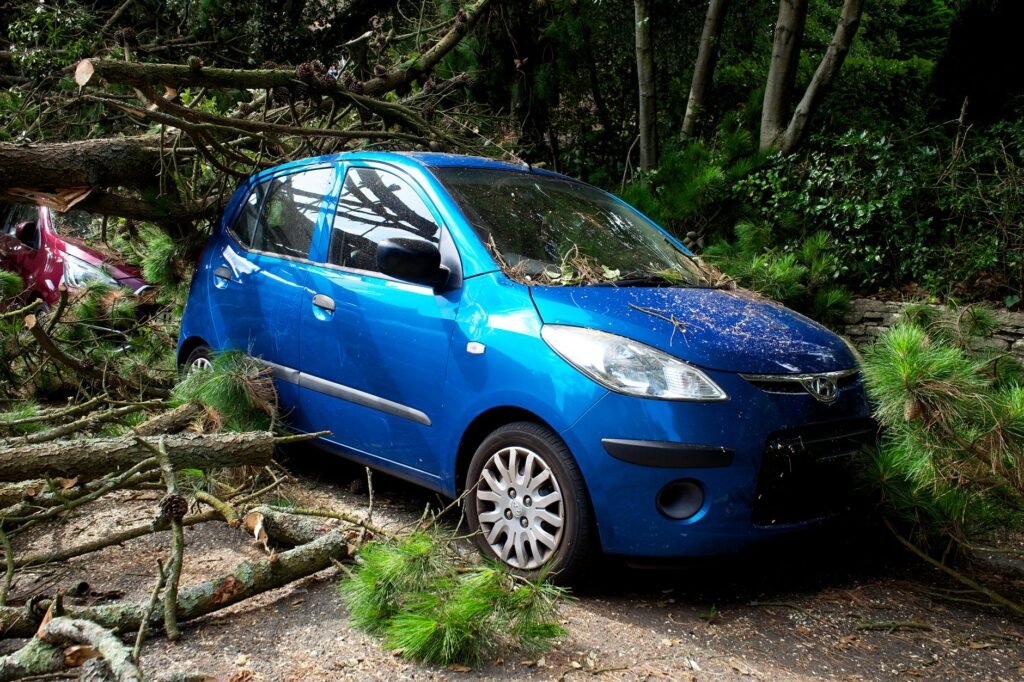
- Comprehensive Coverage: This protects against non-collision incidents, such as theft, vandalism, or natural disasters.
Having full coverage is especially important in Nevada, where the risk of accidents can be high, and repairs or replacements can be costly. It is often considered one of the best car insurance coverage options for those who want peace of mind.
What is Liability Insurance?
Liability insurance, as the name suggests, covers the legal liabilities you incur if you cause an accident. In Nevada, drivers are required by law to carry minimum liability insurance, which includes:
- Bodily Injury Liability: Covers medical expenses for injuries to others.
- Property Damage Liability: Covers costs associated with damage to someone else’s property.
The minimum required limits in Nevada are $25,000 for bodily injury per person, $50,000 per accident, and $20,000 for property damage. This is a crucial aspect of liability insurance explained, as it ensures that you are financially responsible for damages caused to others. For a comprehensive understanding of your options, consider a Nevada car insurance comparison to find the best coverage for your needs.

Key Differences: Full Coverage vs Liability Insurance Nevada
Financial Protection Offered
When comparing full coverage vs liability insurance Nevada, understanding the financial protection each type offers is crucial. Liability insurance covers damages to other vehicles and medical expenses for injuries you cause in an accident, but it does not cover your own vehicle. For instance, Nevada requires a minimum liability coverage of $25,000 for bodily injury per person, $50,000 per accident, and $20,000 for property damage. If you were to cause an accident with damages exceeding these limits, you would be personally responsible for the remaining costs.
On the other hand, full coverage insurance includes liability, comprehensive, and collision coverage, providing broader financial protection. This means that if your car is stolen or damaged in a non-collision incident (like a hailstorm), your insurance would help cover those costs. For example, the average cost of a new car repair in Nevada can range from $500 to over $1,500 depending on the damage, which can significantly impact your finances without adequate coverage.
Cost Comparison
When evaluating full coverage vs liability insurance Nevada, costs play a significant role. According to a 2022 report, the average annual premium for liability insurance in Nevada is around $700, while full coverage can average upwards of $1,500. This difference prompts many drivers to conduct a Nevada car insurance comparison to find the best car insurance coverage that fits their budget and needs.
While full coverage is more expensive, it might be more suitable for newer or higher-value vehicles, where repair or replacement costs can be substantial. Understanding the costs versus the potential risks involved is vital for making an informed decision.

Benefits of Choosing Full Coverage Insurance
Comprehensive Protection in Full Coverage vs Liability Insurance Nevada
When weighing full coverage vs liability insurance in Nevada, it’s essential to understand the extensive benefits that full coverage provides. Unlike liability insurance, which only covers damage to others and their property, full coverage insurance protects you from a variety of risks. This includes accidents, natural disasters, and theft, providing a safety net for both you and your vehicle.
For instance, if your car is damaged in a hailstorm or stolen from your driveway, full coverage will cover the repair or replacement costs, offering financial relief that liability insurance simply cannot. According to the Insurance Information Institute, comprehensive coverage can save drivers significant out-of-pocket expenses in the event of unforeseen incidents.
Peace of Mind with Full Coverage Insurance
Another advantage of full coverage insurance is the peace of mind it provides. Knowing that you are protected against a wide range of potential losses can alleviate anxiety while driving. This is especially valuable for individuals who rely heavily on their vehicles for daily activities or for those who own high-value cars. For many drivers, full coverage is considered the best car insurance coverage due to its all-encompassing nature.
Furthermore, in a Nevada car insurance comparison, full coverage often emerges as the most suitable option for those who frequently travel or live in areas prone to severe weather conditions. This protective layer can be crucial in avoiding significant financial setbacks that might arise from accidents or natural disasters.

the benefits of full coverage insurance extend beyond mere financial protection, providing drivers with confidence and security on the road. To better understand the nuances of your options, it’s helpful to delve deeper into liability insurance explained and how it compares with full coverage policies.
When Liability Insurance Might Be Enough
Choosing between full coverage vs liability insurance in Nevada often hinges on your individual circumstances. For some drivers, liability insurance could be sufficient, particularly in specific situations.
Lower Premiums
One of the most compelling reasons to consider liability insurance is its affordability. With lower premiums compared to full coverage, liability insurance explained means you are only paying for coverage that protects others in case of an accident you cause. This is especially attractive for those on a budget or who prioritize saving on their monthly expenses. In fact, many drivers find that opting for liability coverage allows them to allocate funds to other essential areas of their lives, making it a practical choice.
Full Coverage vs Liability Insurance in Nevada: Ideal for Older Vehicles
If you own an older vehicle, liability insurance might be all you need. As cars age, their market value typically decreases, which can make the cost of full coverage disproportionate to the vehicle’s worth. If the cost to repair or replace your older car exceeds its current value, maintaining full coverage may not be financially wise. In these cases, liability insurance provides the necessary legal coverage while keeping costs manageable.
Additionally, if you rarely use your vehicle, liability insurance can serve as a smart option. Since Nevada mandates minimum liability coverage to comply with state laws, drivers can remain compliant without incurring the higher costs associated with full coverage. This makes liability insurance a viable option for occasional drivers or those who primarily utilize alternative transportation methods.
Ultimately, whether you choose liability insurance or full coverage depends on your specific needs and situation. For a comprehensive overview of your options, consider a Nevada car insurance comparison to find the best car insurance coverage that suits your lifestyle.

Making the Right Choice: Full Coverage vs Liability Insurance in Nevada
Assessing Your Needs for Full Coverage vs Liability Insurance in Nevada
Choosing between full coverage and liability insurance in Nevada requires a careful assessment of your personal needs. Start by evaluating your financial situation, the value of your vehicle, and your driving habits. If you drive a new or high-value car, full coverage may be more suitable, as it protects against a wider range of incidents, including theft and comprehensive damages. On the other hand, if you own an older vehicle, liability insurance may suffice, covering damages to other vehicles and medical expenses in the event of an accident without the added costs of full coverage.
Consider your risk tolerance as well. If you prefer peace of mind knowing that you are protected against various scenarios, full coverage is likely the best choice. However, if you are comfortable with taking on some financial risk and are looking for lower premiums, liability insurance could be appropriate. For a detailed comparison of options, you can conduct a Nevada car insurance comparison to see how different policies stack up against each other.
Consulting with Insurance Agents for Tailored Advice
Once you’ve assessed your needs, consulting with insurance professionals can provide valuable insights tailored to your situation. Insurance agents can explain the nuances of liability insurance and help you understand what constitutes the best car insurance coverage for you. They can also clarify liability insurance explained, ensuring that you grasp the implications of each policy type.
Seek out agents who can offer personalized recommendations based on both your driving history and your financial circumstances. Ask them to outline the benefits and drawbacks of full coverage vs liability insurance in Nevada to help you make an informed decision. Remember, the right insurance policy is not just about meeting legal requirements; it’s about ensuring that you and your assets are adequately protected.
By taking these actionable steps, you can confidently choose between full coverage and liability insurance, ensuring that you select a policy that best fits your needs and circumstances.
Conclusion: Choosing the Right Insurance for You
Understanding the differences between full coverage and liability insurance is essential for every Nevada driver. With the right knowledge, you can make informed decisions that align with your specific needs and financial situation. Full coverage vs liability insurance in Nevada can significantly impact your financial security and peace of mind while on the road.
When considering your options, evaluate your vehicle’s value, your driving habits, and your budget. Full coverage typically offers the best car insurance coverage, protecting against a wider range of incidents, including theft and weather damage. Conversely, liability insurance explained emphasizes coverage for damages you may cause to others, which is often a more affordable option but provides limited protection for your own vehicle.
For many drivers, a Nevada car insurance comparison can help clarify the benefits and drawbacks of each type of coverage. Take the time to assess your risks and priorities. If you have a newer or more valuable car, full coverage might be the best choice for you. On the other hand, if your vehicle is older and less valuable, liability insurance may suffice.
Ultimately, the decision between full coverage and liability insurance should be tailored to your unique situation. Consider reaching out to an insurance agent to help navigate the complexities of your options. By making a well-informed choice, you will not only comply with state requirements but also ensure that you are adequately protected on the road.

Understanding the differences between full coverage and liability insurance in Nevada is essential for making an informed decision about your car insurance needs. While full coverage provides extensive protection, including collision and comprehensive coverage, liability insurance offers a more budget-friendly option that covers damages to others in accidents you cause. Knowing these distinctions can greatly influence your Nevada car insurance comparison, helping you identify the best car insurance coverage for your situation.
As you evaluate your options, consider your driving habits, vehicle value, and financial situation. If you frequently drive in busy areas or own a newer vehicle, full coverage may be worth the investment. For those who drive less or have an older car, liability insurance explained could mean significant savings. Take the time to assess your needs and gather quotes to find the right fit for you. Begin your journey toward securing the appropriate coverage by comparing the various policies available and selecting the one that best aligns with your financial and protection requirements.
“`html
What is the difference between full coverage and liability insurance in Nevada?
Full coverage insurance in Nevada generally includes liability coverage along with comprehensive and collision coverage. This means it pays for damages to your vehicle and others in case of an accident. Liability insurance, on the other hand, only covers damages you cause to other vehicles or injuries to other people. When considering full coverage vs liability insurance Nevada, think about your financial situation and how much risk you are willing to take.
Which type of insurance is cheaper in Nevada?
Liability insurance is typically cheaper than full coverage insurance in Nevada. This is because liability insurance only covers damages to other parties, while full coverage includes protection for your own vehicle as well. However, the final cost can vary based on factors like your driving history, the type of vehicle, and your coverage limits. It’s advisable to get a Nevada car insurance comparison to find the best rates.
Is full coverage worth it for older cars?
Whether full coverage is worth it for older cars depends on the vehicle’s value and your financial situation. If your car is worth less than the cost of full coverage, it may not be financially sensible to carry it. Many drivers opt for liability insurance on older cars, as it can provide adequate protection without the higher premiums associated with full coverage. Always assess your vehicle’s market value before deciding.
What does liability insurance cover in Nevada?
Liability insurance in Nevada covers damages you cause to other vehicles, property, and injuries to other people in an accident where you are at fault. It does not cover your own vehicle or your medical expenses. The minimum required coverage in Nevada is 25/50/20, which means $25,000 for bodily injury per person, $50,000 for total bodily injury per accident, and $20,000 for property damage. For a detailed breakdown, consider exploring liability insurance explained.
How can I find the best car insurance coverage in Nevada?
To find the best car insurance coverage in Nevada, start by comparing quotes from multiple insurers online or through an insurance broker. Look for customer reviews and ratings to gauge the service quality. Consider factors such as coverage options, deductibles, and premium costs. Additionally, take advantage of any discounts offered for safe driving records or bundling policies. Doing thorough research will help ensure you get value for your money.
What are the minimum insurance requirements in Nevada?
The minimum insurance requirements in Nevada are 25/50/20. This means that drivers must carry at least $25,000 for bodily injury per person, $50,000 for total bodily injury per accident, and $20,000 for property damage. While these are the legal minimums, many drivers choose higher limits for better protection. It’s important to evaluate your needs and consider additional coverage options to protect yourself adequately.
“`