
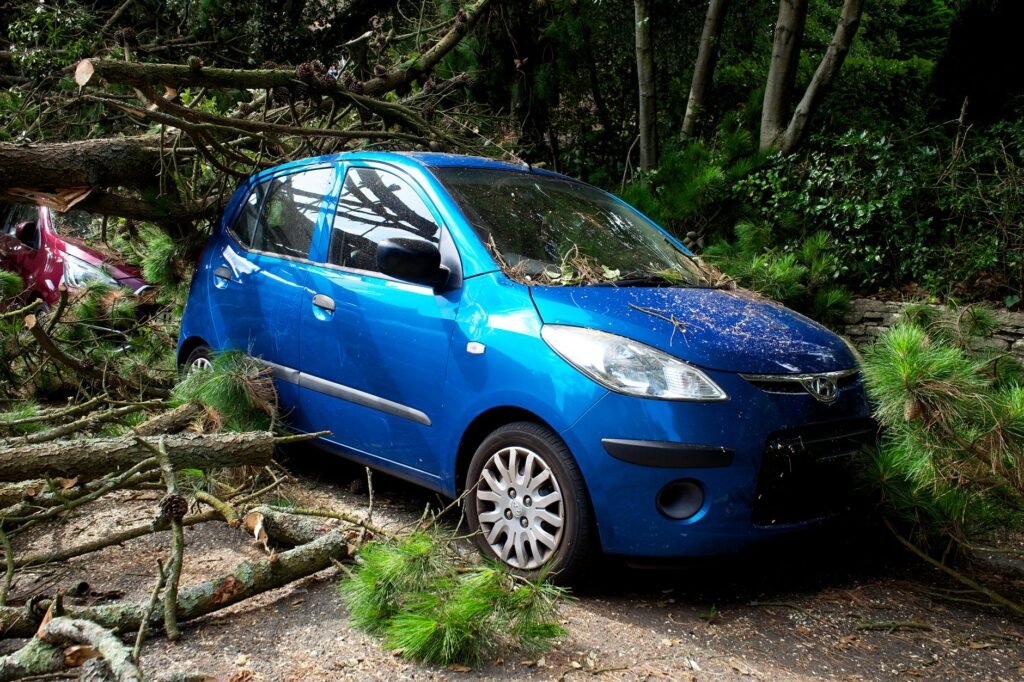
The Nevada car insurance weather impact is a crucial aspect to consider for drivers in the Silver State, especially given the increasing frequency of extreme weather events. Understanding how severe weather can influence car insurance rates in Nevada is essential for making informed decisions about your coverage. This article will explore the effects of weather-related incidents on car insurance premiums, including the implications of natural disasters insurance and how these factors contribute to weather-related claims. Additionally, we will discuss strategies to mitigate the impact of weather on your car insurance expenses and examine future trends that may shape the landscape of car insurance in Nevada. By navigating these complexities, you can better prepare for the unpredictable nature of Nevada’s weather while ensuring you maintain adequate coverage for your vehicle. Stay tuned as we delve into the nuances of this pressing issue and equip you with the knowledge to effectively manage your insurance needs.
Understanding the Nevada Car Insurance Weather Impact
Weather plays a significant role in determining car insurance rates in Nevada. The Nevada car insurance weather impact is primarily driven by local climate conditions and seasonal changes, which can lead to variations in premiums. As a state known for its diverse geography, Nevada experiences a range of weather events that can affect driving conditions and, consequently, insurance costs.
How Weather Influences Car Insurance Rates
In Nevada, different regions have unique weather patterns that can influence vehicle safety and the likelihood of accidents. For example, areas with heavy snowfall or rain can lead to increased accident rates during winter months, which insurers take into account when calculating premiums. Furthermore, hot and dry conditions prevalent in many parts of Nevada can also contribute to vehicle wear and tear, impacting overall insurance rates.
Insurance providers often adjust their rates based on the frequency of weather-related claims. In Nevada, claims related to weather conditions have been on the rise. According to the Insurance Journal, insurers are increasingly evaluating the risks associated with seasonal storms and other climate events, which can lead to higher premiums for drivers in affected areas. Understanding these local weather patterns can be essential when considering Nevada Weather Car Insurance Rates: What You Need to Know.
The Role of Natural Disasters in Premiums
Natural disasters such as floods and wildfires can significantly drive up car insurance premiums. While Nevada is not as prone to hurricanes or tornados, the state has seen an increase in wildfire incidents, which can result in extensive property damage, including vehicles. The rising costs related to natural disasters insurance are often passed on to policyholders, resulting in higher premiums overall.
Additionally, weather-related claims can lead to a ripple effect, causing insurers to reassess their risk models and adjust premiums accordingly. This is especially pertinent in areas that experience a higher frequency of such claims. As a result, drivers need to be aware of how the Nevada car insurance weather impact can influence their insurance costs and coverage options.
The Effect of Severe Weather on Car Insurance Rates in Nevada
Weather-Related Claims and Their Consequences
Severe weather can significantly affect car insurance rates in Nevada, primarily through the increase in weather-related claims. Events such as heavy rainfall, flooding, hail, and wildfires contribute to a higher frequency of claims, which can lead directly to increased premiums. For instance, a report from the National Oceanic and Atmospheric Administration (NOAA) indicates that Nevada has seen a rise in weather-related claims over the past decade, with flooding becoming a more frequent occurrence due to changing weather patterns.
When insurers experience a surge in claims, they often adjust their rates to maintain profitability. According to a study by the Insurance Information Institute, states affected by natural disasters see an average increase of 10-20% in car insurance rates following significant weather events. This trend highlights the importance of understanding the Nevada car insurance weather impact on your premiums.
Specific Weather Events that Impact Insurance Costs
In Nevada, specific weather events can pose unique challenges for drivers and insurers alike. For example, hailstorms can cause significant damage to vehicles, leading to higher claims costs. The National Centers for Environmental Information reported that hail damage claims have increased, contributing to the overall rise in car insurance rates Nevada. Additionally, the risk of wildfires has prompted many insurers to offer specialized natural disasters insurance, which can help protect policyholders from the financial burden of such events.
As a driver in Nevada, it’s essential to be proactive about understanding how severe weather can impact your insurance. Consider evaluating your current policy and determining if you need additional coverage for natural disasters. This approach not only protects your vehicle but may also help mitigate the effects of rising premiums caused by weather-related claims.
Mitigating the Impact of Weather on Your Car Insurance
Weather conditions can significantly influence Nevada car insurance weather impact, affecting insurance premiums and coverage needs. Understanding how to navigate this landscape can help you lower your car insurance rates Nevada while ensuring adequate protection against potential risks.
Tips for Lowering Insurance Rates
To effectively mitigate the financial impact of weather on your insurance premiums, consider the following strategies:
- Increase Deductibles: Opting for a higher deductible can lower your premium. However, ensure that you can comfortably cover this amount in case of a claim.
- Take Advantage of Discounts: Many insurers offer discounts for safe driving, bundling policies, or completing defensive driving courses. Inquire about applicable discounts related to weather preparedness.
- Regularly Review Your Policy: Stay aware of changes in your area’s risk profile. If you’ve moved to a less hazardous location, your insurer may adjust your rates accordingly.
- Utilize Telematics: Some companies provide discounts for using telematics devices that monitor your driving habits. Safer driving can lead to reduced premiums.
Choosing the Right Coverage for Weather-Related Risks
Selecting appropriate coverage is crucial for addressing the Nevada car insurance weather impact effectively. Here are key considerations:
- Comprehensive Coverage: This type of insurance is essential for protecting against non-collision events like hail, floods, or wildfires. Ensure you understand the coverage limits and exclusions.
- Natural Disasters Insurance: Consider Nevada Weather Car Insurance: Understanding the Impact options that specifically protect against common natural calamities in Nevada.
- Regular Maintenance: Keeping your vehicle in optimal condition can reduce the likelihood of weather-related claims. Regular checks on tires, brakes, and windshield wipers can help prevent accidents.
Being proactive about your insurance coverage and understanding the potential for weather-related claims can empower you to make informed decisions. By implementing these strategies, you can better manage the weather impact on your car insurance while safeguarding your finances.
Future Trends: Weather and Car Insurance in Nevada
Climate Change and Insurance Rates
The impact of climate change is becoming increasingly evident, and its implications for Nevada car insurance weather impact are significant. As extreme weather events become more frequent and severe, insurers are facing a rise in weather-related claims. According to a report by the National Oceanic and Atmospheric Administration, Nevada has experienced an uptick in severe weather incidents over the past decade. This trend suggests that policyholders can expect increased car insurance rates in Nevada as insurers adjust their pricing models to account for the heightened risk of damages from natural disasters.
Insurers are beginning to integrate advanced data analytics to assess risk more accurately. By utilizing predictive modeling, they can determine more precise rates that reflect the likelihood of weather-related incidents. This shift in underwriting practices means that consumers may see variable impacts on their premiums based on their geographical location within Nevada and the associated risks.
What to Expect in the Coming Years
As we look ahead, the landscape of car insurance in Nevada will likely be shaped by the evolving effects of climate change. Experts predict an increase in weather-related claims, which may prompt insurers to reevaluate their coverage options, including natural disasters insurance. Consumers should be prepared for potential changes in policy offerings and pricing as companies strive to maintain profitability amidst rising claims.
To stay informed about the fluctuations in car insurance rates in Nevada, consumers can monitor resources such as state insurance department reports and industry analyses. Engaging with local insurance agents and reviewing policy options regularly can also provide insights into how weather trends are influencing coverage and rates.
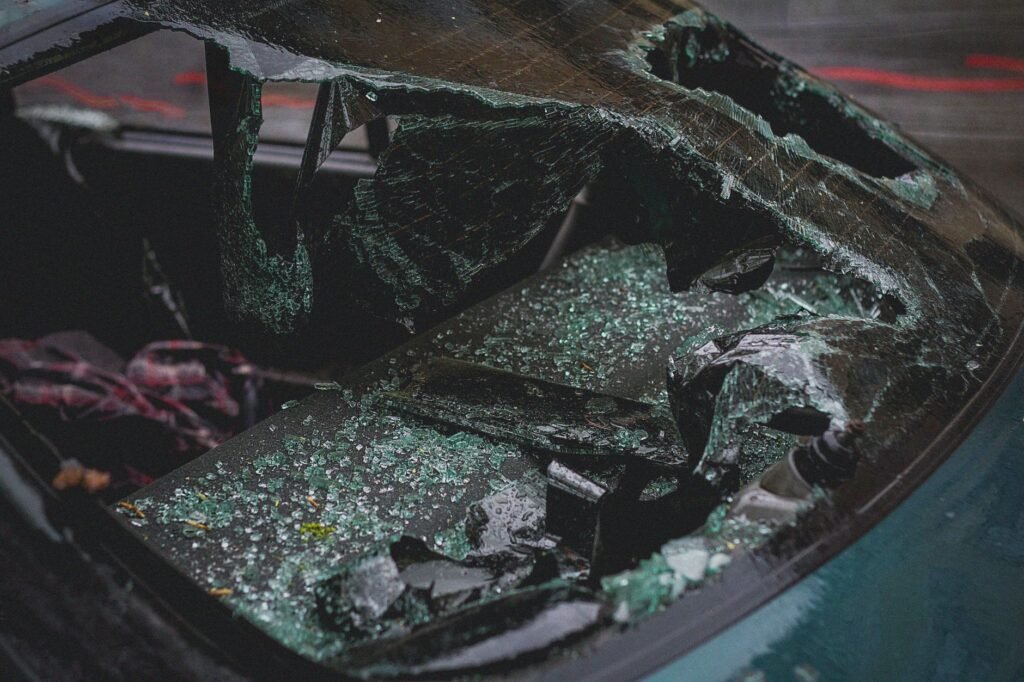
Understanding the Nevada car insurance weather impact will be crucial for policyholders in making informed decisions about their insurance needs. As weather patterns become more unpredictable, proactive measures can help mitigate potential costs associated with increased premiums and claims.
Conclusion: Navigating the Nevada Car Insurance Landscape
Understanding the Nevada car insurance weather impact is essential for all drivers in the Silver State. Throughout this article, we have explored how various weather conditions, from heavy rain to severe windstorms, can significantly influence car insurance rates in Nevada. Notably, increases in weather-related claims often lead to higher premiums, making it crucial for drivers to remain informed about how these factors interact.
One key takeaway is the importance of proactive planning. By understanding the potential risks associated with Nevada’s diverse weather patterns, drivers can better assess their insurance needs and secure appropriate coverage. For instance, investing in natural disasters insurance can help mitigate the financial impact of unexpected weather events. This type of coverage is particularly vital in areas susceptible to flooding or wildfires, ensuring that policyholders are not left vulnerable in times of crisis.
Additionally, monitoring your car insurance rates in Nevada and comparing quotes from multiple insurers can help you find the best deal suited to your specific situation. Many insurance companies offer discounts for safe driving and for vehicles equipped with advanced safety features, which can be particularly beneficial in inclement weather.
Lastly, staying informed about how weather-related claims can affect your policy is critical. Frequent claims can lead to higher premiums, so understanding how to mitigate risks, such as by maintaining your vehicle or adjusting your driving habits, can ultimately save you money in the long run. By taking these proactive steps, drivers can navigate the complexities of the Nevada car insurance landscape more effectively.
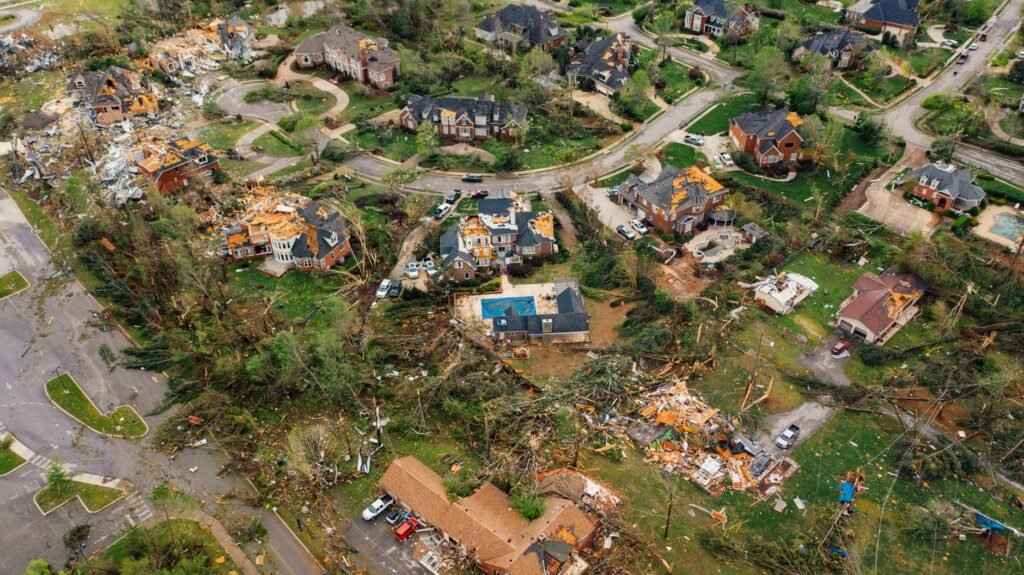
Understanding the Nevada car insurance weather impact is crucial for drivers in the state, especially when considering how weather-related claims can affect car insurance rates Nevada. As climate patterns shift and the frequency of natural disasters increases, policyholders must be aware of how these changes can influence their premiums. Investing in natural disasters insurance may provide additional peace of mind for those living in areas prone to severe weather events.
As you navigate your insurance options, consider reviewing your policy to ensure it aligns with your needs. Staying informed about the factors that impact your car insurance rates can help you make smarter financial decisions. For further information, consult with your insurance provider or an expert to better understand the implications of the Nevada car insurance weather impact on your specific situation.
“`html
How does weather affect car insurance rates in Nevada?
Weather can significantly impact car insurance rates in Nevada. Insurers consider the likelihood of weather-related incidents such as storms, floods, or hail when assessing risk. For example, areas prone to severe weather may see higher rates due to increased claims. Understanding the Nevada car insurance weather impact is crucial for ensuring you have the right coverage at a fair price.
What types of natural disasters can impact my car insurance?
Natural disasters such as wildfires, floods, and storms can impact your car insurance. These events often lead to increased claims, prompting insurers to adjust rates based on the risk in your area. Additionally, natural disasters insurance may cover specific damages caused by these events, so it’s important to review your policy to ensure adequate protection.
Are there specific weather-related claims that insurance companies track?
Yes, insurance companies track various weather-related claims, including those for damage from hail, flooding, and windstorms. Insurers use this data to assess risk levels and adjust premiums accordingly. By understanding these claims, you can better assess how the Nevada car insurance weather impact might affect your own policy.
How can I lower my car insurance rates in Nevada?
To lower your car insurance rates in Nevada, consider increasing your deductible, maintaining a clean driving record, and taking advantage of discounts for safe driving or bundling policies. Additionally, shopping around for the best rates and comparing quotes from multiple providers can help you find more affordable options tailored to your needs.
What should I consider when choosing car insurance in Nevada?
When choosing car insurance in Nevada, consider factors such as coverage options, deductibles, and premiums. Assess your needs based on your driving habits and the potential risks associated with the Nevada car insurance weather impact. Additionally, research the insurer’s reputation, customer service, and claims process to ensure you select a reliable provider.
How does climate change affect car insurance premiums?
Climate change can lead to more frequent and severe weather events, which may increase car insurance premiums. Insurers are adjusting their models to account for these changing conditions, resulting in higher rates for areas at greater risk of natural disasters. Being aware of these trends can help you make informed decisions about your car insurance coverage.
“`