

The Nevada car insurance credit score impact is a crucial factor influencing your auto insurance premiums. In Nevada, insurance companies utilize credit scores to assess risk, which can significantly affect your credit score insurance rates. This article delves into the nuances of how your credit score interacts with other Nevada insurance pricing factors, providing a comprehensive understanding of the connection between auto insurance and credit. We will explore the importance of maintaining a healthy credit score and offer practical tips to enhance it, ultimately leading to better insurance rates. Additionally, we will identify other critical elements that insurers consider when determining your premiums, ensuring you are well-informed to maximize your savings on Nevada car insurance. With this knowledge, you can approach your insurance needs with confidence and awareness, setting yourself up for financial success in the long run. For further reading, you may refer to the Nevada Department of Insurance and the Consumer Financial Protection Bureau.
Understanding the Nevada Car Insurance Credit Score Impact
What is a Credit Score?
A credit score is a numerical representation of an individual’s creditworthiness, typically ranging from 300 to 850. This score is calculated based on several factors, including payment history, credit utilization, length of credit history, types of credit used, and recent credit inquiries. In Nevada, as in many other states, insurers often consider credit scores when evaluating potential policyholders. This practice stems from numerous studies indicating a correlation between credit scores and the likelihood of filing claims.
How Credit Scores Affect Insurance Rates in Nevada
The Nevada car insurance credit score impact is significant, as many insurance companies use credit scores to assess risk and determine insurance premiums. Insurers believe that individuals with higher credit scores are less likely to file claims, which translates into lower risk and, consequently, lower credit score insurance rates. Conversely, those with lower credit scores may face higher premiums due to the perceived increased risk.
Insurers in Nevada utilize various Nevada insurance pricing factors, including credit scores, to establish a comprehensive risk profile for each applicant. Research shows that individuals with poor credit can pay up to 50% more for their auto insurance compared to those with excellent credit. This disparity highlights the importance of maintaining a good credit score, not just for loan approvals but also for securing affordable auto insurance rates.
Understanding the relationship between auto insurance and credit can empower consumers. By improving their credit score through responsible financial practices, individuals may lower their insurance premiums. Regularly checking credit reports, ensuring timely payments, and managing debt levels are effective strategies to enhance one’s credit profile.
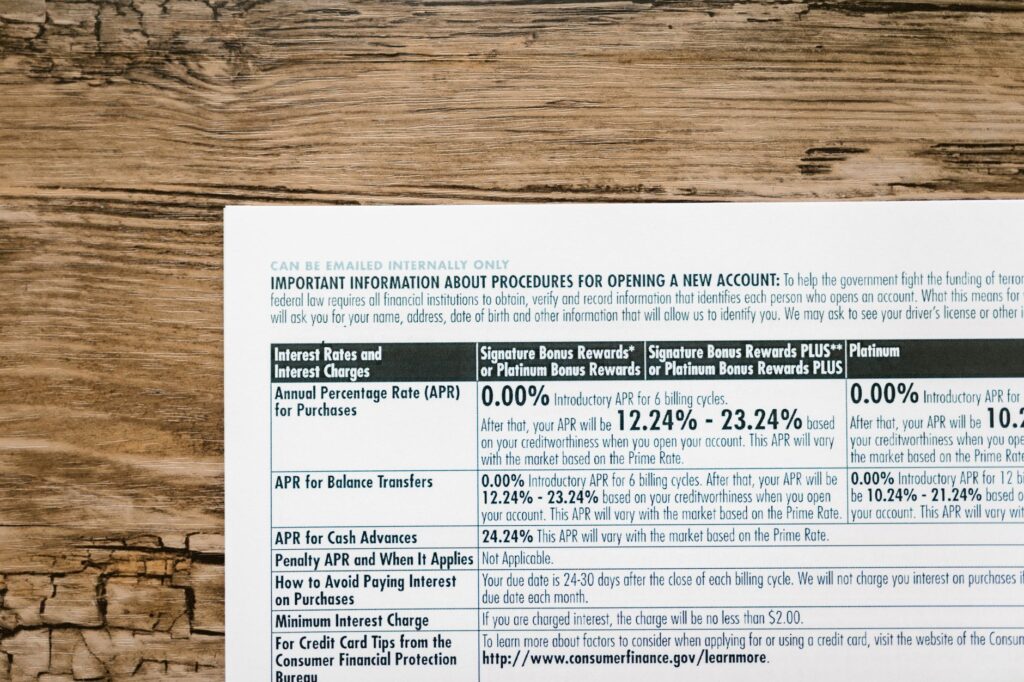
Ultimately, being aware of the Nevada car insurance credit score impact allows consumers to make informed decisions that can lead to significant savings on their auto insurance premiums.
Key Nevada Insurance Pricing Factors Beyond Credit Scores
While the Nevada car insurance credit score impact is significant, several other factors also play a crucial role in determining your insurance rates. Understanding these factors can help you make informed decisions when selecting auto insurance. Here, we explore demographics, driving history, location, and vehicle type as key contributors to insurance pricing in Nevada.
Demographics and Driving History
Your demographic information, such as age, gender, and marital status, can influence credit score insurance rates. Younger drivers, particularly males, often face higher premiums due to statistical risk assessments. Additionally, your driving history is a significant factor. A record of accidents, traffic violations, or claims can lead to higher rates, as insurers view these as indicators of risk. In contrast, a clean driving record can help lower your premiums over time.
Location and Vehicle Type
The area where you live significantly affects your auto insurance and credit considerations. Urban areas, like Las Vegas, tend to have higher crime rates and traffic congestion, resulting in increased insurance costs. In contrast, rural areas may enjoy lower rates due to decreased risk. Moreover, the type of vehicle you drive is another critical element. High-performance cars typically incur higher premiums due to their association with higher accident rates. Conversely, vehicles known for safety and reliability often qualify for discounts.
Understanding these Nevada insurance pricing factors can help you navigate the complexities of car insurance, allowing you to seek out the best possible rates. By considering demographics, driving history, location, and vehicle type alongside your credit score, you can take proactive steps to manage your insurance costs effectively.

For more information on optimizing your auto insurance rates, check Credit Scores and Car Insurance Premiums in Nevada.
Auto Insurance and Credit: The Connection Explained
Your credit score plays a significant role in determining your Nevada car insurance credit score impact. Insurance companies utilize this score as a crucial factor in calculating your premiums. Understanding how credit scores are calculated and their implications on insurance rates is essential for any Nevada driver.
How Credit Scores are Calculated
Credit scores are typically calculated using several key factors, including:
- Payment History (35%): This is the most significant factor, indicating how reliably you pay your bills.
- Credit Utilization (30%): This measures how much of your available credit you are using. A lower percentage is better.
- Length of Credit History (15%): A longer credit history can positively impact your score.
- Types of Credit (10%): A mix of credit types, such as credit cards, mortgages, and installment loans, can enhance your score.
- Recent Credit Inquiries (10%): Multiple inquiries in a short period can negatively affect your score.
Given that credit score insurance rates can vary widely, maintaining a higher score is beneficial not only for loan approvals but also for securing lower insurance premiums. In Nevada, insurers are legally allowed to use credit scores as part of their risk assessment, making it one of the key Nevada insurance pricing factors.
The Impact of Poor Credit on Insurance Premiums
Drivers with poor credit may face significantly higher premiums. For instance, a study by Insurance.com indicates that individuals with poor credit could pay up to 50% more for their auto insurance compared to those with excellent credit scores. In Nevada, this translates to hundreds of dollars in additional costs each year.
To illustrate, a driver with a credit score of 600 might pay an average of $1,500 annually for car insurance, while someone with a score of 750 might only pay around $1,000. This stark difference emphasizes the importance of understanding the auto insurance and credit correlation. By improving your credit score, you can potentially lower your insurance costs, enhancing your overall financial well-being.
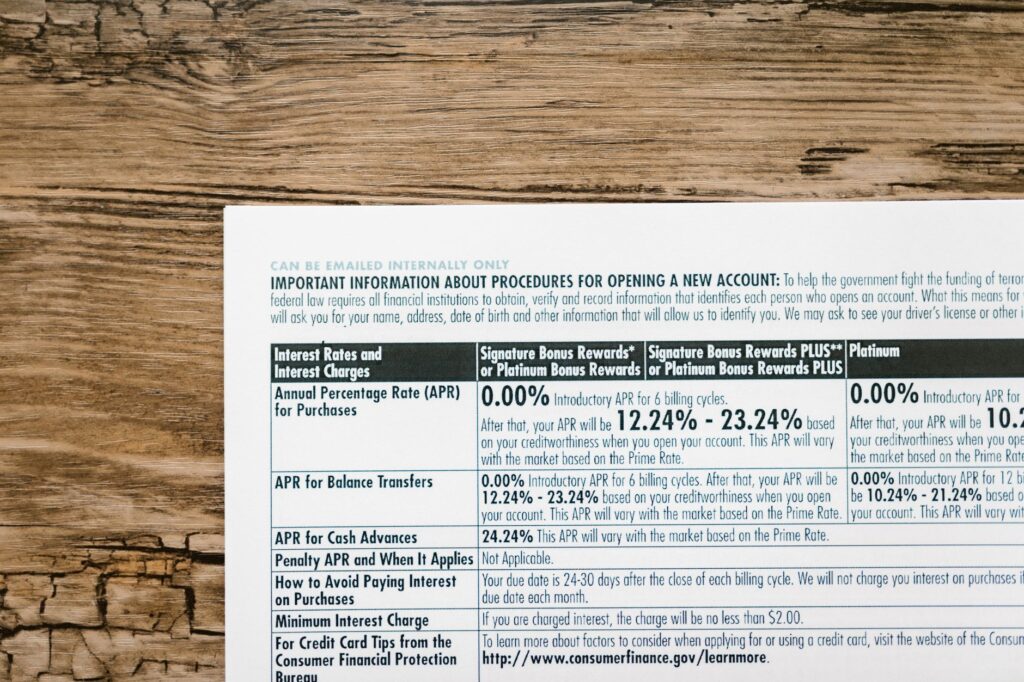
Improving your credit score requires consistent financial habits, such as paying bills on time, keeping credit card balances low, and regularly checking your credit report for errors. By taking these steps, you can mitigate the Nevada car insurance credit score impact and potentially save a significant amount on your insurance premiums.
For more information on how your credit score influences your car insurance rates, consider exploring our detailed guide on The Impact of Your Credit Score on Nevada Car Insurance Rates.
Improving Your Credit Score for Better Insurance Rates
Your credit score significantly influences your Nevada car insurance credit score impact, affecting the rates you pay for auto insurance. Insurers often use credit scores as a factor in determining risk, with higher scores generally leading to lower premiums. To effectively improve your credit score and consequently secure better insurance rates, consider the following practical steps.
Practical Steps to Enhance Your Credit Score
- Pay Your Bills on Time: Late payments can severely impact your credit score. Set up automatic payments or reminders to ensure timely bill payments.
- Reduce Your Debt: Aim to lower your credit card balances to improve your credit utilization ratio. Ideally, keep this ratio below 30% of your available credit.
- Limit New Credit Applications: Each time you apply for credit, a hard inquiry is made, which can temporarily lower your score. Only apply for new credit when necessary.
- Check Your Credit Report: Regularly review your credit reports for errors. If you find inaccuracies, dispute them promptly.
By implementing these strategies, you can improve your credit score, which in turn may lead to more favorable credit score insurance rates and overall savings on your auto insurance. Understanding Nevada insurance pricing factors helps you see the direct correlation between credit and insurance costs.

Monitoring Your Credit for Insurance Benefits
Monitoring your credit is essential for understanding its impact on your insurance rates. Utilize free services that provide your credit score and report updates. This allows you to track improvements and identify areas needing attention. Additionally, some insurance providers offer discounts for policyholders who maintain good credit. Staying informed about your credit standing can help you leverage this for better auto insurance and credit relationships.
By actively working to improve your credit score, you can enhance your chances of obtaining lower rates and better coverage options. For more detailed insights on credit impacts on insurance, consider exploring How Credit Score Affects Car Insurance Rates in Nevada and Understanding Credit Score Impact on Car Insurance in Nevada.
Conclusion: Maximizing Your Nevada Car Insurance Savings
Recap of Key Points on Nevada Car Insurance Credit Score Impact
Throughout this article, we explored the significant influence of credit scores on Nevada car insurance credit score impact. It was established that a higher credit score generally correlates with lower credit score insurance rates, while lower scores can lead to higher premiums. Additionally, we examined various Nevada insurance pricing factors, including driving history, vehicle type, and coverage levels, which all contribute to overall insurance costs. Understanding how auto insurance and credit interact can empower you to make informed decisions about your policy and financial health.
Taking Action on Your Insurance and Credit
To maximize your savings in Nevada, it is crucial to take proactive steps regarding your credit and insurance. Start by obtaining a copy of your credit report and reviewing it for errors. Dispute any inaccuracies that could be negatively impacting your score. Focus on paying down existing debts and making timely payments, as these actions can help improve your credit standing over time.
Furthermore, shop around for car insurance quotes regularly. Different insurers weigh credit scores differently, and you may find significant savings with a provider that offers lower rates based on your credit profile. Consider bundling your insurance policies or increasing your deductibles to lower your premiums further.
By understanding the Nevada car insurance credit score impact and taking these actionable steps, you can potentially save hundreds of dollars annually on your auto insurance. Stay informed and proactive in managing both your credit and insurance to ensure you are getting the best rates possible.

Understanding the Nevada car insurance credit score impact is crucial for drivers looking to manage their insurance costs effectively. By recognizing how credit scores influence credit score insurance rates, policyholders can take proactive measures to improve their financial standing and potentially lower their premiums. Various Nevada insurance pricing factors come into play, and your credit score is a significant element that insurers consider when determining your rates.
As you navigate the complexities of auto insurance and credit, it is advisable to regularly check your credit report for accuracy and work on improving your score if necessary. Making timely payments and managing your debt can lead to better insurance outcomes. For those interested in exploring how your credit score might affect your rates, consider obtaining quotes from multiple insurers to see how the Nevada car insurance credit score impact plays out in real terms.
“`html
How does my credit score affect my car insurance rates in Nevada?
Your credit score can significantly impact your car insurance rates in Nevada. Insurers often use credit scores as a predictive tool to assess risk. A higher credit score generally correlates with lower insurance premiums, while a lower score can result in higher rates. This practice is based on statistical data showing that individuals with better credit are less likely to file claims. Thus, understanding the Nevada car insurance credit score impact is crucial for managing your insurance costs effectively.
What are the main Nevada insurance pricing factors?
Several factors influence insurance pricing in Nevada, including your driving record, the type of vehicle you drive, and your credit score. Insurers also consider your claims history, age, and location. Additionally, the amount of coverage you select plays a role in determining your premium. Understanding these Nevada insurance pricing factors can help you make informed decisions about your policy and possibly lower your rates.
Can I get car insurance with a low credit score in Nevada?
Yes, you can obtain car insurance in Nevada even with a low credit score. However, you may face higher premiums compared to drivers with better credit histories. Some insurers specialize in high-risk drivers, so it’s advisable to shop around and compare quotes from different companies. While your credit score may affect your rates, it is not the sole factor determining your eligibility for coverage.
How can I improve my credit score for better insurance rates?
Improving your credit score involves several proactive steps. Start by paying your bills on time, reducing your overall debt, and checking your credit report for errors. Additionally, maintaining a low credit utilization ratio can positively impact your score. Consistently managing these factors will not only enhance your credit score but also potentially lower your insurance premiums, addressing the Nevada car insurance credit score impact effectively.
What is the relationship between auto insurance and credit?
The relationship between auto insurance and credit is based on the premise that a person’s creditworthiness can predict their likelihood of filing a claim. Insurers often use credit scores as part of their underwriting process to determine premiums. Consequently, better credit scores usually lead to lower insurance rates, while poor credit can result in higher costs. This correlation is a key aspect of understanding the Nevada car insurance credit score impact.
Do all insurance companies in Nevada use credit scores?
No, not all insurance companies in Nevada utilize credit scores when determining rates. While many major insurers do consider credit information as part of their risk assessment, some companies may focus on other factors, such as driving history and claims experience. It is essential to research and compare different insurers to find one that best suits your needs, especially if your credit score is a concern.
“`