Any driver who is in a car accident in Nevada needs to know how the state decides who is at fault. Nevada’s laws about who is at fault in a car accident are very important for figuring out who is responsible for damages and how to pay for them. If you get into a car accident, knowing how fault is determined can help you with insurance claims, personal injury lawsuits, and other things. This guide goes over how fault is determined in Nevada and the steps and factors that go into it.
The Laws of Comparative Negligence in Nevada
When figuring out who is at fault in a car accident in Nevada, they use a system called “comparative negligence.” In this system, more than one person can be at fault, and each person is responsible for their part of the accident. This means that if you are partly to blame for an accident, the amount of money you get may be less than what you are responsible for.

If you are found to be 30% at fault for the crash and the total damages are $10,000, you might only be able to get $7,000. This way, everyone who was in the accident is held equally responsible for what they did.
Things to Keep in Mind When Choosing Who Is to Blame
There are a number of things that are looked at when trying to figure out who is to blame for a car accident in Nevada. Some of the most important ones are
- Traffic Laws: The first thing to look at is if anyone broke any traffic laws, like running a red light, speeding, or not giving the right of way.
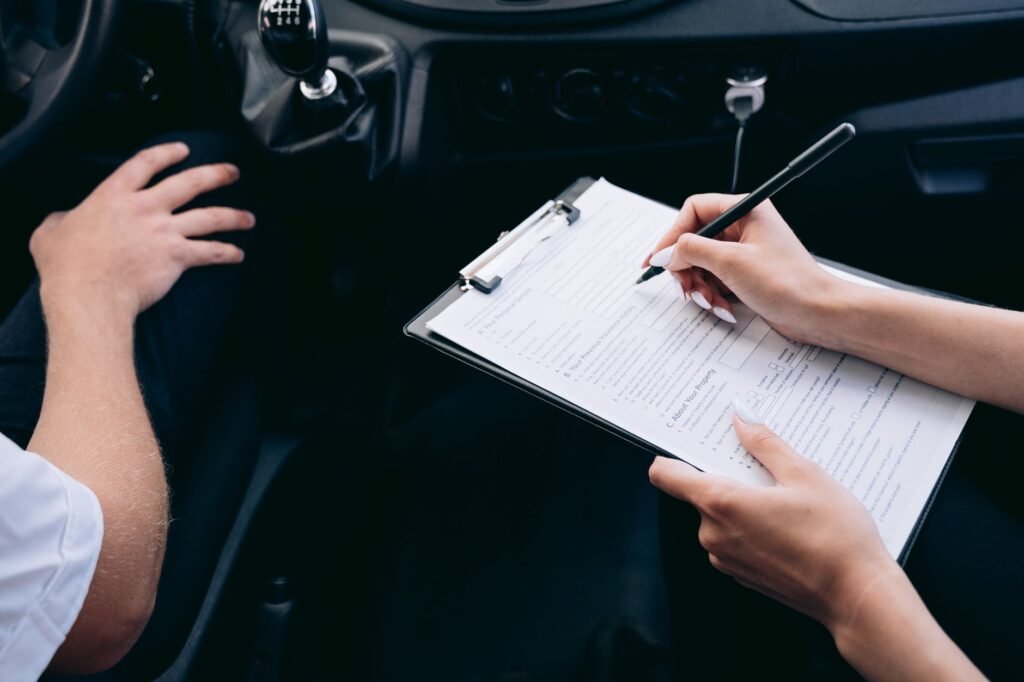
- Evidence: Witness statements, dash cam footage, accident reports, and photos of the scene are all important pieces of evidence that help figure out who is at fault. These pieces of evidence help the police figure out what happened before the crash.
- Driver Statements: The drivers who were in the accident also made statements. But if the two drivers tell different stories, the evidence and witness statements will be more important.
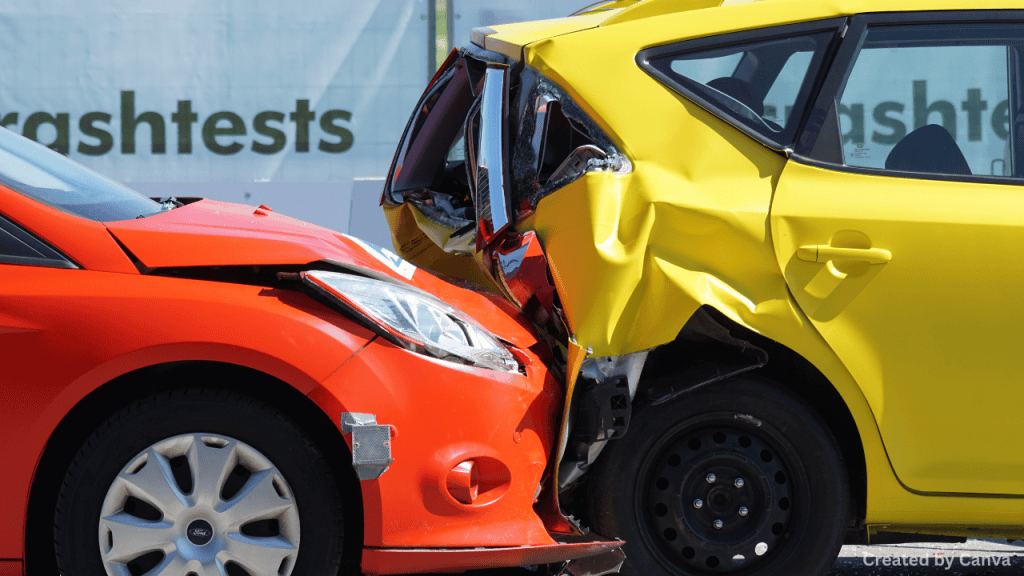
- Insurance Investigations: Insurance companies will also look into the situation themselves to find out who is at fault. In collision claims in Nevada, the insurance company can look at the damage and review things like photos, police reports, and witness statements.
Nevada’s No-Fault and At-Fault Systems
It’s important to remember that Nevada is an at-fault state. This means that the driver who is found to be at fault for the accident is responsible for paying for the damages. Some states, on the other hand, use a no-fault system, which means that each party’s insurance pays for their own damages no matter who was at fault. In Nevada, fault has a direct effect on how insurance claims are handled and who pays for the damages. These damages can include lost wages, medical bills, and car repairs.
How to File a Claim in Nevada
In Nevada, the person who caused an accident is usually the one who has to pay for the damage. Most of the time, they do this through their insurance company. If you get into an accident with a driver who doesn’t have insurance or doesn’t have enough insurance, you may have to file a claim with your own insurance company. This is especially true if you have uninsured motorist protection.
If there is a disagreement about who is at fault or you are found to be partially at fault, working with a lawyer or insurance adjuster who has been around for a while can help you get through the process. They can help with Nevada collision claims, gather evidence, and figure out the best way to get paid.
Nevada Car Accident Fault Laws: Commonly Asked Questions
1. How does Nevada figure out who is to blame for a car accident?
Nevada uses a system of comparative negligence to figure out who is at fault. The investigation looks at traffic laws, evidence, witness statements, and statements from the people involved to figure out who is to blame. Depending on how responsible each party is, they may all be at fault.
2. What does “comparative negligence” mean in Nevada?
In Nevada, comparative negligence means that each person involved in an accident can be given a percentage of blame. Your pay may be lower if you were partly to blame for the accident.
3. What happens if I am partly to blame for a car accident in Nevada?
If you are partly to blame, your payment will be less based on how much blame you share. If you are 25% to blame for an accident, for instance, your damages may be cut by that amount.
4. Is Nevada a state where you don’t have to prove fault?
No, Nevada is an at-fault state. This means that the driver who is found to be at fault for the accident is responsible for paying for the damages, such as medical bills, car repairs, and other losses.
5. If the other driver is at fault, can I file a claim?
If the other driver is at fault, you can file a claim with their insurance company to get your damages paid for. If the driver doesn’t have insurance or doesn’t have enough, you may need to file a claim with your own insurance company, especially if you have uninsured motorist coverage.
Featured Image
Images are by Canva.com or pixabay.com