
Nevada weather car insurance rates are influenced by a unique blend of climatic conditions that impact both vehicle safety and insurance premiums. Understanding the weather effects on insurance in Nevada is essential for drivers looking to navigate the complexities of car insurance costs in this arid state. This article explores the significant insurance premium factors related to Nevada’s climate, including how extreme temperatures, seasonal changes, and the prevalence of severe weather events can lead to fluctuations in insurance rates. Additionally, we will discuss effective strategies for managing car insurance costs in Nevada, helping you make informed decisions as a policyholder. Finally, we will examine future trends in Nevada weather and their potential implications on car insurance rates. By gaining insights into these critical areas, you will be better equipped to understand how the Nevada climate affects your insurance options and what you can do to mitigate costs.
Understanding Nevada Weather and Car Insurance Rates
Overview of Nevada’s Climate
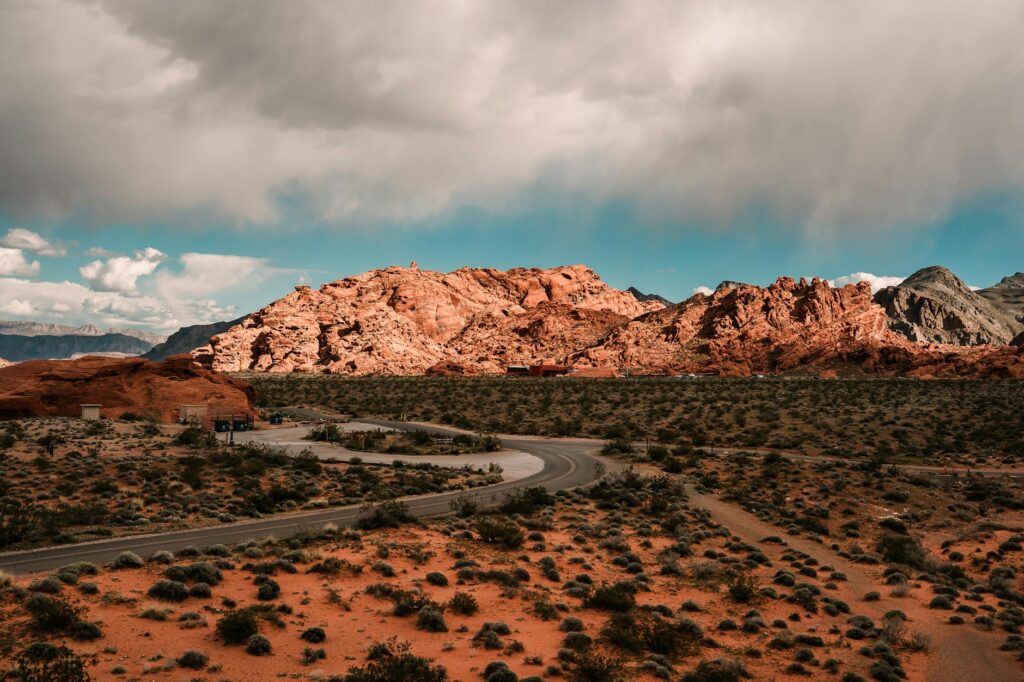
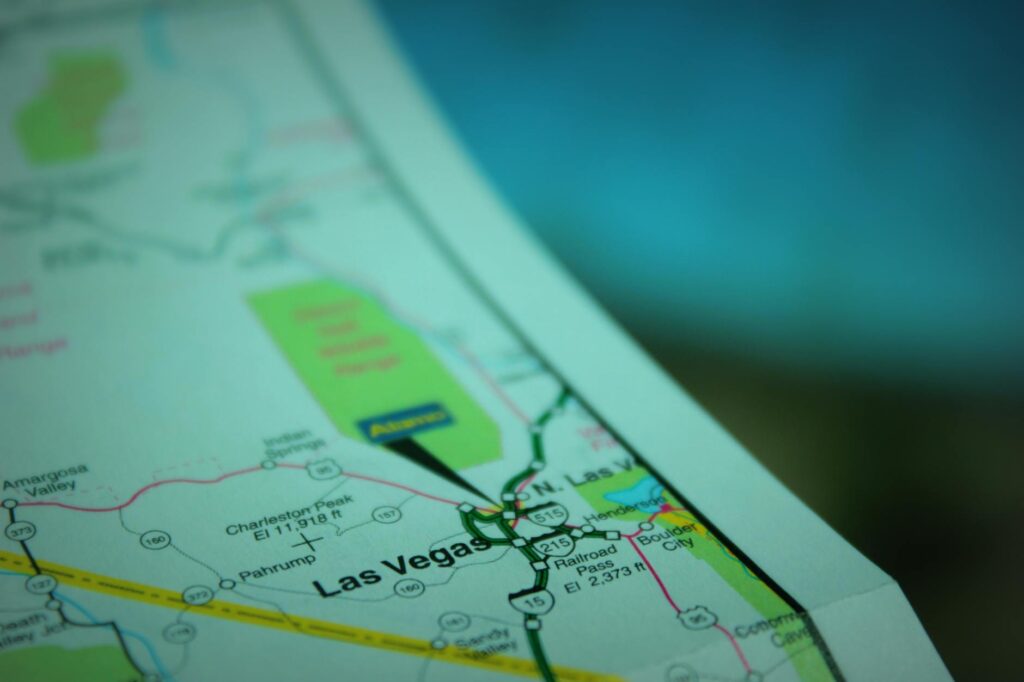
Nevada is characterized by its unique desert climate, which significantly impacts the state’s weather patterns and, consequently, car insurance rates. The state experiences hot summers, mild winters, and low annual precipitation, with some regions like Las Vegas displaying average summer temperatures exceeding 100°F. In contrast, areas such as Reno enjoy a more temperate climate due to higher elevation, receiving more snowfall during winter months.
According to the National Weather Service, Nevada’s climate can vary considerably across its diverse regions. This variation creates different driving conditions, which can influence insurance risk assessments. For instance, the risk of heat-related vehicle damage, increased road wear due to extreme temperatures, and the likelihood of monsoonal storms can all play a role in shaping Nevada weather car insurance rates.
How Weather Influences Insurance Premiums
Understanding the weather effects on insurance rates is crucial for Nevada drivers. Insurance companies often consider the frequency and severity of weather-related incidents when determining premiums. For example, regions with frequent high winds or flash floods may see higher insurance costs due to the increased risk of accidents and vehicle damage. A report from the Insurance Information Institute highlights that states prone to extreme weather conditions typically experience higher insurance premiums.
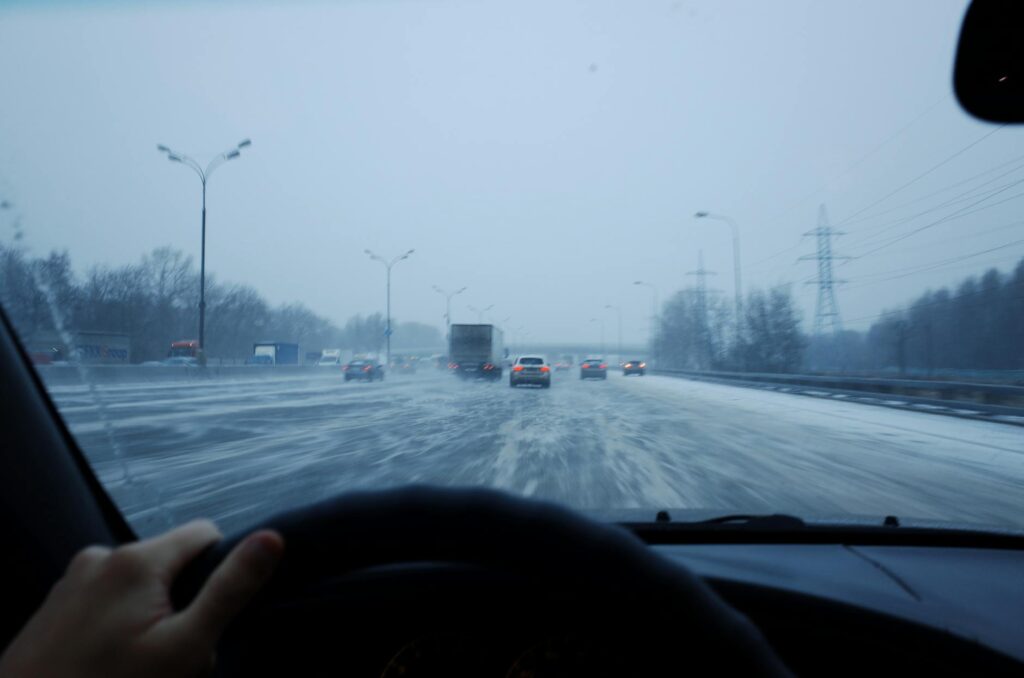
Additionally, Nevada’s seasonal variations can affect driving safety. The wet winter months can lead to icy roads and reduced visibility, increasing the risk of accidents. Consequently, insurance providers may adjust their rates based on the likelihood of such weather-related incidents. Insurers also consider other insurance premium factors, such as vehicle type, driver history, and local crime rates, when calculating costs.
For instance, a study conducted by the National Oceanic and Atmospheric Administration revealed that areas with significant snowfall often require higher premiums due to the increased risk of accidents. Similarly, regions with a high incidence of sun damage may see rates rise for vehicles that are more susceptible to fading and wear from UV rays.
understanding how Nevada climate car insurance influences rates can help drivers make informed decisions when selecting their insurance coverage. By being aware of the unique weather patterns in Nevada, drivers can better anticipate the factors that may affect their car insurance rates and take proactive measures to mitigate risks.
Key Insurance Premium Factors Related to Nevada’s Climate
Nevada’s unique climate presents a variety of factors that influence Nevada weather car insurance rates. From extreme temperatures to the risk of natural disasters, insurance companies must consider these variables to assess risk and determine premiums. Understanding these factors can help drivers make informed decisions about their insurance coverage.
Risk Assessment in Different Weather Conditions
One of the primary insurance premium factors influenced by Nevada’s climate is risk assessment during extreme weather conditions. For instance, the state experiences scorching summers, with temperatures frequently exceeding 100 degrees Fahrenheit. This heat can lead to increased wear and tear on vehicles, raising the likelihood of breakdowns and accidents, which in turn can elevate Nevada weather car insurance rates. According to a report by the National Highway Traffic Safety Administration, higher temperatures contribute to a rise in tire blowouts and mechanical failures.
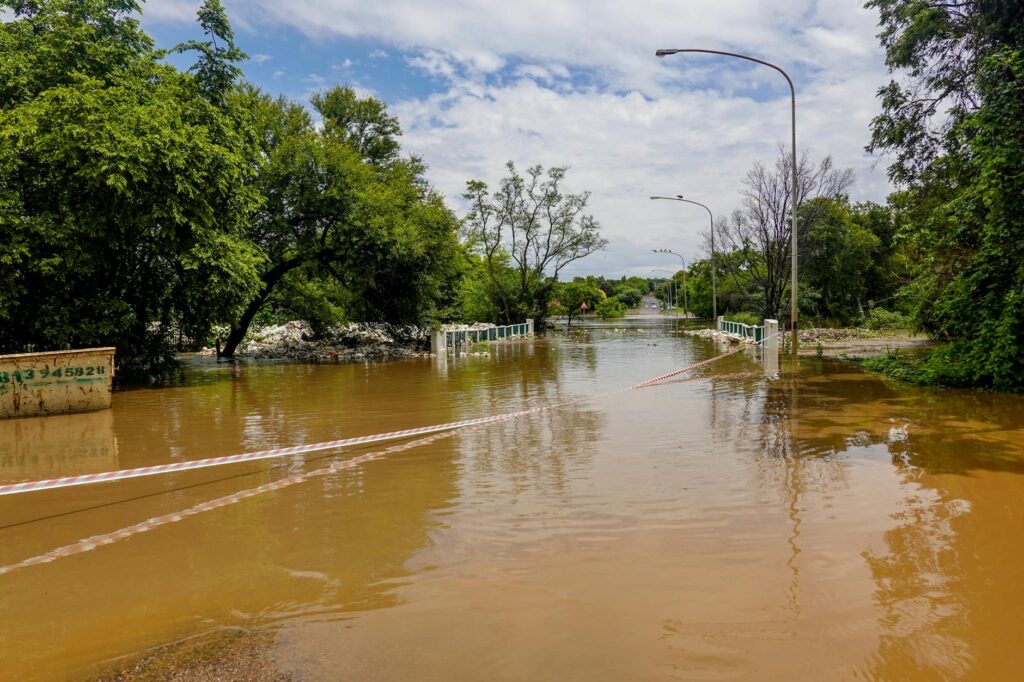
Moreover, Nevada is prone to flash floods, particularly during the monsoon season. The sudden influx of water can create hazardous driving conditions, leading to collisions and vehicle damage. Insurance companies often adjust their rates based on the frequency and severity of such weather effects on insurance claims. According to the Nevada Department of Transportation, certain areas are more susceptible to flooding, which can also influence local insurance rates.
Impact of Natural Disasters on Rates
Natural disasters significantly impact Nevada climate car insurance rates, especially wildfires and heavy snow. In recent years, Nevada has experienced devastating wildfires, particularly in the northern regions. These fires not only pose direct threats to property but also create challenges for insurers. For instance, the California Department of Forestry and Fire Protection notes that wildfire risks can lead to higher premiums as insurance companies reassess the likelihood of claims in affected areas.
Additionally, heavy snow can lead to vehicle accidents and property damage, prompting insurers to adjust their rates accordingly. For example, during the winter of 2021, Nevada saw significant snowfall that resulted in numerous accidents on roadways. The increased risk during such conditions can elevate insurance premiums, as noted by Insurance Journal.
understanding the specific insurance premium factors influenced by Nevada’s climate, such as risks from extreme heat, flash floods, wildfires, and heavy snow, can empower drivers to make better insurance decisions and potentially lower their rates. It is essential for residents to stay informed about their local climate risks and how these may impact their Nevada weather car insurance rates.
Strategies for Managing Car Insurance Costs in Nevada
Navigating the complexities of Nevada weather car insurance rates can be challenging, especially given the unique weather effects on insurance in the region. Fortunately, there are several strategies you can employ to manage your car insurance costs effectively, even amid fluctuating rates due to the Nevada climate.
Choosing the Right Coverage for Nevada Weather Car Insurance Rates
The first step in controlling your car insurance costs is selecting the right coverage. Comprehensive coverage is particularly beneficial in Nevada, where extreme weather can cause damage. This type of coverage protects against a range of incidents, including those caused by hail, flooding, or other weather-related events. While comprehensive coverage may increase your premiums, it can save you significant financial burdens in the long run.
When shopping for insurance, consider the following factors that influence your insurance premiums:
- Your driving history: A clean driving record can qualify you for lower rates.
- Vehicle type: Some cars are more expensive to insure due to repair costs or safety ratings.
- Location: Urban areas often have higher rates due to increased accident risks.
It’s essential to use car insurance discounts Nevada to evaluate various policy options and ensure you are not overpaying for unnecessary coverage.
Discounts and Savings Opportunities
In addition to choosing the right coverage, taking advantage of discounts can significantly reduce your car insurance costs. Many insurers offer discounts for safe driving records, completing defensive driving courses, and bundling multiple policies. For instance, if you have both auto and home insurance with the same provider, you may qualify for a multi-policy discount.
Another way to manage your insurance costs is by regularly reviewing your policy. As your circumstances change, such as moving to a safer neighborhood or reducing your mileage, you may become eligible for lower rates. Additionally, some insurers provide discounts based on the Nevada climate car insurance landscape, offering incentives for vehicles equipped with safety features designed to withstand weather fluctuations.
Lastly, consider utilizing online tools to help you find the best rates. Many websites offer calculators that can provide estimates based on your specific needs and the current market conditions. This is an effective way to stay informed about how Nevada weather car insurance rates may be impacted by seasonal changes.
By implementing these strategies, including selecting appropriate coverage and leveraging available discounts, you can effectively manage your car insurance costs despite the various insurance premium factors at play in Nevada’s unique climate.
Future Trends in Nevada Weather and Insurance Rates
Climate Change Impacts on Nevada Weather Car Insurance Rates
As climate change continues to reshape weather patterns globally, Nevada is not exempt from its effects. The National Oceanic and Atmospheric Administration (NOAA) warns that rising temperatures and altered precipitation patterns could lead to more frequent and severe weather events in the state. This shift is likely to have significant implications for Nevada weather car insurance rates, as factors such as increased flooding and wildfires may drive up the risks associated with driving in affected areas.
For instance, the average temperature in Nevada is projected to increase by 5 to 9 degrees Fahrenheit by the year 2100, according to Climate.gov. Warmer conditions can enhance the likelihood of droughts, while sudden heavy rainfall can lead to flash floods, thereby impacting road safety and vehicle integrity. These weather effects on insurance are crucial as they can influence the overall cost of car insurance premiums. Insurers will likely adjust their rates to account for these increased risks, thereby affecting Nevada climate car insurance policies.
Preparing for Future Weather Events
Given the anticipated changes in Nevada’s climate, drivers should take proactive measures to mitigate potential impacts on their car insurance rates. Here are some strategies to consider:
- Regular Vehicle Maintenance: Ensure that your vehicle is in good condition, particularly the brakes, tires, and wipers. This will help you navigate adverse weather more safely.
- Comprehensive Coverage: Consider adding comprehensive coverage to your policy to protect against damages caused by flooding or wildfires, which are becoming more common.
- Stay Informed: Keep abreast of weather forecasts and warnings in your area. Understanding potential weather threats can help you make informed decisions about driving.
- Review Your Policy: Regularly reassess your insurance coverage and rates with your provider. As weather patterns evolve, so too should your policy to ensure adequate protection.
By staying proactive and informed, Nevada drivers can better prepare for the changing climate and its impact on Nevada weather car insurance rates. As insurers adapt to these developments, understanding the insurance premium factors involved will be crucial in managing costs effectively.
For more on how to navigate these changes, consider visiting Nevada car insurance requirements.
Understanding how Nevada weather car insurance rates are influenced by the state’s unique climate is essential for drivers looking to manage their insurance premiums effectively. The weather effects on insurance can vary significantly, impacting both the frequency and severity of claims. By being aware of these factors, residents can make more informed decisions while selecting coverage that aligns with their needs and budget.
As you explore the intricacies of Nevada climate car insurance, consider factors such as your driving habits, vehicle type, and local weather patterns. These insurance premium factors play a critical role in determining your overall rates. To take control of your insurance costs, it may be beneficial to shop around for quotes and discuss your specific situation with various providers, ensuring you secure the best possible coverage for your unique circumstances.
“`html
How does Nevada weather affect car insurance rates?
Nevada weather can significantly affect car insurance rates due to its unique climate patterns. For instance, the state experiences extreme temperatures and occasional severe weather events, such as dust storms and flash floods. Insurers consider these factors when calculating risk, leading to potential fluctuations in premiums. High temperatures can increase vehicle wear and tear, while severe weather can elevate accident risks, ultimately impacting Nevada weather car insurance rates.
What are the main factors influencing car insurance premiums in Nevada?
Several factors influence car insurance premiums in Nevada, including the driver’s age, driving history, and credit score. Additionally, the type of vehicle and its safety features play a role. The prevalence of accidents in certain areas, local crime rates, and even weather effects on insurance can further impact rates. Insurers also consider state-specific regulations and market competition when determining premiums.
Do weather conditions lead to higher car insurance costs?
Yes, weather conditions can lead to higher car insurance costs. In Nevada, extreme weather events, such as heavy rains, snow, or high winds, can increase the likelihood of accidents, which insurers factor into their pricing models. Additionally, vehicles may suffer more damage from environmental factors, leading to higher claims. As a result, drivers in areas prone to severe weather might experience elevated insurance premiums.
How can I lower my car insurance rates in Nevada?
To lower car insurance rates in Nevada, consider shopping around and comparing quotes from different insurers. Maintaining a clean driving record and taking advantage of safe driver discounts can also help. Additionally, bundling policies, increasing deductibles, and enrolling in defensive driving courses may lead to savings. Keeping your vehicle well-maintained can also reduce the likelihood of claims, positively affecting your insurance rates over time.
What should I know about Nevada climate car insurance?
Nevada climate car insurance is influenced by the state’s diverse weather conditions, ranging from extreme heat to occasional storms. Understanding these factors is crucial for selecting the right coverage. It’s important to choose comprehensive coverage if your area is prone to severe weather that could cause significant damage. Additionally, consider local driving conditions, as they may affect your insurance premiums and required coverage.
Are there discounts for safe driving in extreme weather?
Many insurance providers offer discounts for safe driving, even in extreme weather conditions. If you maintain a clean driving record and take precautionary measures during adverse weather, insurers may reward you with lower premiums. Additionally, enrolling in programs that promote safe driving habits can lead to further discounts. Always check with your insurer to see what specific discounts are available based on your driving behavior.
“`