
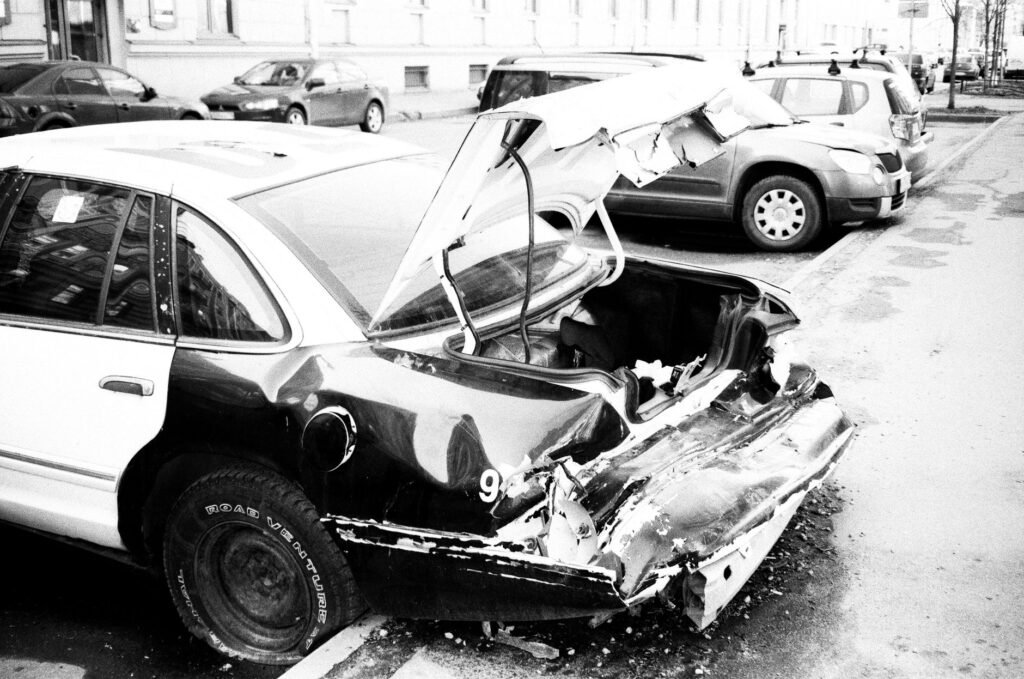
Experiencing a car accident is a distressing event that requires immediate attention and a clear understanding of car accident insurance in Nevada. Knowing what steps to take can significantly impact the outcome of your situation. This article outlines essential after car accident steps in Nevada, ensuring you are well-prepared to handle the aftermath effectively. We will delve into the Nevada accident procedure, detailing the necessary actions to take following a collision, as well as how to navigate the insurance claim process in Nevada. Understanding these components can help you secure the compensation you deserve while managing the stress that accompanies an accident. Additionally, we will address frequently asked questions about car accident insurance in Nevada, providing clarity on common concerns. Whether you are a resident or just passing through, having this knowledge at your fingertips can make a crucial difference. For more information on Nevada’s traffic laws, visit the Nevada DMV.
Understanding Car Accident Insurance in Nevada
When navigating the aftermath of a car accident in Nevada, understanding the legal requirements and types of car accident insurance Nevada offers is crucial. Each driver must ensure they comply with state laws while being adequately protected financially. This section will outline the necessary insurance coverage and the options available, helping you navigate the insurance claim process Nevada effectively.
What is Required by Law?
Nevada law mandates that all drivers carry a minimum level of car insurance. Specifically, you must have liability coverage of at least:
- $25,000 for bodily injury or death to one person
- $50,000 for bodily injury or death to multiple people
- $20,000 for property damage
Failing to meet these minimum requirements can result in fines, license suspension, and increased premiums. For more detailed information on Nevada’s car insurance laws, refer to the Nevada DMV website.
Types of Coverage Available in Car Accident Insurance Nevada
Beyond the minimum liability coverage required by law, various types of insurance can provide additional protection:
- Liability Insurance: Covers damages to others if you are at fault in an accident.
- Collision Insurance: Pays for damage to your own vehicle resulting from a collision, regardless of fault.
- Comprehensive Insurance: Covers non-collision-related incidents, such as theft, vandalism, or natural disasters.
Choosing the right combination of these coverages can significantly impact your financial well-being after an accident. Understanding the nuances of these policies is essential when following the insurance claim process in Nevada.
Proper insurance coverage not only complies with the law but also provides peace of mind, allowing you to focus on the necessary after car accident steps. With the right information, you can ensure that you are prepared for any unexpected events on the road.
Essential After Car Accident Steps in Nevada
Immediate Actions to Take
Experiencing a car accident can be overwhelming, but knowing the immediate steps to take can make a significant difference. First and foremost, check yourself and others for any injuries. If anyone is hurt, call 911 to request emergency medical assistance. It is crucial to assess the situation carefully and avoid moving anyone who is injured unless there is an imminent danger.
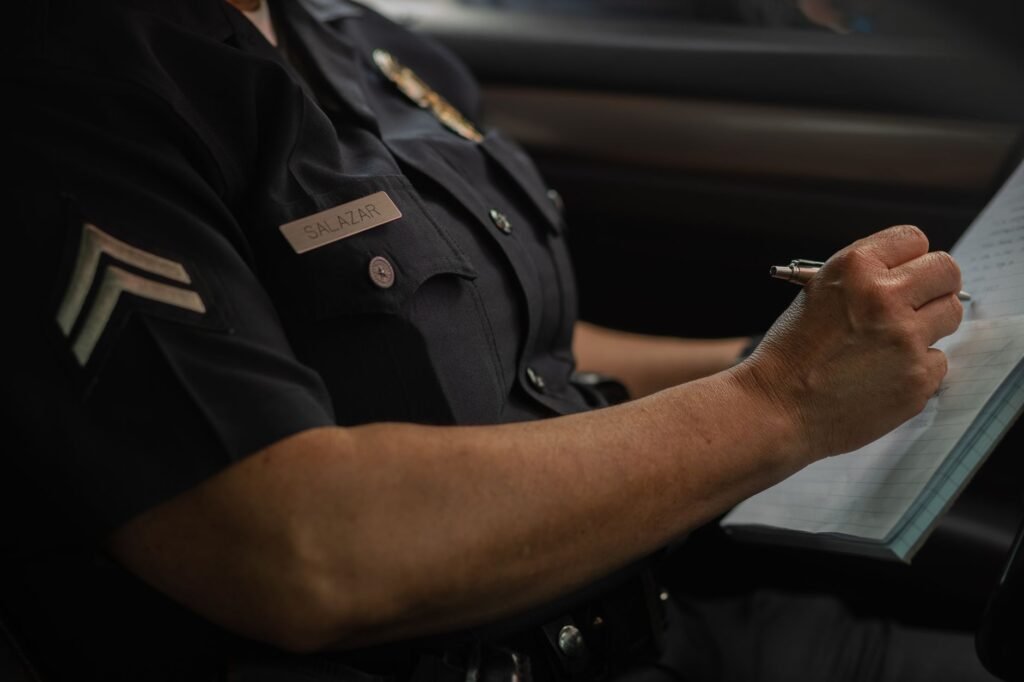
Next, you should contact law enforcement to report the accident. In Nevada, police will create a report, which is essential for the insurance claim process in Nevada. After ensuring safety and obtaining medical help, exchange information with the other driver. Collect names, phone numbers, addresses, insurance details, and license plate numbers.
Additionally, take note of the date, time, and location of the accident. This information will be vital for your car accident insurance Nevada claim.
Documenting the Incident for Your Car Accident Insurance Nevada Claim
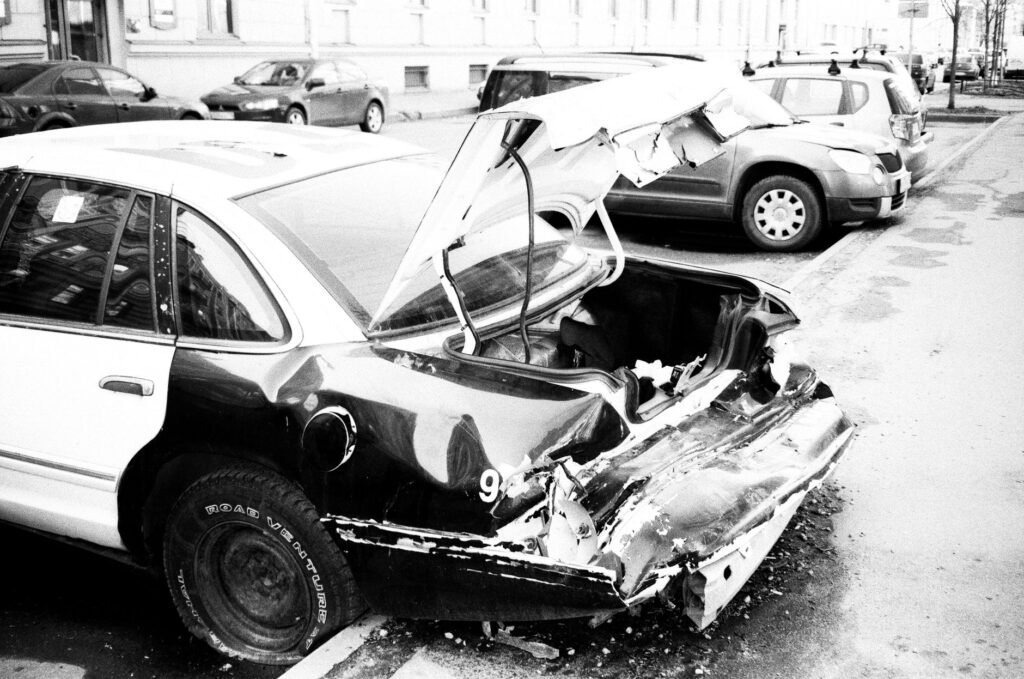
Proper documentation is a critical step in the aftermath of a car accident. Take photographs of the accident scene, including vehicle damage, road conditions, and any relevant traffic signs. These images can be instrumental in supporting your case when dealing with insurance companies.
If there are witnesses, gather their contact information and, if possible, obtain statements about what they observed. Witness accounts can provide valuable insights that may assist in establishing fault during the Nevada accident procedure.
Finally, ensure to acquire a copy of the police report once it is available. This document will serve as an official account of the incident and is often required when filing an insurance claim.
The Nevada Accident Procedure: Filing an Insurance Claim
Understanding the Insurance Claim Process in Nevada
After a car accident in Nevada, navigating the insurance claim process can be daunting. Generally, the process begins with notifying your insurance company of the accident as soon as possible. This prompt notification is crucial, as it can affect the outcome of your claim. The insurance claim process in Nevada typically unfolds in the following steps:
- Report the Accident: Contact your insurance provider to report the incident. Be prepared to provide details such as the date, time, and location of the accident, along with any involved parties’ information.
- Gather Documentation: Collect all necessary documentation, including police reports, medical records, and photographs of the accident scene and vehicle damage. This evidence is vital for substantiating your claim.
- File Your Claim: Complete the claim form provided by your insurer. Ensure that you include all relevant information and attach supporting documents.
- Claim Investigation: Your insurance company will investigate the claim. This may involve reviewing documentation, speaking with witnesses, and assessing damages.
- Settlement Negotiation: Once the investigation is complete, your insurer will present a settlement offer. You can negotiate if you believe the offer does not reflect your damages adequately.
- Receive Compensation: Upon agreement, you will receive compensation based on the terms of your policy and the damages incurred.
Keep in mind that the time frame for processing claims can vary, but most claims are resolved within 30 to 90 days. Being organized and proactive can help expedite the Nevada accident procedure.
Common Mistakes to Avoid
While navigating the insurance claim process in Nevada, several common pitfalls can delay or jeopardize your claim. Here are some mistakes to avoid:
- Delaying Notification: Failing to report the accident promptly can lead to complications. Always inform your insurer of any incident as soon as possible.
- Insufficient Documentation: Incomplete or missing documents can hinder your claim. Ensure you have all necessary paperwork ready when filing.
- Accepting Initial Offers: Do not feel pressured to accept the first settlement offer. Take the time to review and negotiate if necessary.
- Providing Inaccurate Information: Always provide truthful and accurate information when filing your claim. Misrepresentation can lead to denial of your claim.
Following these after car accident steps can help ensure you maximize your claim and receive the compensation you deserve. For more detailed guidance, consider consulting with a legal professional who specializes in car accident insurance in Nevada.

Navigating the Insurance Claim Process in Nevada
After a car accident in Nevada, understanding the insurance claim process Nevada is essential for obtaining the compensation you deserve. Effective communication with insurance adjusters can significantly impact the outcome of your claim.
Working with Insurance Adjusters
When you file a claim, an insurance adjuster will be assigned to evaluate your case. To facilitate a successful negotiation, consider the following tips:
- Be Prepared: Gather all relevant documentation, including police reports, medical records, and any correspondence related to the accident.
- Stay Honest: Provide truthful and accurate information about the accident. Misrepresenting facts can jeopardize your claim.
- Keep Records: Document every interaction with the adjuster, including dates, times, and what was discussed. This information can be vital if disputes arise.
Being proactive and organized in your communication can help streamline the insurance claim process Nevada and provide clarity both for you and the adjuster.
How to Maximize Your Claim with Car Accident Insurance Nevada
To ensure you receive the maximum compensation available, implement the following strategies:
- Obtain Medical Documentation: Collect all medical records related to your injuries. This includes initial diagnoses, treatment plans, and any follow-up visits. Clear documentation can substantiate your claim.
- Get Repair Estimates: Acquire detailed estimates for vehicle repairs. This will help justify your claim for property damage.
- Understand Your Coverage: Familiarize yourself with your insurance policy, including what is covered under your car accident insurance Nevada plan. Knowing your rights can empower you during negotiations.
Taking these after car accident steps can significantly improve your chances of receiving fair compensation. Remember, you are entitled to recover costs related to medical expenses, lost wages, and vehicle repairs.

Frequently Asked Questions About Car Accident Insurance in Nevada
Understanding car accident insurance in Nevada is crucial for drivers, especially after an incident on the road. Here are some common questions that can help clarify the insurance landscape and the steps to take following an accident.
What types of car accident insurance are required in Nevada?
Nevada law mandates that all drivers carry a minimum amount of liability insurance. This includes:
- $25,000 for bodily injury per person
- $50,000 for total bodily injury per accident
- $20,000 for property damage
Additionally, many drivers opt for additional coverage, such as collision or comprehensive insurance, to protect against various risks.
How does the insurance claim process in Nevada work?
The insurance claim process in Nevada typically begins with notifying your insurance company about the accident. You will need to provide details such as:
- Date and time of the accident
- Location and circumstances
- Contact information of all parties involved
- Police report, if applicable
After reporting, your insurance company will guide you through the claim process, which may include an investigation and settlement negotiations.
What are the after car accident steps I should follow?
Following an accident, it is essential to take specific after car accident steps to ensure your safety and legal compliance:
- Check for injuries and call emergency services if needed.
- Move vehicles to a safe location if possible.
- Document the scene with photos and witness information.
- Exchange information with other drivers and file a police report.
- Notify your insurance company promptly.
By understanding the requirements and processes involved in car accident insurance Nevada, drivers can navigate the aftermath of an accident more effectively. Always consult with your insurance provider for detailed guidance tailored to your situation.

Understanding the car accident insurance Nevada landscape is crucial for navigating the aftermath of an accident. Following the Nevada accident procedure can help ensure that you take the right steps to protect your rights and secure the compensation you deserve. By documenting the scene, gathering witness information, and notifying your insurance company, you set the foundation for a successful insurance claim process Nevada.
As you proceed with your claim, keep in mind the importance of adhering to the after car accident steps outlined in this article. Staying organized and informed will facilitate smoother interactions with insurance representatives. Whether you need to file a claim or seek legal assistance, knowing what to expect will empower you throughout this process. For your next step, consider reaching out to your insurance provider to start an initial discussion about your coverage and options available for your specific situation.
“`html
What should I do immediately after a car accident in Nevada?
Immediately after a car accident in Nevada, ensure everyone’s safety by checking for injuries. Call 911 to report the accident and seek medical help if needed. Exchange information with the other driver, including names, contact details, and insurance information. Document the scene with photos and gather witness statements if possible. Finally, notify your insurance company as soon as possible to start the car accident insurance Nevada process.
How do I file an insurance claim after a car accident?
To file an insurance claim after a car accident in Nevada, contact your insurance company promptly. Provide them with all necessary details, including the accident report, photos, and any witness information. Follow their guidance on the claim process and keep records of all communications. Additionally, understand the insurance claim process Nevada regulations to ensure a smooth filing experience.
What are the common mistakes to avoid when filing a claim?
Common mistakes to avoid when filing a car accident insurance claim in Nevada include delaying to report the accident, failing to gather sufficient evidence, and not keeping detailed records of the incident. Additionally, avoid admitting fault at the scene or in communications with your insurer. Lastly, not understanding your policy coverage can lead to unexpected denial of claims, so review your policy carefully.
How long do I have to file a claim in Nevada?
In Nevada, you generally have two years from the date of the car accident to file a claim for personal injury or property damage. It is essential to adhere to this timeline, as failing to file within the statute of limitations may result in losing your right to seek compensation. Always consult with a legal professional if you’re unsure about the deadlines applicable to your situation.
What types of insurance are required in Nevada?
Nevada law requires that all drivers carry liability insurance, which includes coverage for bodily injury and property damage. The minimum required coverage limits are $25,000 for bodily injury per person, $50,000 for total bodily injury per accident, and $20,000 for property damage. Additionally, many drivers opt for uninsured and underinsured motorist coverage for added protection, as it can be beneficial in case of an accident with uninsured drivers.
What if the other driver is uninsured in Nevada?
If the other driver is uninsured in Nevada, your options may depend on your own insurance policy. If you have uninsured motorist coverage, you can file a claim under that policy to cover your injuries and damages. If not, you may need to pursue a personal injury lawsuit against the other driver, although collecting damages can be challenging if they lack insurance or assets. Consult with an attorney to explore your best options.
“`