

After a car accident in Nevada, knowing what steps to take can significantly impact your recovery and the outcome of your claims. Navigating the aftermath of a collision involves understanding the accident claim process, adhering to Nevada accident laws, and effectively managing your insurance claim steps. This article will guide you through the essential immediate actions to take following an accident, how to document the scene properly, and what to expect during the claims process. Additionally, we will discuss the importance of dealing with insurance companies and when it may be necessary to seek legal assistance. Finally, we will cover the final steps after a car accident in Nevada, ensuring you are well-informed and prepared for the journey ahead. Whether you are a resident or a visitor, staying informed about your rights and responsibilities can help you navigate this challenging situation more effectively. For further information on Nevada’s specific laws, refer to Nevada’s Department of Motor Vehicles and Nevada Legislature.
Immediate Actions After a Car Accident in Nevada
Experiencing a car accident can be overwhelming, but knowing the immediate steps to take can help ensure safety and compliance with Nevada accident laws. Here’s what to do right after a car accident in Nevada.
Prioritize Safety and Check for Injuries
Your first priority after a car accident in Nevada should be ensuring your safety and the safety of others involved. If the vehicles are drivable, move them to a safe location away from traffic to prevent further incidents. Turn on hazard lights and check for injuries among all parties. If anyone is injured, avoid moving them unless there is an imminent danger, as this could worsen their condition.
Once you have assessed the situation, it is crucial to document any visible injuries and property damage for your records and potential future claims. Ensure that you collect the necessary information from other drivers, including names, contact details, insurance information, and vehicle details.
Call the Authorities
Under Nevada accident laws, you are legally obligated to report any car accident that results in injury or substantial property damage. Call 911 to report the incident and request police assistance. A police report can be invaluable during the accident claim process, as it provides an official account of the incident. When law enforcement arrives, be cooperative and provide them with accurate information about the accident.
Once the authorities have documented the scene and created a report, you can begin moving forward with the insurance claim steps. Make sure to obtain a copy of the police report, as it will be a critical piece of evidence when filing your claim.
Documenting the Scene of the Accident in Nevada
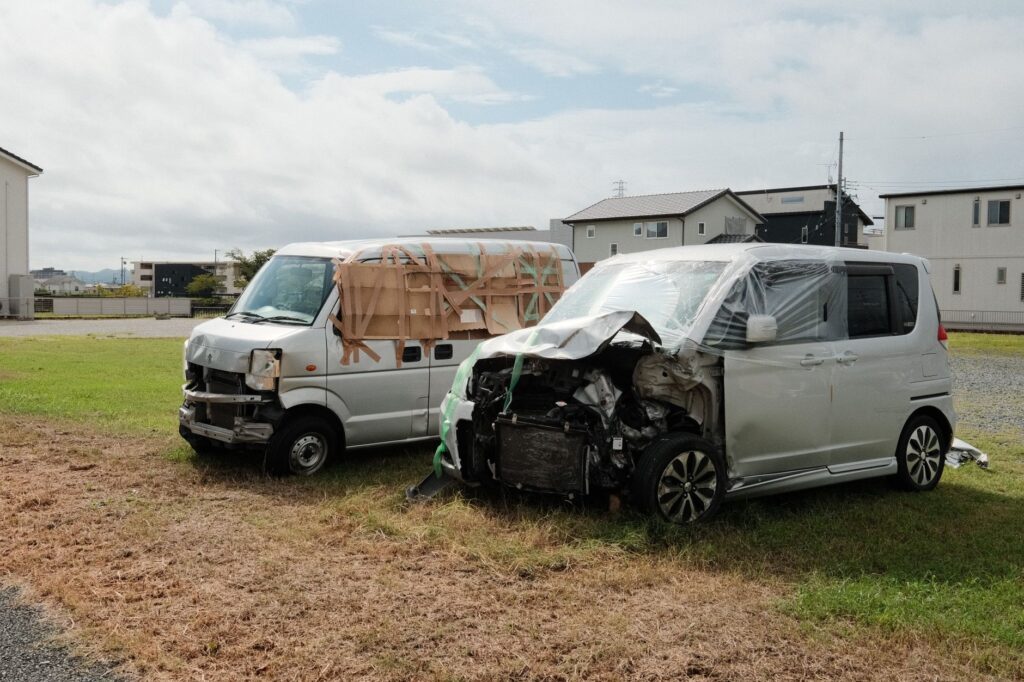
Immediately after a car accident in Nevada, documenting the scene is crucial for ensuring a smooth accident claim process. Proper documentation can significantly impact your ability to recover damages and navigate the complexities of Nevada accident laws.
Taking Photos and Gathering Evidence
One of the most effective ways to document the scene is by taking detailed photos. Capture the following:
- The position of all vehicles involved
- The surrounding environment, including road conditions and signage
- Any visible injuries or damage to property
- License plates and vehicle identification numbers
These images serve as vital evidence when filing your insurance claim steps and can help substantiate your case. Additionally, note the time and weather conditions, as these factors may also contribute to the accident.
Exchanging Information with Other Drivers After Car Accident Nevada
After ensuring safety and calling the authorities, exchanging information with the other drivers involved is essential. Gather:
- Names and contact information
- Insurance details, including policy numbers
- Driver’s license numbers
- Make and model of the vehicles involved
Collecting witness information can also strengthen your claim. Ask for names and contact details from any bystanders who saw the accident occur. Witness statements can provide additional support during the accident claim process, particularly if disputes arise regarding fault.
By thoroughly documenting the scene, you lay a solid foundation for navigating the complexities of the aftermath. This diligence will not only help you in the claims process but also ensure adherence to Nevada accident laws, protecting your rights and interests.

Understanding the Accident Claim Process in Nevada
Filing a Claim with Your Insurance Provider After a Car Accident in Nevada
After a car accident in Nevada, your first step should be to contact your insurance provider. Reporting the accident promptly is crucial, as most insurance policies require immediate notification. When you file a claim, be prepared to provide details about the accident, including the date, time, location, and any involved parties. Collect documentation such as police reports and photographs of the accident scene to support your claim.
Navigating the Accident Claim Process
The accident claim process in Nevada can seem daunting, but understanding the necessary insurance claim steps can simplify it. Here’s a structured approach:
- Report the Accident: Notify your insurer as soon as possible. This includes providing them with all relevant details and documentation.
- Investigation: Your insurance company will investigate the claim. This may involve reviewing police reports, witness statements, and any evidence you provide.
- Assessment: Once the investigation is complete, the insurer will assess the damages and determine liability based on Nevada accident laws.
- Settlement Offer: Your insurer will make a settlement offer. You can accept it, negotiate, or appeal if you feel it is insufficient.
- Receive Compensation: After accepting a settlement, you will receive compensation for your damages, which may include medical expenses, vehicle repairs, and lost wages.
Understanding these steps in the accident claim process will help you navigate the complexities of filing a claim after a car accident in Nevada. Make sure to keep thorough records and communicate clearly with your insurer throughout the process.

Dealing with Insurance Companies After a Car Accident in Nevada
After a car accident in Nevada, navigating the insurance claim process can be overwhelming. Understanding how to communicate effectively with insurance adjusters and evaluate settlement offers is crucial for a favorable outcome.
Communicating with Your Insurance Adjuster
When you file an insurance claim, an adjuster will be assigned to your case. Here are some tips for effective communication:
- Be Prepared: Gather all necessary documentation, including accident reports, medical records, and repair estimates. This will help you provide accurate information and support your claim.
- Stay Professional: Always maintain a calm and professional demeanor when speaking with the adjuster. Avoid emotional responses, which can cloud judgment.
- Stick to the Facts: Provide clear, concise details about the accident and avoid speculating on fault or discussing your injuries in depth. The adjuster’s job is to assess the situation based on facts.
- Avoid Recorded Statements: Be cautious about agreeing to give a recorded statement without consulting your attorney first. What you say can impact your claim.
Understanding Settlement Offers After a Car Accident in Nevada
Once the insurance company evaluates your claim, they may present a settlement offer. It’s important to analyze this offer carefully:
- Evaluate the Offer: Compare the settlement amount to the costs of medical bills, lost wages, and vehicle repairs. Consider future medical expenses as well.
- Know Your Worth: Understand Nevada accident laws to better gauge if the settlement offer is fair. Consulting with a personal injury attorney can provide insights into what you may be entitled to.
- Avoid Quick Settlements: Insurance companies may pressure you to accept a fast offer, which often undervalues your claim. Take your time to review all aspects before deciding.
By following these insurance claim steps, you can navigate the complex landscape of dealing with insurance companies after a car accident in Nevada more effectively.

When to Consider Legal Assistance After a Car Accident in Nevada
After a car accident in Nevada, knowing when to seek legal assistance can significantly influence the outcome of your case. Legal representation can be crucial, particularly in complex situations or when personal injuries are involved.
Identifying When You Need a Lawyer
If you find yourself dealing with severe injuries, significant property damage, or disputes over liability, it may be time to consult with a lawyer. For instance, if the accident results in medical bills that exceed your insurance limits or if you face challenges in communicating with insurance companies, a legal professional can help navigate the Nevada accident laws that govern your situation.
Additionally, if the other party contests fault or if multiple parties are involved, the accident claim process can become complicated. An attorney can provide the necessary expertise to ensure that your rights are protected and that you receive fair compensation for your injuries and damages.
The Benefits of Legal Representation
Hiring a lawyer after a car accident in Nevada offers several advantages. They can guide you through the insurance claim steps, ensuring that you meet all deadlines and submit the necessary documentation. Furthermore, a lawyer can help you understand your legal rights, which is vital when dealing with insurance companies that may attempt to minimize your claim.
Having legal representation can also alleviate the stress of negotiations, allowing you to focus on your recovery. Remember, even minor accidents can escalate, and having an attorney can be a proactive measure to safeguard your interests.

Final Steps After a Car Accident in Nevada
Follow Up on Medical Treatment After a Car Accident in Nevada
After a car accident in Nevada, prioritizing your health is crucial. Even if you feel fine, some injuries may not be immediately evident. Schedule follow-up appointments with your healthcare provider and adhere to any prescribed treatment plans. This not only ensures your wellbeing but also provides documented evidence of your injuries, which is vital for the accident claim process. Keep copies of all medical records, treatment plans, and any referrals to specialists, as these will be essential in substantiating your claims with insurance companies.
Keep Track of Expenses and Documentation
Maintaining thorough records of all expenses related to the accident is another critical step. Document your medical bills, vehicle repair costs, and any other expenses incurred due to the accident. This includes lost wages if your injuries prevented you from working. Accurate documentation will support your claims and streamline the insurance claim steps. Use a dedicated folder or digital tool to organize receipts and records, ensuring they are easily accessible when needed.
In Nevada, accident laws require that you provide evidence of damages to successfully pursue compensation from at-fault parties. Therefore, staying organized and proactive about your treatment and documentation can significantly impact the outcome of your claim. By following these steps, you position yourself for a smoother recovery process and a more effective resolution of your accident claim.

After a car accident in Nevada, it is crucial to understand the next steps to safeguard your rights and ensure proper compensation. Familiarize yourself with the accident claim process, as this will guide you through gathering necessary evidence, filing your claim, and communicating effectively with your insurance company. Knowing Nevada accident laws can significantly influence the outcome of your case, so consider consulting with a legal professional who specializes in this area.
To navigate the insurance claim steps effectively, keep detailed records of all communications and documentation related to the accident. This will not only help you stay organized but also strengthen your position during negotiations with insurers. By taking these proactive measures, you can better manage the complexities of the situation and focus on your recovery. If you haven’t already, reach out to a qualified attorney to discuss your case and explore your options.
“`html
What should I do immediately after a car accident in Nevada?
Immediately after a car accident in Nevada, ensure everyone’s safety by checking for injuries and moving to a safe location if possible. Call 911 to report the accident and seek medical assistance if necessary. Gather essential information, including the other driver’s details, vehicle information, and insurance information. Document the scene with photos and take notes about the accident’s circumstances. It’s vital to avoid admitting fault or discussing the accident’s details with others at the scene.
How do I file an insurance claim after a car accident in Nevada?
To file an insurance claim after a car accident in Nevada, start by contacting your insurance company as soon as possible. Provide them with all necessary details, including the accident report, witness statements, and any evidence you’ve collected. Follow the insurance claim steps outlined by your provider, which may include filling out specific forms and submitting documents. Keep a record of all communications and follow up regularly to ensure your claim is processed efficiently.
What are the key Nevada accident laws I need to know?
In Nevada, understanding key accident laws is crucial. Nevada follows a comparative negligence rule, meaning compensation can be reduced based on your percentage of fault. Additionally, Nevada law requires you to report accidents resulting in injury or significant property damage to law enforcement. It’s also essential to know the statute of limitations for filing a personal injury claim, which is typically two years from the accident date. Familiarizing yourself with these Nevada accident laws can help you navigate the aftermath more effectively.
What evidence should I collect after a car accident in Nevada?
After a car accident in Nevada, collect evidence that may support your case. Take photographs of the accident scene, including vehicle damage, road conditions, and any relevant traffic signs. Obtain contact information from witnesses and document their statements. Keep copies of police reports and medical records if you sought treatment. Any additional documentation, such as repair estimates or photographs of injuries, can also be valuable during the insurance claim process.
When should I hire a lawyer after a car accident in Nevada?
Consider hiring a lawyer after a car accident in Nevada if you suffer significant injuries, face complex insurance issues, or if liability is disputed. A lawyer can help you navigate the legal landscape, ensuring you understand your rights and the compensation you may be entitled to. Additionally, if you’re dealing with large medical bills or lost wages, legal representation can be invaluable in negotiating a fair settlement or pursuing a lawsuit if necessary.
How long do I have to file a claim after a car accident in Nevada?
In Nevada, you typically have two years from the date of the car accident to file a personal injury claim. This timeframe is crucial to ensure you can pursue compensation for damages. If you miss this deadline, you may lose your right to seek legal recourse. It’s advisable to start the process sooner rather than later, allowing ample time to gather evidence and consult with a lawyer if needed.
“`