
Nevada car insurance challenges present unique obstacles for drivers navigating the state’s diverse terrain and unpredictable weather. The insurance market in Nevada is influenced by various factors, including the state’s distinct driving conditions, which can significantly impact coverage options and costs. This article delves into the nuances of car insurance in Nevada, examining how local driving conditions affect insurance rates and availability. We will explore solutions for those facing high-risk insurance in Nevada, providing insights and strategies to help you secure the best coverage possible. By understanding the specific Nevada car insurance challenges you may encounter, you can take proactive steps to manage your insurance journey effectively. Whether you are a new driver or a seasoned veteran, this guide aims to equip you with the knowledge necessary to navigate the complexities of the Nevada insurance landscape and ensure you are adequately protected on the road.
Understanding Nevada Car Insurance Challenges
Nevada’s car insurance landscape is characterized by a mix of unique regulations, diverse driving conditions, and specific challenges that drivers must navigate. Understanding these Nevada car insurance challenges is crucial for both new and experienced drivers. The insurance market in Nevada differs significantly from those in other states, influenced by factors such as urban versus rural driving environments and the state’s legal requirements.
The Landscape of the Insurance Market in Nevada
The insurance market in Nevada operates under regulations designed to ensure that all drivers maintain a minimum level of liability coverage. As of 2023, the state mandates that drivers carry at least $25,000 in bodily injury liability per person, $50,000 per accident, and $20,000 in property damage liability. However, these requirements may not cover all potential costs, especially in accidents involving severe injuries or extensive property damage. Furthermore, the state also imposes penalties for driving without insurance, which can be quite severe.
One of the primary concerns in the Nevada insurance market is the challenge posed by Nevada driving conditions. With a mix of urban environments like Las Vegas and rural areas, the risk factors vary significantly. Urban areas tend to have higher accident rates due to increased traffic, while rural areas face risks related to wildlife and less-maintained roads.
Common High-Risk Insurance Scenarios in Nevada
Many drivers in Nevada find themselves categorized as high-risk insurance Nevada policyholders, which can lead to increased premiums. Common scenarios that classify drivers as high-risk include:
- Having multiple traffic violations or accidents on their record
- Driving under the influence of alcohol or drugs
- Being a new driver or a driver with limited experience
- Owning a vehicle deemed high-performance or luxury
Insurance providers often consider these factors when calculating premiums, leading to significant differences in rates between standard and high-risk drivers. This categorization can complicate the insurance purchasing process, making it essential for affected drivers to explore their options thoroughly. By understanding the implications of being classified as high-risk, drivers can make informed decisions about their insurance coverage and find ways to improve their risk profile over time.
Overall, addressing Nevada car insurance challenges requires drivers to stay informed about market regulations and to evaluate their driving habits critically. By doing so, they can mitigate risks and secure more favorable insurance rates.
Impact of Nevada Driving Conditions on Insurance
Nevada car insurance challenges are heavily influenced by the state’s diverse driving conditions, which include unique weather patterns and geographical features. Understanding these factors can help drivers navigate their insurance options more effectively.
Weather and Terrain Considerations
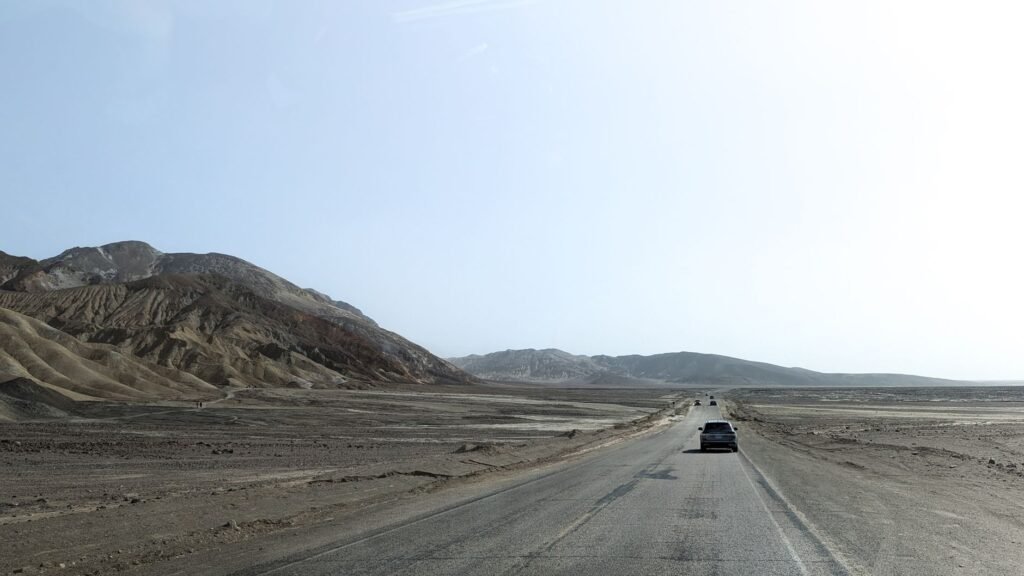
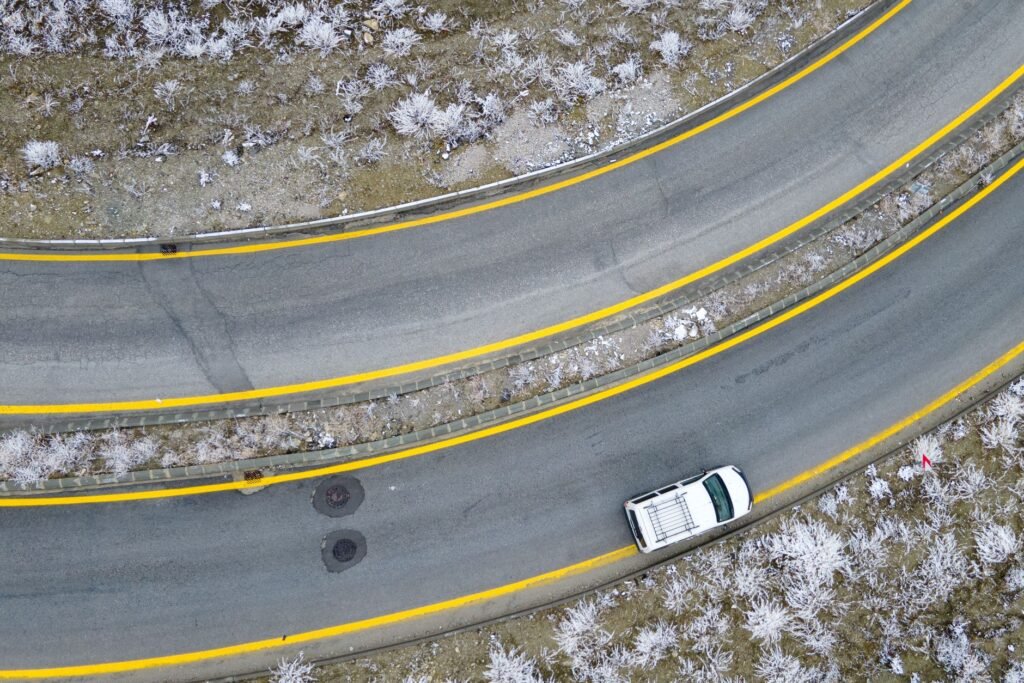
Nevada’s climate varies significantly, with regions experiencing extreme temperatures, seasonal rains, and winter snow. For instance, the northern part of the state can see harsh winters, impacting road conditions and increasing the likelihood of accidents. According to the Nevada Department of Transportation, winter storms can create hazardous driving situations, leading to a rise in claims during these months. Such weather patterns can affect the rates offered by insurers as they consider the likelihood of claims related to weather-related accidents.
Additionally, Nevada’s terrain presents its own set of challenges. The state features mountainous areas, deserts, and expansive rural roads that can be treacherous, especially for inexperienced drivers. Insurance companies often categorize drivers in these regions as higher-risk, which can lead to higher premiums. Those seeking high-risk insurance in Nevada may find their options limited, as not all insurers are willing to cover drivers in such conditions.
Nevada Car Insurance Challenges: Urban vs. Rural Driving Risks
Driving in urban areas like Las Vegas and Reno poses different risks compared to rural settings. Urban environments typically have higher traffic density, increasing the risk of accidents. According to the California Department of Insurance, urban drivers experience more frequent collisions, which can lead to higher insurance premiums. In contrast, rural areas may present fewer accidents, but the potential for long distances between services and emergency responders can affect the type of coverage needed.
Moreover, the insurance market in Nevada reflects these urban-rural disparities. Insurers often adjust their rates based on the location and the associated risk factors. Drivers in urban areas may need to consider additional coverage options to protect against theft or vandalism, while those in rural areas might focus on comprehensive coverage to account for the long stretches of unmonitored roads.
Ultimately, understanding how Nevada driving conditions influence insurance rates can help consumers make informed decisions. By evaluating their specific risks based on location and driving habits, drivers can better navigate the complexities of the insurance market in Nevada.

Finding Solutions to Nevada Car Insurance Challenges
Strategies for Reducing Insurance Costs
Navigating Nevada car insurance challenges often involves managing costs while ensuring adequate coverage. One effective strategy for reducing insurance premiums is to take advantage of available discounts. Many insurers offer reductions for safe driving records, multiple policy bundling, and even for completing defensive driving courses. Additionally, consider using telematics programs offered by some insurance companies, which track driving habits and may reward safe driving with lower rates.
Another way to manage costs is by understanding the insurance market in Nevada, which can vary significantly. Research various companies to compare rates and find the best deal tailored to your needs. For those categorized as high-risk drivers, such as those with a history of accidents or traffic violations, seeking out insurers that specialize in high-risk insurance in Nevada can lead to more favorable terms.
Choosing the Right Coverage for Your Needs and Addressing Nevada Car Insurance Challenges
Selecting the right type of coverage is crucial in addressing Nevada car insurance challenges. Assess your driving habits and the Nevada driving conditions, which include factors like frequent desert storms and high-speed highways. Comprehensive and collision coverage may be essential for those who frequently drive in challenging conditions, while liability coverage might suffice for those who drive infrequently.
Another consideration is your financial situation. Evaluate whether you can afford a higher deductible that may lower your premium. It’s also wise to review your coverage annually or when your circumstances change, as this can help you adjust to new risks or savings opportunities.
Ultimately, being proactive about your insurance policy not only alleviates the Nevada car insurance challenges but also empowers you to make informed decisions that align with your unique needs. For further insights on insurance strategies, visit Full Coverage vs Liability Insurance in Nevada.

“`html
Navigating High-Risk Insurance in Nevada
Understanding High-Risk Designations and Nevada Car Insurance Challenges
Navigating the landscape of high-risk insurance in Nevada can be daunting, especially for those who may not fully understand their designation. A driver may be labeled as high-risk due to various factors, including a history of traffic violations, accidents, or even specific driving behaviors. In Nevada, the Department of Insurance provides guidelines that help clarify what constitutes a high-risk driver. This designation impacts insurance premiums significantly, as high-risk drivers often face higher rates due to the perceived likelihood of filing claims.
It’s essential to assess your insurance market in Nevada to understand your options. High-risk drivers may have limited choices compared to standard drivers, as not all insurers are willing to underwrite policies for them. This limitation can lead to increased costs, making it crucial to shop around and compare quotes from multiple insurance providers.
Resources for High-Risk Drivers
For those facing the Nevada car insurance challenges associated with high-risk designations, several resources can help manage costs and find suitable coverage:
- State Programs: Nevada offers programs aimed at helping high-risk drivers secure car insurance. Programs like the Nevada Assigned Risk Plan provide a safety net for those who cannot obtain insurance through traditional means.
- Insurance Agents: Consult with local insurance agents who specialize in high-risk insurance in Nevada. They can provide tailored advice and help you navigate the complexities of the market.
- Online Comparison Tools: Utilize online platforms to compare quotes from different insurers. This can help you find the best rates and coverage options available for your situation.
- Defensive Driving Courses: Completing a defensive driving course may qualify you for discounts on premiums. Many insurers offer incentives for drivers who demonstrate improved driving skills.
Understanding your risk status and utilizing available resources can significantly ease the burden of high-risk insurance in Nevada. By staying informed and proactive, you can navigate the challenges effectively and secure affordable coverage despite the Nevada driving conditions.

“`
Conclusion: Taking Control of Your Car Insurance Journey
Navigating the complexities of car insurance in Nevada can be daunting, especially with the unique Nevada car insurance challenges that residents face. From understanding the intricacies of the local insurance market in Nevada to adapting to the varied Nevada driving conditions, it’s crucial to equip yourself with the right information and tools.
Throughout this article, we have explored key aspects such as the importance of comparing insurance rates, the implications of being classified as a high-risk driver, and how the state’s diverse terrain impacts insurance costs. Understanding these factors can empower you to make informed decisions tailored to your specific needs.
Addressing Nevada Car Insurance Challenges Proactively
Proactive measures can significantly ease the stress of dealing with car insurance. Here are some actionable steps you can take:
- Shop Around: Always compare multiple quotes from different insurance providers. This helps you find the best coverage at the most competitive price.
- Maintain a Clean Driving Record: Safe driving can lower your insurance premiums and reduce the chances of being categorized as a high-risk driver in Nevada.
- Explore Discounts: Many insurers offer discounts for various reasons, including bundling policies or having a good credit score. Make sure to ask about available options.
- Stay Informed: Regularly review your policy and stay updated on changes in the law or the insurance market that may impact your coverage.
By taking these steps, you can better navigate the Nevada car insurance challenges you may face and secure the best possible coverage for your needs. Remember, staying informed and proactive is the key to effectively managing your insurance journey in the Silver State. For further assistance, consider reaching out to a local insurance agent who understands the nuances of the Nevada market.
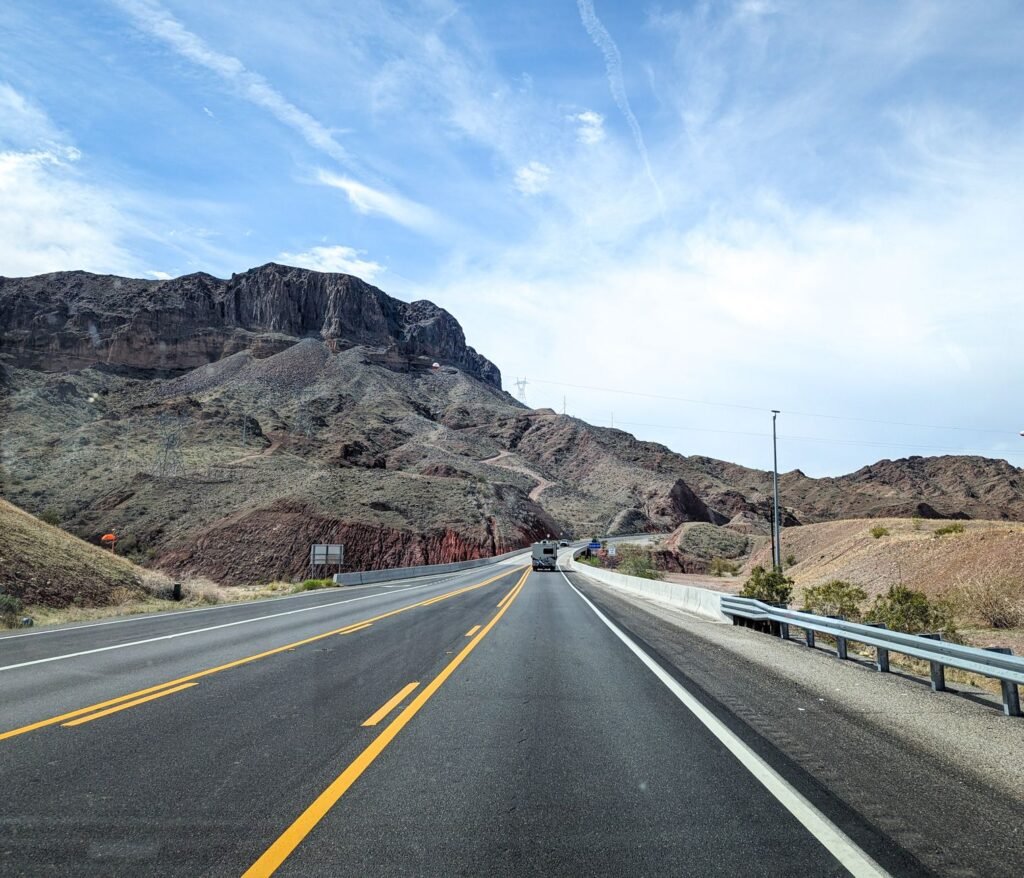
Navigating Nevada’s unique car insurance challenges requires a keen understanding of the local insurance market Nevada and its specific regulations. Drivers must be aware that certain factors, such as Nevada driving conditions and individual driving records, can significantly impact insurance premiums. Those categorized as high-risk may find themselves facing elevated rates, making it essential to explore various options and compare policies to secure the best coverage.
For those grappling with the complexities of Nevada car insurance challenges, taking proactive steps is crucial. Begin by assessing your driving habits and researching companies that specialize in high-risk insurance Nevada. This approach will not only help you find more affordable rates but also ensure you have the appropriate coverage for your unique needs. Stay informed and keep your options open to navigate the nuances of insurance effectively.
“`html
What are the common Nevada car insurance challenges?
Common Nevada car insurance challenges include high premiums, limited coverage options, and unique state regulations. The cost of insurance can be significantly influenced by factors such as the high number of uninsured drivers and the state’s varying driving conditions. Additionally, some areas may have higher rates of accidents, which can further elevate costs. Understanding these challenges is crucial for residents seeking to navigate the Nevada car insurance landscape effectively.
How does the insurance market Nevada differ from other states?
The insurance market Nevada is distinct due to its geographical diversity and population dynamics. Urban areas like Las Vegas experience higher rates of claims due to traffic density, while rural regions may face different risks such as wildlife collisions. Additionally, Nevada has specific legal requirements, like mandatory liability coverage, which can differ from other states. These factors contribute to unique pricing structures and availability of coverage options in the state.
What qualifies as high-risk insurance in Nevada?
High-risk insurance in Nevada typically applies to drivers with a history of traffic violations, accidents, or DUI charges. Insurance providers assess risk based on driving records, credit scores, and other factors. If a driver is classified as high-risk, they may face higher premiums or limited coverage options. It is essential for these drivers to shop around to find the best rates available for high-risk insurance Nevada.
How do Nevada driving conditions affect insurance rates?
Nevada driving conditions significantly impact insurance rates due to factors like weather, terrain, and traffic patterns. For example, areas with extreme heat can lead to vehicle wear and accidents, while mountainous regions may pose unique driving challenges. Additionally, urban areas with heavy traffic contribute to higher accident rates, which can drive up premiums. Understanding these Nevada driving conditions can help drivers anticipate potential costs associated with their insurance.
What strategies can I use to find affordable car insurance in Nevada?
To find affordable car insurance in Nevada, consider shopping around and comparing quotes from multiple insurers. Look for discounts such as safe driving, bundling policies, or low mileage. Additionally, maintaining a good credit score can help lower premiums. Engaging with local insurance agents who understand the unique challenges of the Nevada car insurance market can also provide personalized assistance in finding the right coverage at an affordable price.
Are there specific resources for high-risk drivers in Nevada?
Yes, high-risk drivers in Nevada can access specific resources designed to help them find insurance. The Nevada Department of Motor Vehicles offers information on the state’s Assigned Risk Plan, which ensures that all drivers can obtain coverage, even if they have a poor driving record. Additionally, various non-profit organizations and insurance brokers specialize in assisting high-risk drivers in navigating their options and finding suitable policies.
“`