Nevada car insurance weather impact is a crucial topic for drivers navigating the state’s diverse climate. From the scorching deserts to the snowy mountains, the weather in Nevada plays a significant role in shaping insurance premiums. Understanding the weather effects on insurance can help consumers make informed decisions when selecting coverage. This article delves into the key insurance rate factors related to Nevada’s climate, exploring how different weather conditions influence risk assessments and premium adjustments. We will also provide practical tips for navigating the complexities of Nevada car insurance, ensuring that you are adequately protected regardless of the season. To further enhance your understanding, we will reference expert insights and data from reputable sources, including the State of Nevada and the National Association of Insurance Commissioners. Join us as we uncover the intricacies of Nevada climate insurance and equip you with the knowledge to make sound insurance choices.
Understanding the Nevada Car Insurance Weather Impact
Overview of Nevada’s Climate
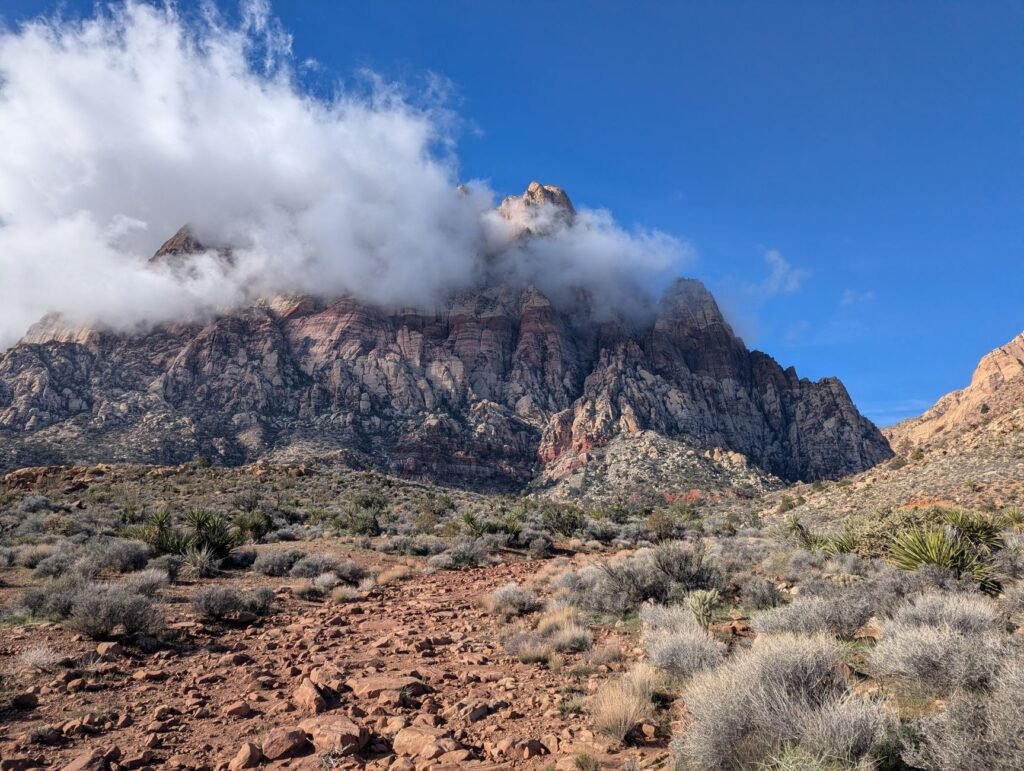
Nevada is known for its diverse climate, which varies significantly across the state. From the arid deserts in the south to the mountainous regions in the north, the weather patterns can influence various aspects of daily life, including driving and, consequently, car insurance. The state’s dry climate leads to minimal rainfall but is also prone to extreme conditions, such as flash floods and snowstorms, particularly in the winter months. Understanding these unique weather patterns is essential for residents to navigate the Nevada car insurance weather impact effectively.
Moreover, the state experiences high temperatures in summer, which can cause issues like tire blowouts and engine overheating. On the other hand, winter brings icy roads in higher elevations, increasing the risk of accidents. These seasonal changes are crucial factors that insurance companies consider when assessing risk and determining premiums.
How Weather Affects Insurance Rates
Weather effects insurance in Nevada can be substantial. Insurance providers often evaluate the likelihood of natural disasters, such as wildfires and flooding, which are prevalent in certain areas. For instance, according to the FEMA, the risk of wildfires is particularly high in the western United States, including Nevada. This risk can lead to increased insurance rates as providers factor in the potential costs associated with claims resulting from such disasters.
Additionally, seasonal changes can also play a role in influencing insurance rates. For example, during winter months, areas that experience snow may see a rise in accident claims. This correlation between climate and insurance premiums is crucial for understanding Nevada climate insurance. Insurers often adjust their rates based on historical data related to weather patterns and accident frequency.
Therefore, when evaluating insurance policies, it is important to consider the various insurance rate factors that are influenced by the local climate. By understanding these elements, Nevada residents can better anticipate how weather might impact their insurance costs and select the appropriate coverage.
Key Insurance Rate Factors Related to Nevada’s Climate
Nevada Car Insurance Weather Impact: Natural Disasters and Insurance Costs
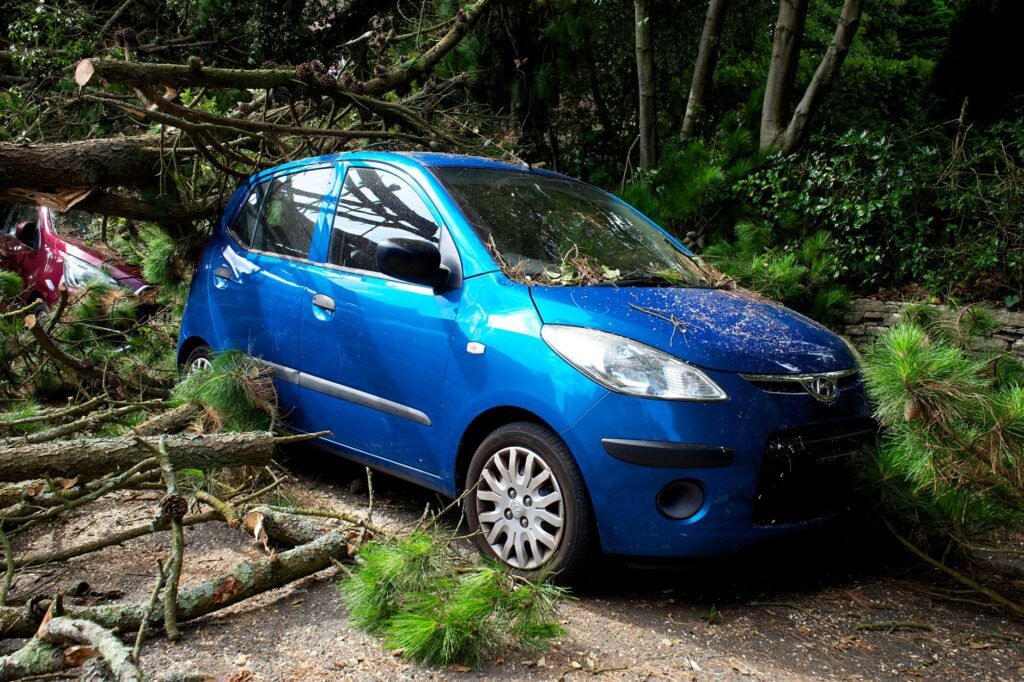
Nevada’s climate is characterized by its arid conditions, but it is not immune to natural disasters that significantly affect insurance rates. The prevalence of wildfires, particularly in the northern regions, is a major concern. According to the Nevada Division of Forestry, the state has witnessed an increase in the frequency and severity of wildfires, which can lead to extensive property damage and higher claims on insurance policies. This increased risk is reflected in rising premiums for car insurance, as insurers account for the likelihood of vehicle damage from such disasters.
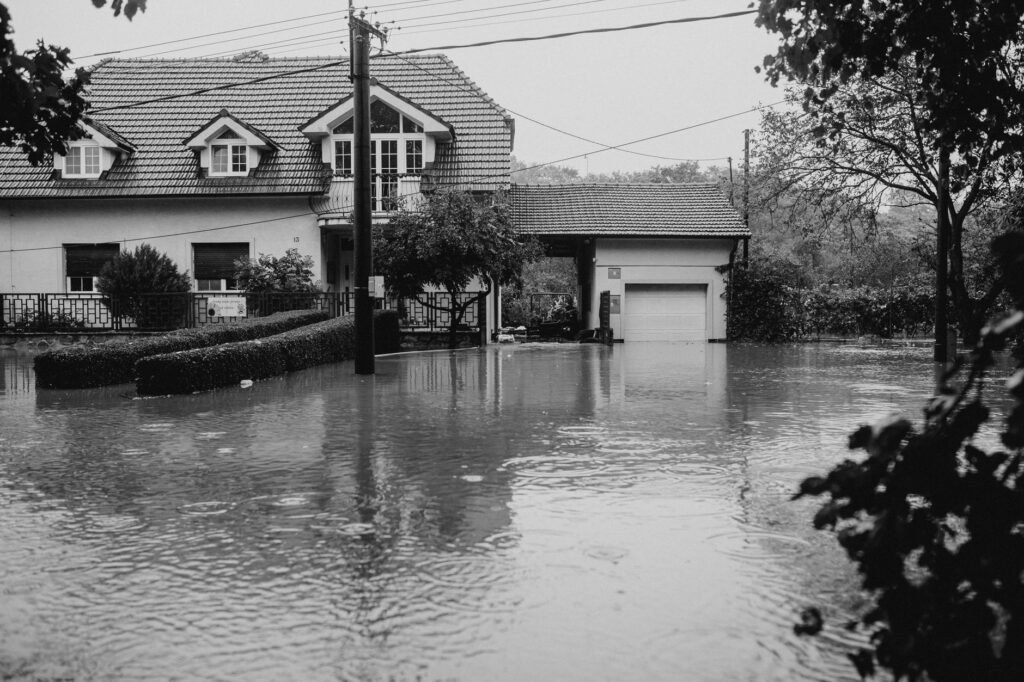
Additionally, flooding is a growing threat in certain areas, particularly during the monsoon season. The National Weather Service has reported increased precipitation trends in Southern Nevada, which can lead to localized flooding. Car insurance policies often factor in potential flooding damage, especially for vehicles parked in low-lying areas, resulting in increased rates. Understanding these local climate risks is crucial for those seeking Nevada climate insurance.
Moreover, heavy snowfall in the Sierra Nevada mountains can affect insurance costs. While the greater Las Vegas area may experience minimal snow, regions outside the city can see significant snow accumulation, leading to higher accident rates. Insurance companies typically adjust their rates based on the increased risk of accidents caused by winter weather conditions, influencing the overall cost of Nevada car insurance.
Seasonal Weather Patterns and Their Impact on Insurance Rates
Seasonal weather patterns in Nevada also play a critical role in shaping insurance rate factors. The state experiences extreme temperature fluctuations, with scorching summers and chilly winters. These conditions can impact vehicle performance and safety, leading to a higher likelihood of claims related to mechanical failures or accidents caused by weather-related hazards.
Insurance companies may also consider the frequency of severe weather events when calculating premiums. For instance, the summer months can bring dust storms and flash floods, both of which pose risks to drivers. As a result, insurers often use historical weather data to predict potential claims, thereby influencing the cost of weather effects insurance in Nevada.
Ultimately, understanding how Nevada’s unique climate influences insurance rates is essential for consumers. By recognizing the specific risks associated with wildfires, floods, and seasonal weather patterns, drivers can make informed decisions about their insurance coverage. Being proactive in assessing these factors can lead to more tailored and potentially cost-effective Nevada climate insurance.

The Role of Weather Effects in Insurance Premium Adjustments
Understanding Premium Adjustments Related to the Nevada Car Insurance Weather Impact
Weather plays a significant role in determining insurance premiums, particularly in a state like Nevada, where the climate varies dramatically across regions. Insurers analyze historical data on claims related to weather effects insurance, considering factors such as flooding, wildfires, and snowstorms when adjusting rates. For instance, areas prone to flash floods may see higher premiums due to the increased risk of claims. According to the Federal Emergency Management Agency (FEMA), Nevada has experienced an uptick in severe weather events in the past decade, prompting insurers to reassess their risk models.
Claims history is another crucial aspect. If a particular area has a history of weather-related claims, insurance providers may raise premiums for residents in that location. This adjustment reflects the potential cost to the insurer, balancing the risk with the need to remain competitive in the market. Factors such as the frequency and severity of these claims contribute significantly to the overall insurance rate factors that influence pricing.
Mitigating Weather Risks to Influence Nevada Car Insurance Weather Impact
Understanding how weather affects your insurance premium is only part of the equation. Drivers can take actionable steps to mitigate risks associated with Nevada’s diverse climate, which may help lower their insurance costs. Here are several strategies:
- Maintain Your Vehicle: Regular maintenance can prevent breakdowns during adverse weather conditions. Ensure that your tires, brakes, and windshield wipers are in good condition.
- Utilize Comprehensive Coverage: This type of coverage can protect against losses not related to collision, such as those from natural disasters, which are common in Nevada.
- Choose a Safe Parking Location: Whenever possible, park your vehicle in a garage or a covered area to protect it from elements like hail or sun damage.
- Stay Informed: Keep up with local weather forecasts, as being proactive can help you avoid driving in severe weather conditions that could lead to accidents.
Additionally, consider discussing your coverage options with your insurance agent. They can provide tailored advice on how to adapt your Nevada climate insurance policy to better suit your needs while potentially lowering your premiums. By being proactive and informed, you can influence the Nevada car insurance weather impact and ensure you are adequately protected.
Practical Tips for Navigating Nevada Car Insurance
Choosing the Right Coverage for Nevada Car Insurance Weather Impact
Nevada’s diverse climate can lead to various weather effects that influence car insurance needs. From flash floods in the summer to snowstorms in the mountains during winter, understanding these factors is essential for choosing the appropriate coverage. Here are some practical tips:
- Assess Your Risk: Evaluate your location and driving conditions. Areas prone to flooding or heavy snowfall may require comprehensive coverage that includes weather-related damage.
- Consider Comprehensive Coverage: This type of insurance protects against damage from events such as hail, storms, or even wildfires. In a state like Nevada, where climate fluctuations are common, this coverage can be invaluable.
- Review State Requirements: Familiarize yourself with Nevada’s minimum coverage requirements, which include liability insurance. However, consider adding collision and comprehensive coverage for better protection against weather-related incidents.
Comparing Insurance Providers and the Nevada Car Insurance Weather Impact
When searching for the best car insurance in Nevada, comparing quotes from different providers is crucial. The National Association of Insurance Commissioners suggests evaluating policies based on coverage options, customer service, and financial stability, not just price.
- Request Multiple Quotes: Obtain quotes from several insurance companies to compare rates and coverage options. Make sure to inform them about your concerns regarding weather effects insurance to get tailored quotes.
- Check Customer Reviews: Research customer experiences with different providers, especially during weather events. Look for companies that have a reputation for handling claims efficiently during natural disasters.
- Ask About Discounts: Some insurers offer discounts for bundling policies or for vehicles equipped with safety features that minimize damage from weather impacts.
Ultimately, understanding how Nevada’s climate affects insurance rates and coverage can guide you in making informed decisions. By prioritizing comprehensive coverage and comparing various providers, you can navigate the complexities of Nevada car insurance weather impact effectively.

Understanding the Nevada car insurance weather impact is essential for drivers navigating the diverse climate of the state. The weather effects insurance can significantly influence premium rates, as insurers assess risk based on historical weather patterns and potential liabilities. Factors such as snowfall, flooding, and extreme heat are crucial insurance rate factors that can lead to variations in policy costs across different regions of Nevada.
As a Nevada resident, it is important to stay informed about how the local climate can affect your car insurance. By exploring options like Nevada climate insurance, you can ensure that you are adequately covered for potential weather-related incidents. Consider reviewing your policy and discussing your specific needs with your insurance provider to make informed decisions that protect both you and your vehicle.
“`html
How does Nevada’s weather impact car insurance rates?
Nevada’s weather can significantly influence car insurance rates due to various factors. For instance, areas with extreme weather conditions, such as heavy rain or snow, may see higher accident rates, prompting insurers to raise premiums. The Nevada car insurance weather impact is particularly felt in regions prone to flooding or harsh winters, which can lead to increased claims. Insurers assess the likelihood of weather-related incidents when determining your rates, making it essential to understand how local climate conditions affect your coverage costs.
What weather events increase insurance premiums in Nevada?
In Nevada, several weather events can lead to increased insurance premiums. Notably, heavy rainfall and flash floods can cause significant vehicle damage, resulting in more claims. Additionally, severe storms and occasional snowstorms can create hazardous driving conditions, increasing accident rates. These weather effects on insurance are taken into account by insurers when calculating premiums, as areas with a history of extreme weather may face higher rates due to the associated risks.
Are there specific car insurance policies for Nevada’s climate?
Yes, there are specific car insurance options tailored to Nevada’s climate. Policies may include coverage for weather-related damages, such as flood or comprehensive coverage to protect against hail or storm-related incidents. Insurers may also offer specialized plans for regions prone to particular weather patterns, ensuring that drivers are adequately protected against the unique risks presented by the Nevada climate. It’s wise to discuss these options with your insurance provider to ensure you have appropriate coverage.
How can I lower my car insurance costs in Nevada?
To lower your car insurance costs in Nevada, consider several strategies. First, shop around for quotes from multiple insurers to find competitive rates. Additionally, maintaining a clean driving record and taking advantage of discounts for safe driving or bundling policies can help reduce premiums. Increasing your deductible may lower your monthly payments, but ensure you can cover the higher out-of-pocket costs in case of a claim. Finally, staying informed about the Nevada car insurance weather impact can help you adjust your coverage as needed.
What are the main insurance rate factors in Nevada?
The main insurance rate factors in Nevada include your driving history, the type of vehicle you drive, and your location within the state. Insurers also consider your age, credit score, and claims history when determining rates. Additionally, the likelihood of weather-related incidents plays a role, as areas prone to extreme weather may face higher premiums. Understanding these insurance rate factors can help you make informed decisions about your coverage and potential savings.
Do car insurance rates change with seasonal weather in Nevada?
Yes, car insurance rates can change with seasonal weather in Nevada. For example, during winter months when snow and ice are more common, insurers may see an increase in claims related to accidents. This uptick can lead to higher premiums for drivers in affected areas. Conversely, if a region experiences milder weather, rates may stabilize or even decrease. Being aware of these seasonal fluctuations can help drivers anticipate potential changes in their car insurance costs.
“`