
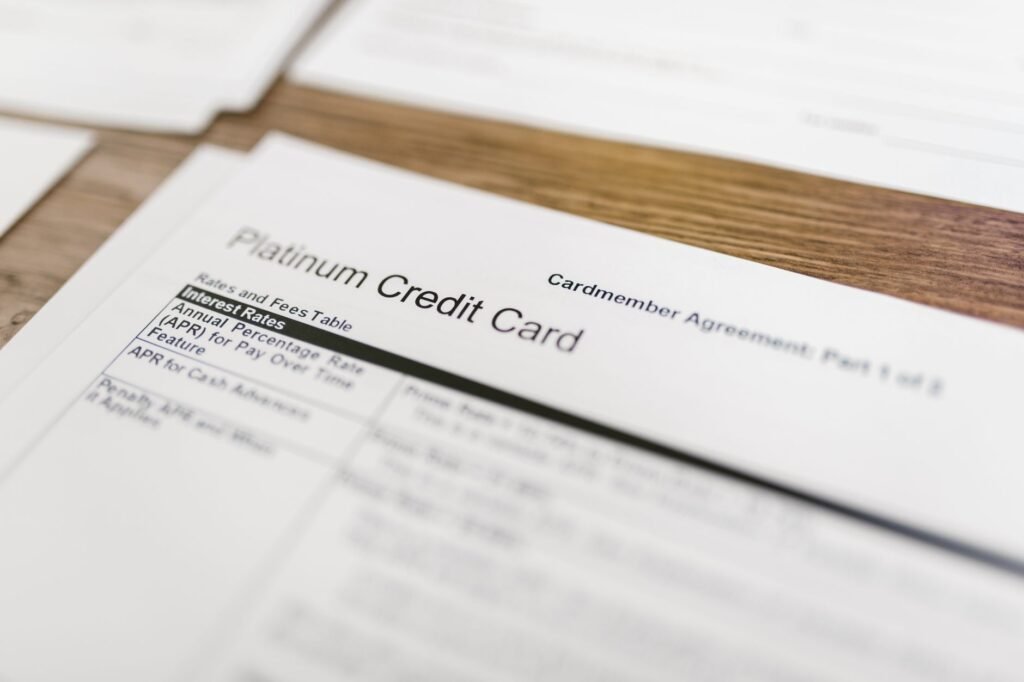
The impact of credit scores car insurance Nevada is a crucial consideration for anyone looking to secure vehicle coverage in the Silver State. Understanding how credit affects insurance is essential, as many insurers use credit history as a factor in determining premiums. This article delves into the intricate relationship between credit scores and car insurance rates in Nevada, highlighting the ways in which your credit history can influence your insurance costs. We will explore strategies for improving your credit score to potentially lower your car insurance rates and provide insights on comparing various car insurance providers in Nevada based on their policies regarding credit score impact. With a clearer understanding of how credit history and car insurance intersect, you can navigate the often complex landscape of Nevada insurance rates more effectively. By the end, you will be equipped with the knowledge needed to make informed decisions regarding your car insurance, ensuring you get the best possible rates based on your financial profile. For more details, you can refer to sources such as Nevada’s official state website and Consumer Financial Protection Bureau.
Understanding Credit Scores and Car Insurance Rates in Nevada
What is a Credit Score?
A credit score is a numerical representation of an individual’s creditworthiness, primarily based on their credit history. Ranging from 300 to 850, this score is calculated using factors such as payment history, credit utilization, length of credit history, types of credit used, and recent credit inquiries. Lenders, including car insurance companies, use credit scores to gauge the risk of lending to or insuring an individual. A higher credit score typically indicates lower risk, while a lower score suggests a higher likelihood of defaults.
How Credit Scores Affect Car Insurance Rates in Nevada
In Nevada, as in many states, insurers utilize credit scores to determine car insurance rates. Studies have shown a correlation between credit scores and the likelihood of filing claims, leading many insurance companies to consider credit history when assessing risk. Generally, individuals with better credit scores are deemed less risky and may be offered lower Nevada insurance rates compared to those with poor credit histories.
Research indicates that drivers with high credit scores can save significantly on their premiums. For instance, a study by the National Association of Insurance Commissioners found that individuals with a credit score above 750 could pay up to 30% less than those with a score below 600. This reflects how credit affects insurance pricing and reinforces the importance of maintaining a good credit history and car insurance balance.
Understanding the role of credit scores in car insurance in Nevada can empower consumers to take proactive steps towards improving their credit. By paying bills on time, reducing debt, and monitoring credit reports, individuals can enhance their credit scores and potentially lower their insurance costs. Understanding Credit Score Car Insurance Nevada Rates
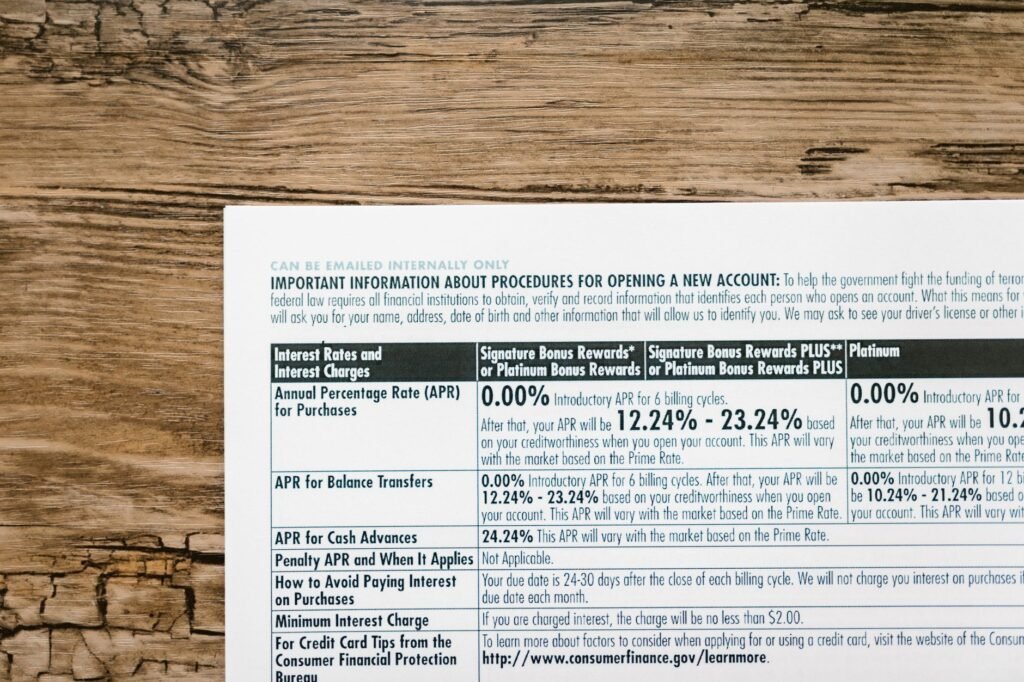
The Connection Between Credit History and Car Insurance in Nevada
How Credit History Influences Insurance Decisions
Your credit history plays a significant role in determining your car insurance premiums. Insurers often view credit scores as a predictive measure of risk, with studies showing that individuals with higher credit scores tend to file fewer claims. This correlation leads many insurance companies to use credit scores as a factor in setting rates. In Nevada, this practice is particularly relevant, as many insurance providers incorporate credit history and car insurance assessments into their pricing models.
For example, a driver with a poor credit score may pay significantly higher premiums compared to someone with excellent credit. According to the Insurance Information Institute, drivers with a low credit score could see their insurance rates increase by as much as 50% or more compared to those with good credit. This stark difference emphasizes how credit affects insurance rates, making it crucial for Nevada residents to understand their credit history.
Nevada Insurance Rates and Credit Score Ranges
In Nevada, insurance rates can vary dramatically based on credit score ranges. For instance, a driver with a credit score below 580 may pay an average annual premium of $1,800, while a driver with a score above 700 might only pay around $1,200. This disparity illustrates the substantial impact of credit scores on car insurance in Nevada.
To further contextualize, the following breakdown offers insight into how credit scores car insurance Nevada influences premiums:
- Excellent Credit (750-850): Low premiums, often with discounts.
- Good Credit (700-749): Moderate premiums, competitive rates.
- Fair Credit (650-699): Higher premiums, limited options.
- Poor Credit (below 650): Significantly higher premiums, fewer insurers willing to offer coverage.
Understanding these ranges can empower Nevada residents to take proactive steps to improve their credit scores, leading to lower insurance premiums. Regularly reviewing your credit report and addressing any discrepancies can be a valuable strategy for minimizing costs.

For further insights into how credit affects insurance in Nevada and tips to improve your credit score, consider exploring additional resources The Impact of Your Credit Score on Car Insurance Rates in Nevada.
Improving Your Credit Score for Better Car Insurance Rates in Nevada
Your credit score plays a significant role in determining Nevada insurance rates for car insurance. A higher score can result in lower premiums, making it essential to focus on improving your credit score. Here are effective strategies to enhance your credit score, which in turn can lead to better car insurance rates in Nevada.
Tips for Enhancing Your Credit Score
- Pay Your Bills on Time: Consistently paying your bills on time is one of the most impactful ways to boost your credit score. Late payments can remain on your credit report for up to seven years, negatively affecting your credit history.
- Reduce Your Debt: Aim to keep your credit utilization ratio below 30%. This means that if your total credit limit is $10,000, try to keep your outstanding balance under $3,000. Paying down existing debts can significantly improve your credit score.
- Check Your Credit Report for Inaccuracies: Regularly review your credit report for errors. Disputing inaccuracies can help improve your score. You are entitled to a free credit report annually from each of the three major credit bureaus: Experian, TransUnion, and Equifax.
- Avoid Opening New Credit Accounts Unnecessarily: Each time you apply for credit, a hard inquiry is made, which can temporarily lower your score. Only open new accounts when absolutely necessary.
By implementing these tips, you can improve your credit scores car insurance Nevada, thus potentially lowering your insurance premiums. A better credit score not only helps with car insurance but can also positively influence other financial aspects, such as loan approvals and interest rates.
Understanding Your Credit Report
Your credit history and car insurance rates are interconnected. Insurers often use credit scores to assess risk; thus, understanding your credit report is crucial. Familiarize yourself with the factors that influence your score, including payment history, credit utilization, length of credit history, types of credit, and recent inquiries. This knowledge can empower you to make informed financial decisions that enhance your credit standing.
By focusing on these actionable steps and understanding your credit report, you can significantly improve your credit scores, leading to more favorable car insurance rates in Nevada. Start today to reap the benefits of a stronger financial profile.
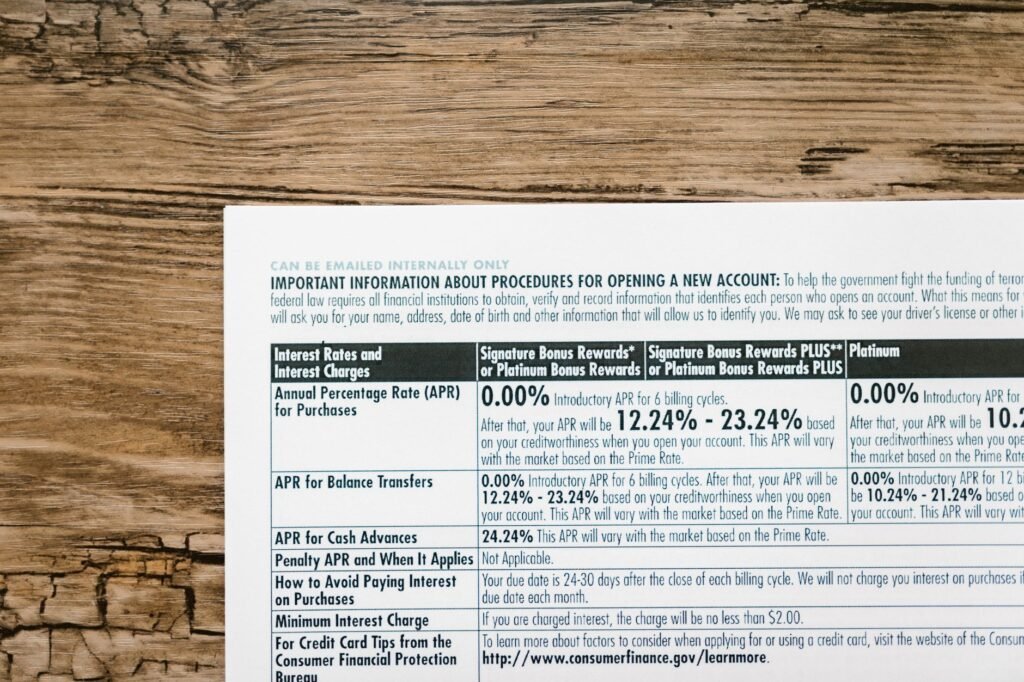
Comparing Car Insurance Providers in Nevada by Credit Score Impact
Top Insurance Companies and Their Policies
In Nevada, car insurance providers vary significantly in how they assess credit scores when determining rates. Generally, insurers use credit history as a factor in their pricing models, with some placing more emphasis on it than others. Major companies like State Farm, Geico, and Progressive tend to rely heavily on credit scores, while others may focus more on driving history and claims experience. For example, State Farm may offer more favorable rates for individuals with excellent credit compared to those with poor credit, highlighting how credit affects insurance premiums.
On the other hand, companies like USAA can provide competitive rates regardless of credit score, particularly for military families. This variance makes it essential for consumers to understand how credit scores car insurance Nevada impacts their insurance costs and which providers may offer the best rates according to their credit profiles.
Finding the Best Rates Based on Your Credit Score
To secure the best car insurance rates in Nevada based on your credit score, start by obtaining your credit report and scoring from major credit bureaus. Understanding your credit history and car insurance implications will allow you to identify where you stand compared to the average rates in your area. Next, shop around by getting quotes from multiple insurers. Utilize online tools to compare rates and inquire specifically about how they weigh credit scores in their pricing.
Additionally, ask about potential discounts that may offset any higher premiums due to lower credit scores. Some companies may provide incentives for safe driving or bundling policies, which can help reduce costs. By being proactive and informed, you can navigate the landscape of Nevada insurance rates effectively, ensuring you find coverage that suits your financial situation.
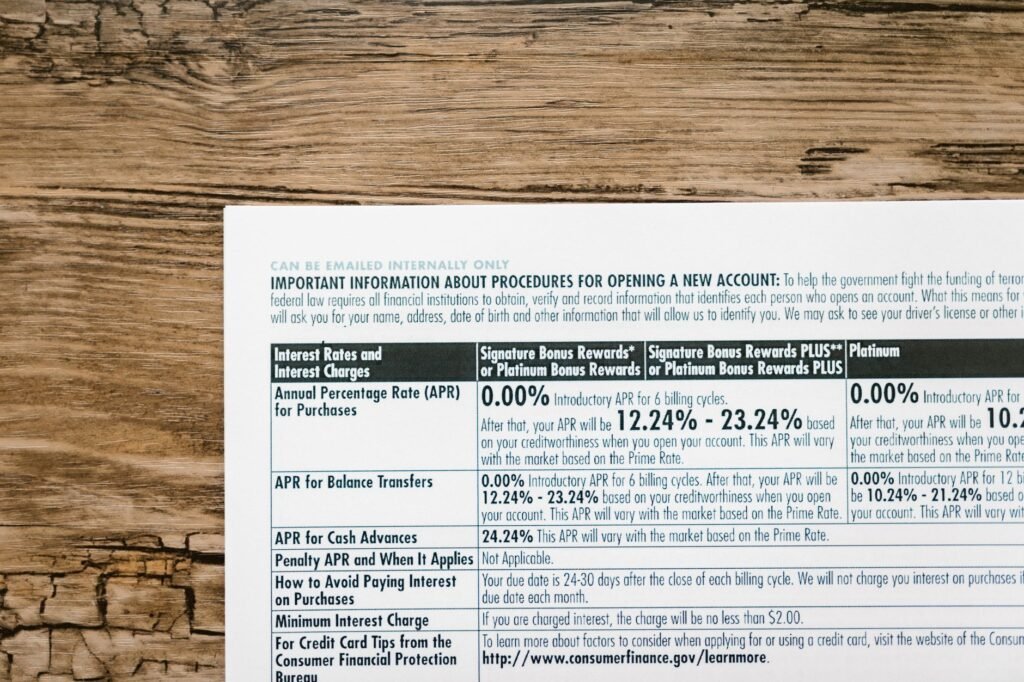
Ultimately, understanding the relationship between credit scores and car insurance in Nevada is crucial. By evaluating your options thoroughly and recognizing the factors that influence rates, you can make informed decisions that protect both your vehicle and your wallet.
How Your Credit Score Affects Car Insurance in NevadaConclusion: Navigating Car Insurance with Your Credit Score in Nevada
Understanding the relationship between credit scores and car insurance rates in Nevada is crucial for anyone looking to secure affordable coverage. Insurers often use credit scores as a significant factor in determining premiums, which means that your credit history can directly affect your car insurance costs. By recognizing how credit affects insurance, you can take proactive steps to improve your financial standing and ultimately lower your premiums.
The data indicates that drivers with poor credit scores may face significantly higher Nevada insurance rates compared to those with strong credit profiles. For instance, a study by the Consumer Reports revealed that individuals with poor credit can pay up to 50% more for car insurance than those with excellent credit. This stark difference highlights the importance of maintaining a good credit history and understanding its implications for car insurance.
To navigate the complexities of credit scores and car insurance in Nevada effectively, consider implementing the following actionable steps:
- Regularly Monitor Your Credit: Keep track of your credit score and report. Tools like AnnualCreditReport.com allow you to obtain free credit reports annually.
- Pay Bills on Time: Timely payments are vital for a positive credit history and can significantly impact your credit score.
- Limit New Credit Applications: Each credit inquiry can temporarily lower your score, so be judicious about applying for new credit.
- Consider Credit Counseling: If your credit is not where you want it to be, professional advice can help you develop strategies for improvement.
Ultimately, understanding the impact of credit scores on car insurance in Nevada empowers you to make informed decisions. By actively managing your credit health, you can not only secure better insurance rates but also enhance your overall financial well-being.

For further insights on improving your credit and understanding its influence on insurance, visit our detailed guides on How Credit Score Affects Car Insurance Rates in Nevada and How to Save on Car Insurance in Nevada: Tips for 2026.
The relationship between credit scores and car insurance rates in Nevada is significant, as insurers often use credit history to assess risk and determine premiums. Understanding how credit affects insurance can empower consumers to make informed decisions that may lower their Nevada insurance rates. By maintaining a positive credit score, drivers can potentially enjoy more favorable insurance terms and save money.
As you navigate your insurance options, consider reviewing your credit history and car insurance policies regularly. This proactive approach can help you identify areas for improvement and ensure you secure the best rates possible. Taking the time to understand the intricacies of credit scores car insurance Nevada can lead to substantial savings and better financial health in the long term. Start by checking your credit report today to see where you stand.
“`html
How do credit scores affect car insurance rates in Nevada?
In Nevada, credit scores play a significant role in determining car insurance rates. Insurers often use credit scores as an indicator of risk; a higher credit score typically leads to lower premiums, while a lower score may result in higher rates. This correlation is based on the belief that individuals with better credit histories are less likely to file insurance claims. Therefore, understanding how credit scores affect car insurance rates in Nevada is crucial for drivers looking to save on their insurance costs.
What is the relationship between credit history and car insurance?
Credit history and car insurance are closely linked. Insurers analyze credit history to assess the likelihood of a policyholder filing a claim. A positive credit history suggests financial responsibility, which can lead to lower insurance rates. Conversely, a poor credit history may indicate higher risk, resulting in increased premiums. Understanding the relationship between credit history and car insurance can help consumers make informed decisions about their coverage.
Can I get car insurance with a poor credit score in Nevada?
Yes, you can obtain car insurance with a poor credit score in Nevada, but it may come at a higher cost. Many insurance companies will still offer coverage, although they might charge higher premiums due to the perceived risk. It’s advisable to shop around and compare quotes from different insurers to find the best options available, as some companies may be more lenient with credit scores than others.
What are the best ways to improve my credit score for insurance?
Improving your credit score can help lower your car insurance premiums in Nevada. Start by paying your bills on time, reducing your credit card balances, and avoiding taking on new debt. Regularly checking your credit report for errors and disputing inaccuracies can also boost your score. Additionally, maintaining a diverse mix of credit accounts, such as loans and credit cards, can positively impact your credit profile over time.
Do all insurance companies in Nevada use credit scores the same way?
No, not all insurance companies in Nevada evaluate credit scores the same way. While many insurers consider credit scores as a factor in determining premiums, the weight they place on this factor can vary. Some companies may rely more heavily on credit history, while others may focus more on driving records or other variables. It’s essential to compare different providers to understand how each one uses credit scores in their pricing model.
How can I check my credit report for free in Nevada?
You can check your credit report for free in Nevada by visiting AnnualCreditReport.com, the official site created by federal law. This site allows you to access your credit report from each of the three major credit bureaus, Equifax, Experian, and TransUnion, once a year without any charge. Regularly reviewing your credit report can help you stay informed about your credit status and identify areas for improvement.
“`