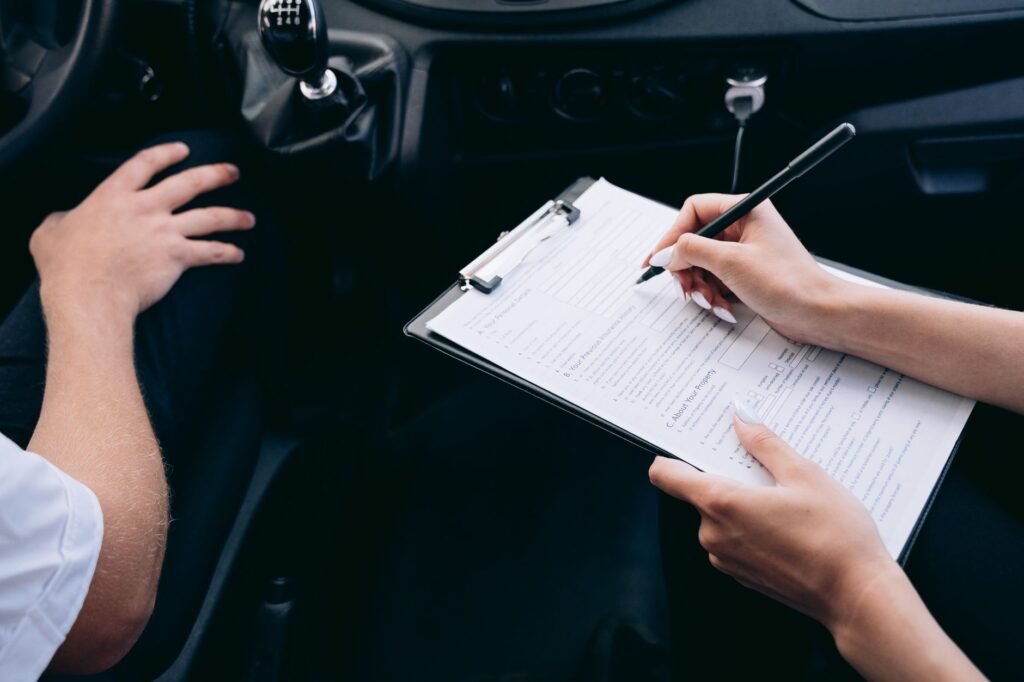

Experiencing a car accident can be a distressing event, but understanding the car accident Nevada insurance steps can significantly ease the aftermath. Navigating the post-accident procedure is crucial for ensuring that you meet all necessary requirements and protect your rights. This article will guide you through filing Nevada insurance claims with a comprehensive step-by-step guide, making the process as streamlined as possible. We will also provide an accident checklist to help you gather essential information and documentation needed for a successful claim. Furthermore, we’ll delve into your rights and responsibilities in Nevada, ensuring you are well-informed and prepared. Finally, we will discuss the importance of post-accident follow-up to ensure a complete resolution to your situation. By following these essential steps, you can effectively manage the complexities of car accident insurance in Nevada and secure the compensation you deserve. For additional insights, consider visiting [Nevada DMV](https://www.dmvnv.com/) and [Nevada Department of Insurance](https://doi.nv.gov/) for official guidance.
Essential Car Accident Nevada Insurance Steps to Follow
Immediate Actions After a Car Accident
Experiencing a car accident can be overwhelming, but knowing the proper steps to take can help ensure your safety and facilitate a smoother claims process. The first step is to check for injuries; if anyone is hurt, call 911 immediately. Next, move to a safe location if possible, and turn on your hazard lights to alert other drivers.
Once safety is secured, it is crucial to call the authorities. In Nevada, you are required to report any accident involving injury, death, or significant property damage. Gather essential information at the scene, including contact and insurance details from other drivers, witness statements, and photographs of the accident scene. This information will be vital for your Nevada insurance claims.
Additionally, keep an accident checklist handy. Documenting the specifics of the incident, such as weather conditions and road conditions, can prove beneficial when filing your claim. Following these car accident Nevada insurance steps can make a significant difference in the claims process.

Understanding the Post-Accident Procedure
Following the immediate actions, understanding the post-accident procedure is essential for ensuring that your insurance claim is processed smoothly. After the accident, contact your insurance company as soon as possible to report the incident. Provide them with all gathered information and follow their instructions regarding the next steps.
Be aware that Nevada operates under a fault-based insurance system, meaning the at-fault driver is responsible for damages. This aspect underscores the importance of thoroughly documenting the accident, as it can affect the outcome of your claim. If you find yourself in a dispute about fault, the evidence collected at the scene will be crucial.
By following these essential car accident Nevada insurance steps, you can navigate the complexities of the aftermath more effectively, increasing your chances of a favorable outcome in your claim.
Filing Nevada Insurance Claims: A Step-by-Step Guide
How to File a Claim with Your Insurance
After a car accident in Nevada, following the correct post-accident procedure is crucial for a smooth claims process. Begin by notifying your insurance company as soon as possible, ideally within 24 hours of the incident. Most insurers have a specific timeframe for filing claims, usually between 30 to 60 days, so timely reporting is essential.
When filing a claim, gather the necessary documentation to support your case. This typically includes:
- A copy of the police report
- Photos of the accident scene and damages
- Witness statements, if available
- Your insurance policy details
- Medical records related to injuries sustained, if any
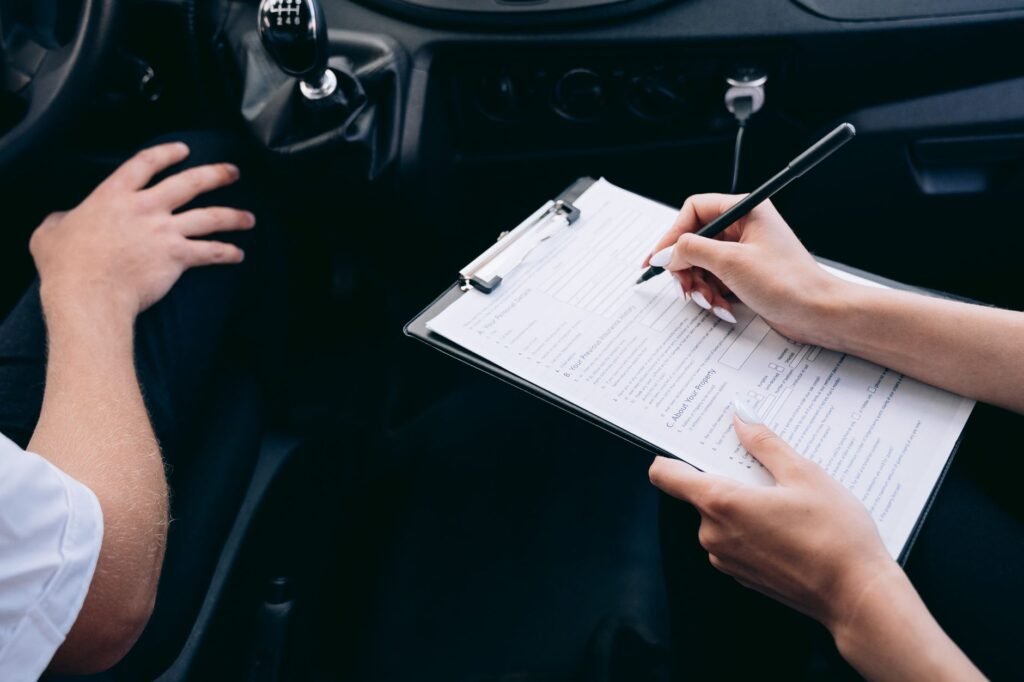
Once you have compiled this information, contact your insurance provider, either through their claims hotline or online portal. They will guide you through the specific process and forms required. Ensure that you keep a record of all communications with your insurer as this can be vital should disputes arise later.
Common Challenges in Nevada Insurance Claims
Despite following the car accident Nevada insurance steps, many individuals face challenges during the claims process. Common issues include delays in processing, disputes over fault, and insufficient documentation. To mitigate these problems, refer to your accident checklist to ensure all relevant information is collected and documented.
Additionally, be prepared for potential pushback from your insurer regarding liability or coverage limits. If you believe your claim is being mishandled, you can escalate your concerns through your insurer’s customer service or file a complaint with the Nevada Division of Insurance. Knowledge of your rights and the claims process can empower you to advocate effectively for your claim.
For more information on the Nevada insurance claims process, including specifics on coverage and legal requirements, you may find the Nevada Division of Insurance resources helpful.
Utilizing the Accident Checklist for a Smooth Process
After a car accident in Nevada, navigating the aftermath can be overwhelming. An accident checklist is an invaluable tool that helps streamline the post-accident procedure, ensuring that you don’t miss any crucial steps. This checklist not only assists in organizing your thoughts but also plays a significant role in facilitating your Nevada insurance claims.
Key Items to Include in Your Accident Checklist
Your accident checklist should encompass key items that are essential for both your insurance claim and any potential legal proceedings. Consider including the following:
- Contact Information: Gather names, addresses, and phone numbers of all parties involved.
- Insurance Details: Record the insurance companies and policy numbers for all vehicles.
- Accident Scene Information: Note the time, date, and exact location of the accident.
- Witness Statements: Document contact details of any witnesses and their accounts.
- Photos: Take pictures of the vehicles, damage, and accident scene.
Having these items readily accessible can greatly enhance your ability to file a thorough claim and substantiate your case if needed. 
How the Accident Checklist Aids Your Claim
Utilizing your accident checklist can significantly improve your car accident Nevada insurance steps. By ensuring that all relevant information is documented, you minimize the risk of errors or omissions that could delay your claim processing. Additionally, having a well-structured checklist can help you stay organized when communicating with insurance representatives, making it easier to provide necessary documentation and follow up on your claim status.
By following this systematic approach, you can navigate the complexities of the claims process with confidence. For more detailed guidance on navigating your claim, consider reviewing resources specific to Nevada’s Department of Motor Vehicles or consulting with a local attorney specialized in personal injury law. By leveraging an accident checklist, you set yourself up for a smoother recovery, both financially and emotionally.
Understanding Your Rights and Responsibilities in Nevada
Nevada’s Fault-Based Insurance System Explained
Nevada operates under a fault-based insurance system, meaning that the driver responsible for causing the accident is liable for damages. This system directly impacts how Nevada insurance claims are processed. If you’re involved in a car accident in Nevada, understanding liability is crucial. If you are deemed at fault, your insurance will cover damages to the other party, utilizing your liability coverage. Conversely, if you were not at fault, you can seek compensation from the at-fault driver’s insurance.
To navigate the car accident Nevada insurance steps effectively, it’s essential to gather evidence at the scene, which can include photographs, witness statements, and police reports. This evidence can be vital in determining liability during the claims process. Also, ensure you follow the standard post-accident procedure of exchanging information with the other driver, noting their insurance details, and reporting the incident to your insurance company promptly.

What to Do if You’re at Fault
If you find that you are at fault for the accident, there are several important steps to take. First, contact your insurance company right away to report the incident. They will guide you through the claims process and help you understand your coverage and potential liabilities. It is highly advisable to cooperate fully during the investigation of the accident, providing all necessary documentation and information.
Additionally, you may want to consult with a legal professional, especially if there were injuries or significant property damage involved. They can help you understand your rights, responsibilities, and any potential legal repercussions. Keeping an accident checklist handy can help ensure you do not miss any critical steps in both the claims process and your legal obligations.
Ultimately, knowing your rights and responsibilities in a car accident in Nevada will not only assist in the claims process but also provide peace of mind as you move forward.
Post-Accident Follow-Up: Ensuring a Complete Resolution
Medical Follow-Up and Documentation for Car Accident Nevada Insurance Steps
After a car accident, it’s crucial to prioritize your health by seeking medical attention, even if you feel fine initially. Some injuries may not manifest symptoms right away, such as whiplash or internal injuries. Prompt medical follow-ups not only ensure your well-being but also play a significant role in the Nevada insurance claims process. Documentation of your injuries, treatment plans, and medical expenses will serve as vital evidence when filing your claim.
Keep an organized record of all medical visits, including dates, the nature of your injuries, and any prescribed treatments. This documentation forms part of your accident checklist and is essential for substantiating your claim. You may also want to request copies of your medical records to provide to your insurance company, as these documents can expedite the claims process and ensure a complete resolution.

When to Consider Legal Assistance for Car Accident Nevada Insurance Steps
While many insurance claims can be handled without legal help, certain situations may warrant consulting an attorney. If you encounter disputes with your insurance company, experience significant injuries, or if the accident involves multiple parties, legal assistance can be beneficial. An attorney specializing in car accidents can help navigate the complexities of Nevada insurance claims, ensuring you receive fair compensation.
Additionally, if you believe that liability is contested or if you face difficulties in proving fault, seeking legal guidance can provide the clarity needed to pursue your claim effectively. Understanding when to involve a legal professional can make a significant difference in the outcome of your case.
To learn more about the necessary steps and challenges you may face after a car accident, consult our comprehensive guide on Nevada’s Department of Motor Vehicles or contact a local attorney for personalized advice. Following a clear post-accident procedure will help you navigate the aftermath effectively and safeguard your rights.
After Car Accident Nevada Insurance: Essential StepsConclusion: Navigating Car Accident Nevada Insurance Steps
Understanding the car accident Nevada insurance steps is crucial for effectively managing your claims and ensuring that you receive the compensation you deserve after an unfortunate incident. Throughout this article, we have outlined essential post-accident procedures, including the importance of documenting the accident scene, exchanging information with other parties, and notifying your insurance provider promptly. Each of these actions plays a vital role in facilitating smooth Nevada insurance claims, ultimately aiding in your recovery process.
Following a structured accident checklist helps streamline the post-accident experience. Begin by ensuring everyone’s safety, then gather necessary information and evidence, such as photos and witness statements. This documentation can significantly bolster your case should disputes arise later. Additionally, understanding your insurance policy and coverage options will empower you to make informed decisions regarding your claims.
As you navigate the car accident Nevada insurance steps, consider seeking legal assistance if you face complexities or disputes with the insurance company. An experienced attorney can provide valuable guidance and help safeguard your rights throughout the claims process. This support can be crucial, especially when dealing with large insurance companies that may not prioritize your best interests.
By staying informed and proactive, you can effectively manage your car accident claims and move towards recovery with confidence. Remember, the right steps taken immediately after an accident not only protect your interests but also pave the way for a smoother claims experience.

Understanding the car accident Nevada insurance steps is vital for ensuring that you protect your rights and interests after an incident. By following the correct post-accident procedure, you can effectively navigate the complexities of Nevada insurance claims. Utilize an accident checklist to gather necessary information and documentation, which can make the process smoother and more manageable.
Once you have collected all pertinent details, it is essential to promptly report the accident to your insurance provider. This will initiate the claims process and allow you to seek any compensation you may be entitled to. Remember, being well-prepared can significantly impact the outcome of your claim, so take the time to familiarize yourself with the necessary steps and procedures. If you have any uncertainties or need assistance, consider consulting with a legal professional who specializes in auto accidents to guide you through the process effectively.
“`html
What should I do immediately after a car accident in Nevada?
Immediately after a car accident in Nevada, ensure everyone’s safety and check for injuries. Call 911 to report the accident and seek medical assistance if needed. Move vehicles to the side of the road if possible, then exchange information with the other driver, including names, contact details, insurance information, and vehicle registration. Document the scene with photos and take notes on the events. This post-accident procedure is crucial for your insurance claim later on.
How do I file an insurance claim after a car accident in Nevada?
To file an insurance claim after a car accident in Nevada, contact your insurance company as soon as possible. Provide them with details about the accident, including the police report, witness statements, and any documentation you gathered. Your insurer will guide you through the claims process, which typically involves an investigation and assessment of damages. Remember to keep records of all communications related to your claim for future reference.
What is included in an accident checklist for Nevada drivers?
An accident checklist for Nevada drivers should include several key items: check for injuries, call emergency services, exchange information with the other driver, document the scene with photos, gather witness statements, and secure your vehicle. Additionally, make sure to notify your insurance company and keep records of all communications. Having a comprehensive checklist can help streamline the car accident Nevada insurance steps and ensure you don’t miss anything important.
How does Nevada’s fault-based insurance system work?
Nevada operates under a fault-based insurance system, meaning the driver who causes the accident is responsible for the damages. The injured party can file a claim with the at-fault driver’s insurance company or pursue compensation through their own insurance if they have uninsured/underinsured motorist coverage. Understanding this system is essential for navigating Nevada insurance claims effectively, as it impacts how claims are filed and compensated.
What are my rights after a car accident in Nevada?
After a car accident in Nevada, you have several rights, including the right to seek compensation for medical expenses, lost wages, and vehicle damages. You also have the right to negotiate with insurance companies and the right to pursue legal action if necessary. It’s important to understand these rights to ensure you receive adequate compensation and to consult with legal professionals if you feel your rights are being violated.
When should I seek legal help after a car accident?
Consider seeking legal help after a car accident in Nevada if you experience serious injuries, significant property damage, or if liability is disputed. An attorney can help navigate complex insurance claims, ensuring you receive fair compensation. If negotiations with insurance companies become difficult or if you are unsure about your rights, consulting with a legal professional can provide clarity and support.
“`