

Nevada car insurance myths often cloud the understanding of car insurance requirements and options available to drivers in the Silver State. Many residents fall prey to prevalent car insurance misconceptions that can lead to inadequate coverage or overspending. This article aims to uncover the truth behind these myths, empowering readers with Nevada insurance facts that are essential for making informed decisions. We will explore common misconceptions, debunk more Nevada car insurance myths, and provide a clear comparison of insurance truth vs myth. By navigating through this landscape of misinformation, you will gain valuable insights into what is required for car insurance in Nevada, how to select the right policy, and the potential pitfalls to avoid. Stay tuned as we separate fact from fiction in Nevada car insurance, ensuring you have the knowledge needed to protect yourself and your assets.
Nevada Car Insurance Myths: Understanding Common Misconceptions
Nevada car insurance myths can lead to costly mistakes for drivers who may not fully understand the realities of auto insurance in the state. These misconceptions can affect everything from the type of coverage you choose to how much you pay for premiums. It’s crucial to distinguish between insurance truth vs myth to make informed decisions and ensure you have adequate protection on the road. Let’s dive into two common car insurance misconceptions that many Nevada drivers encounter.
Myth 1: Minimum Coverage is Always Enough
Many drivers in Nevada believe that meeting the state’s minimum coverage requirements is sufficient to protect themselves financially. However, the minimum liability coverage in Nevada is only $25,000 for bodily injury per person, $50,000 for total bodily injury per accident, and $20,000 for property damage. While this might seem adequate, it often falls short in serious accidents where medical bills and property damage can quickly exceed these limits. According to the Nevada Department of Motor Vehicles, underinsurance can lead to significant out-of-pocket expenses that can strain your finances.
In a state known for its bustling highways and busy tourism, the risks of accidents are heightened. Relying solely on minimum coverage can leave you vulnerable and unprotected in the event of a serious incident. It’s advisable to evaluate your assets, driving habits, and the potential costs of an accident to determine if you should consider higher coverage limits. Assessing Nevada insurance facts can guide you in making a more informed decision about your coverage needs.
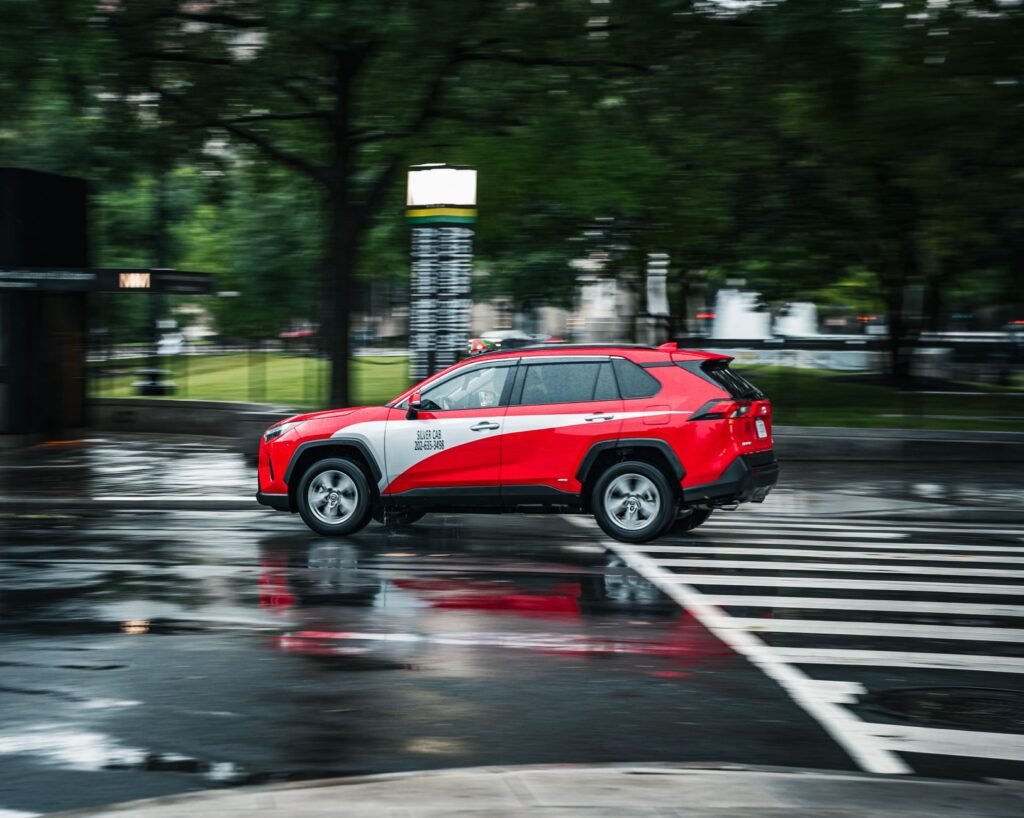
Myth 2: Red Cars Cost More to Insure
Another prevalent myth is that the color of your car affects your insurance rates. Specifically, many believe that red cars are more expensive to insure. This is a common misconception without any factual basis. Insurance companies primarily consider factors such as the make and model of the vehicle, the driver’s age and driving record, and the overall safety ratings of the car when determining premiums. According to the Insurance Information Institute, color does not play a role in calculating insurance rates.
This myth likely persists because red is often associated with speed and performance, leading to the assumption that red vehicles may be more prone to accidents. However, insurance providers focus on risk assessment rather than aesthetics. Understanding these Nevada car insurance myths can help you make more informed choices when selecting your vehicle and insurance coverage.

By debunking these two car insurance misconceptions, drivers can make more informed decisions about their coverage options, ensuring they are adequately protected without falling prey to misleading beliefs.
Debunking More Nevada Car Insurance Myths
Myth 3: Your Credit Score Doesn’t Affect Your Rates
Many people believe that their credit score has no bearing on their car insurance premiums. This is a common misconception, especially in Nevada. In reality, insurance companies often use credit scores as one of the factors to determine rates. According to Nevada insurance facts, a good credit score can lead to lower premiums, while a poor score may result in higher costs.
Experts estimate that individuals with excellent credit can save up to 40% on their premiums compared to those with poor credit. This underscores the importance of managing your credit effectively. Improving your credit score not only benefits your financial health but can also lead to significant savings on car insurance.
Myth 4: All Insurance Companies Are the Same
This myth is particularly misleading. While all insurers must adhere to state regulations, their policies, coverages, and rates can vary dramatically. For instance, some companies may focus on providing basic coverage at lower rates, while others may offer comprehensive plans with additional benefits, impacting overall customer experience and costs. According to a survey by J.D. Power, customer satisfaction levels can differ significantly between providers, highlighting the importance of shopping around for the best fit.
When comparing Nevada car insurance myths, it’s crucial to understand that the cheapest option may not always provide the best coverage. Ensure you evaluate each company’s offerings, customer service reputation, and claims process. Reading reviews and gathering quotes from multiple providers can help you make an informed decision.
Takeaway: Your credit score plays a pivotal role in determining your car insurance rates in Nevada, and not all insurance companies operate on the same level. To combat common car insurance misconceptions, take proactive steps to maintain a good credit score and thoroughly research your options before purchasing a policy.

The Truth vs. Myths: Navigating Nevada Car Insurance
Myth 5: You Don’t Need Insurance if You Drive Rarely
One of the most common Nevada car insurance myths is the belief that infrequent drivers can forgo insurance. This misconception stems from the idea that if you don’t drive often, you won’t need coverage. However, Nevada law requires all drivers to maintain a minimum level of car insurance, regardless of how frequently they operate a vehicle.
Driving without insurance not only exposes you to legal penalties, such as fines and license suspension, but also puts you at significant financial risk. If you’re involved in an accident, the costs associated with damages, medical bills, and legal fees can far exceed any savings gained from not having insurance. Furthermore, Nevada insurance facts indicate that uninsured drivers face increased penalties, which can lead to more severe consequences than simply paying for coverage.
Actionable Takeaway: Regardless of how often you drive, ensure that you maintain the required insurance coverage to protect yourself legally and financially. Evaluating your driving habits can help tailor your insurance needs, but never assume that infrequent driving equates to no insurance needed.
Myth 6: A Clean Driving Record Guarantees Low Rates
While many believe that a clean driving record guarantees low insurance rates, this is an oversimplified view that falls under common car insurance misconceptions. It is true that having a clean record can earn you discounts with many insurance providers, but it is not the sole factor determining your premiums.
Insurance companies consider a variety of elements when calculating rates, including your credit score, the type of vehicle you drive, your location, and your age. For instance, a young driver with a clean record might still face higher rates than an older driver with a few minor infractions, simply due to the statistical risk associated with their age group. Therefore, while a clean driving record is beneficial, it does not guarantee the lowest rates available.
Actionable Takeaway: When shopping for car insurance, consider all factors that influence your premiums beyond just your driving record. Compare quotes from multiple insurers and ask about discounts that may apply to you. Understanding the insurance truth vs myth can help you find the best coverage at an affordable price.

By debunking these Nevada car insurance myths, you can make informed decisions about your insurance needs, ensuring both compliance with state laws and adequate protection on the road. Don’t let misconceptions guide your choices; stay informed with accurate Nevada insurance facts to secure the best possible coverage for your circumstances.
Conclusion: Separating Fact from Fiction in Nevada Car Insurance Myths
Understanding the landscape of Nevada car insurance myths is crucial for every driver in the Silver State. Throughout this article, we have dissected prevalent misconceptions that can lead to costly mistakes or inadequate coverage. From the myth that red cars cost more to insure to the belief that all drivers are required to carry full coverage, these car insurance misconceptions can cloud judgment and impact financial decisions.
One key takeaway is the importance of researching Nevada insurance facts before committing to a policy. For instance, while many believe that their credit score has no bearing on their insurance premium, numerous studies indicate otherwise; insurers often use credit scores as a factor in determining risk. Thus, understanding how your financial health influences your insurance costs can help you make informed choices.
Moreover, it’s essential to recognize the insurance truth vs myth dynamic that exists in the car insurance sector. Many drivers are unaware that shopping around and comparing quotes from different providers can yield significant savings. In fact, according to the Insurance Information Institute, drivers can save an average of $300 annually by comparing policies. This reinforces the notion that awareness and education are your best allies in navigating Nevada’s insurance market.
As you explore your options, take the time to compare coverage, deductibles, and premiums from various insurers. Utilize resources like the Nevada Division of Insurance to obtain reliable information and ensure you are making decisions based on accurate data. Additionally, consider connecting with reputable insurance agents who can guide you through the complexities of Nevada car insurance.
By acknowledging and debunking Nevada car insurance myths, drivers can protect themselves from unnecessary expenses and ensure they are adequately insured. Don’t let misinformation dictate your insurance choices; stay informed and proactive about your coverage. For further insights and updates on Nevada insurance regulations, visit Understanding Nevada Car Insurance Requirements.
Understanding the truth behind Nevada car insurance myths is crucial for making informed decisions about your coverage. By debunking common car insurance misconceptions, you can better navigate the complexities of insurance policies and ensure you are adequately protected. Remember, knowledge of Nevada insurance facts can save you money and stress in the long run.
As you continue to explore your options, consider reaching out to a licensed insurance agent who can help clarify any remaining doubts. They can provide personalized advice tailored to your specific needs and help you differentiate between insurance truth vs myth. Taking this step will empower you to make the best choices for your vehicle and financial well-being.
“`html
What are the common myths about car insurance in Nevada?
Common Nevada car insurance myths include the belief that all insurance policies are the same, or that a higher deductible always leads to lower premiums. Some people think that young drivers cannot get affordable rates, or that insurance only covers accidents. Additionally, many assume that their credit score does not affect their rates. Understanding these misconceptions can help you navigate your insurance options more effectively.
Does the color of my car really affect my insurance rates?
No, the color of your car does not affect your insurance rates. This is one of the common car insurance misconceptions. Insurance companies determine premiums based on factors like the make and model of the car, the driver’s history, and the coverage options selected, rather than the vehicle’s color. Therefore, choosing a car for its color alone will not impact your insurance costs.
How does my credit score impact my car insurance premium?
Your credit score plays a significant role in determining your car insurance premium. Insurers use credit scores to assess risk; a higher score typically results in lower premiums. This is based on the idea that individuals with good credit are less likely to file claims. Therefore, maintaining a strong credit score can be beneficial in reducing your overall insurance costs.
What is the minimum car insurance requirement in Nevada?
The minimum car insurance requirement in Nevada includes liability coverage of at least $25,000 for bodily injury per person, $50,000 for total bodily injury per accident, and $20,000 for property damage. It’s important to note that these are minimums, and many drivers choose to purchase additional coverage for better protection against accidents and other risks.
Can I drive without insurance if I only drive occasionally?
No, you cannot legally drive without insurance in Nevada, even if you only drive occasionally. The state mandates that all drivers carry at least the minimum required insurance. If you are caught driving without insurance, you can face fines, penalties, and possibly the suspension of your driver’s license. Always ensure that you have the required coverage to avoid legal issues.
Does a clean driving record guarantee low car insurance rates?
A clean driving record is a significant factor in determining car insurance rates, but it does not guarantee low premiums. Insurers consider various factors, including your credit score, the type of vehicle you drive, and your location. While having no accidents or violations can lead to discounts, other aspects of your profile will also influence your overall rate.
“`