
What to do after a car accident in Nevada can be overwhelming, but understanding the essential steps is crucial for your safety and legal protection. This guide will walk you through the necessary Nevada accident steps to take immediately following an incident, ensuring you are well-informed and prepared. Discover what to do after an accident, including gathering information, calling law enforcement, and seeking medical attention if needed. We will also cover navigating insurance claims in Nevada, helping you understand your rights and responsibilities when dealing with insurance providers. Additionally, we will address important legal considerations to keep in mind after a car accident in Nevada, as well as the emotional and psychological aftermath that often accompanies such events. Whether you are a local resident or just passing through, being equipped with the right knowledge can make a significant difference in the aftermath of a collision. For more detailed information on legal rights and responsibilities, visit Nevada’s official government site.
Steps to Take After a Car Accident in Nevada
Assessing Injuries and Safety
After a car accident in Nevada, the first priority is safety. Ensure that you and any passengers are safe, and check for injuries. If anyone is injured, call 911 immediately to request medical assistance. Even if injuries are not immediately apparent, it is still wise to seek medical evaluation, as some injuries may manifest later. Once safety is ensured, if it is safe to do so, move vehicles out of traffic to prevent further accidents.
Contacting Authorities and Gathering Information After a Car Accident in Nevada
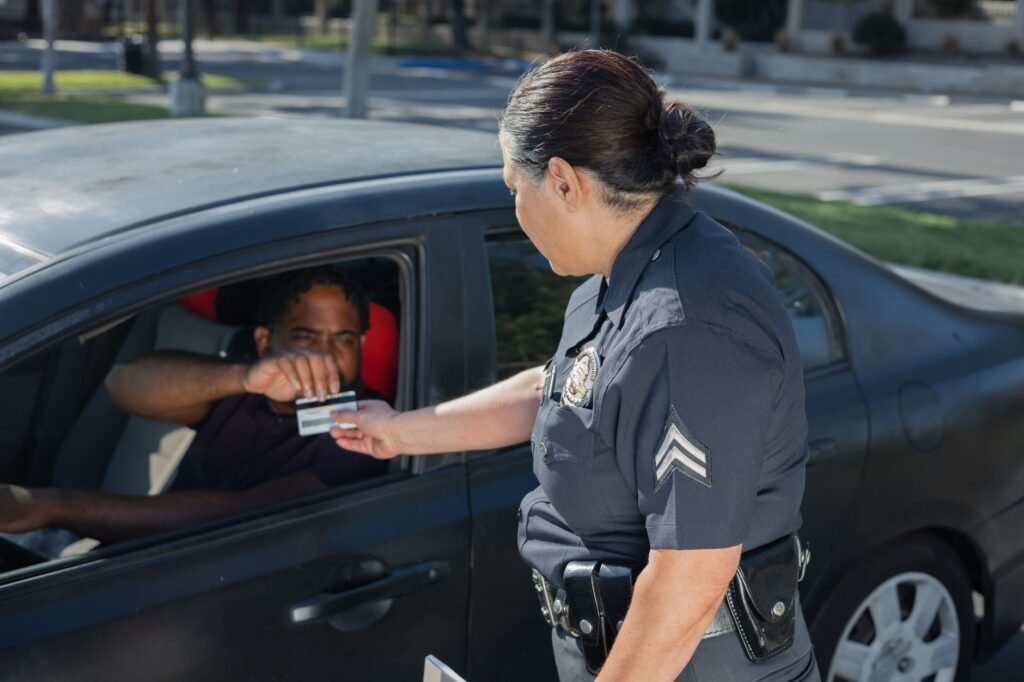
In Nevada, it is a legal requirement to report any accident that results in injury, death, or damage exceeding $750 to the local authorities. When the police arrive, they will document the scene and create an official report, which will be crucial for insurance claims and any potential legal action.
While waiting for law enforcement, gather essential information from all parties involved in the accident. This includes:
- Names and contact information of all drivers and passengers
- Insurance details, such as company names and policy numbers
- Vehicle information, including make, model, and license plate numbers
- Contact information for any witnesses
Taking photos of the accident scene, vehicle damage, and any relevant road conditions can also be beneficial for future reference. This documentation will be invaluable when navigating the insurance claims in Nevada process.
Following these Nevada accident steps will help you manage the situation effectively, ensuring that you have all the necessary information for your insurance claim and any legal considerations that may arise. Remember, what to do after an accident can significantly impact the outcome of your claims and recovery process.
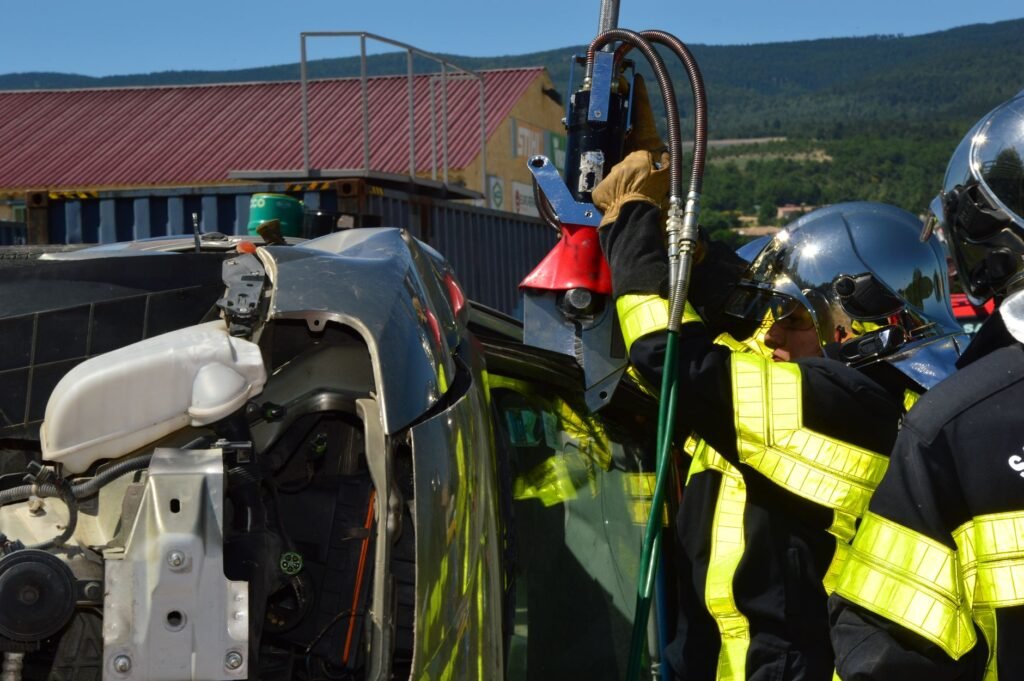
What to Do After an Accident: A Step-by-Step Guide
Documenting the Accident Scene After a Car Accident in Nevada
Immediately following a car accident, it is crucial to document the scene thoroughly. Start by taking clear photographs of the accident site, including the positions of the vehicles involved, any visible damages, and relevant road signs or signals. This evidence is vital for any potential insurance claims in Nevada and can significantly impact the outcome of your case.
In addition to photos, gather contact and insurance information from all parties involved. Witness statements can also be beneficial, so consider asking bystanders for their accounts. Ensure that you make note of the time, date, and weather conditions at the time of the accident. This documentation will serve as a valuable resource when navigating through the Nevada accident steps required for filing claims or legal proceedings.
Remember, some injuries may not be immediately apparent. Conditions like whiplash or internal injuries can manifest hours or even days later. Therefore, it is essential to seek medical attention even if you feel fine right after the incident. This not only ensures your health but also provides medical documentation that is crucial for any future claims.
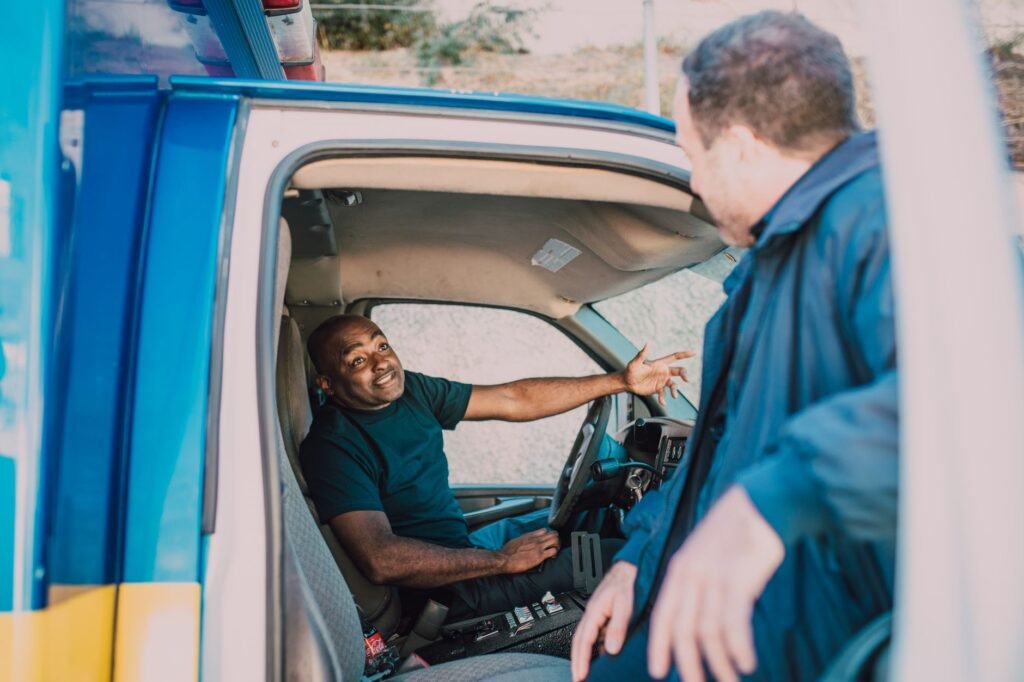
Seeking Medical Attention After a Car Accident in Nevada
Regardless of the severity of the accident, seeking medical attention should be a top priority. Many injuries, such as concussions or fractures, can be hidden beneath the surface and may not exhibit symptoms until later. A thorough medical examination will help identify any potential issues and create a record of your injuries, which is essential for insurance claims in Nevada.
When visiting a healthcare provider, be open about any discomfort or symptoms you experience, even if they seem minor. This information could be vital for your treatment plan and any future legal claims. Additionally, keep all medical records and bills as they will be necessary when filing your insurance claims in Nevada.
the steps you take immediately after a car accident are critical. From documenting the scene to seeking medical attention, adhering to these Nevada accident steps can help ensure your rights are protected and pave the way for a smoother claims process.
Navigating Insurance Claims in Nevada
Understanding Your Coverage After a Car Accident in Nevada
After a car accident in Nevada, understanding your insurance coverage is essential. Nevada law requires all drivers to carry a minimum amount of liability insurance, which covers damages you may cause to others in an accident. The minimum requirements are:
- $25,000 for bodily injury per person
- $50,000 for total bodily injury when multiple people are injured
- $20,000 for property damage
In addition to liability insurance, consider other types of coverage:
- Collision Coverage: This covers damage to your own vehicle in the event of a crash, regardless of fault.
- Uninsured/Underinsured Motorist Coverage: This is crucial in Nevada, where many drivers may not carry adequate insurance. This coverage protects you if you’re in an accident with an uninsured driver or one whose coverage is insufficient to cover your damages.
Filing an Insurance Claim in Nevada
Once you have assessed your insurance coverage, the next step is filing an insurance claim. Here are the key Nevada accident steps to follow:
- Notify Your Insurance Provider: As soon as possible, contact your insurance company to report the accident. Provide them with details such as the location, time, and nature of the accident.
- Gather Documentation: Collect all relevant information, including photographs of the accident scene, police reports, medical records, and witness statements.
- Submit Your Claim: Fill out the necessary claim forms and submit them along with your documentation. Be sure to keep copies for your records.
- Follow Up: Stay in touch with your insurance adjuster to monitor the progress of your claim. They may request additional information.
While the claims process can be straightforward, challenges may arise, such as disputes over fault or coverage limits. If you face difficulties, consider consulting with a personal injury attorney who specializes in Nevada insurance claims to help navigate any complexities.

Legal Considerations After a Car Accident in Nevada
After a car accident in Nevada, understanding the legal landscape is crucial for protecting your rights and ensuring fair compensation. Here are key legal considerations to keep in mind as you navigate the aftermath.
When to Contact a Lawyer
It is advisable to consult with a lawyer in specific scenarios, particularly when disputes arise over fault or when significant damages are involved. If the other party claims you were at fault, or if you suffer serious injuries requiring extensive medical treatment, legal assistance can help you navigate these complexities. A knowledgeable attorney can guide you through the insurance claims Nevada process, ensuring that you receive appropriate compensation for medical expenses, lost wages, and pain and suffering.
Moreover, if you face challenges with insurance companies, such as delays or low settlement offers, an attorney can advocate on your behalf. Remember, addressing these issues promptly can save you time and stress, allowing you to focus on recovery.
Understanding Nevada’s Statute of Limitations for Accidents
In Nevada, the statute of limitations for filing a personal injury claim is generally two years from the date of the accident, as outlined by Nevada Revised Statutes. This time limit applies to most cases involving car accidents, so it is vital to act quickly. Missing the deadline can result in losing your right to file a claim.
Additionally, if you wish to pursue a claim against a government entity, the timeline can be even shorter, often requiring notice within six months. Understanding these timelines is critical as you consider what to do after an accident.
When you find yourself in the aftermath of an accident, knowing the legal considerations can empower you to make informed decisions. If you encounter challenges, remember that seeking legal advice is a proactive step towards protecting your interests and obtaining justice.

For guidance on dealing with insurance claims and legal implications, consider reviewing the Nevada DMV resources or consult with a qualified attorney who specializes in personal injury law to help you navigate the Nevada accident steps effectively.
Emotional and Psychological Aftermath of an Accident
Experiencing a car accident can have significant emotional and psychological repercussions, often overshadowing the physical injuries sustained. Many individuals find themselves grappling with feelings of anxiety, confusion, and even post-traumatic stress disorder (PTSD) after such incidents. Understanding the emotional toll of a car accident is essential for recovery and healing.
Coping with Trauma After a Car Accident in Nevada
The psychological impact of a car accident can manifest in various ways. Some common emotional responses include:
- Anxiety and Fear: You may develop a heightened sense of anxiety while driving or being a passenger.
- Flashbacks: Recurrent memories or nightmares about the incident can occur.
- Withdrawal: You might isolate yourself from friends and family due to overwhelming emotions.
Recognizing these feelings is the first step towards healing. It’s crucial to prioritize mental health as part of the Nevada accident steps you take after an incident. Simple activities like journaling or talking to a trusted friend can be effective coping strategies. Additionally, consider joining a support group for individuals who have experienced similar trauma.
Seeking Professional Help
If emotional distress persists, seeking professional help is imperative. Therapists and counselors in Nevada specialize in trauma and can provide support tailored to your needs. Many professionals offer services that specifically address the aftermath of car accidents, which can be beneficial as you navigate your recovery.
Resources such as the Nevada Division of Mental Health can guide you in finding a qualified mental health professional. Additionally, your insurance claims in Nevada may cover counseling costs, so it is worth checking your policy for mental health benefits.
The emotional and psychological aftermath of an accident can be profound, but with the right support and resources, healing is possible. Remember that taking care of your mental health is as important as addressing physical injuries.

After a car accident in Nevada, following the proper Nevada accident steps is essential for ensuring your safety and protecting your rights. Remember to document the scene, exchange information with other drivers, and contact law enforcement. These actions are crucial for supporting any insurance claims in Nevada you may need to file later. Understanding what to do after an accident can significantly impact the outcome of your situation, including potential legal and financial repercussions.
As you navigate the aftermath of the incident, don’t hesitate to reach out for professional advice. Consulting with a legal expert can provide you with the guidance needed to manage your insurance claims and ensure that all necessary documents and evidence are properly handled. Taking the right steps after a car accident in Nevada can make a considerable difference in your recovery process, both physically and financially. Stay informed, and take proactive measures to safeguard your interests.
“`html
What are the first steps after a car accident in Nevada?
After a car accident in Nevada, the first steps include ensuring safety by checking for injuries and moving to a safe location if possible. Call 911 to report the accident and seek medical assistance if needed. Exchange information with the other driver, including names, contact details, insurance information, and vehicle details. Take photos of the scene and collect witness statements. These steps are crucial for your safety and for any future insurance claims.
How do I file an insurance claim in Nevada?
To file an insurance claim in Nevada, contact your insurance company as soon as possible after the accident. Provide them with the necessary details, including the police report, photos, and any witness information. Keep a record of all communications and documents related to the claim. Be aware of your policy’s coverage limits and any deadlines for filing claims. This process is essential for securing compensation for damages and injuries.
What information do I need after an accident?
After a car accident in Nevada, gather the following information: names and contact details of all involved parties, insurance policy numbers, vehicle registration details, and driver’s license numbers. Also, obtain the police report number and any citations if issued. Document the accident scene with photographs and write down details about the accident’s circumstances. This information is vital for insurance claims and any potential legal actions.
When should I contact a lawyer after a car accident?
Contact a lawyer after a car accident in Nevada if you face significant injuries, property damage, or disputes regarding liability. Legal representation is especially important if the insurance company is uncooperative or if you anticipate a complicated claim process. A lawyer can help you understand your rights, negotiate with insurance companies, and represent you in court if necessary. Early legal advice can significantly impact the outcome of your case.
What are Nevada’s laws regarding car accidents?
Nevada follows a “fault” system for car accidents, meaning the driver at fault is responsible for damages. The state requires drivers to carry minimum liability insurance. Additionally, Nevada has a statute of limitations, allowing two years from the accident date to file a personal injury claim. Understanding these laws is essential for navigating the complexities of car accidents and ensuring you meet all legal requirements.
How can I cope with the emotional impact of a car accident?
Dealing with the emotional impact of a car accident can be challenging. It is important to acknowledge your feelings and speak to someone you trust, whether a friend or a professional therapist. Participating in support groups can also help. Engaging in relaxation techniques, such as mindfulness or yoga, may alleviate stress and anxiety. Remember, seeking help is a sign of strength and can aid in your recovery after a car accident in Nevada.
“`