
Nevada car insurance rates can vary significantly based on a variety of factors, making it essential for drivers to understand what influences these costs. This article delves into the unique driving conditions in Nevada, analyzing how factors such as weather, terrain, and traffic density impact insurance rates. Additionally, we will explore Nevada accident statistics, which shed light on the state’s road safety and its correlation with insurance pricing. Knowing these statistics helps drivers make informed decisions when choosing coverage options. We will also provide practical tips on how to lower your Nevada car insurance rates, ensuring you get the best value for your money. Whether you are a long-time resident or a newcomer, understanding these elements will help you navigate the complexities of Nevada car insurance and make safer choices on the road.
Understanding Nevada Car Insurance Rates
Nevada car insurance rates are influenced by a variety of factors, many of which are shaped by the unique driving conditions in the state. Understanding these rates is crucial for motorists looking to secure the best coverage at an affordable price. Car insurance operates on a fundamental principle: the higher the risk, the higher the premium. In Nevada, specific driving conditions can affect this risk assessment, impacting the overall cost of insurance.
The Basics of Car Insurance in Nevada
In Nevada, all drivers are required to carry liability insurance, which covers damages to other vehicles or injuries to other drivers in the event of an accident. The minimum required coverage includes:
- $25,000 for bodily injury per person
- $50,000 for total bodily injury per accident
- $20,000 for property damage
While these minimums may seem sufficient, many drivers opt for higher coverage limits to protect themselves better. The importance of understanding Nevada car insurance rates lies not only in selecting adequate coverage but also in being aware of the various factors that can influence these rates.
Key Insurance Rate Factors Affecting Nevada Car Insurance Rates
Several insurance rate factors must be considered when evaluating Nevada car insurance rates. These include:
- Driving History: A clean driving record can significantly lower your rates, while a history of accidents or traffic violations can increase premiums.
- Vehicle Type: The make and model of your car can influence rates; more expensive or high-performance vehicles typically incur higher insurance costs.
- Location: Urban areas with higher traffic density, like Las Vegas, may lead to increased rates due to a greater risk of accidents.
- Driving Conditions in Nevada: Factors such as weather, road quality, and the frequency of accidents play a critical role in determining risk. For example, the Nevada Department of Transportation reports on local accident statistics that can inform insurance rate calculations.
By understanding these insurance rate factors and how they relate to driving conditions in Nevada, drivers can make informed decisions about their coverage and potentially lower their costs. Additionally, it is advisable to shop around and compare quotes from multiple insurers to find the best rates suited to your unique situation.
Driving Conditions in Nevada and Their Impact
Geographical Challenges and Their Role in Nevada Car Insurance Rates
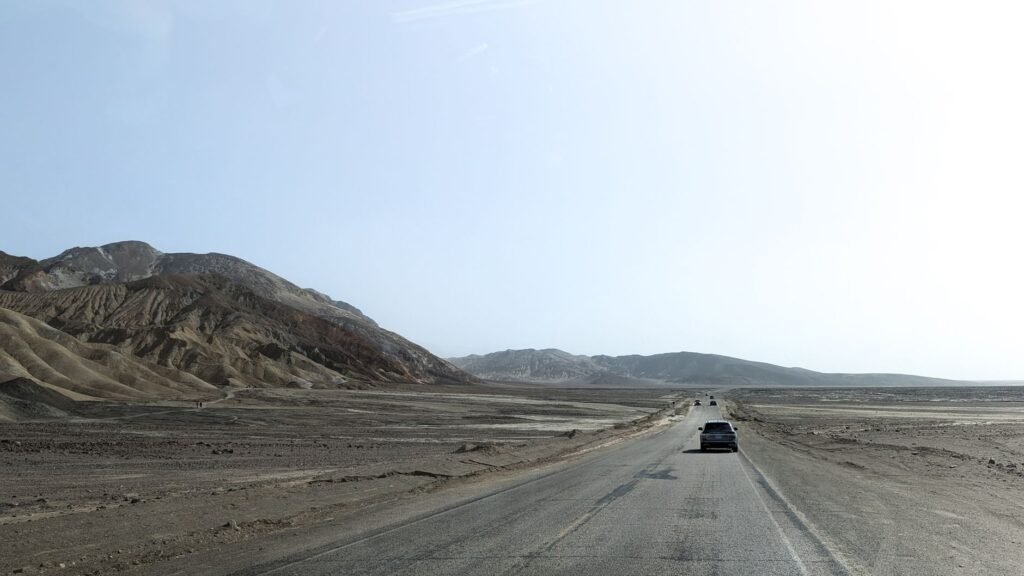
Nevada’s diverse geography presents distinct driving challenges that significantly influence Nevada car insurance rates. The state is characterized by vast desert terrains, mountainous regions, and rapidly growing urban areas like Las Vegas and Reno. The combination of these factors can lead to varying risks for drivers and, consequently, affect insurance premiums.
In rural areas, where open roads are prevalent, drivers may encounter hazards such as wildlife crossings and sudden weather changes. Conversely, urban settings experience heavy traffic congestion, particularly during peak hours. Such urban traffic patterns contribute to increased accident rates, which are crucial insurance rate factors. According to NHTSA, Nevada has seen a rise in urban accidents, making it imperative for drivers to be aware of these conditions when assessing their insurance needs.
Weather Influences on Nevada Car Insurance Rates
The weather in Nevada can be quite extreme, with scorching summers and unpredictable winter storms in mountainous regions. The summer heat can lead to vehicle malfunctions, while winter weather can create hazardous driving conditions, particularly in northern parts of the state. These weather-related challenges play a vital role in shaping Nevada car insurance rates, as insurers consider how seasonal conditions impact the likelihood of accidents and claims.
Furthermore, Nevada accident statistics indicate that adverse weather conditions contribute to a notable percentage of crashes. Insurers are likely to adjust premiums based on these statistics, as areas prone to severe weather may see higher insurance costs to mitigate the risks associated with driving under such conditions.
Understanding the interplay between driving conditions in Nevada and insurance premiums is essential for residents looking to manage their car insurance costs effectively. By considering these geographical and weather-related factors, drivers can make informed decisions about their coverage and potentially lower their insurance rates.

Nevada Accident Statistics and Their Role in Insurance Rates
Current Accident Trends
Nevada has seen a noticeable increase in traffic accidents over the past few years. According to the Nevada Department of Transportation, the state reported over 55,000 motor vehicle accidents in 2022, marking a rise from previous years. This surge is primarily attributed to a combination of factors, including increased tourism and a growing population. The severity of these accidents has also become a concern, with more incidents resulting in serious injuries and fatalities.
The driving conditions in Nevada, particularly in urban areas like Las Vegas, contribute significantly to these statistics. Congested roadways and high-speed limits, combined with driver distractions, have made accidents more likely. Understanding these trends is essential for both drivers and insurance companies, as they heavily influence risk assessments.
Correlation with Insurance Premiums and Nevada Car Insurance Rates
Insurance companies analyze Nevada accident statistics to determine insurance rate factors. As the frequency and severity of accidents rise, insurers may adjust their premiums to reflect the increased risk. For instance, if a particular area sees a spike in accidents, rates for drivers in that region may increase as a direct response to the heightened risk.
This correlation means that residents must stay informed about local accident trends. By understanding how accident statistics affect Nevada car insurance rates, drivers can make better choices regarding coverage and risk management. Additionally, engaging in safe driving practices can help mitigate personal insurance costs, as fewer claims lead to lower premiums.
How to Lower Your Nevada Car Insurance Rates
Reducing your Nevada car insurance rates is achievable through a combination of safe driving practices and taking advantage of available discounts. By being proactive, you can not only enhance your safety on the road but also lower your insurance costs.
Safe Driving Practices
One of the most effective strategies to lower your car insurance rates is by adopting safe driving habits. Insurance companies often reward drivers who demonstrate responsible behavior behind the wheel. Here are some actionable tips:
- Obey Speed Limits: Following speed limits not only keeps you safe but also reduces the likelihood of accidents. According to Nevada accident statistics, speeding is a significant factor in many collisions.
- Avoid Distractions: Keep your focus on driving. Avoid using your phone or engaging in other distracting activities while on the road.
- Complete Driver Education Courses: Successfully completing a defensive driving course can sometimes lead to discounts on your premiums. Many insurers recognize these programs as evidence of a commitment to safe driving.
- Maintain a Clean Driving Record: Accidents and traffic violations can significantly impact your insurance rates. Aim to keep your record clean to benefit from lower premiums over time.
Utilizing Discounts for Nevada Car Insurance Rates
Another effective way to reduce your insurance costs is by exploring various discounts offered by insurers. Here are some common discounts available to Nevada drivers:
- Multi-Policy Discounts: Bundling your auto insurance with other types of insurance, such as home or renters insurance, can lead to substantial savings.
- Good Student Discounts: If you are a student maintaining a good GPA, many insurers offer discounts for your academic performance.
- Low Mileage Discounts: If you drive less than the average mileage, you may qualify for a low mileage discount, reflecting your lower risk of accidents.
- Safety Features Discounts: Vehicles equipped with advanced safety features may qualify for additional discounts, as they reduce the likelihood of accidents.
Always ask your insurance provider about the specific discounts they offer, as this can vary between companies. By combining safe driving practices with available discounts, you can significantly lower your Nevada car insurance rates, making your driving experience both safer and more affordable.
Conclusion: Navigating Nevada Car Insurance Rates
Nevada car insurance rates are significantly influenced by the state’s unique driving conditions. From the bustling streets of Las Vegas to the winding roads of rural areas, drivers face various challenges that can impact their insurance costs. Factors such as traffic density, weather patterns, and accident statistics all play a crucial role in determining the price of premiums.
Understanding the insurance rate factors specific to Nevada is essential for drivers looking to manage their insurance expenses effectively. For instance, the state reports higher-than-average accident statistics, primarily due to the influx of tourists and the fast-paced lifestyle in urban centers. This heightened risk can lead to increased premiums, making it vital for drivers to stay informed about their environment.
Furthermore, the driving conditions in Nevada vary widely, with some areas prone to harsh weather and others experiencing heavy traffic. These variations can affect not only how often accidents occur but also the severity of those accidents, which in turn impacts insurance rates. Being proactive about understanding these conditions can help drivers make informed decisions about their coverage and potentially lower their rates.
As a driver in Nevada, taking the initiative to shop around for quotes, consider bundling policies, or even enhancing safety features in your vehicle can lead to significant savings on Nevada car insurance rates. Engaging with your insurance provider about available discounts or utilizing telematics programs can also provide additional opportunities for cost reduction. By being informed and proactive, you can navigate the complexities of car insurance in Nevada with confidence.

Understanding Nevada car insurance rates is essential for any driver in the state. Factors such as the varied driving conditions Nevada presents, ranging from urban traffic to rural roads, play a significant role in determining premiums. Furthermore, Nevada accident statistics indicate trends that can influence insurance rates, making it crucial for drivers to stay informed. By recognizing these elements, you can make more educated decisions about your insurance coverage.
To ensure you are getting the best possible rate, consider comparing quotes from multiple providers and asking about discounts that may apply to your situation. Staying aware of the insurance rate factors unique to Nevada can help you navigate the complexities of car insurance more effectively. Begin your journey towards better coverage today by researching options that best fit your driving habits and financial needs.
“`html
What are the main factors affecting Nevada car insurance rates?
Several key factors influence Nevada car insurance rates. These include your driving record, the type of vehicle you drive, your age and gender, and where you live. Additionally, insurance companies consider credit history and the level of coverage you choose. Understanding these insurance rate factors can help you make informed decisions and potentially lower your premiums.
How do driving conditions in Nevada impact insurance costs?
Driving conditions in Nevada, such as weather patterns and road quality, can significantly affect insurance costs. For instance, areas prone to severe weather or high accident rates may lead to higher premiums. Insurers assess risk based on historical data; thus, if certain regions have a higher incidence of claims, you may see increased Nevada car insurance rates in those areas. Staying informed about local driving conditions can help you anticipate changes in your insurance costs.
What are the latest Nevada accident statistics?
The latest Nevada accident statistics indicate a concerning trend in road safety. According to the Nevada Department of Transportation, there were over 50,000 reported accidents in recent years, with a notable percentage resulting in injuries or fatalities. These statistics inform insurance companies about risk levels associated with driving in Nevada, which directly impacts insurance rates. For more detailed figures, you can refer to the Nevada Department of Transportation.
How can I lower my car insurance rates in Nevada?
Lowering your car insurance rates in Nevada can be achieved through several strategies. First, consider increasing your deductible, as this often reduces your premium. Additionally, maintaining a clean driving record and taking advantage of safe driver discounts can yield savings. Shopping around and comparing quotes from different insurers can also help you find the best rates. Lastly, bundling policies, such as homeowners and auto insurance, may provide additional discounts.
Are there specific discounts for Nevada drivers?
Yes, many insurance companies offer specific discounts for Nevada drivers. These can include safe driver discounts, multi-policy discounts, and discounts for vehicles equipped with safety features. Some insurers also provide discounts for completing defensive driving courses. It is beneficial to inquire with your insurance provider about the available discounts, as these can significantly reduce your overall insurance costs.
What should I know about car insurance coverage in Nevada?
In Nevada, drivers are required to carry liability insurance, which covers damages to others in an accident where you are at fault. The minimum coverage limits are $25,000 for bodily injury per person, $50,000 per accident, and $20,000 for property damage. Additionally, drivers can opt for comprehensive and collision coverage for added protection. Understanding these requirements is crucial for ensuring compliance and protecting yourself financially.
“`