

Understanding Nevada car insurance laws FAQs is essential for every driver in the Silver State. As a resident, you may have numerous car insurance questions in Nevada, from minimum coverage requirements to the implications of insurance lapses. This article serves as an essential guide to help you navigate the complexities of Nevada’s insurance regulations. We will address common queries, providing insurance law answers that clarify your rights and responsibilities as a policyholder. Additionally, we will explore the Nevada insurance FAQ to ensure you understand what is expected of you. Whether you are a new driver or just seeking to update your knowledge, this guide aims to equip you with the necessary tools to make informed decisions about your car insurance needs. Join us as we break down the critical aspects of Nevada car insurance laws, helping you stay compliant and protected on the road.
Understanding Nevada Car Insurance Laws FAQs
What are the minimum insurance requirements in Nevada?
Nevada car insurance laws mandate that all drivers maintain specific minimum coverage to legally operate a vehicle. According to the Nevada Department of Motor Vehicles, the minimum required liability coverage includes:
- $25,000 for bodily injury or death of one person
- $50,000 for bodily injury or death of two or more people
- $20,000 for property damage
These minimums are designed to protect both drivers and other road users. Failure to adhere to these requirements can result in penalties, including fines and possible license suspension. Understanding these requirements is crucial for anyone asking car insurance questions in Nevada.

What types of car insurance are available in Nevada?
Beyond the state-mandated minimums, Nevada offers a variety of car insurance options that drivers can consider to ensure better protection. Here are the primary types:
- Liability Insurance: This covers damages to another person’s property or injuries to others in an accident where you are at fault.
- Collision Coverage: This pays for damage to your vehicle resulting from a collision, regardless of fault.
- Comprehensive Coverage: This protects against damages to your car from non-collision-related incidents, such as theft, fire, or natural disasters.
- Uninsured/Underinsured Motorist Coverage: This provides protection if you are involved in an accident with a driver who has insufficient insurance.
According to the Insurance Information Institute, approximately 10.7% of Nevada drivers were uninsured in 2019, which underscores the importance of considering additional coverage options like uninsured motorist protection.
For those exploring insurance law answers, understanding the types of coverage available can significantly impact your financial security on the road. The Nevada insurance FAQ is a valuable resource for learning more about these options.
By being informed about the minimum insurance requirements and types of coverage available, Nevada drivers can make smarter choices regarding their car insurance policies and ensure compliance with state laws.
Common Car Insurance Questions in Nevada
Nevada car insurance laws FAQs often arise due to the complexities surrounding insurance requirements and options available to drivers in the state. Understanding these common car insurance questions Nevada residents might have can help you make informed decisions about your coverage and potential savings.
How does Nevada handle uninsured motorists?
In Nevada, driving without insurance can lead to severe consequences, including hefty fines and license suspension. If you are involved in an accident while uninsured, you may be held financially responsible for damages and injuries to other parties, which can result in significant out-of-pocket expenses. To address the issue of uninsured motorists, Nevada law requires that all drivers carry uninsured motorist coverage, which helps protect you if you’re in an accident with someone who doesn’t have insurance.
If you find yourself in a situation where you are uninsured, you can still obtain coverage by purchasing a policy that includes uninsured motorist insurance. This type of coverage can help cover medical bills, lost wages, and other damages if you’re in an accident with an uninsured driver. It’s essential to understand the implications of driving without insurance, as the fallout can be financially devastating.
What discounts are available for Nevada drivers?
Many insurance providers offer various discounts to help Nevada drivers save on their premiums. Here are some common discounts you may qualify for:
- Safe driving discounts: If you maintain a clean driving record without accidents or moving violations, you may be eligible for discounts of up to 20%.
- Bundling policies: Combining your car insurance with other policies, such as homeowners or renters insurance, can lead to additional savings.
- Good student discounts: Young drivers who maintain a certain GPA can qualify for discounts, recognizing their commitment to responsible driving.
- Low mileage discounts: If you drive less than a set number of miles per year, you may qualify for a discount, as less time on the road reduces your risk of accidents.
For example, major insurers like State Farm and Allstate often provide up to 25% discounts for bundling policies or maintaining a clean driving record. Be sure to ask your insurer about specific discounts available to you, as they can vary widely among providers.
For more information on car insurance in Nevada, including specific insurance law answers and insights into the state’s regulations, refer to our Nevada DMV website or consult our comprehensive Nevada insurance FAQ.

Insurance Law Answers for Nevada Residents
Navigating the aftermath of a car accident can be overwhelming, particularly when dealing with insurance matters. Understanding Nevada car insurance laws FAQs is essential for residents to ensure they take the right steps. Here, we provide actionable insurance law answers to common questions faced by Nevada drivers.
What should I do after a car accident in Nevada?
After a car accident in Nevada, it’s crucial to act quickly and methodically. Here are the steps you should follow:
- Check for Injuries: Ensure everyone involved is safe and call 911 if there are any injuries.
- Move to Safety: If possible, move vehicles out of traffic to prevent further accidents.
- Report to Authorities: Contact the local police to file an accident report, especially for accidents involving injury or significant property damage.
- Gather Information: Collect details from the other driver(s), including names, contact information, insurance details, and vehicle license plates.
- Document the Scene: Take photographs of the accident scene, vehicle damage, and any relevant road conditions.
- Notify Your Insurance Company: Report the accident to your insurer as soon as possible. Provide them with the information you gathered.
For further clarity on these steps, refer to our Nevada DMV guidelines. 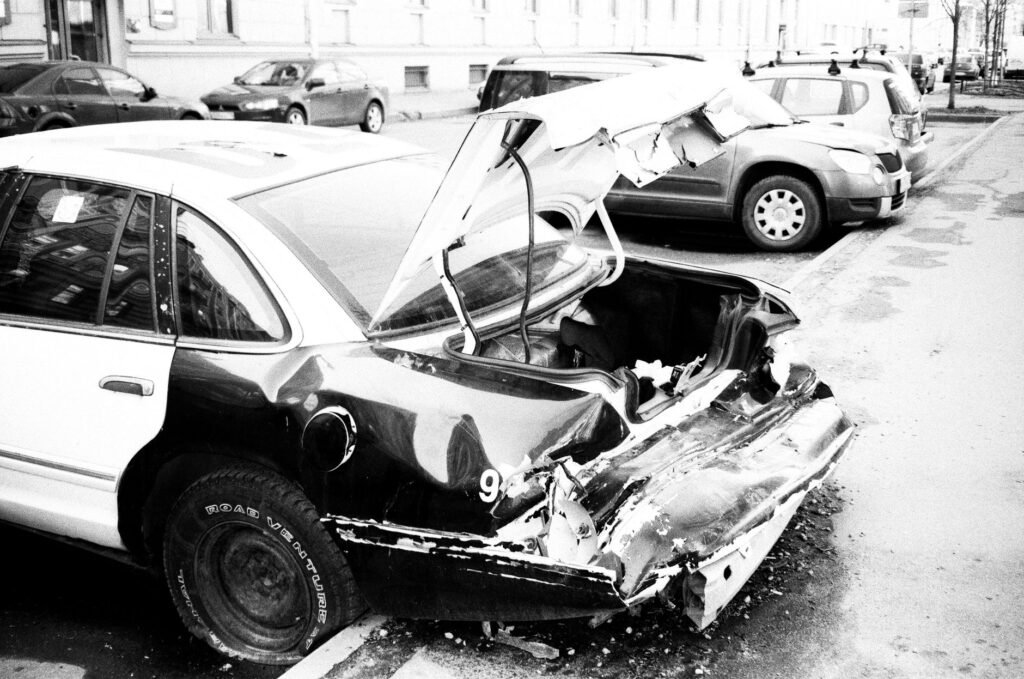
How can I file a complaint against my insurance company?
If you encounter issues with your insurance provider, understanding how to file a complaint is essential. Follow these steps:
- Review Your Policy: Familiarize yourself with your insurance policy’s terms and conditions, as this will help you understand your rights and obligations.
- Contact Your Insurer: Before filing a formal complaint, discuss your concerns directly with your insurance agent or customer service representative.
- Document Everything: Keep records of all communications, including dates, times, and the names of representatives you speak with.
- File a Formal Complaint: If the issue remains unresolved, you can submit a formal complaint with your insurance company’s complaint department.
- Contact the Nevada Division of Insurance: If your complaint is still not addressed satisfactorily, you can escalate the issue to the Nevada Division of Insurance by visiting their website or calling their office. They can provide guidance and investigate your concerns.
For more information on filing complaints, you can visit the Nevada Division of Insurance website. This will help you better understand your options and rights as a policyholder.
For any other car insurance questions in Nevada, consulting the Nevada insurance FAQ can provide additional insights. Staying informed about your rights and responsibilities can make a significant difference in handling insurance-related issues effectively.
Navigating the Nevada Insurance FAQ
Understanding the intricacies of Nevada car insurance laws FAQs is crucial for every driver in the state. This section addresses two pressing topics: the penalties for driving without insurance and the claims process in Nevada. By being informed, you can avoid costly mistakes and ensure a smoother experience when dealing with car insurance.
What are the penalties for driving without insurance in Nevada?
Driving without insurance in Nevada can result in severe penalties. The state mandates that all drivers must carry minimum liability coverage. Failure to comply can lead to significant repercussions, including:
- Fines: First-time offenders may face a fine ranging from $250 to $1,000, depending on the circumstances.
- License Suspension: Your driver’s license may be suspended for up to 90 days for a first offense, with longer suspensions for repeat violations.
- SR-22 Requirement: You may be required to file an SR-22 certificate, which verifies your insurance status, for up to three years.
For more detailed information on penalties and regulations, you can visit the Nevada DMV website.
How does the claims process work in Nevada?
Understanding the claims process is essential for navigating Nevada insurance FAQ. Here’s a step-by-step guide on what drivers can expect when filing a claim:
- Report the Incident: As soon as an accident occurs, report it to the police and gather as much information as possible, including pictures and witness statements.
- Notify Your Insurance Company: Contact your insurer promptly to report the claim. Most companies have a dedicated claims department to assist you.
- Provide Necessary Documentation: Submit all required documents, including a police report, photographs, and any other relevant evidence.
- Adjuster Review: An insurance adjuster will be assigned to your case, who will review the information and assess the damages.
- Settlement Offer: After the assessment, your insurer will provide a settlement offer based on the damages and liability determined.
- Claim Resolution: If you agree with the settlement, you will receive payment. If not, you can negotiate further or consider legal action.
For a more detailed guide on the claims process and to find answers to other car insurance questions Nevada, refer to the Nevada Division of Insurance.

Understanding Nevada car insurance laws FAQs is crucial for anyone navigating the complexities of car insurance in the state. Whether you have specific car insurance questions Nevada residents frequently ask or need detailed insurance law answers, this guide serves as a comprehensive resource. Familiarizing yourself with state requirements not only ensures compliance but also empowers you to make informed decisions about your coverage.
As you explore the information provided in our Nevada insurance FAQ, remember that staying updated on any changes in legislation is vital. If you have further inquiries or need personalized assistance, consider reaching out to a licensed insurance agent who can provide tailored guidance. Taking this step can lead to a better understanding of your options and help you secure the coverage that best meets your needs.
“`html
What are the minimum car insurance requirements in Nevada?
In Nevada, drivers must carry a minimum amount of liability insurance to comply with state laws. The required coverage includes $25,000 for bodily injury or death per person, $50,000 for total bodily injury or death per accident, and $20,000 for property damage. These minimums ensure that you can cover damages in the event of an accident. For a comprehensive understanding, refer to our DMV Nevada insurance guide.
How does the claims process work for Nevada car insurance?
The claims process in Nevada typically begins by notifying your insurance company about the accident as soon as possible. You will need to provide details of the incident, including police reports and witness statements. The insurer will then investigate the claim, assess damages, and determine liability. Once this is complete, they will communicate the next steps, including how compensation will be paid. For more on Nevada car insurance laws FAQs, check this resource.
What should I do if my insurance claim is denied in Nevada?
If your claim is denied in Nevada, first review the denial letter to understand the reasons. Contact your insurance adjuster for clarification, and provide any additional information that may support your claim. If you still believe the denial is unjustified, you can file a complaint with the Nevada Division of Insurance or consider seeking legal advice. Understanding your rights is crucial, so refer to the Nevada Division of Insurance for further guidance.
Are there any specific car insurance laws for rideshare drivers in Nevada?
Yes, Nevada has specific insurance laws for rideshare drivers. Drivers for companies like Uber and Lyft must carry a minimum of $1 million in liability coverage while transporting passengers. Additionally, they are required to have uninsured/underinsured motorist coverage. It is essential for rideshare drivers to understand these requirements to ensure compliance. For more detailed information, see the Nevada Legislature site.
What factors affect car insurance rates in Nevada?
Several factors influence car insurance rates in Nevada, including your driving history, the type of vehicle you drive, and your age. Other considerations include your credit score, the location where you live, and the amount of coverage you choose. Insurance companies may also look at claims history and the overall risk associated with the area. For a deeper dive into car insurance questions Nevada, explore this official review process.
How can I switch my car insurance provider in Nevada?
Switching your car insurance provider in Nevada involves a few straightforward steps. First, research and compare quotes from different insurers to find a policy that meets your needs. Once you choose a new provider, contact them to initiate the switch. Be sure to cancel your old policy only after the new one is in effect to avoid coverage gaps. Notify your previous insurer to finalize the cancellation. For more on this process, refer to Consumer Financial Protection Bureau.
“`