
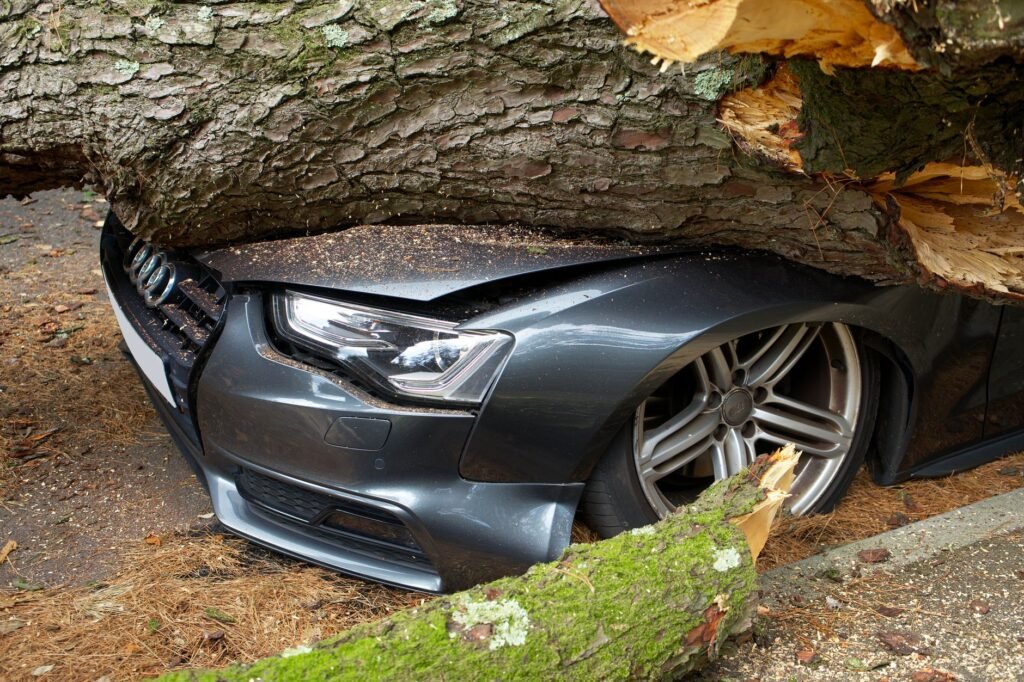
When considering comprehensive vs collision insurance Nevada, understanding the nuances of car insurance coverage types is essential for every driver. Nevada offers a variety of insurance options tailored to meet individual needs, but knowing which type of coverage suits you best can be a daunting task. This article delves into the fundamentals of comprehensive and collision insurance, helping you discern what is comprehensive insurance and how it contrasts with collision coverage. We will explore the essential car insurance coverage types available in Nevada, guide you through evaluating your Nevada insurance options, and ultimately assist you in making an informed decision. Whether you are a new driver or looking to update your policy, this guide will equip you with the knowledge needed to navigate your choices effectively. For more detailed information on insurance requirements in Nevada, visit [Nevada Division of Insurance](https://doi.nv.gov/) and explore their resources.
Understanding Comprehensive vs Collision Insurance in Nevada
What is Comprehensive Insurance?
Comprehensive insurance is a type of car insurance coverage that protects your vehicle against damages not caused by a collision. This includes incidents such as theft, vandalism, natural disasters, and hitting an animal. For Nevada drivers, understanding what is comprehensive insurance can be crucial, especially considering the state’s varied climate and environment, which may expose vehicles to unique risks.
For example, if a driver in Las Vegas experiences hail damage during a rare storm, comprehensive insurance would cover the repair costs. Similarly, if a car is stolen in a parking lot while visiting Reno, comprehensive coverage would help replace the vehicle. These scenarios illustrate the importance of having this type of coverage as part of your overall protection strategy.
What is Collision Insurance?
Collision insurance, on the other hand, covers damages to your vehicle resulting from a collision with another vehicle or an object, such as a tree or guardrail. Regardless of who is at fault, this type of coverage helps pay for repairs or replacement costs. For Nevada drivers, especially those navigating busy cities or rural areas with winding roads, collision insurance can provide peace of mind.
For instance, if a driver in Carson City accidentally collides with another car at an intersection, collision insurance would cover the costs associated with repairing their vehicle. This highlights the key difference between comprehensive and collision coverage , the former focuses on non-collision-related incidents, while the latter specifically addresses damages from accidents.
Understanding comprehensive vs collision insurance in Nevada is essential for making informed decisions about car insurance coverage types. Drivers must evaluate their individual needs, risks, and financial situations to choose the right Nevada insurance options for their circumstances. Having both types of coverage can create a well-rounded insurance policy, protecting against a wider array of potential incidents.
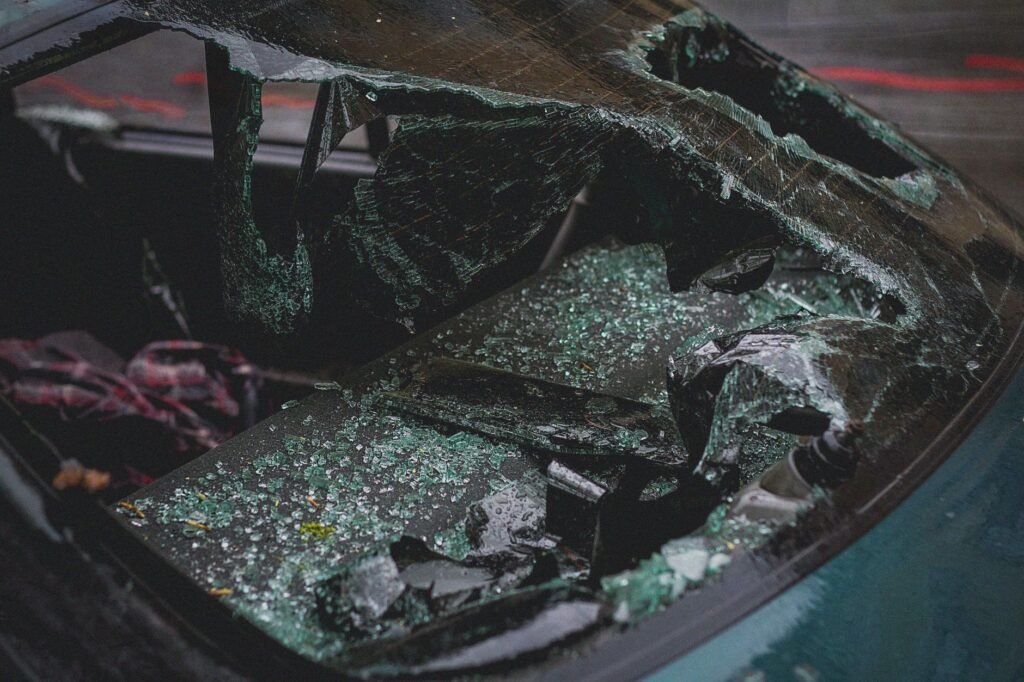
By considering both comprehensive and collision insurance, Nevada drivers can ensure they are adequately protected on the road. For further details on how to choose the right insurance for your needs, check our comprehensive guide here: Full Coverage Car Insurance in Nevada: Is It Worth It?.
Car Insurance Coverage Types Available in Nevada
Comparing Coverage Types: Comprehensive vs Collision Insurance in Nevada
Nevada offers a variety of car insurance coverage types to cater to the diverse needs of its drivers. Understanding these options is crucial when deciding between comprehensive vs collision insurance in Nevada. The state mandates liability insurance, which covers damages and injuries you may cause to others in an accident. However, the following coverage types are also essential to consider:
- Liability Insurance: Required by law, this insurance covers bodily injury and property damage claims from accidents you cause.
- Comprehensive Insurance: This coverage protects against non-collision incidents like theft, vandalism, or natural disasters. To understand what is comprehensive insurance, consider it as a safeguard against events beyond your control.
- Collision Insurance: This type covers damages to your vehicle resulting from a collision, regardless of fault. It is particularly beneficial for new or high-value vehicles.
- Uninsured/Underinsured Motorist Coverage: This protects you if you’re involved in an accident with a driver who has insufficient insurance.
- Medical Payments Coverage: This covers medical expenses for you and your passengers, regardless of who is at fault in an accident.
When selecting among these Nevada insurance options, it’s essential to assess your personal circumstances, vehicle type, and driving habits. For instance, if you drive an older vehicle, you might prioritize liability and comprehensive coverage rather than collision insurance. Conversely, if you own a new car, collision coverage becomes significantly more relevant.
Factors Influencing Your Choice Between Comprehensive vs Collision Insurance in Nevada
Several factors can influence your decision when weighing comprehensive vs collision insurance in Nevada. These include:
- Vehicle Value: Newer or high-value cars benefit from collision coverage, while older cars may only need comprehensive and liability insurance.
- Driving Environment: If you regularly drive in high-traffic areas or regions prone to natural disasters, collision and comprehensive coverage may be wise investments.
- Financial Situation: Consider your ability to pay out-of-pocket for repairs or replacements. If you can’t afford significant expenses, comprehensive and collision coverage may be necessary.
- Personal Risk Tolerance: Some drivers may feel comfortable taking on more risk, while others prefer the peace of mind that comes with fuller coverage.
Ultimately, understanding the various car insurance coverage types available in Nevada will empower you to make an informed choice that fits your specific needs. For more information on how to choose the right insurance for your situation, refer to Full Coverage vs Liability Insurance in Nevada Explained.

Evaluating Your Nevada Insurance Options
When it comes to choosing between comprehensive vs collision insurance in Nevada, understanding the financial implications of both types of coverage is crucial. Each offers distinct benefits and costs, and making an informed decision can save you money while ensuring adequate protection for your vehicle.
Cost Considerations
The cost of car insurance varies widely depending on several factors, including the type of coverage chosen. In general, collision insurance tends to be less expensive than comprehensive insurance. Collision coverage typically covers damages to your vehicle resulting from an accident, while comprehensive insurance protects against non-collision incidents such as theft, vandalism, and natural disasters. According to Insurance.com, comprehensive insurance can cost about 10 to 20 percent more than collision coverage, depending on your vehicle’s value and your location in Nevada.
When evaluating Nevada insurance options, consider the age and value of your vehicle. Older vehicles may not warrant the higher premium of comprehensive coverage, especially if their market value is low. Conversely, if you own a newer, high-value car, investing in both types of coverage could provide peace of mind against various risks. Always obtain quotes from multiple insurers to compare rates for both coverage types and determine which fits your budget.
When to Choose Each Type
Deciding when to opt for comprehensive or collision coverage involves assessing your personal risk tolerance and financial situation. Here are some actionable takeaways:
- Choose Comprehensive Insurance If: You live in an area prone to natural disasters or theft, or if your vehicle is newer and has a higher market value.
- Opt for Collision Insurance If: Your vehicle is older, has a low market value, or if you drive in less risky environments where accidents are less likely.
- Consider Both Types If: You want full protection against all possible risks, and can comfortably afford the premiums. This is especially relevant for high-value vehicles.
Ultimately, understanding what is comprehensive insurance and how it differs from collision coverage will empower you to make the best decision for your unique situation. Always review your policy annually to ensure it aligns with your current needs and circumstances.

For more detailed information on car insurance coverage types, consider reaching out to a local insurance agent who can guide you through the nuances of comprehensive vs collision insurance in Nevada.
Additionally, visiting Nevada Minimum vs Full Coverage Insurance Explained can provide further insights into making the best choice for your vehicle insurance needs.
Making the Right Decision: Comprehensive vs Collision Insurance in Nevada
Assessing Your Needs for Comprehensive vs Collision Insurance in Nevada
When deciding between comprehensive and collision insurance in Nevada, it’s essential to assess your personal needs and circumstances. Start by evaluating the value of your vehicle and your driving habits. If you own a newer or more valuable car, comprehensive coverage may be beneficial, as it protects against non-collision incidents like theft or natural disasters. Conversely, if your vehicle is older or has a lower market value, you might opt for collision insurance, which covers damages from accidents, regardless of fault.
Consider your financial situation as well. If you can afford to pay for repairs out of pocket or replace your vehicle without significant financial strain, you might choose to forgo comprehensive coverage. However, if unexpected expenses would be a burden, investing in comprehensive insurance could provide you with peace of mind. Remember, understanding the nuances of car insurance coverage types is crucial in making a well-informed decision.
Consulting with an Insurance Agent
While self-assessment is a good starting point, consulting with an insurance agent can help tailor your coverage to your specific needs. These professionals are well-versed in Nevada insurance options and can provide valuable insights into the differences between comprehensive and collision insurance. They can explain the terms and conditions associated with each type of coverage, helping you understand what is comprehensive insurance and how it might fit into your overall insurance strategy.
When speaking with an agent, be prepared to discuss your driving habits, the age and condition of your vehicle, and your budget for insurance premiums. This information will help them recommend the most suitable coverage options and ensure you don’t end up underinsured or overpaying for unnecessary coverage. Always read the policy details carefully to confirm you are fully aware of what is covered and any exclusions that may apply.
Making an informed decision about comprehensive vs collision insurance in Nevada requires careful consideration of your individual needs, professional guidance, and a clear understanding of insurance terms. By taking the time to assess your situation and consult with experts, you can select the right coverage that protects you and your vehicle effectively.

When assessing your options for car insurance coverage types in Nevada, understanding the differences between comprehensive vs collision insurance Nevada is crucial. Comprehensive insurance protects against non-collision-related incidents, such as theft, vandalism, or natural disasters, while collision insurance covers damages resulting from accidents with other vehicles or objects. Knowing what is comprehensive insurance helps Nevada drivers make informed decisions tailored to their specific needs.
By evaluating the various Nevada insurance options available, you can select the right mix of coverage that suits your driving habits and financial situation. Consider your vehicle’s value, your driving environment, and your personal preferences when deciding between these two essential types of car insurance. Take the next step by consulting with a trusted insurance agent to customize your policy according to your unique requirements.
“`html
What is the difference between comprehensive and collision insurance?
Comprehensive insurance covers damages to your vehicle not involving a collision, such as theft, vandalism, or natural disasters. Collision insurance, on the other hand, pays for damages to your car resulting from a collision with another vehicle or object. When considering comprehensive vs collision insurance in Nevada, it’s essential to understand these distinctions to choose the right coverage for your needs.
Is comprehensive insurance worth it in Nevada?
Comprehensive insurance can be worth it in Nevada, especially if you live in areas prone to severe weather, wildfires, or high theft rates. Since Nevada has diverse landscapes and climates, having comprehensive coverage can protect your investment from unforeseen events. Evaluating the value of your vehicle and your risk tolerance will help determine if this coverage is a wise choice.
What does collision coverage protect against?
Collision coverage protects your vehicle against damages resulting from a collision with another vehicle or object, regardless of who is at fault. This includes accidents with cars, guardrails, or even hitting a stationary object like a tree. It ensures that you can repair or replace your vehicle after an accident, making it a crucial part of car insurance coverage types.
How much does comprehensive insurance cost in Nevada?
The cost of comprehensive insurance in Nevada varies based on several factors, including your vehicle’s value, your driving history, and the coverage limits you choose. On average, Nevada drivers can expect to pay between $100 and $300 annually for comprehensive coverage. It’s advisable to compare quotes from different providers to find the best Nevada insurance options that fit your budget.
Do I need both comprehensive and collision coverage?
Whether you need both comprehensive and collision coverage depends on your individual circumstances. If you have a newer or more valuable vehicle, both coverages can provide essential protection. However, if your car is older and has a lower market value, you might consider skipping one or both types to save on premiums. Assessing your vehicle’s worth and your risk tolerance can help you decide.
What are the best insurance options for Nevada drivers?
The best insurance options for Nevada drivers include a mix of liability, collision, and comprehensive coverages. Consider providers with strong customer service ratings and competitive pricing. Additionally, look for discounts for safe driving, bundling policies, or being a member of certain organizations. Researching different Nevada insurance options will help you find a policy that meets your needs and budget.
“`