

Understanding the differences in full coverage vs liability insurance Nevada is crucial for drivers navigating the state’s unique insurance landscape. In Nevada, various insurance types cater to different needs, and knowing what is full coverage insurance can help you make informed decisions. This article will explore the key differences between full coverage and liability insurance in Nevada, highlighting the liability insurance benefits Nevada residents can enjoy. We will also examine whether full coverage insurance is worth the investment for drivers in the state. By the end, you will have a clearer understanding of each option, allowing you to choose the right insurance coverage for your situation. For more information on Nevada’s insurance requirements, consider visiting the Nevada Department of Motor Vehicles or the Nevada Division of Insurance.
Understanding Full Coverage vs Liability Insurance in Nevada
When navigating the world of auto insurance in Nevada, it’s crucial to understand the differences between the various Nevada insurance types available. This knowledge can significantly impact your financial security and peace of mind in the event of an accident. Two of the most common forms of coverage are full coverage insurance and liability insurance. Each serves a distinct purpose, and understanding their components will help you make informed decisions.
What is Full Coverage Insurance?
Full coverage insurance is a term often used to describe a combination of policies that provide comprehensive protection for your vehicle. Specifically, it typically includes two main components: collision and comprehensive coverage. Collision coverage helps pay for damages to your vehicle resulting from an accident, regardless of who is at fault. On the other hand, comprehensive coverage protects against non-collision-related incidents, such as theft, vandalism, or natural disasters. In essence, full coverage insurance offers a more extensive safety net, ensuring that you are covered in a variety of scenarios.
What is Liability Insurance?
Liability insurance, on the other hand, focuses primarily on providing coverage for damages you may cause to others in an accident. This includes two key elements: bodily injury liability and property damage liability. Bodily injury liability covers medical expenses for injuries sustained by others in an accident you caused, while property damage liability pays for repairs to other vehicles or property. One of the notable liability insurance benefits in Nevada is that it can also cover legal fees resulting from lawsuits arising from accidents. This protection is crucial, as it helps shield your assets from being pursued for damages and legal costs.
Understanding the differences between full coverage vs liability insurance in Nevada can help you choose the right policy based on your needs and financial situation. While full coverage offers more extensive protection, liability insurance is often a more affordable option that meets the state’s minimum requirements. Evaluating your circumstances and weighing the pros and cons of each can lead to a more tailored insurance solution.

Key Differences Between Full Coverage and Liability Insurance in Nevada
Cost Comparison: Full Coverage vs Liability Insurance in Nevada
When comparing full coverage vs liability insurance Nevada, the cost is one of the most significant factors to consider. Full coverage insurance typically includes both liability coverage and additional protections such as collision and comprehensive coverage. According to Insurance.com, the average cost of full coverage in Nevada can range from $1,200 to $1,500 annually, whereas basic liability insurance may cost between $500 to $800 per year. This stark difference in price can be a deciding factor for many drivers.
Those who opt for full coverage insurance are usually looking to protect their vehicles from a wider range of risks, including theft, vandalism, and accidents. This is particularly important for newer or high-value vehicles, where repair costs can be steep. On the other hand, liability insurance is often chosen by those with older vehicles or lower budgets, as it covers damages to others but does not protect the insured’s own vehicle.
Coverage Scope: Understanding Full Coverage and Liability Insurance Benefits in Nevada
Understanding what is full coverage insurance is crucial when assessing your options. Full coverage encompasses liability, collision, and comprehensive coverage, providing extensive protection against various risks. This means that if you’re involved in an accident, not only are third-party damages covered, but your own vehicle’s damages are also accounted for.
In contrast, liability insurance benefits Nevada drivers by covering only the costs associated with damages or injuries to others in an accident where you are at fault. It does not cover your own vehicle or any medical expenses you may incur. For example, if you collide with another vehicle, liability insurance would pay for the damages to that vehicle, but you would be responsible for your own repair bills.
Ultimately, the choice between full coverage and liability insurance comes down to individual circumstances, including vehicle value, budget, and risk tolerance. Those who prefer peace of mind and are willing to invest more in their insurance may lean towards full coverage, while budget-conscious drivers may find liability insurance more suitable for their needs.

Liability Insurance Benefits in Nevada
Affordability in Full Coverage vs Liability Insurance in Nevada
When considering full coverage vs liability insurance in Nevada, one of the most significant advantages of opting for liability insurance is its affordability. Liability insurance typically costs much less than full coverage, making it a viable option for budget-conscious drivers. According to the Insurance Information Institute, the average annual premium for liability insurance in Nevada is around $800, while full coverage can exceed $1,600 per year.
For many Nevada drivers, especially new car owners or those with older vehicles, liability coverage provides essential protection without the hefty price tag. For instance, consider a driver who owns a ten-year-old sedan. If this vehicle is involved in an accident, the cost to repair it may not justify the higher premiums of full coverage. In such cases, liability insurance can offer adequate protection against third-party claims while keeping costs manageable.
Legal Requirements for Liability Insurance in Nevada
Understanding the legal requirements surrounding Nevada insurance types is crucial for all drivers. In Nevada, drivers are required to maintain a minimum liability coverage of $25,000 for bodily injury per person, $50,000 for total bodily injury per accident, and $20,000 for property damage. Failing to meet these legal requirements can result in severe penalties, including fines and possible suspension of driving privileges.
Real-life scenarios underscore the importance of having at least the minimum liability coverage. For example, if a driver without insurance causes an accident, they may be personally liable for the damages incurred. This situation can lead to financial ruin, as medical bills and property damage costs can quickly escalate. By maintaining liability insurance, drivers protect themselves from these potentially devastating financial consequences while complying with Nevada state laws.
the liability insurance benefits in Nevada are clear: it offers a cost-effective solution for meeting legal requirements while protecting against significant financial risks. For more detailed information on various insurance options, consider exploring Full Coverage vs Liability Insurance in Nevada: Key Differences.

Is Full Coverage Insurance Worth It in Nevada?
Deciding whether to choose full coverage vs liability insurance in Nevada involves a careful evaluation of your individual circumstances, including the value of your vehicle and your financial situation. Understanding these factors can help you make a more informed decision and ensure that you have the right protection in place.
Consider Your Vehicle’s Value
One of the primary considerations when determining if full coverage is worth it is the value of your vehicle. What is full coverage insurance? Typically, full coverage includes both comprehensive and collision coverage, protecting against a range of incidents including theft, vandalism, and accidents. If you own a new or high-value vehicle, full coverage may be beneficial. For instance, a new car that you financed could depreciate quickly, and in the event of a total loss, full coverage would help you recover your investment.
Conversely, if your vehicle is older or has a low market value, you may find that the cost of full coverage outweighs the potential benefits. In such cases, opting for liability insurance could be more financially prudent, especially given the liability insurance benefits Nevada offers, such as lower premiums and sufficient coverage for most drivers.
Evaluate Your Personal Financial Situation
Your personal financial situation also plays a crucial role in this decision. If you have significant savings or assets that could be at risk in the event of an accident, investing in full coverage may provide peace of mind. On the other hand, if your budget is tight, you might prioritize lower premiums associated with liability insurance. Carefully assessing your driving habits, vehicle condition, and potential risks can lead to a more tailored insurance solution.
Ultimately, the choice between full coverage vs liability insurance in Nevada hinges on your unique circumstances. By weighing factors like your vehicle’s value and your financial capacity, you can make a more informed decision that aligns with your needs.

For further insights into Nevada insurance types and options available to you, consider exploring additional resources or speaking with an insurance agent to guide you through the process. Navigating Car Insurance Claims in Nevada: A Guide
Conclusion: Choosing the Right Insurance in Nevada
Assessing Your Needs in Full Coverage vs Liability Insurance Nevada
When determining the best insurance for your situation, it is crucial to assess your needs. Full coverage insurance typically includes liability, collision, and comprehensive coverage, making it a more robust option that can protect you in various scenarios. On the other hand, liability insurance benefits Nevada drivers by covering damages or injuries you may cause to others in an accident, which is a legal requirement in the state. Nevada law mandates minimum liability coverage, but many drivers opt for full coverage to ensure greater peace of mind.
Consider factors such as your vehicle’s value, your driving habits, and your financial situation. If you have a new or high-value car, full coverage may be more beneficial. Conversely, if you drive an older vehicle or have a limited budget, liability coverage might be sufficient. Evaluate your risk tolerance and what you can afford to pay out-of-pocket in the event of an accident.
Finding the Right Provider
Once you understand your insurance needs, the next step is to find a reputable provider. Look for companies that offer various Nevada insurance types, including both full coverage and liability options. Check customer reviews, consult with friends or family for recommendations, and consider using online comparison tools to evaluate quotes from multiple insurers.
Additionally, inquire about any discounts for safe driving, bundling policies, or completing driver safety courses. Many insurers provide these benefits, which can significantly reduce your premiums. Always read the policy details thoroughly to ensure you understand the coverage limits and exclusions.
Ultimately, your choice between full coverage vs liability insurance in Nevada should align with your financial situation and comfort level with risk. By taking the time to assess your needs and carefully compare providers, you can find the best insurance fit for your unique circumstances.
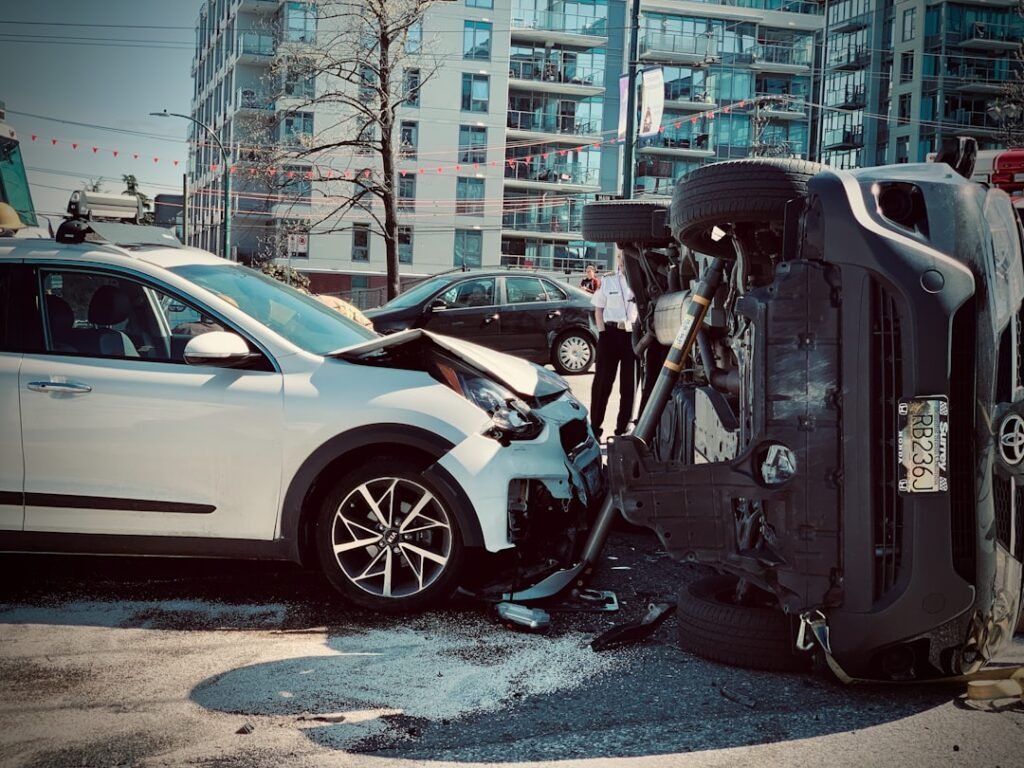
Understanding the differences between full coverage vs liability insurance in Nevada is crucial for making informed decisions about your auto insurance policy. While full coverage provides extensive protection, including collision and comprehensive coverage, liability insurance benefits Nevada drivers by ensuring legal compliance and financial security in case of accidents. Each option serves different needs based on your individual situation, vehicle value, and risk tolerance.
As you weigh the various Nevada insurance types available, it is essential to consider what is full coverage insurance and how it compares to liability options. Evaluate your driving habits, vehicle condition, and financial situation to determine which policy is right for you. Take the next step by consulting with a licensed insurance agent to explore your options and secure the best coverage tailored to your needs.
“`html
What is the difference between full coverage and liability insurance?
Full coverage insurance generally includes liability coverage, as well as collision and comprehensive coverage. Liability insurance only covers damages you cause to others in an accident. In the context of full coverage vs liability insurance in Nevada, full coverage offers broader protection, helping you cover repair costs for your own vehicle and protecting you from financial losses due to accidents or theft.
Is full coverage insurance worth it for older cars?
Whether full coverage is worth it for older cars depends on the vehicle’s value and your personal financial situation. If your car’s value is significantly low, paying for full coverage may not be cost-effective. Many choose liability insurance for older vehicles, as it can provide adequate financial protection without high premiums. Assess your car’s worth against the cost of full coverage to make an informed decision.
What are the minimum liability insurance requirements in Nevada?
Nevada requires drivers to have liability insurance with minimum coverage limits of $25,000 for bodily injury per person, $50,000 for total bodily injury per accident, and $20,000 for property damage. These minimums ensure that drivers can cover damages from accidents they cause. Be aware that these amounts might not be sufficient for all situations, and higher limits are often recommended.
Can I switch from full coverage to liability insurance?
Yes, you can switch from full coverage to liability insurance at any time, but it’s essential to consider your current financial situation and the value of your vehicle. If your car is older or has depreciated significantly, liability insurance may be a more cost-effective option. Before making changes, consult with your insurance provider to ensure you understand the implications of reducing your coverage.
What are the benefits of liability insurance in Nevada?
Liability insurance benefits Nevada drivers by covering costs associated with damages and injuries you cause to others in an accident. This type of insurance is often more affordable than full coverage, making it accessible for many drivers. It also helps you comply with Nevada’s minimum insurance requirements, protecting you from legal penalties and financial liabilities resulting from accidents.
How can I find affordable full coverage insurance in Nevada?
To find affordable full coverage insurance in Nevada, compare quotes from multiple insurance providers. Use online comparison tools to assess rates and coverage options. Additionally, consider factors like your driving history, vehicle type, and any available discounts such as bundling policies or maintaining a clean driving record. It’s also wise to review your coverage needs periodically to ensure you are not over-insured.
“`