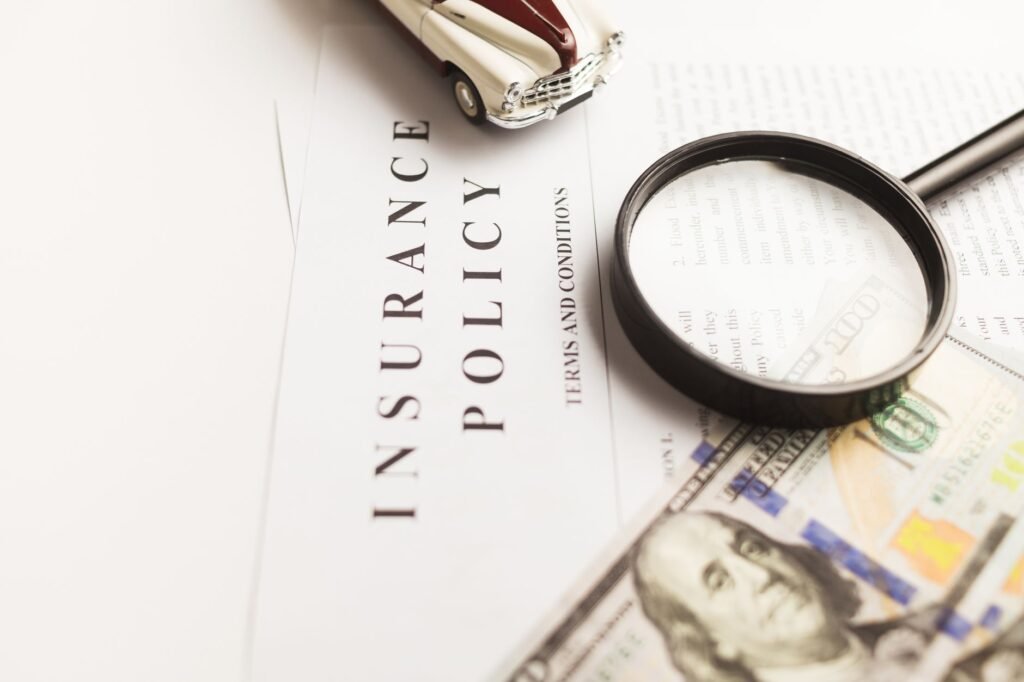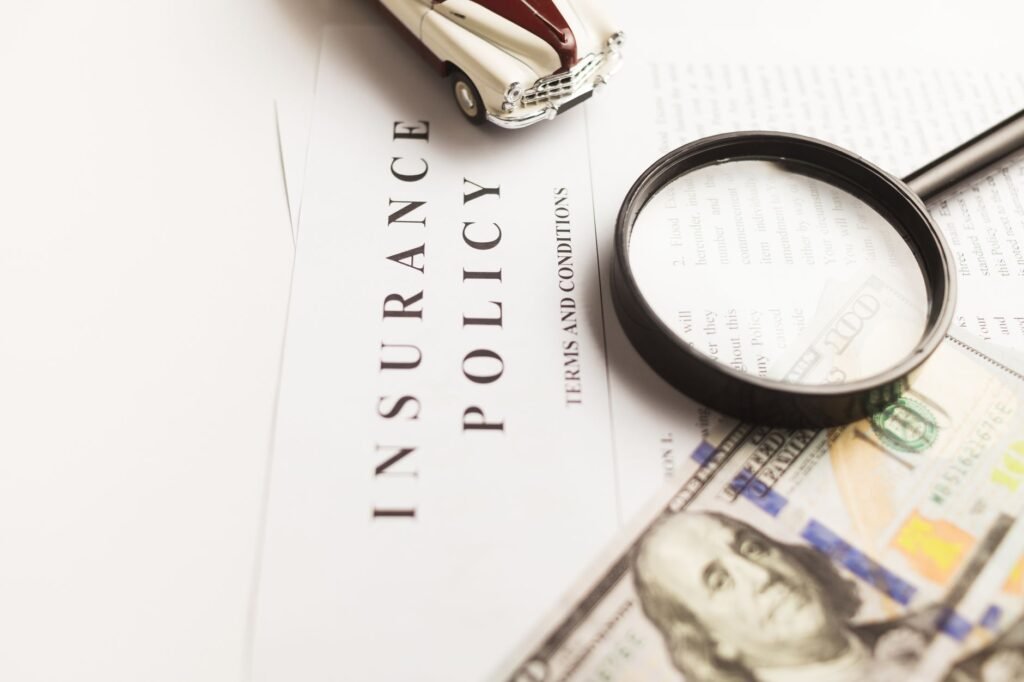
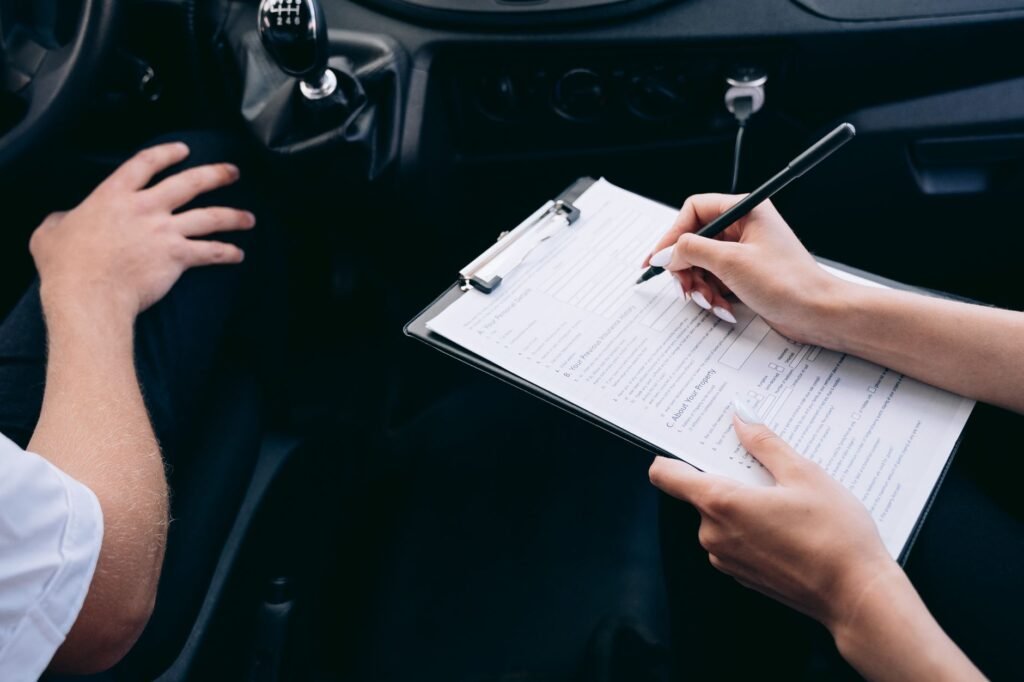
Nevada car insurance for new drivers can be a complex topic, especially for those just starting their driving journey. Whether you are a teen driver seeking teen drivers insurance or an adult obtaining first-time driver coverage, understanding the various options available is crucial. This comprehensive guide will walk you through essential aspects of securing insurance for new drivers in Nevada. We will cover the types of coverage suited for new drivers, the costs associated with Nevada car insurance, and practical steps to obtain the necessary policies. Additionally, we will highlight common mistakes that new drivers often make when selecting insurance, ensuring you have the knowledge to avoid these pitfalls. Finally, we’ll provide valuable resources that can assist new drivers in navigating the insurance landscape effectively. With this information, you can make informed decisions and drive with confidence on Nevada’s roads.
Understanding Nevada Car Insurance for New Drivers
Why Car Insurance is Crucial for New Drivers
Obtaining Nevada car insurance for new drivers is essential for several reasons. First and foremost, car insurance provides financial protection in the event of an accident, theft, or damage to your vehicle. For new drivers, who may lack experience on the road, this protection is vital. Additionally, Nevada law requires all drivers to carry a minimum level of insurance coverage.
Driving without insurance can lead to severe consequences, including hefty fines, license suspension, and even legal liabilities if you cause an accident. The state of Nevada mandates that drivers maintain a minimum of liability coverage to protect themselves and others on the road. For more details on penalties for driving uninsured, you can refer to the Nevada DMV website.
Overview of Nevada Car Insurance Requirements
In Nevada, the minimum car insurance requirements for new drivers include:
- Bodily Injury Liability: $25,000 per person and $50,000 per accident.
- Property Damage Liability: $20,000 per accident.
These minimums are designed to protect you and other drivers, ensuring that compensation is available in case of an accident. New drivers, including teen drivers insurance and first-time driver coverage, should consider these requirements seriously when selecting their policies. For a comprehensive understanding of what coverage options are available, including additional protections that may benefit new drivers, check resources like the Washington State Insurance Commission.
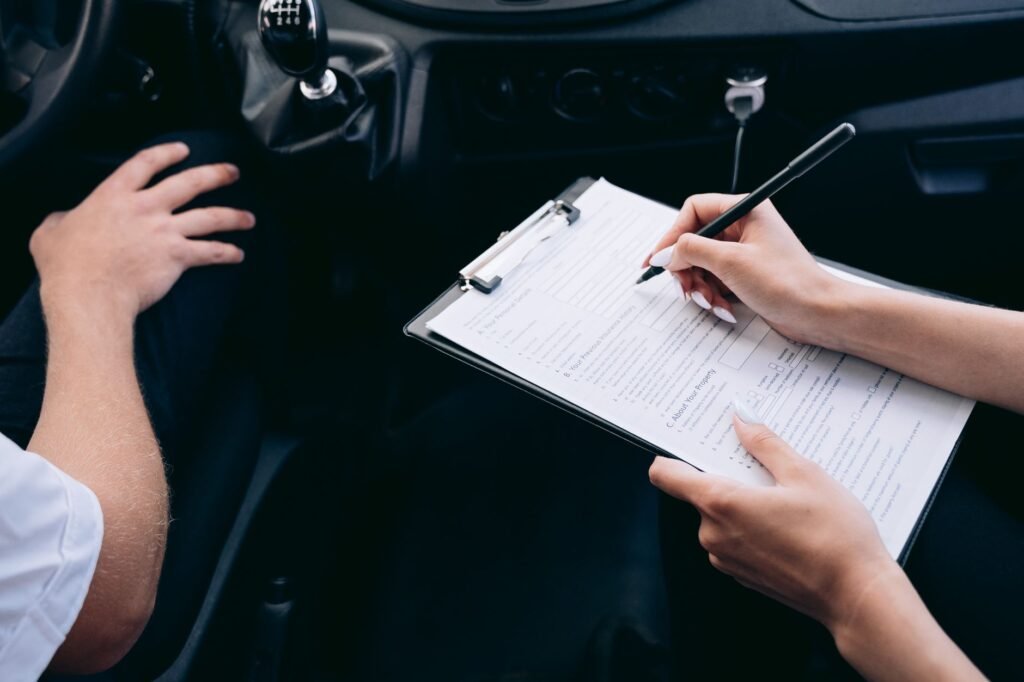
By understanding these requirements and the importance of insurance for new drivers, you can make informed decisions that will safeguard your financial future while driving in Nevada.
Types of Coverage for New Drivers in Nevada
Essential Coverage Options for First-Time Drivers
When exploring Nevada car insurance new drivers need, it’s crucial to understand the various types of coverage available. Each coverage type serves a different purpose and can significantly impact your financial protection on the road.
- Liability Coverage: This is the minimum requirement in Nevada. It protects you if you’re responsible for causing an accident, covering damages to others’ property and medical expenses. The state mandates a minimum of $25,000 for bodily injury per person, $50,000 per accident, and $20,000 for property damage.
- Collision Coverage: This helps pay for damages to your vehicle resulting from a collision, regardless of fault. It can be particularly beneficial for new drivers who may be more prone to accidents.
- Comprehensive Coverage: This type covers non-collision-related incidents, such as theft, vandalism, or natural disasters. For new drivers, especially those with newer vehicles, comprehensive coverage can provide peace of mind.
Choosing the right mix of coverage is essential for ensuring adequate protection while balancing your budget. For more details on coverage options, you can visit How to Switch Car Insurance Providers in Nevada.
Teen Drivers Insurance: Special Considerations for Nevada Car Insurance New Drivers
When it comes to teen drivers insurance, there are specific considerations to keep in mind. Teen drivers typically face higher insurance premiums due to their inexperience and higher likelihood of accidents. However, many insurers offer discounts for good grades or completing defensive driving courses, which can help lower costs.
First-time driver coverage may also differ for teen drivers, as policies often include restrictions on nighttime driving or the number of passengers allowed. Understanding these nuances will help parents and teens select the best insurance for new drivers.
To learn more about how to save on teen driver insurance, check out Choosing Car Insurance for New Drivers in Nevada.
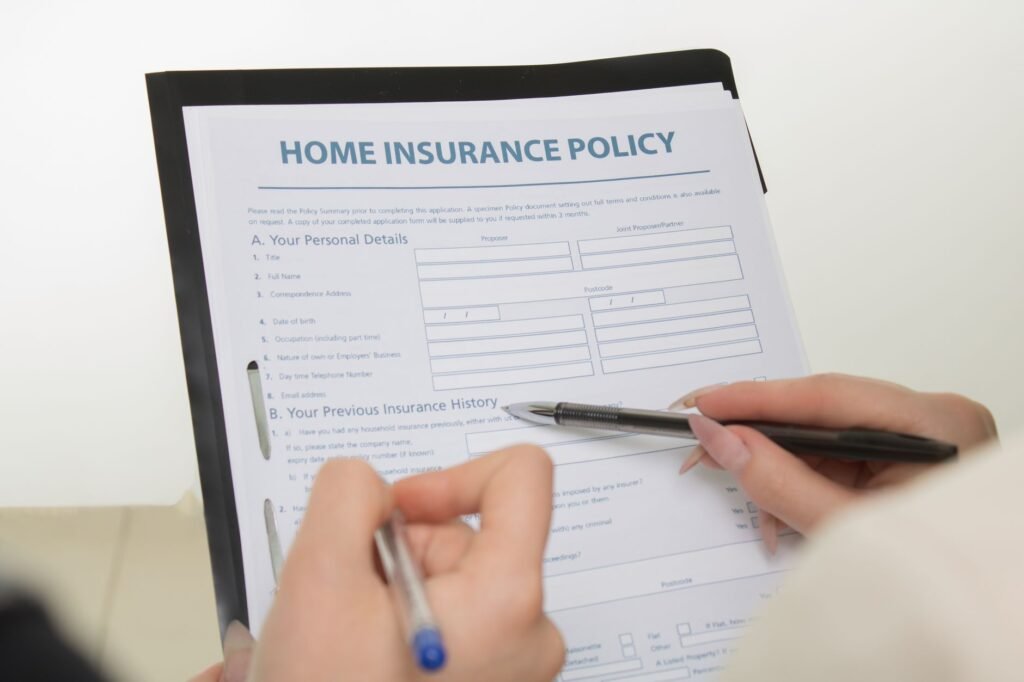
Cost of Nevada Car Insurance for New Drivers
Factors Influencing Insurance Premiums for Nevada Car Insurance New Drivers
When it comes to Nevada car insurance new drivers, several factors can significantly influence the cost of premiums. Understanding these factors can help new drivers make informed decisions when selecting coverage.
- Age: Younger drivers, particularly those under 25, often face higher rates due to inexperience and statistical data that show higher risk.
- Driving History: A clean driving record can help mitigate costs, while accidents or violations can lead to increased premiums.
- Type of Vehicle: The make and model of the vehicle also play a crucial role; high-performance cars typically attract higher insurance rates.
- Coverage Level: The amount of coverage chosen, whether liability, comprehensive, or collision, directly impacts the overall cost of insurance.
Average Costs and How to Save on Insurance for New Drivers
The average cost of insurance for new drivers in Nevada can range significantly. On average, first-time driver coverage can be around $2,000 to $3,000 annually, depending on the factors mentioned above. For teen drivers insurance, costs may be even higher, often exceeding $4,000 per year due to the high-risk category they fall into.
To reduce these costs, new drivers can consider the following actionable tips:
- Shop Around: Use online comparison tools to compare rates from different insurers. Websites like Insurance.com can provide free quotes.
- Bundle Policies: If you have other insurance needs, bundling auto insurance with home or renters insurance can lead to discounts.
- Take Defensive Driving Courses: Completing a defensive driving course may qualify you for discounts with some insurers.
- Choose a Safe Vehicle: Opt for vehicles with high safety ratings, as these typically come with lower insurance premiums.
By understanding the cost drivers and employing smart strategies, new drivers can find the right insurance for new drivers that fits both their needs and budget. For a more tailored estimate, consider using an online calculator to assess your specific situation and potential savings: Save on Nevada Car Insurance: Tips and Tricks.
How to Obtain Nevada Car Insurance as a New Driver
Obtaining car insurance as a new driver in Nevada can be a straightforward process if you follow the right steps. Understanding the requirements and knowing how to compare options will help you secure the best Nevada car insurance for new drivers.
Steps to Get Insured
To begin your journey towards getting insured, follow these essential steps:
- Gather Necessary Documents: Before contacting insurance providers, compile your documents. You will need a valid driver’s license, vehicle registration, and any previous insurance records if applicable. For first-time driver coverage, having your driving history ready can also be beneficial.
- Determine Your Coverage Needs: Assess what type of coverage you need. Consider factors such as your driving habits and whether you will be using your car for personal or commercial purposes.
- Request Quotes: Reach out to multiple insurance companies for quotes. This is crucial for finding the best rates and coverage options tailored for new drivers.
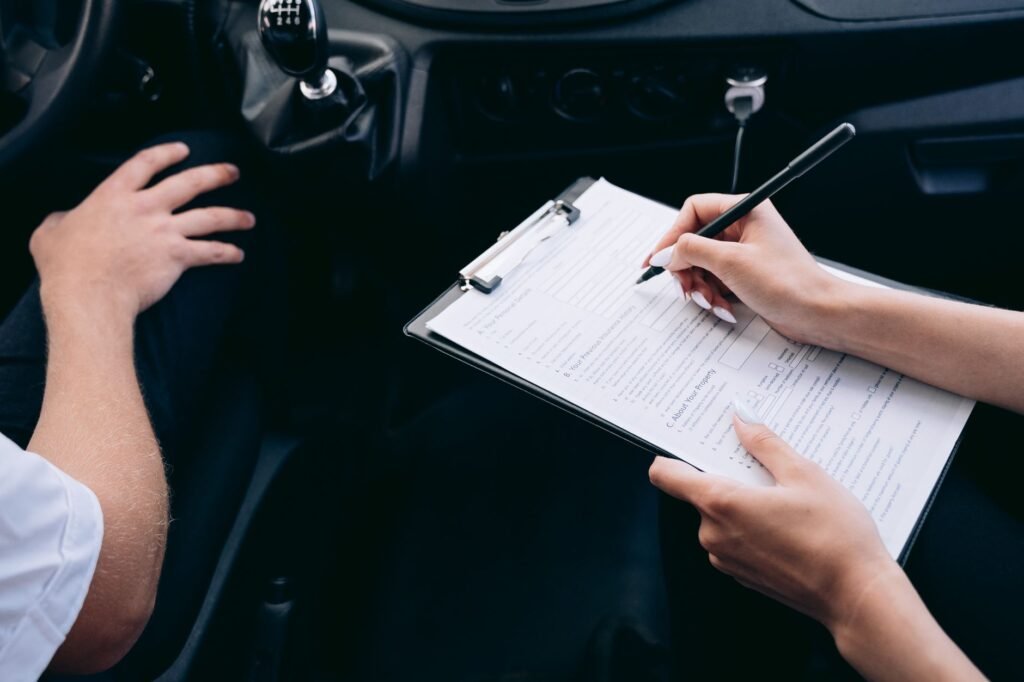
Comparing Different Insurance Providers
Shopping around for insurance is essential, especially for new drivers. Here are some tips for comparing different insurance providers:
- Use Comparison Tools: Websites that aggregate insurance quotes can save you time and help you see various options side by side. This allows you to evaluate costs and coverage effectively.
- Check Discounts: Many insurers offer discounts for new drivers, especially for teen drivers insurance. Ask about programs that may lower your premiums.
- Read Reviews: Look for customer feedback on the insurers you are considering. This will give you insight into their reliability and customer service.
By following these steps and comparing your options, you can find the right insurance for new drivers that meets your needs and budget. Don’t forget to revisit your coverage periodically as your driving experience grows. For more tips on navigating the insurance process, refer to Nevada Driving History Insurance Rates Explained.
Common Mistakes New Drivers Make with Insurance
Avoiding Common Pitfalls in Nevada Car Insurance for New Drivers
New drivers often face a steep learning curve when it comes to car insurance. One of the most significant mistakes they make is underinsuring themselves. Many first-time drivers believe that the minimum coverage required by law is sufficient. However, this can leave them financially vulnerable in the event of an accident. Comprehensive coverage or higher liability limits can provide greater protection and peace of mind.
Another common error is not fully understanding policy terms. Many new drivers may sign up for teen drivers insurance or first-time driver coverage without grasping the details of their policies. Terms like deductibles, exclusions, and coverage limits may seem daunting but are crucial to comprehend. New drivers should take the time to read through their policies and ask questions if they’re unclear about anything.
Staying Informed About Policy Changes
Insurance policies and regulations can change frequently. It’s essential for new drivers to stay informed about any updates that could affect their coverage. Regularly reviewing your policy can help ensure that you are not missing out on discounts or updates that could save you money. New drivers should also consider reaching out to their insurance providers periodically to discuss their individual needs and any changes in their circumstances.
Additionally, following local news or visiting the Nevada Department of Motor Vehicles (DMV) website can provide valuable insights into state-specific regulations and any adjustments in insurance requirements. Utilizing resources like Nevada DMV can be particularly helpful for those seeking information tailored to Nevada car insurance new drivers.
Resources for New Drivers in Nevada
Where to Find Help and Information
As a new driver in Nevada, accessing reliable resources is essential for understanding your responsibilities and options regarding Nevada car insurance new drivers. The Nevada Department of Motor Vehicles (DMV) is your primary source for information on obtaining a driver’s license, vehicle registration, and the rules of the road. Their official website offers a wealth of resources, including guides on first-time driver coverage, safety tips, and links to local DMV offices for in-person assistance. Visit the Nevada DMV website for comprehensive information.
Besides the DMV, there are various online platforms and community resources that provide insights into car insurance for new drivers. Websites such as Nevada’s official state website can guide you toward educational resources and support services tailored for new drivers, including those seeking teen drivers insurance.
Understanding Nevada’s Department of Motor Vehicles (DMV)
The Nevada DMV plays a critical role in ensuring that new drivers are equipped with the necessary knowledge and skills. They offer online resources detailing the requirements for insurance for new drivers and various types of coverage options available. New drivers should familiarize themselves with the DMV FAQ section for answers to common questions, or reach out directly via phone or email for personalized assistance.
Additionally, consider visiting local insurance agencies that specialize in services for new drivers. These agencies can provide tailored advice and support to help you navigate the complexities of Nevada car insurance new drivers need. Many offer free consultations to discuss your coverage options and help you find the best rates available.

Understanding the nuances of Nevada car insurance for new drivers is essential for navigating the road safely and legally. From teen drivers insurance options to tailored first-time driver coverage, new drivers have a variety of choices that can fit their unique situations. Assessing your needs and comparing multiple insurance policies can lead to substantial savings while ensuring you are adequately protected.
As you embark on your driving journey, taking the time to research and choose the right insurance for new drivers will set a solid foundation for your future on the road. Consider reaching out to insurance agents for personalized quotes and advice. By making informed decisions now, you can enjoy your driving experience with confidence and peace of mind.
“`html
What is the average cost of car insurance for new drivers in Nevada?
The average cost of car insurance for new drivers in Nevada can vary significantly based on factors such as age, driving history, and the type of vehicle. Generally, new drivers may expect to pay anywhere from $150 to $300 per month. It’s important to shop around and compare rates, as different insurers have varying pricing models. Some may offer discounts for good grades or completing driver education courses, which can help lower the cost of Nevada car insurance for new drivers.
What types of coverage are available for first-time drivers?
First-time drivers in Nevada can choose from several types of coverage, including liability, collision, and comprehensive insurance. Liability coverage is typically mandatory and covers damages to others if you’re at fault in an accident. Collision coverage pays for damages to your vehicle after an accident, while comprehensive insurance covers non-collision incidents like theft or natural disasters. Additionally, new drivers may want to consider uninsured/underinsured motorist coverage for added protection.
How can I get teen drivers insurance in Nevada?
To get teen drivers insurance in Nevada, start by adding your teen to your existing policy, which can often be more cost-effective. Alternatively, you can obtain a separate policy for your teen. Research insurers that specialize in teen drivers insurance, as they may offer specific discounts for good grades or completion of driving courses. Ensure your teen understands safe driving practices, as this can help lower premiums over time.
What are the minimum insurance requirements in Nevada?
Nevada requires drivers to carry minimum liability insurance of $25,000 for bodily injury per person, $50,000 for total bodily injury per accident, and $20,000 for property damage. This is commonly referred to as 25/50/20 coverage. It’s crucial for new drivers to meet these requirements to legally drive in Nevada and avoid penalties. Additional coverage options, such as collision and comprehensive, are recommended for better financial protection.
How do I compare car insurance quotes as a new driver?
Comparing car insurance quotes as a new driver involves gathering quotes from multiple insurance providers. You can use online comparison tools or contact insurers directly. Be sure to provide consistent information about your driving history, vehicle, and coverage needs to get accurate quotes. Look for discounts for new drivers, safe driving courses, or bundling policies. Additionally, consider the company’s reputation for customer service and claims handling before making a decision.
What common mistakes should new drivers avoid when getting insurance?
New drivers should avoid several common mistakes when getting insurance, including failing to shop around for quotes and assuming all policies are the same. It’s also important not to underestimate the value of coverage types; opting for only the minimum may leave you underinsured. Additionally, neglecting to ask about discounts or missing out on potential savings by not maintaining a good driving record can increase costs. Always read the policy details to understand coverage limits and exclusions.
“`