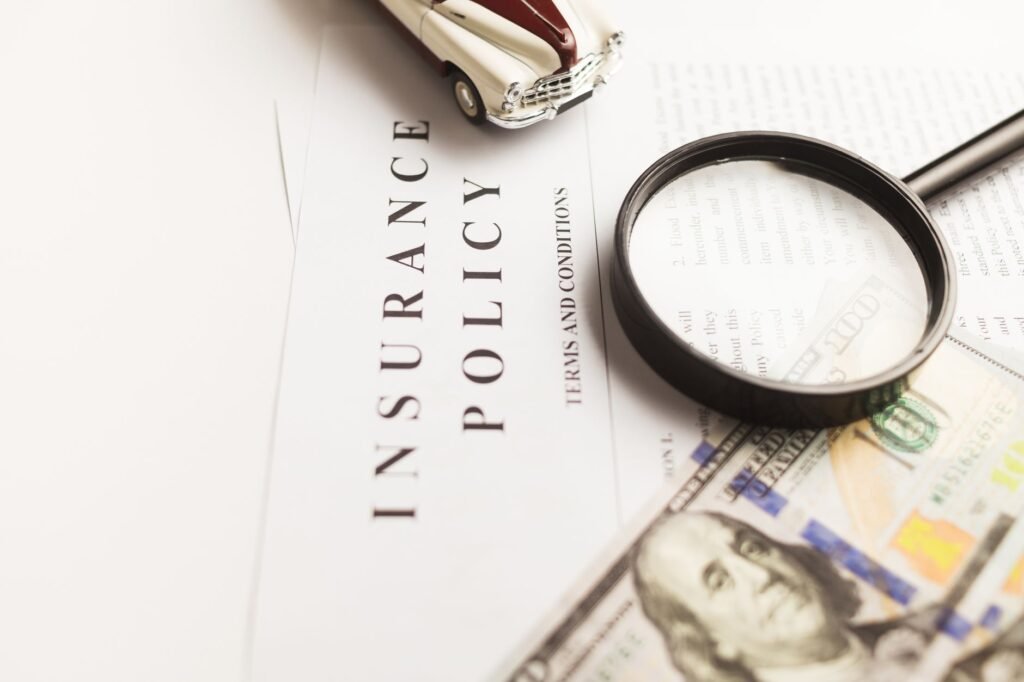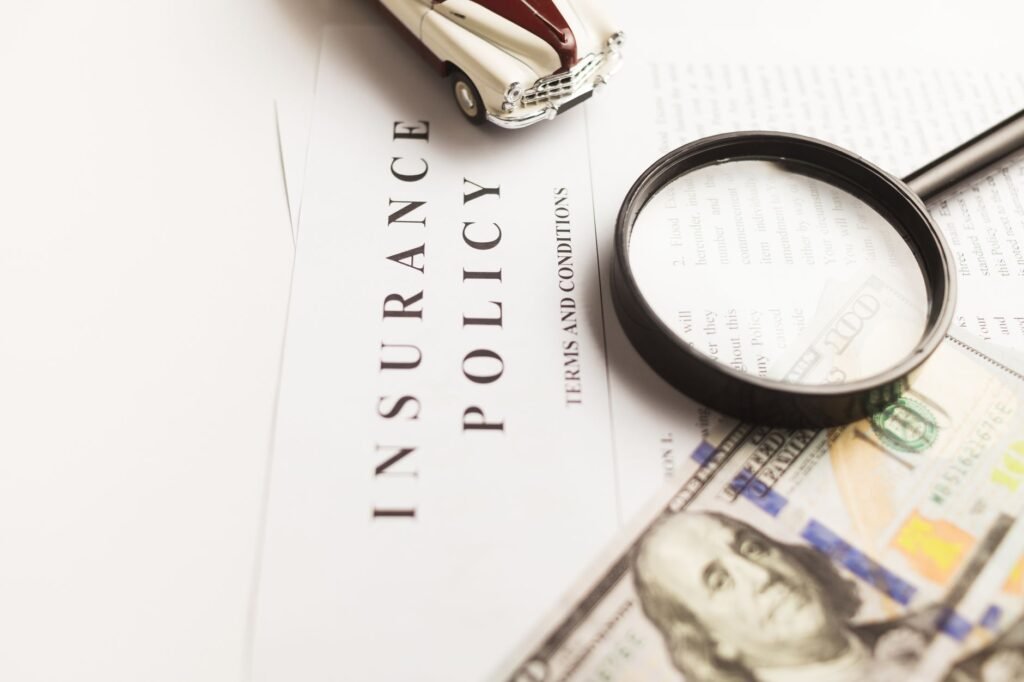
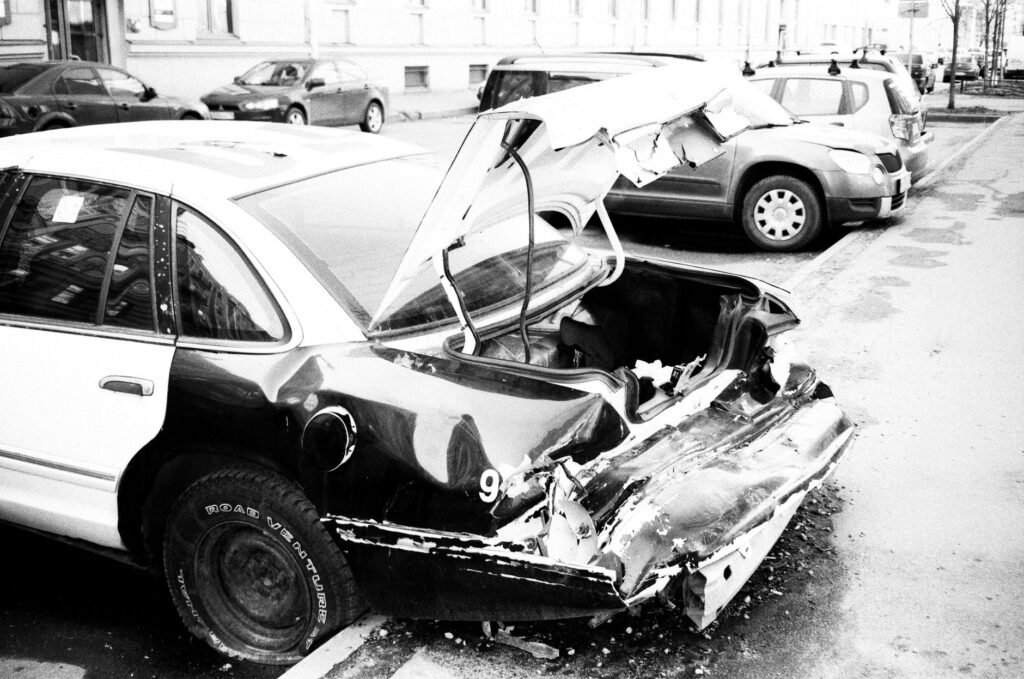
After car accident Nevada insurance is a critical topic for anyone involved in an incident on the road. Understanding the essential steps to take immediately following a car accident can greatly impact your recovery process, both physically and financially. This article serves as a comprehensive guide to navigating the often confusing landscape of insurance after an accident. We will outline the necessary accident steps in Nevada, providing you with a detailed car accident checklist to ensure you cover all bases. Additionally, we will delve into the intricacies of your insurance policy, helping you understand how to effectively manage your claim and avoid common mistakes that could hinder your recovery. Whether you are new to the state or a long-time resident, knowing what to do after a car accident is vital for protecting your rights and ensuring you receive the compensation you deserve. For more information on Nevada’s traffic laws, visit the Nevada DMV.
What to Do After a Car Accident in Nevada: Insurance Insights
Experiencing a car accident can be stressful and overwhelming, especially when navigating the aftermath. Understanding the steps to take after a car accident in Nevada is crucial, particularly when it comes to handling after car accident Nevada insurance. This section will guide you through the immediate actions to ensure safety and collect necessary information, along with insights into how insurance policies relate to accidents.
Immediate Steps to Take After an Accident
Immediately following a car accident, prioritize safety and health. Here are some essential accident steps in Nevada:
- Check for Injuries: Ensure that you and any passengers are safe. If anyone is injured, call 911 for emergency assistance.
- Move to Safety: If possible, move vehicles out of traffic to prevent further accidents.
- Contact Law Enforcement: Report the accident to the police. A police report can be valuable for insurance claims.
- Document the Scene: Collect information such as the names, contact details, and insurance information of all parties involved. Take photos of the scene, vehicle damage, and any relevant road conditions.
- Notify Your Insurance Company: Contact your insurer as soon as possible to report the incident and begin the claims process.
Following this car accident checklist will not only ensure your safety but also help in gathering evidence that is crucial for any claims you may need to file.
Understanding Insurance After an Accident
Having a clear understanding of your insurance after accident policies is essential. Each driver in Nevada is required to carry minimum liability insurance, which covers damages to other parties in an accident. However, understanding the specifics of your coverage is key:
- Liability Coverage: Covers damages to other vehicles and medical expenses for others involved.
- Collision Coverage: Helps pay for damage to your own vehicle, regardless of fault.
- Uninsured/Underinsured Motorist Coverage: Protects you if the other driver lacks sufficient insurance.
Review your policy details or consult with your insurance agent to comprehend the nuances of your coverage, especially regarding claims after an accident. Familiarizing yourself with your policy can streamline the claims process and ensure you receive the benefits you need.
Taking the right steps immediately after a car accident in Nevada, along with a solid understanding of after car accident Nevada insurance, can significantly ease the recovery process. For detailed guidance on navigating insurance claims, consider visiting What to Do After a Car Accident in Nevada.
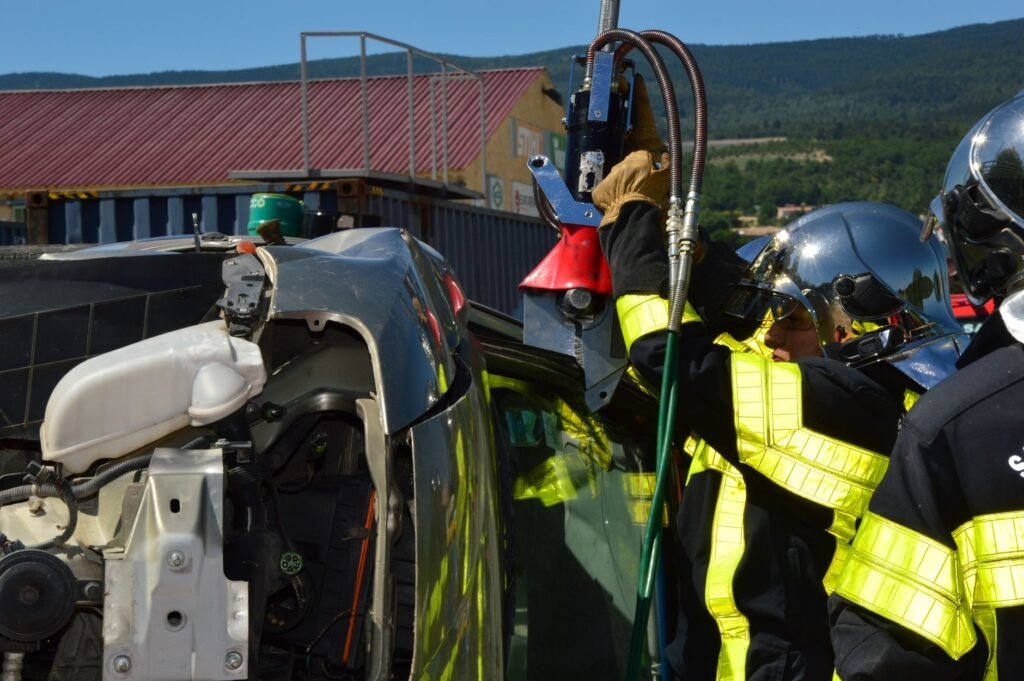
Accident Steps in Nevada: A Comprehensive Checklist
Car Accident Checklist: What to Gather
Experiencing a car accident can be overwhelming, but knowing the right steps to take can help you navigate the situation effectively. Here’s a comprehensive car accident checklist to follow:
- Ensure Safety: Move your vehicle to a safe location if possible, and check for injuries.
- Call the Police: Reporting the accident is crucial for official documentation and insurance purposes.
- Exchange Information: Collect names, phone numbers, addresses, insurance details, and license plate numbers from all parties involved.
- Document the Scene: Take photos of the accident scene, vehicle damage, and any relevant road conditions. This documentation is vital for your insurance claim.
- Seek Medical Attention: Even if injuries seem minor, it’s wise to get evaluated by a medical professional.
- Notify Your Insurance: Contact your insurance provider as soon as possible to report the accident and begin the claims process. This is essential for your after car accident Nevada insurance needs.
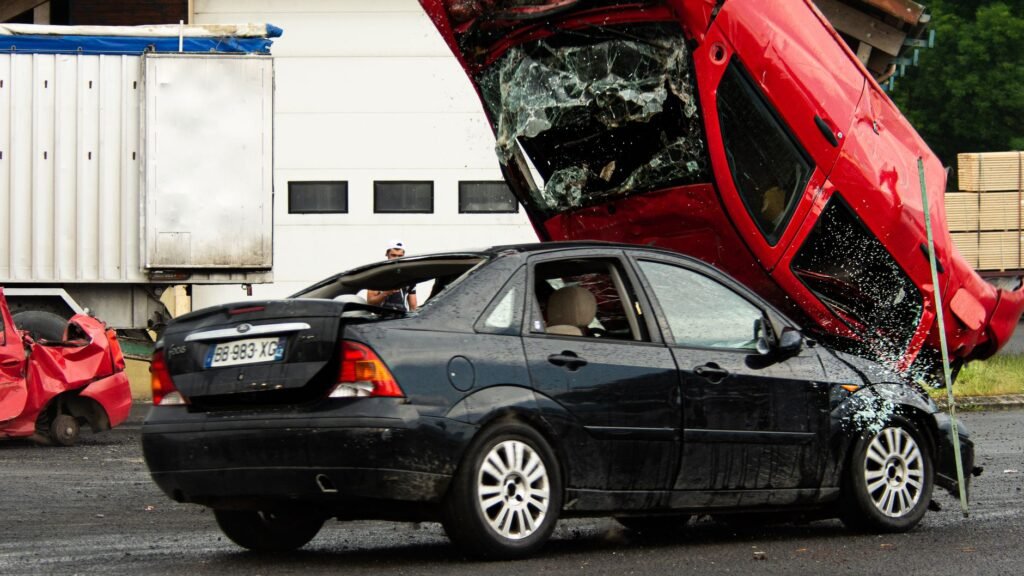
Filing an Insurance Claim After an Accident
Once you have gathered all necessary information, the next step is filing an insurance claim. Here’s how to proceed:
- Contact Your Insurance Provider: Reach out to your insurance company to initiate the claims process. Provide them with the details collected from the accident.
- Fill Out Claim Forms: Complete any required forms accurately. This may include a detailed account of the accident and the damages incurred.
- Provide Supporting Documents: Submit all collected evidence, including photos, police reports, and witness statements if available.
- Understand Your Coverage: Review your policy to know what is covered under your plan, as well as any deductibles that may apply.
- Follow Up: Stay in contact with your insurance adjuster to track the status of your claim and provide any additional information they may request.
Understanding the role of insurance after an accident is crucial. It helps to alleviate financial burdens resulting from damages, medical expenses, and potential legal issues. By following these accident steps in Nevada, you can ensure a smoother claims process and protect your rights after an incident.
Insurance Insights: Navigating Your Policy After an Accident
Types of Insurance Coverage in Nevada
After a car accident in Nevada, understanding your insurance coverage is crucial. Nevada law requires drivers to have minimum liability coverage, which pays for injuries and damages you cause to others in an accident. The minimum limits are:
- $25,000 for bodily injury per person
- $50,000 for total bodily injury per accident
- $20,000 for property damage
In addition to liability coverage, you can opt for collision and comprehensive coverage. Collision coverage pays for damages to your vehicle after an accident, regardless of fault. Comprehensive coverage protects against non-collision incidents, such as theft or vandalism. Understanding these types of coverage is essential for navigating your after car accident Nevada insurance claims effectively.
Understanding Liability and Fault in Car Accidents
Determining fault in an accident is a vital step in the claims process. Nevada follows a modified comparative negligence rule, meaning that if you are found to be more than 50% at fault for the accident, you cannot recover damages. Insurance companies will investigate the accident by reviewing police reports, witness statements, and other evidence to assign fault.
Once fault is established, it significantly impacts your insurance after an accident. If you are deemed at fault, your liability coverage will cover the damages to the other party, and your premium may increase. Conversely, if the other driver is at fault, you can file a claim against their insurance. Keeping a car accident checklist can help you gather necessary documentation to support your claim and streamline the claims process.
Understanding these aspects of insurance can help you make informed decisions and ensure that you are adequately covered following an accident. For a detailed guide on the necessary accident steps in Nevada, refer to reliable state resources.
Mistakes That Can Affect Your Insurance Claim
After a car accident in Nevada, it’s crucial to navigate the aftermath carefully to ensure your insurance claim proceeds smoothly. However, many individuals make common mistakes that can jeopardize their claims. One significant error is failing to report the accident to your insurance company promptly. In Nevada, you are legally required to report accidents that result in injury or property damage exceeding $750 to the DMV and your insurer. Delaying this report can lead to complications with your after car accident Nevada insurance claim.
Another frequent mistake is neglecting to gather sufficient evidence at the scene of the accident. Without proper documentation, including photographs, witness statements, and police reports, your claim may lack the necessary support. This evidence is essential in establishing the facts of the incident, which can significantly impact the outcome of your insurance after accident proceedings.
Ensuring Proper Documentation for After Car Accident Nevada Insurance
To avoid pitfalls, follow a car accident checklist that includes essential steps like documenting the accident scene and exchanging information with involved parties. Take clear photographs of vehicle damage, road conditions, and any relevant signage. Additionally, make sure to obtain a copy of the police report as it can serve as an official record of the accident.
Moreover, keeping detailed notes of all communications with your insurance company is vital. This includes dates, times, and the names of representatives you spoke with. Proper documentation not only strengthens your claim but also ensures that you are prepared for any disputes that may arise.
For further reading on proper documentation and reporting steps, you can consult resources like the Nevada DMV or the State of Nevada official website. By avoiding these common mistakes and ensuring thorough documentation, you can improve your chances of a successful insurance claim after a car accident in Nevada.

Final Thoughts on After Car Accident Nevada Insurance
Understanding the procedures and requirements for after car accident Nevada insurance is crucial for ensuring that you are protected and can navigate the claims process smoothly. Throughout this article, we have emphasized the importance of following specific accident steps in Nevada to safeguard your rights and expedite your recovery process. From the moment of the accident to filing your insurance claim, each step plays a vital role in the overall outcome.
Familiarizing yourself with your insurance policy is essential, as policies can vary significantly in terms of coverage and requirements. Knowing what is included in your policy will enable you to respond effectively and assertively when dealing with insurance after an accident. A comprehensive understanding of your coverage can prevent misunderstandings and ensure you receive the compensation you deserve.
Additionally, having a car accident checklist at hand can further streamline the steps you need to take following an accident. This checklist should include essential items such as gathering evidence, exchanging information with the other party, notifying law enforcement, and contacting your insurance provider. By adhering to these guidelines, you can reduce stress and uncertainty during a challenging time.
Ultimately, the key to a successful claims process lies in your preparation and knowledge. By following the appropriate steps and understanding the intricacies of after car accident Nevada insurance, you can navigate the aftermath of an accident with confidence. Stay informed, organized, and proactive to ensure that you protect yourself and your interests.
For those seeking more detailed information on specific procedures, be sure to explore additional resources and consult with professionals as needed. Your safety and peace of mind are paramount, and being well-prepared can make all the difference.
Understanding the essential steps to take after a car accident in Nevada is crucial for protecting your rights and ensuring a smooth claims process with your insurance provider. Following a structured car accident checklist can help you navigate the complexities involved, from gathering evidence to filing a claim. Be sure to document all relevant information and communicate promptly with your insurance company to facilitate a timely resolution.
Once you have completed the necessary accident steps in Nevada, you can focus on the next vital phase: filing your insurance after accident claims effectively. This process may seem overwhelming, but having a clear plan will aid in securing the compensation you deserve. Take the time to review your policy and consult with your insurer to fully understand the coverage available to you. For further assistance, consider reaching out to a legal professional who specializes in after car accident Nevada insurance matters to guide you through the process.
“`html
What should I do immediately after a car accident in Nevada?
Immediately after a car accident in Nevada, ensure everyone’s safety by checking for injuries. Call 911 if there are injuries or significant damage. Move vehicles to a safe location if possible, then exchange information with other drivers, including names, contact info, license plate numbers, and insurance details. Document the scene with photos and take notes on the accident details. This initial response is crucial for your after car accident Nevada insurance claim.
How do I file an insurance claim after an accident?
To file an insurance claim after an accident, first contact your insurance company as soon as possible. Provide them with details of the accident, including the time, location, and involved parties. Submit any documentation you gathered, such as photos and police reports. Your insurer will guide you through the process and inform you about necessary forms. Be sure to keep records of all communications regarding your after car accident Nevada insurance claim.
What information do I need after a car accident?
After a car accident, you need essential information such as the other driver’s name, contact information, insurance details, and license plate number. Also, gather details about the accident, including the time, location, and weather conditions. It is helpful to take photographs of the scene, vehicle damage, and any visible injuries. This information is crucial for filing your claim and is part of the accident steps Nevada residents should follow.
What are the common mistakes to avoid after a car accident?
Common mistakes to avoid after a car accident include failing to exchange information with the other driver, not calling the police, or leaving the scene prematurely. Additionally, avoid admitting fault or discussing details of the accident with anyone but your insurance company. Not documenting the scene or injuries can also hinder your claim process. Being aware of these pitfalls will help you navigate your after car accident Nevada insurance claim more effectively.
How does insurance coverage work after a car accident?
Insurance coverage after a car accident typically involves your liability coverage paying for damages to the other party if you are at fault. Your collision coverage may pay for damage to your vehicle. If you have personal injury protection, it may cover medical expenses for you and your passengers, regardless of fault. Understanding your policy limits and coverage types is essential for managing the aftermath of an accident, especially for after car accident Nevada insurance claims.
What is the car accident checklist in Nevada?
The car accident checklist in Nevada includes several key steps: ensure safety and call emergency services, exchange information with other drivers, document the scene with photos, and report the accident to your insurance company. Collect witness statements and police reports if applicable. Keep all records of the incident and any medical treatment received. This checklist can help streamline the process of filing your claim and ensure you don’t miss any critical details.
“`