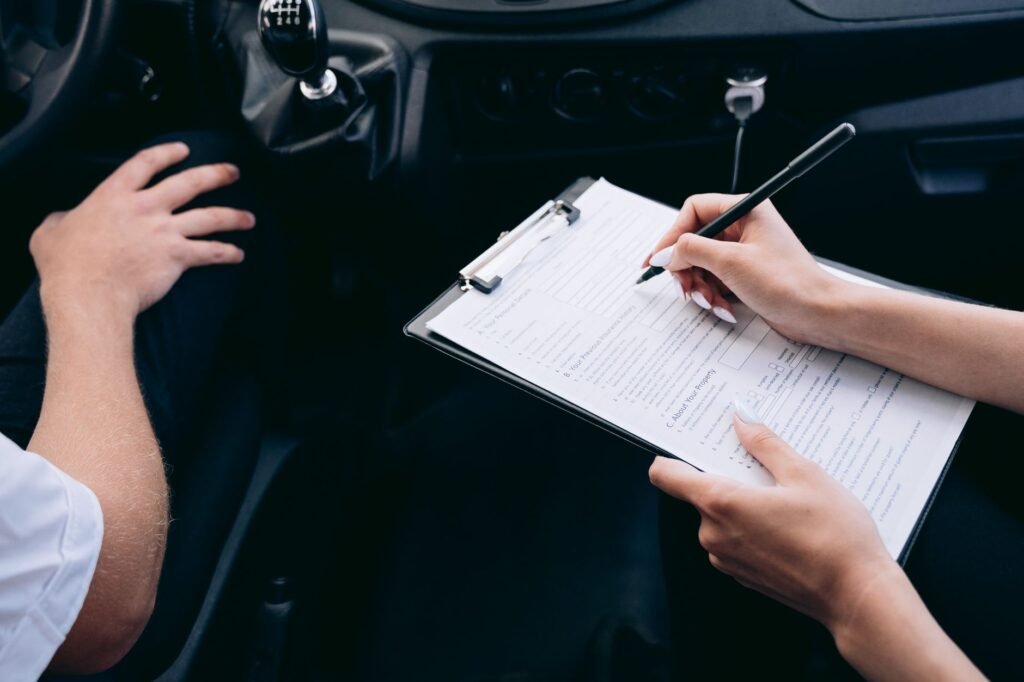
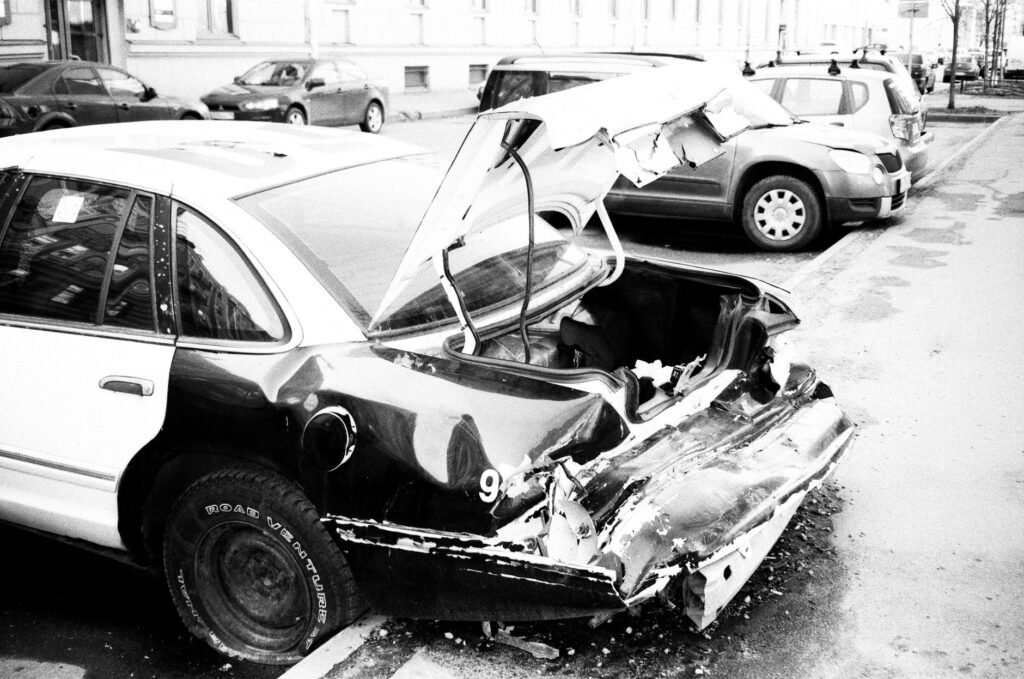
After a car accident in Nevada, understanding the intricacies of insurance can be overwhelming. This guide, “After Car Accident Nevada Insurance: A Complete Guide,” aims to simplify the process by outlining essential steps and considerations that Nevada drivers should take following an accident. From navigating the Nevada accident steps to ensuring you are adequately covered, this article serves as a comprehensive car accident insurance guide for residents. We will also delve into the 2026 accident response initiative, preparing you for future incidents and changes in legislation that may affect your insurance claims. By the end of this guide, you will be equipped with the necessary knowledge to handle the aftermath of a car accident, ensuring that you are not only compliant with state laws but also fully protected. Whether you are a seasoned driver or a newcomer to Nevada’s roads, understanding after car accident Nevada insurance is essential for your peace of mind and financial security.
What to Do After a Car Accident in Nevada: Insurance Essentials
Immediate Steps to Take After a Car Accident
Experiencing a car accident can be stressful and overwhelming. However, knowing the right Nevada accident steps to take can help ensure your safety and protect your interests. First and foremost, check for injuries and ensure that you and your passengers are safe. If anyone is injured, call 911 immediately to request medical assistance.
Next, move your vehicle to a safe location if possible, and turn on your hazard lights. This helps prevent further accidents and ensures the safety of all involved. Once the area is secure, contact local authorities to report the accident. An official police report is crucial for your after car accident Nevada insurance claims process.
After the authorities arrive, exchange information with the other driver(s), including names, contact information, insurance details, and vehicle registration numbers. Take photos of the accident scene, vehicle damages, and any relevant road conditions, as this documentation may be essential for your insurance claim.
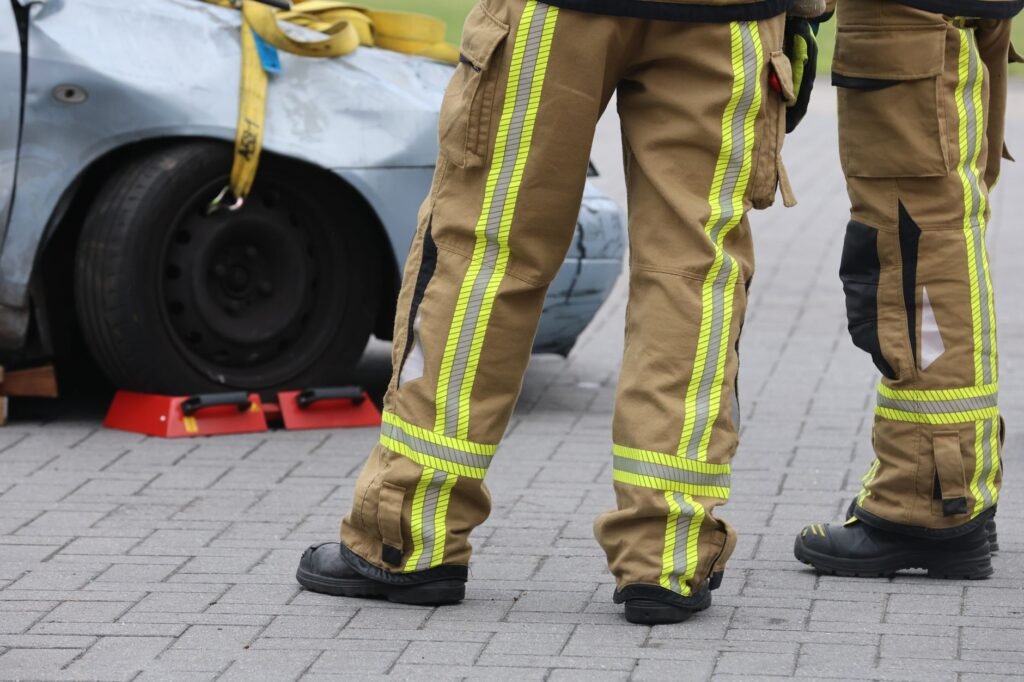
Understanding Your Insurance Coverage for After a Car Accident in Nevada
Having a solid understanding of your insurance coverage is vital following a car accident. In Nevada, drivers are required to carry liability insurance, which covers damages and injuries you may cause to others in an accident. The minimum liability limits are $25,000 for bodily injury per person, $50,000 per accident, and $20,000 for property damage.
In addition to liability insurance, you may also consider collision coverage, which pays for damages to your vehicle regardless of fault, and comprehensive coverage, which protects against non-collision-related incidents, such as theft or natural disasters. Understanding these types of coverage will be helpful in navigating your car accident insurance guide and ensuring you have the protection you need.
When filing a claim, be prepared to provide the police report, photographs, and any other relevant documentation that supports your case. Familiarizing yourself with the claims process and your coverage will help you manage the situation effectively and ensure that you receive the compensation you deserve.
For more information on navigating the aftermath of a car accident, including the 2026 accident response guidelines, refer to official sources or consult with your insurance provider.
Navigating Nevada Accident Steps with Insurance
Filing an Insurance Claim After a Car Accident in Nevada
After a car accident in Nevada, it is crucial to file an insurance claim promptly to ensure you meet all necessary deadlines and procedures. Nevada law requires accident victims to file a claim within two years from the date of the accident, though it’s advisable to initiate the process as soon as possible, ideally within a few days. This allows for a smoother claims process and helps in gathering evidence while details are still fresh.
To start your claim, contact your insurance company and provide them with the necessary information regarding the accident. Be prepared to give details such as the accident’s location, the involved parties, and any eyewitness accounts. Your insurer will guide you through their specific process, which may vary slightly from company to company.
Gathering Necessary Documentation for Your Claim
An essential part of the Nevada accident steps involves collecting the required documentation to support your insurance claim effectively. This documentation will help substantiate your case and expedite the claims process. Here’s a checklist of essential documents to gather:
- Police Report: Obtain a copy of the police report, which provides an official account of the accident.
- Medical Records: Keep all medical records related to injuries sustained in the accident, including bills and any treatment notes.
- Photographs: Take clear photos of the accident scene, vehicle damage, and any visible injuries.
- Insurance Information: Collect all insurance details for all parties involved in the accident.
- Witness Statements: If applicable, gather contact information and statements from any witnesses.
Having these documents ready will strengthen your claim and help ensure a successful resolution. Additionally, consider consulting a Nevada attorney if you encounter complications during the claims process, especially if the accident involves significant damage or injuries.
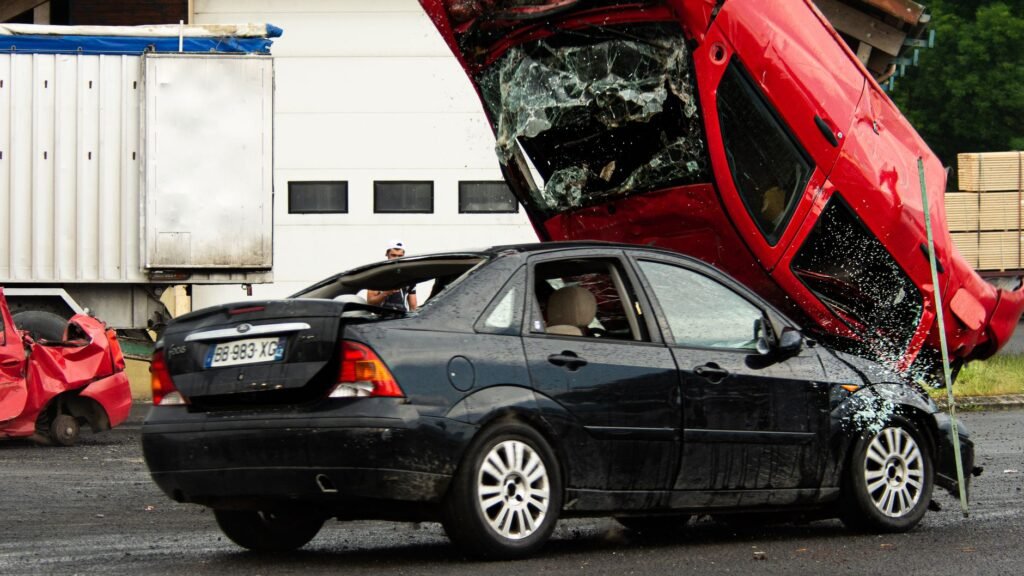
Following these steps can significantly ease the process of navigating after car accident Nevada insurance claims, leading to a smoother experience as you recover. For more detailed guidance, refer to our complete car accident insurance guide or look into your options regarding the 2026 accident response strategies.
Car Accident Insurance Guide for Nevada Residents
Determining Fault and Liability in After Car Accident Nevada Insurance
In Nevada, fault is determined using a modified comparative negligence system. This means that the degree of fault for each party involved in a car accident is assessed to establish liability. If you are found to be less than 51% at fault, you can pursue compensation for damages through your insurance or the other party’s insurance. The amount you can claim may be reduced by your percentage of fault. Understanding these Nevada accident steps is crucial when navigating the claims process.
What Happens If You’re Underinsured?
Being underinsured can create significant challenges after a car accident in Nevada. If your insurance coverage is insufficient to cover the damages or medical expenses, you may face out-of-pocket expenses. In Nevada, the minimum required liability coverage is $25,000 for bodily injury per person, $50,000 for total bodily injury per accident, and $20,000 for property damage. Unfortunately, these amounts may not be adequate, especially in severe accidents.
If you find yourself underinsured, there are several options available:
- Consider purchasing additional coverage or an umbrella policy to better protect yourself in the future.
- You may also explore legal action against the at-fault party, especially if their insurance does not cover your damages fully.
- Discuss your situation with your insurance agent to understand your options and potentially adjust your policy.
Understanding the implications of being underinsured is vital for effective planning and protection against unforeseen circumstances. For more comprehensive guidance, refer to our detailed car accident insurance guide that outlines essential steps and coverage options.
By familiarizing yourself with the rules of fault determination and the risks of being underinsured, you can better navigate the aftermath of a car accident and ensure you are adequately protected. This knowledge is essential, especially as we approach the 2026 accident response initiatives aiming to enhance road safety in Nevada.
2026 Accident Response: Preparing for Future Incidents
As we look toward 2026, it is crucial to stay informed about potential changes in Nevada laws regarding car accidents and insurance. These updates could significantly impact how drivers respond to accidents and file claims. Understanding the possible legislative adjustments can help you navigate the complexities of after car accident Nevada insurance.
Staying Updated on Nevada Law Changes
The Nevada legislature frequently reviews and updates laws pertaining to road safety and insurance. By 2026, we may see new regulations aimed at improving accident response protocols and insurance requirements. Staying informed about these changes is essential for ensuring compliance and maximizing your insurance benefits. Consider subscribing to state news updates or joining local driver forums to receive timely information on legislative changes that impact after car accident Nevada insurance.
Tips for Safe Driving and Accident Prevention
Prevention is the best strategy for managing insurance costs. Here are several practical tips that can help you avoid accidents:
- Stay Focused: Avoid distractions such as texting or using your phone while driving.
- Adhere to Speed Limits: Follow posted speed limits, especially in residential and school zones.
- Use Defensive Driving Techniques: Be aware of your surroundings and anticipate the actions of other drivers.
- Maintain Your Vehicle: Regular maintenance can prevent breakdowns and accidents caused by mechanical failures.
- Take a Driving Course: Consider enrolling in a defensive driving course to enhance your skills.
By implementing these strategies, you not only enhance your safety but also reduce the likelihood of accidents, which can lead to lower insurance premiums over time. Following these Nevada accident steps can further equip you with the knowledge needed for effective accident response.
keeping abreast of legislative changes and adopting safe driving practices are integral to navigating the complexities of car accident insurance in Nevada. For a comprehensive understanding of your coverage options, refer to our car accident insurance guide.
Conclusion: Essential Takeaways on After Car Accident Nevada Insurance
Understanding the nuances of after car accident Nevada insurance is critical for anyone involved in a vehicular incident. Knowledge of insurance policies, coverages, and procedural steps can significantly influence the outcome of your claim and your financial recovery. Here are the key points to remember:
- Know Your Coverage: Familiarize yourself with your insurance policy, including liability, collision, and comprehensive coverage. This knowledge can expedite the claims process and help you understand your financial responsibilities.
- Follow Nevada Accident Steps: After an accident, it is imperative to follow the correct steps, such as gathering evidence, exchanging information with the other party, and notifying law enforcement if necessary. Documentation is crucial for your claim.
- File Claims Promptly: Timely reporting of the accident to your insurance provider is essential. Many policies have specific time limits within which claims must be filed.
- Consult the Car Accident Insurance Guide: Utilize available resources, such as guides and legal assistance, to navigate the complexities of insurance claims after an accident.
- Stay Informed About Changes: Keep abreast of any legislative changes that may affect your coverage or claims, especially in the lead-up to the 2026 accident response guidelines.
By following these essential takeaways and being proactive in your approach, you can ensure a smoother experience in dealing with after car accident Nevada insurance. Always remember that being well-informed is your best asset when navigating the aftermath of an accident.
Understanding the nuances of after car accident Nevada insurance is crucial for effectively navigating the complexities that follow a collision. By familiarizing yourself with the Nevada accident steps, you can ensure that you are well-prepared to handle the situation, from gathering necessary documentation to filing claims with your insurer. This car accident insurance guide serves as an essential resource, helping you understand your rights and responsibilities in the aftermath of an accident.
As we look ahead to the evolving landscape of car insurance, particularly with the anticipated changes in the 2026 accident response framework, staying informed will empower you to make the best decisions for your situation. Take the time now to review your current insurance policy and consider any adjustments necessary to align with your needs and the regulations. Being proactive will not only enhance your peace of mind but also ensure that you are adequately protected should an accident occur in the future.
“`html
What should I do immediately after a car accident in Nevada?
Immediately after a car accident in Nevada, ensure everyone’s safety first. Check for injuries and call 911 if needed. Exchange information with the other driver, including names, contact details, and insurance info. Document the scene by taking photos and gathering witness statements. Report the accident to your insurance company as soon as possible. Following these Nevada accident steps can help facilitate the claims process and ensure you have the necessary details for your after car accident Nevada insurance claims.
How do I file an insurance claim after a car accident?
To file an insurance claim after a car accident, start by contacting your insurance company. Provide them with all relevant details, including the date, time, location, and nature of the accident. Submit any supporting documents, such as police reports and photographs of the scene. Most insurers will ask you to fill out a claims form, which you can usually complete online or over the phone. Be sure to follow up to ensure your claim is being processed efficiently.
What types of insurance coverage are required in Nevada?
Nevada law requires drivers to carry liability insurance, which covers damages to others in the event of an accident. The minimum coverage limits are $25,000 for bodily injury per person, $50,000 for total bodily injury per accident, and $20,000 for property damage. While these are the minimum requirements, additional coverages such as uninsured/underinsured motorist insurance and collision coverage are highly recommended for better protection after a car accident in Nevada.
How is fault determined in a Nevada car accident?
Fault in a Nevada car accident is determined through an investigation that considers evidence like police reports, witness statements, and photographs of the scene. Nevada follows a comparative negligence rule, which means that fault can be shared between parties. If you are found to be partially at fault, your compensation may be reduced accordingly. It is essential to gather all necessary information to support your case when dealing with after car accident Nevada insurance claims.
What are my options if I’m underinsured after an accident?
If you’re underinsured after an accident, you have several options. First, consider filing a claim with your insurance company to see if they can cover the damages. You can also pursue a personal injury claim against the other driver if they bear fault. Additionally, you may want to explore additional insurance options, like underinsured motorist coverage, to prevent future issues. Consulting with a legal expert can provide guidance on the best course of action.
Are there any upcoming changes to Nevada car accident laws in 2026?
As of now, there are discussions regarding potential changes to Nevada car accident laws set for 2026, particularly in relation to insurance requirements and accident response protocols. While specific details are still pending, it’s advisable to stay informed through official state resources or consult with your insurance provider for updates. Understanding these changes may impact how you manage after car accident Nevada insurance claims in the future.
“`