

After a car accident in Nevada, knowing the right steps to take can significantly impact your recovery and future legal standing. Understanding the accident procedure is crucial, as it guides you through the necessary actions immediately following the incident. This article will provide a comprehensive overview of what to do after a car accident in Nevada, including navigating the insurance claims process, which can often be complex and time-consuming. Additionally, we will discuss the legal steps you may need to consider, especially if injuries or significant damages are involved. Beyond the immediate practicalities, dealing with the aftermath also entails addressing medical and emotional considerations that can arise from such traumatic events. For those seeking further resources, the State of Nevada’s official website offers valuable information on local laws and regulations. By following the guidelines outlined here, you can ensure that you respond effectively to the challenges posed by a car accident in Nevada.
Steps to Take After a Car Accident in Nevada
Immediate Actions at the Scene
Experiencing a car accident can be overwhelming. However, taking the right steps immediately can significantly impact the aftermath. First and foremost, check for injuries. If anyone is hurt, call 911 right away. Emergency responders can provide medical assistance and document the accident.
Next, ensure safety by moving vehicles out of the road if possible, and turn on hazard lights to alert other drivers. If you or others are unable to move, remain in your vehicle until help arrives. After ensuring safety, it is essential to start gathering information.
Gathering Information and Evidence After Car Accident Nevada
Documenting the accident thoroughly is crucial for the insurance claims process and any potential legal steps. Begin by exchanging contact and insurance information with the other driver(s) involved. If there are witnesses, collect their names and contact details.
Take comprehensive photographs of the accident scene, including vehicle damage, road conditions, and any relevant traffic signs. This visual evidence can be vital during the accident procedure and when filing claims. Additionally, write down details about the accident while they are still fresh in your mind, such as the time, location, and circumstances of the incident.
Once you have gathered this information, you can proceed with your insurance claims process effectively and ensure that your rights are protected. For a deeper understanding of the legal steps following an accident, you can refer to after car accident Nevada insurance.
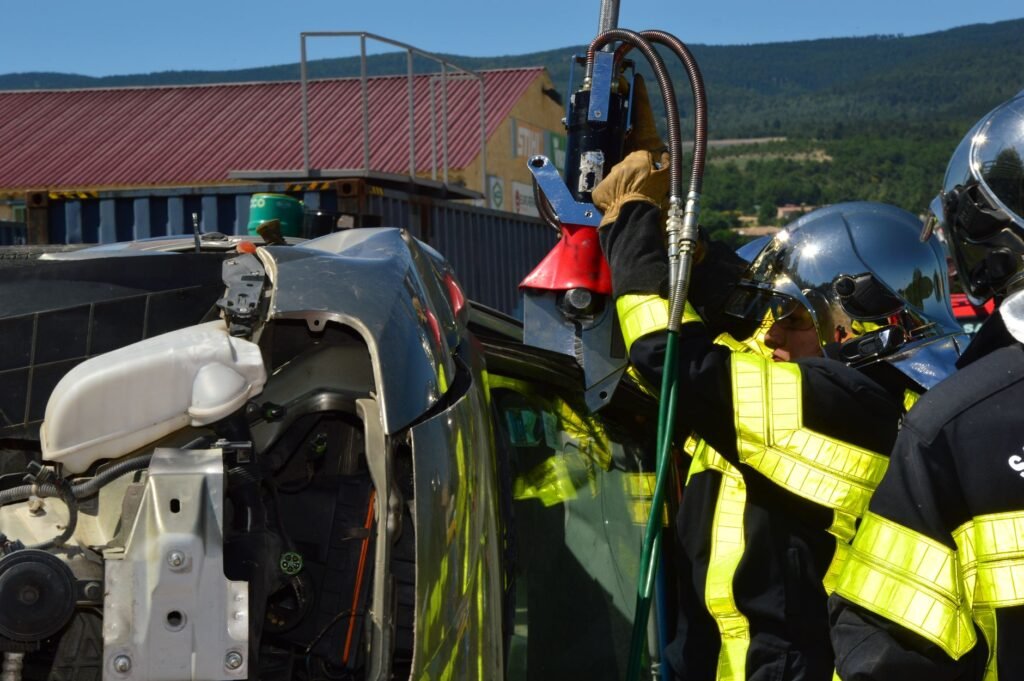
Understanding the Accident Procedure in Nevada
After a car accident in Nevada, understanding the accident procedure is crucial for ensuring that you follow the necessary legal steps and protect your rights. The state has specific regulations regarding reporting accidents that can significantly influence the insurance claims process and any potential legal actions.
Reporting the Accident
In Nevada, you are required to report a car accident to law enforcement if it results in injury, death, or property damage exceeding $750. If any party involved in the accident requests a report, you must file one, regardless of the damage amount. This report is essential not only for legal purposes but also for filing insurance claims. Failure to report an accident that meets these criteria can lead to complications in the insurance claims process and may affect your ability to recover damages.
It is also important to exchange information with the other party involved, including names, contact details, driver’s license numbers, and insurance information. Document the scene by taking photos and gathering witness statements, as this evidence can be vital later on.
When to Involve Law Enforcement After a Car Accident in Nevada
In addition to the circumstances requiring a police report, you should also consider involving law enforcement if you suspect that the other driver is under the influence of drugs or alcohol, or if they are uncooperative. A police officer can help mediate the situation and provide an official report, which can be beneficial in the event of a dispute over liability.
Once the police report is filed, it can be used in the insurance claims process, serving as an official document that outlines the details of the accident. This can streamline negotiations with insurance companies and help establish fault. Understanding these procedures will help you navigate the aftermath of an accident more effectively and ensure your rights are protected.

Navigating the Insurance Claims Process After a Car Accident in Nevada
Contacting Your Insurance Provider
After a car accident in Nevada, the first step in the insurance claims process is to contact your insurance provider as soon as possible. This is essential to ensure that you comply with any reporting requirements and deadlines. When you call, provide them with details of the incident, including the date, time, location, and a brief description of what happened.
Be prepared to provide your policy number and any relevant documentation, such as the police report or witness statements. This information will help your insurer assess the situation accurately and expedite your claim. Remember to take notes during the conversation, including the names of the representatives you speak with and any claim numbers assigned.
Filing a Claim Effectively After a Car Accident in Nevada
To file a claim effectively, you must gather and submit accurate documentation. This includes photographs of the accident scene, vehicle damage, and any injuries sustained. Make sure to document the contact information of any witnesses as well. Accurate documentation helps establish the facts of the accident and supports your case during the claims process.
When communicating with insurance adjusters, be clear and concise about the details of the accident. Avoid admitting fault or making any statements that could be interpreted as liability. Instead, stick to the facts and let the insurance companies determine fault based on the evidence provided.
Lastly, keep copies of all correspondence related to your claim, as this can be beneficial if you need to escalate the matter or pursue legal steps later on. By following these guidelines, you can navigate the insurance claims process more efficiently and increase your chances of a favorable outcome.

Legal Steps to Consider After a Car Accident in Nevada
When to Hire an Attorney After a Car Accident in Nevada
Determining whether to hire an attorney after a car accident in Nevada depends on several factors. If you have sustained severe injuries, are facing significant medical expenses, or if there are disputes with insurance companies, legal representation is highly recommended. Attorneys experienced in personal injury law can help navigate the complexities of the accident procedure and ensure that your rights are protected throughout the insurance claims process.
Furthermore, if the other party involved in the accident is contesting liability or if there are disagreements regarding the facts of the case, an attorney can advocate on your behalf. They can assess the situation, gather necessary evidence, and negotiate with insurance adjusters to secure a fair settlement. This level of support can be crucial in achieving favorable outcomes.
Understanding Your Rights After a Car Accident in Nevada
As an accident victim in Nevada, you have specific rights that can significantly impact your recovery. Nevada law allows victims to seek compensation for medical expenses, lost wages, pain and suffering, and property damage. Understanding your rights is essential to ensure you receive the compensation you deserve.
Additionally, it is crucial to be aware of the statute of limitations for filing a claim, which in Nevada is generally two years from the date of the accident. This timeframe underscores the importance of taking prompt action after a car accident in Nevada. Seeking legal advice can help clarify your rights and guide you through the process of pursuing compensation.

navigating the aftermath of a car accident can be complex, but understanding the legal steps and your rights will empower you to take the necessary actions toward recovery. For more information on legal representation and your rights as an accident victim, consult with a qualified attorney who specializes in personal injury.
Dealing with Aftermath: Medical and Emotional Considerations
Seeking Medical Attention After a Car Accident in Nevada
Even if you feel fine immediately after a car accident, it is crucial to seek medical attention. Many injuries, such as whiplash, concussions, or internal injuries, may not present symptoms right away. According to the Centers for Disease Control and Prevention, prompt medical evaluation can significantly impact recovery outcomes. In Nevada, the Department of Motor Vehicles emphasizes that documenting any medical treatment is essential for the insurance claims process and potential legal steps following the accident. Make sure to keep records of all medical visits, treatments, and any prescriptions you receive.
Recognizing Emotional Impact
In addition to physical injuries, the emotional toll of a car accident can be substantial. Individuals often experience anxiety, depression, or post-traumatic stress disorder (PTSD) after such incidents. Recognizing these emotional impacts is vital for recovery. Resources such as the National Alliance on Mental Illness provide support and information for those struggling with these feelings. Don’t hesitate to reach out for professional help if needed, as mental health is just as important as physical health in the aftermath of an accident.
Additionally, consider talking to family and friends about your feelings, as having a support system can be beneficial. If you are navigating the complexities of the accident procedure, these emotional considerations should not be overlooked. Seeking help can facilitate a more comprehensive recovery process.

Remember, addressing both medical and emotional needs after a car accident in Nevada is critical for your overall well-being and recovery.
Final Thoughts on What to Do After a Car Accident in Nevada
Being involved in a car accident can be a traumatic experience, and knowing what to do afterward is crucial for your well-being and legal standing. Staying informed about the accident procedure and the subsequent steps is essential, especially in Nevada. The aftermath of a collision can involve navigating the insurance claims process, dealing with emotional stress, and understanding your legal rights. Here are some important aspects to consider.
Staying Prepared After Car Accident Nevada
Preparation can significantly reduce the stress of dealing with a car accident. Familiarize yourself with Nevada’s traffic laws and ensure that your vehicle registration and insurance are up to date. Keep a checklist in your glove compartment detailing the steps to take immediately following an accident, such as contacting law enforcement and gathering information from other parties involved.
Additionally, consider taking a defensive driving course to enhance your skills and knowledge on the road. This proactive approach can help you avoid accidents in the first place and make you more confident in handling the situation should one arise.
Resources for Further Assistance
Should you find yourself in an accident, various resources are available to assist you. The Nevada Department of Motor Vehicles provides valuable information on accident procedures, while local legal aid services can guide you through any necessary legal steps. For emotional support, consider reaching out to community organizations that focus on helping individuals cope after a traumatic experience.
For further assistance, you can explore Nevada Car Insurance Claim Process: A Step-by-Step Guide and learn about your rights and responsibilities. Remember, being well-prepared can make all the difference when navigating the aftermath of a car accident in Nevada.

Taking the right steps after a car accident in Nevada is crucial for protecting your rights and ensuring you receive appropriate compensation. Following the accident procedure, it is essential to document the scene, gather witness information, and notify law enforcement. These actions will aid in the insurance claims process, helping to establish fault and support your case. Understanding the legal steps involved can also be beneficial, especially if disputes arise regarding liability or damages.
As you navigate this challenging time, consider consulting with a legal expert who specializes in auto accidents in Nevada. They can provide guidance on the insurance claims process and help you understand your rights. Remember, after a car accident in Nevada, timely action is key. Prioritize your health and well-being, and take the necessary steps to ensure that your case is handled properly.
“`html
What should I do immediately after a car accident in Nevada?
Immediately after a car accident in Nevada, ensure everyone’s safety by checking for injuries. Call 911 to report the accident and request medical assistance if needed. Exchange information with the other driver, including names, contact details, insurance info, and vehicle details. Document the scene with photographs and take notes about what happened. It’s crucial to not admit fault at the scene as this could affect the insurance claims process later.
How do I report a car accident in Nevada?
In Nevada, you must report a car accident to the Department of Motor Vehicles (DMV) if there are injuries or significant property damage. You can file a report online or by mail within 10 days. When reporting, include details such as the date, time, and location of the accident, as well as the involved parties’ information. Always contact law enforcement at the scene to obtain a police report, which will be helpful for your records and any potential claims.
What is the insurance claims process after a car accident?
After a car accident in Nevada, the insurance claims process typically begins by notifying your insurance company about the incident. They will guide you through filing a claim. Provide all necessary documentation, including the police report, photographs, and any medical records if applicable. Your insurer will then assess the damage and determine compensation based on the policy terms. Be prepared to negotiate if you feel the initial offer does not fully cover your losses.
Do I need a lawyer after a car accident in Nevada?
While not always necessary, hiring a lawyer after a car accident in Nevada can be beneficial, especially if there are injuries, disputes over fault, or complex insurance claims. A lawyer can help you navigate the legal steps, negotiate with insurance companies, and ensure that your rights are protected. If you are facing significant medical bills or lost wages, consulting with a legal professional may help you secure fair compensation.
What are my rights after a car accident in Nevada?
After a car accident in Nevada, you have the right to seek compensation for damages, including medical expenses, lost wages, and property damage. You also have the right to file a claim with the at-fault driver’s insurance company. If you disagree with the insurance settlement or believe your claim is undervalued, you can negotiate or pursue legal action. It is crucial to understand your rights to ensure you are adequately compensated for your losses.
How can I prepare for a potential car accident?
To prepare for a potential car accident, keep an emergency kit in your vehicle, including first aid supplies, a flashlight, and a camera. Familiarize yourself with the accident procedure, including what to do and whom to contact. Always carry your insurance information and vehicle registration documents. Additionally, consider taking a defensive driving course to improve your driving skills, which can help you avoid accidents. Staying calm and informed can make a significant difference in the aftermath of an accident.
“`