The Nevada Car Insurance FAQ article is designed to provide comprehensive answers to the most pressing insurance questions faced by Nevada drivers. Whether you are a new resident or a long-time local, understanding the intricacies of car insurance in the Silver State is crucial for ensuring compliance and securing the best coverage for your needs. This coverage guide will delve into essential topics, including the types of insurance required by law, various coverage options, and tips for choosing the right policy. Additionally, we will offer claims help, outlining the process of filing a claim and what to expect during this crucial phase. To further assist you, we compiled valuable insurance advice tailored for Nevada drivers, ensuring you make informed decisions. Throughout this article, you’ll find answers to frequently asked questions about Nevada car insurance, empowering you with the knowledge needed to navigate your options effectively. For more information, consider checking resources from Nevada DMV and State of Nevada.
Understanding Nevada Car Insurance FAQ
Car insurance in Nevada is crucial for all drivers, serving not only as a legal requirement but also as a means of financial protection. Understanding the intricacies of Nevada car insurance FAQ helps navigate local laws, coverage options, and claims processes effectively.
What is Nevada Car Insurance?
Nevada car insurance is a contract between the policyholder and an insurance provider, providing financial coverage for damages or injuries resulting from automobile accidents. In Nevada, the law mandates that drivers maintain minimum liability coverage, which includes:
- $25,000 for bodily injury per person
- $50,000 for total bodily injury per accident
- $20,000 for property damage per accident
These minimum requirements ensure that drivers can cover the costs associated with injuries and damages they may cause in an accident. Familiarizing yourself with these requirements is essential for compliance and financial security.
Why is Car Insurance Mandatory in Nevada?
Car insurance is mandatory in Nevada to protect both drivers and victims involved in automobile accidents. Without insurance, drivers may face severe financial consequences, including fines, license suspension, or even jail time. Understanding the legal obligations around car insurance is vital for all Nevada residents.
- Research local laws concerning car insurance in Nevada.
- Determine the minimum coverage requirements.
- Consult the Nevada DMV for official guidelines.
- Use resources like Top 5 Factors Affecting Car Insurance Rates in Nevada for detailed information on various insurance options.
This nevada car insurance faq will address common queries, providing you with essential insurance advice and claims help to navigate the complexities of car insurance in the state. Make sure to understand your coverage options and have answers to your insurance questions before selecting a policy.

“`html
Key Insurance Questions and Coverage Guide
Nevada Car Insurance FAQ: Types of Car Insurance Coverage
Understand the various types of car insurance available in Nevada to make informed decisions. Follow these steps:
- Familiarize yourself with the types of coverage: The main types of car insurance in Nevada include:
- Liability Coverage: This is mandatory and covers damages to others if you are at fault in an accident. It includes bodily injury and property damage liability.
- Collision Coverage: This covers damages to your vehicle after a collision, regardless of who is at fault.
- Comprehensive Coverage: This protects against non-collision incidents, such as theft, vandalism, or natural disasters.
- Uninsured Motorist Coverage: This coverage protects you if you are involved in an accident with a driver who lacks insurance.
How to Choose the Right Coverage for Your Needs
Selecting suitable coverage requires careful consideration. Use the following steps to guide your decision-making process:
- Evaluate your risk tolerance: Determine how much risk you are willing to take regarding potential accidents and damages.
- Review your budget: Analyze your financial situation to find an insurance policy that offers adequate protection without straining your finances.
- Seek insurance advice: Consult with an insurance agent or use online resources to clarify any insurance questions you may have.
- Compare quotes: Obtain multiple quotes from various insurers to find the best rates and coverage options.
- Understand your policy: Read the fine print of your insurance policy to know what is covered and any exclusions that may apply.
By following this coverage guide, you can make informed choices about your Nevada car insurance. For additional claims help or to resolve specific insurance questions, consider reaching out to your insurance provider directly or exploring online resources.
“`
Nevada Car Insurance FAQ: Claims Help – Navigating the Claims Process
What to Do After an Accident
Taking the right steps immediately after an accident is crucial for a smooth claims process. Follow these steps:
- Ensure Safety: Check for injuries and move to a safe location if possible.
- Call the Authorities: Report the accident to the police and obtain a report.
- Exchange Information: Collect names, contact numbers, insurance details, and license plate numbers from all parties involved.
- Document the Scene: Take photos of the vehicles, damages, and surroundings. Note the time, date, and weather conditions.
- Seek Medical Attention: If injured, visit a doctor immediately, even if injuries seem minor.
How to File a Car Insurance Claim in Nevada
Understanding how to file a claim is essential when dealing with Nevada car insurance FAQ. Here’s how to do it:
- Contact Your Insurer: Call your insurance company as soon as possible. Provide them with the details of the accident.
- File the Claim: Fill out the necessary claim forms provided by your insurer. Include all relevant information and documentation.
- Follow Up: Stay in touch with your insurance adjuster. They will guide you through the process and may require additional information.
- Review the Settlement: Once your claim is processed, review the settlement offer carefully. Consult your coverage guide to understand your policy limits.
- Accept or Negotiate: If the offer is satisfactory, accept it. If not, discuss your concerns with the adjuster to negotiate a better settlement.
For additional insurance advice and answers to common insurance questions, refer to the comprehensive resources available in this guide.
Insurance Advice: Tips for Nevada Drivers
How to Save on Car Insurance: Nevada Car Insurance FAQ
Follow these steps to effectively reduce your car insurance premiums in Nevada:
- Compare Quotes: Gather quotes from multiple insurance providers. Use online comparison tools to streamline this process and ensure you’re getting the best rates.
- Review Coverage Options: Refer to a coverage guide to understand the necessary coverage levels in Nevada. Opt for minimum coverage if you have an older vehicle.
- Take Advantage of Discounts: Inquire about available discounts, such as safe driver discounts, multi-policy discounts, or discounts for good students. Many insurers offer these to encourage safe driving behaviors.
- Adjust Deductibles: Consider increasing your deductibles, which can lower your premium. However, ensure you can afford the higher deductible in case of a claim.
- Maintain a Good Credit Score: Insurance companies often consider your credit score when determining rates. Work on improving your credit to benefit from lower premiums.

Common Mistakes to Avoid When Buying Insurance
Avoid these frequent pitfalls when purchasing car insurance in Nevada:
- Not Reading the Fine Print: Always read the policy details thoroughly to understand what is and isn’t covered. Misunderstanding your policy can lead to issues during claims help.
- Focusing Solely on Price: While cost is important, prioritize coverage quality. The cheapest option may not provide adequate protection.
- Neglecting to Update Your Policy: Regularly update your policy to reflect changes in your life, such as moving, adding a driver, or buying a new car.
- Failing to Ask Insurance Questions: Don’t hesitate to ask your insurance agent any questions regarding coverage, claims, or discounts. Clarity is essential for informed decision-making.
By following these tips and avoiding common mistakes, you can navigate the complexities of Nevada car insurance with confidence and secure the best coverage for your needs. For more information, refer back to our Nevada Car Insurance FAQ for additional insights.
“`html
Frequently Asked Questions About Nevada Car Insurance FAQ
Address your concerns and enhance your understanding of car insurance in Nevada with this structured FAQ section. Below are common insurance questions answered clearly and concisely, ensuring you have the information you need.
Nevada Car Insurance FAQ: Common Questions Answered
-
What is the minimum car insurance requirement in Nevada?
The state requires drivers to carry liability insurance with minimum coverage of $25,000 for bodily injury per person, $50,000 for total bodily injury, and $20,000 for property damage.
-
How can I lower my car insurance premium?
Consider these strategies:
- Increase your deductible.
- Bundle policies with the same insurer.
- Maintain a good driving record.
- Take advantage of discounts, such as for safe driving or low mileage.
-
What types of coverage are available?
In addition to liability, Nevada offers:
- Collision coverage
- Comprehensive coverage
- Uninsured/underinsured motorist coverage
Refer to a detailed coverage guide for more information.
-
How do I file a claim?
Follow these steps for claims help:
- Notify your insurer as soon as possible.
- Provide details of the accident.
- Submit any required documentation, including a police report.
-
Can I get insurance coverage with a bad driving record?
Yes, but it may be more expensive. Shop around for quotes and seek insurance advice from professionals.
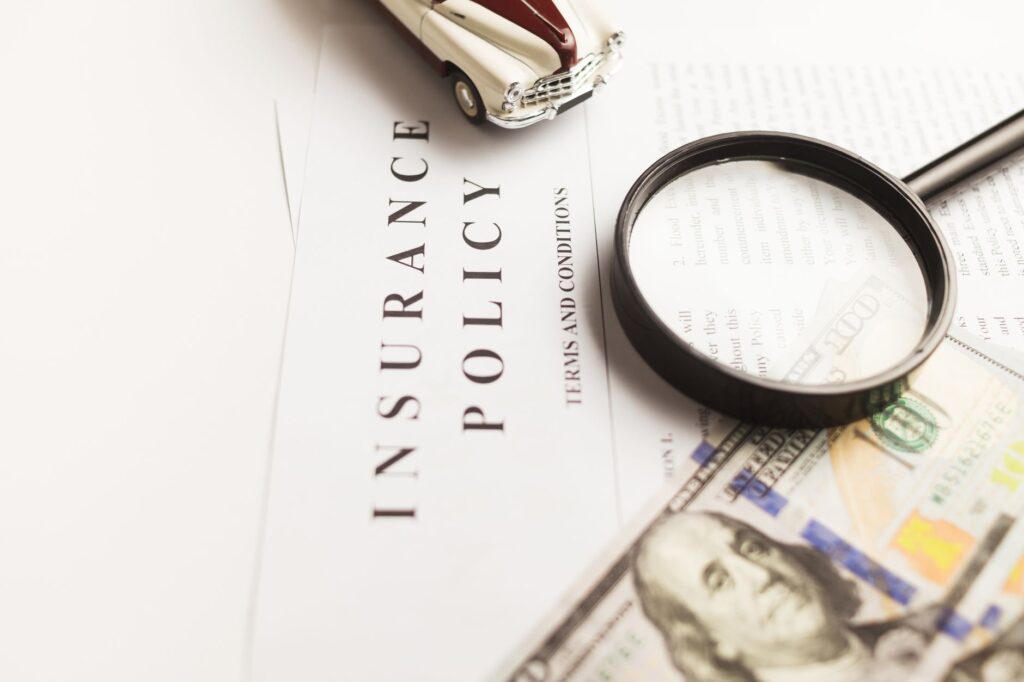
By addressing these insurance questions, you can make informed decisions about your Nevada car insurance needs.
“`
Navigating the complexities of Nevada car insurance can be daunting, but the Nevada car insurance FAQ serves as a comprehensive resource to address your insurance questions. Whether you are seeking detailed information on coverage types or need assistance with claims help, this guide is designed to make your insurance journey smoother. With a wealth of insights and expert advice, you can make informed decisions about your car insurance needs.
For those seeking personalized insurance advice, consider contacting local agents who can provide tailored recommendations based on your unique situation. By utilizing the information in this coverage guide, you can ensure that you are adequately protected while complying with state requirements. Don’t hesitate to explore our resources further and empower yourself with the knowledge necessary to navigate the world of car insurance in Nevada.
“`html
What are the minimum car insurance requirements in Nevada?
In Nevada, the minimum car insurance requirements include liability coverage of at least $25,000 for bodily injury per person, $50,000 for total bodily injury per accident, and $20,000 for property damage. These limits ensure that if you’re at fault in an accident, you can cover the costs associated with injuries and damages to others. It’s important to consider additional coverage options for better financial protection, as these minimums may not be sufficient in serious accidents. For more detailed [coverage guide], explore further.
How can I lower my car insurance rates in Nevada?
To lower your car insurance rates in Nevada, consider various strategies such as maintaining a clean driving record, increasing your deductible, and bundling policies with the same insurer. Additionally, inquire about discounts offered for safe driving, completing defensive driving courses, or being a member of certain organizations. Regularly comparing rates from different providers can also yield better deals. For personalized insurance advice, consult with an insurance professional.
What should I do if my insurance claim is denied?
If your insurance claim is denied, first review the denial letter to understand the reasons cited. Ensure that you gather all necessary documentation, including police reports and medical records, to support your case. Contact your insurance company to discuss the denial and request a clearer explanation. You can also file an appeal, providing additional evidence if needed. If issues persist, consider seeking assistance from a claims help professional or legal advisor to guide you through the process.
Are there discounts available for good drivers in Nevada?
Yes, many insurers in Nevada offer discounts for good drivers. These can include safe driving discounts, accident-free discounts, and discounts for completing defensive driving courses. Additionally, some companies provide lower rates for long-term customers who maintain a clean driving record. Always ask your insurer about available discounts to ensure you are taking advantage of all potential savings opportunities. This is an important aspect to consider when navigating the Nevada car insurance FAQ.
How does Nevada handle uninsured drivers?
Nevada has strict penalties for uninsured drivers. If caught driving without insurance, you may face fines, vehicle impoundment, and even license suspension. In the event of an accident involving an uninsured driver, you may have to rely on your own insurance or cover costs out of pocket. It’s crucial to ensure you have at least the minimum required insurance to avoid these penalties and protect your financial well-being.
What is the average cost of car insurance in Nevada?
The average cost of car insurance in Nevada varies based on factors like driving history, vehicle type, and coverage level. As of 2023, the average annual premium is approximately $1,200, but rates can be higher or lower depending on individual circumstances. Factors like urban versus rural living, age, and credit rating also play significant roles in determining your rate. For more insights on car insurance costs, refer to recent studies and statistics from reputable sources.
“`