

Nevada car insurance minimum coverage is a crucial aspect for drivers in the Silver State, ensuring that they meet legal requirements while protecting themselves on the road. Understanding Nevada insurance laws is essential, as they dictate the necessary coverage levels that every motorist must carry. This article will explore the specific car insurance requirements in Nevada, including the mandated limits and the implications of these laws for drivers. Additionally, we will discuss how to select the right coverage beyond the minimum requirements to adequately protect yourself and your assets. For those looking to save money, we will provide tips on how to obtain the best rates on Nevada car insurance. Lastly, we will highlight the importance of staying compliant with the minimum coverage Nevada mandates to avoid penalties and ensure peace of mind while driving. Dive in to gain a comprehensive understanding of the insurance landscape in Nevada and make informed decisions about your coverage.
Understanding Nevada Car Insurance Minimum Coverage
What Are the Minimum Coverage Requirements in Nevada?
In Nevada, the minimum coverage requirements for car insurance are established to ensure drivers are financially protected in the event of an accident. According to Nevada insurance laws, drivers must carry liability insurance with the following minimum limits:
- $25,000 for bodily injury or death of one person
- $50,000 for bodily injury or death of two or more people
- $20,000 for property damage
These amounts represent the minimum coverage Nevada mandates to legally operate a vehicle. Additionally, while not required, many drivers choose to purchase comprehensive and collision coverage for added protection against theft, vandalism, or accidents.
It’s crucial to note that these car insurance requirements in Nevada are designed to safeguard both the driver and others on the road. Failing to meet these minimum coverage requirements can result in severe penalties, including fines and potential license suspension.
Why Minimum Coverage is Essential
Understanding the Nevada car insurance minimum coverage is essential for every driver. Carrying the required insurance not only helps to comply with legal obligations but also provides a financial safety net. In the event of an accident, having adequate coverage can prevent overwhelming out-of-pocket expenses and protect your assets.
Moreover, being insured as per the minimum coverage Nevada requirements can also affect your driving record and insurance rates. If you are caught driving without the required coverage, you may face increased premiums or complications when trying to secure insurance in the future.
To avoid these risks, it is advisable to familiarize yourself with the car insurance requirements in Nevada and ensure you have the necessary coverage before hitting the road.

Nevada Insurance Laws and Their Impact on Drivers
Key Nevada Insurance Laws You Should Know
Nevada has specific insurance laws that govern car insurance and establish the minimum coverage Nevada drivers must carry. The state operates under a financial responsibility law, which mandates that all drivers must provide proof of financial responsibility when operating a vehicle. This can be accomplished through various means, including purchasing liability insurance that meets the state’s minimum coverage requirements.
The current Nevada car insurance minimum coverage mandates that drivers carry at least:
- $25,000 for bodily injury per person
- $50,000 for total bodily injury per accident
- $20,000 for property damage per accident
Understanding these car insurance requirements in Nevada is crucial for avoiding potential legal troubles and ensuring you are adequately protected on the road.
Consequences of Not Meeting Car Insurance Requirements in Nevada
Failing to meet the car insurance requirements Nevada imposes can lead to severe penalties. If you are caught driving without insurance, you may face fines that range from $250 to $1,000 for a first offense. Repeat offenders could see fines increase significantly, along with possible vehicle impoundment and even a suspension of your driving privileges.
Moreover, if you are involved in an accident without insurance, you may be held personally liable for any damages incurred, which can lead to hefty out-of-pocket expenses and legal repercussions. It is essential to understand that Nevada law enforces strict penalties to encourage compliance with these regulations, making it imperative for all drivers to maintain proper coverage.

To ensure compliance and protection, it is advisable to regularly review your insurance policy and verify that it meets the state’s minimum coverage Nevada requirements. For more detailed information on insurance options, you can refer to resources from the Nevada Department of Motor Vehicles.
Choosing the Right Coverage Beyond Minimum Requirements
While understanding Nevada car insurance minimum coverage is essential for compliance with state laws, selecting the right coverage involves evaluating options that extend beyond these basic requirements. Optional coverage types can provide additional financial protection and peace of mind in various driving scenarios.
Understanding Optional Coverage Types
In addition to the minimum coverage Nevada requires, you may want to consider additional options such as:
- Comprehensive Coverage: This type of insurance protects against damages to your vehicle that aren’t caused by a collision, such as theft, vandalism, or natural disasters. It’s crucial if you live in an area prone to such risks.
- Collision Coverage: This coverage pays for damages to your vehicle resulting from a collision, regardless of fault. It’s particularly beneficial for those with newer or more expensive vehicles.
- Uninsured/Underinsured Motorist Coverage: This provides protection if you are in an accident with a driver who lacks adequate insurance. Given that insurance rates can vary widely, this coverage can be a wise choice.
- Medical Payments Coverage: This option covers medical expenses for you and your passengers after an accident, regardless of fault. Considering the high cost of medical care, this can be a safeguard for your finances.
How to Determine the Best Coverage for Your Needs
Choosing the right level of coverage requires an assessment of your personal needs and risk factors. Here are some actionable tips:
- Evaluate Your Vehicle’s Value: If your car is older and has a low market value, you might consider skipping comprehensive and collision coverage.
- Consider Your Driving Habits: If you frequently drive in high-traffic areas or take long trips, additional coverage may be necessary for peace of mind.
- Assess Your Financial Situation: If you can comfortably cover repair costs out-of-pocket, you may opt for lower coverage levels. However, if a significant repair could strain your finances, more comprehensive coverage may be wise.
- Research Nevada Insurance Laws: Familiarizing yourself with car insurance requirements in Nevada will help you understand the baseline coverage, ensuring you don’t overlook essential protections.
By considering these factors and the various types of coverage available, you can tailor your insurance policy to suit your specific needs, going beyond just the minimum coverage Nevada mandates. This proactive approach can ultimately protect you from unexpected financial burdens.

How to Get the Best Rates on Nevada Car Insurance
Factors Affecting Car Insurance Premiums in Nevada
Understanding the components that influence car insurance rates is crucial for securing affordable coverage in Nevada. Several factors come into play:
- Driving History: A clean driving record can significantly lower your premium. Conversely, accidents or violations can increase rates.
- Vehicle Type: The make and model of your car impact insurance costs. Luxury or high-performance vehicles often attract higher premiums.
- Location: Urban areas may have higher rates due to increased traffic and accident likelihood, while rural areas often see lower premiums.
Moreover, understanding Nevada insurance laws can help you navigate the requirements and find the best deals available.
Tips for Finding Affordable Coverage
To effectively manage your costs while meeting the Nevada car insurance minimum coverage requirements, consider these actionable strategies:
- Compare Quotes: Always shop around. Use online comparison tools to gather quotes from multiple insurers and find the best rates.
- Ask About Discounts: Many insurance companies offer discounts for safe driving, multiple policies, or good student status. Inquire about available options to lower your premium.
- Evaluate Coverage Needs: While the minimum coverage Nevada requires is necessary, assess whether you need additional coverage based on your personal situation and vehicle value.
- Consider Higher Deductibles: Opting for a higher deductible can reduce your premium but be prepared to pay more out-of-pocket in the event of a claim.
By understanding the car insurance requirements in Nevada and employing these tips, you can secure affordable coverage that meets your needs. 
Staying Compliant with Car Insurance Requirements in Nevada
Ensuring compliance with the Nevada car insurance minimum coverage is crucial for all drivers in the state. Not only is it a legal requirement, but it also provides financial protection in the event of an accident. To maintain compliance, drivers should regularly review their coverage and understand the steps to take if they are involved in an accident.
Regularly Reviewing Your Coverage
One of the most effective ways to remain compliant with car insurance requirements in Nevada is to routinely assess your insurance policy. This review should include checking that your coverage meets or exceeds the minimum coverage Nevada stipulates:
- At least $25,000 for bodily injury per person
- At least $50,000 for total bodily injury when multiple people are involved
- At least $20,000 for property damage
Changes in personal circumstances, such as acquiring a new vehicle, moving, or changes in your financial situation, may necessitate adjustments to your policy. Ensure that your insurer provides you with clear documentation of any changes to your coverage to stay aligned with Nevada insurance laws.
What to Do if You Are Involved in an Accident
Being involved in an accident can be stressful, but knowing how to respond can help you stay compliant with car insurance requirements Nevada. Here are steps to follow immediately after an accident:
- Ensure safety: Check for injuries and call for medical assistance if necessary.
- Move vehicles to a safe location if possible to prevent further accidents.
- Contact law enforcement to file a report, which is essential for insurance claims.
- Exchange information with the other driver, including names, contact information, and insurance details.
- Notify your insurance company as soon as possible to report the accident. Provide all necessary details and follow their guidance on the claims process.
By adhering to these steps, you can ensure that you remain compliant with the Nevada car insurance minimum coverage requirements and protect yourself financially. Keeping these practices in mind will help you navigate the complexities of car insurance in Nevada effectively.
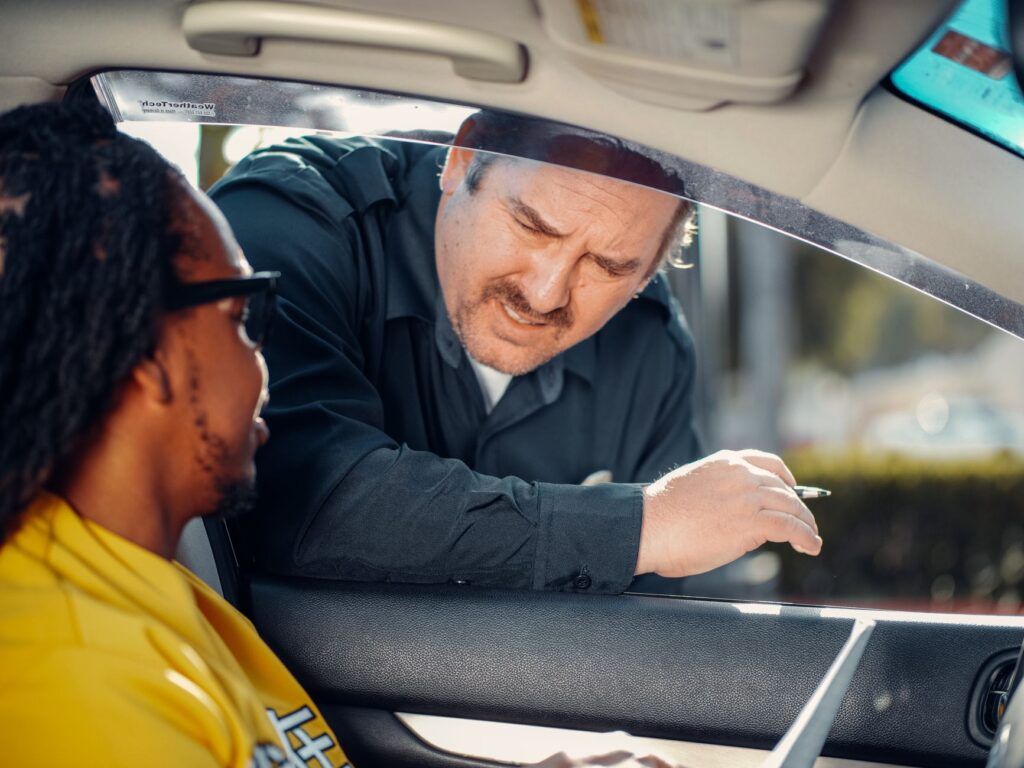
Understanding the Nevada car insurance minimum coverage is essential for every driver in the state. Adhering to Nevada insurance laws not only protects you financially but also ensures compliance with state regulations. The minimum coverage Nevada requires includes liability insurance for bodily injury and property damage, which safeguards both you and others on the road.
As you navigate the car insurance requirements Nevada imposes, consider shopping around for policies that meet or exceed these minimums. This can help you find coverage that fits your specific needs while remaining compliant with the law. For personalized guidance, consult with an insurance professional to determine the best options for your situation and ensure you have the right level of protection on the road.
“`html
What are the minimum coverage requirements for car insurance in Nevada?
The minimum coverage requirements for car insurance in Nevada include liability insurance with at least $25,000 for bodily injury per person, $50,000 for total bodily injury per accident, and $20,000 for property damage. This is part of the Nevada car insurance minimum coverage standards, which aim to ensure that drivers can cover damages or injuries they may cause to others in an accident.
What happens if I drive without insurance in Nevada?
Driving without insurance in Nevada can lead to severe consequences, including hefty fines, license suspension, and vehicle impoundment. The state takes violations of Nevada insurance laws seriously, and if you’re caught driving uninsured, you may also face higher premiums when you eventually apply for coverage.
Can I get fined for having the wrong type of car insurance in Nevada?
Yes, having the wrong type of car insurance in Nevada can lead to fines or penalties. If your policy does not meet the minimum coverage Nevada requirements, you could be subject to legal repercussions. It is crucial to ensure your policy aligns with state laws to avoid these issues.
What additional coverage should I consider beyond minimum coverage in Nevada?
Beyond the Nevada car insurance minimum coverage, consider adding uninsured/underinsured motorist coverage, comprehensive coverage, and collision coverage. These options provide greater protection against accidents, theft, and damage to your vehicle, offering peace of mind in various driving situations.
How can I lower my car insurance premiums in Nevada?
To lower your car insurance premiums in Nevada, consider increasing your deductible, maintaining a clean driving record, and taking advantage of discounts for safe driving or bundling policies. Shopping around for quotes and comparing different insurance providers can also help you find more affordable options.
What are the penalties for not meeting Nevada car insurance requirements?
Penalties for not meeting Nevada car insurance requirements can include fines, vehicle impoundment, and suspension of your driver’s license. Repeat offenders may face increased penalties, making it essential to stay compliant with car insurance requirements Nevada to avoid these severe consequences.
“`