

After a car accident in Nevada, navigating the aftermath can be overwhelming, particularly when it comes to understanding your insurance obligations and entitlements. This article provides essential Nevada accident insurance tips to help you effectively manage the situation. We will discuss a comprehensive post-accident checklist to ensure you cover all necessary steps, including gathering information and reporting the incident. Additionally, we will guide you through the process of navigating your Nevada car insurance policy, highlighting what to expect and how to communicate with your insurer. Whether you are dealing with minor fender benders or more serious collisions, having a clear understanding of your rights and responsibilities can significantly reduce stress and help you take control after your accident in Nevada. For more information on Nevada’s traffic laws, visit the Nevada DMV. By following these guidelines, you can ensure that you are well-prepared to handle the complexities of insurance claims and vehicle recovery.
What to Do After a Car Accident in Nevada
Immediate Steps Following a Car Accident in Nevada
Experiencing a car accident can be disorienting and stressful. The first steps you take immediately after a car accident in Nevada are critical for your safety and for any potential claims you may need to file later. Here’s a post-accident checklist to guide you:
- Check for Injuries: Ensure that you and your passengers are safe. If anyone is injured, call for medical assistance immediately.
- Move to Safety: If possible, move your vehicle to a safe location to prevent further accidents.
- Call the Police: In Nevada, you are required to report accidents that cause injury, death, or significant property damage. The police will document the scene, which is crucial for insurance claims.
- Exchange Information: Collect the names, contact information, insurance details, and vehicle information from all parties involved in the accident.
- Document the Scene: Take photos of the accident scene, vehicle damage, and any relevant traffic signs or signals. This documentation can be vital when filing a claim.

How to Report the Accident in Nevada
Reporting an accident in Nevada is not just a good practice; it is a legal requirement under certain circumstances. You must file an accident report with the Nevada Department of Motor Vehicles (DMV) if:
- There is physical injury or death.
- Property damage exceeds $750.
To report the accident, obtain a Nevada DMV accident report form and ensure it is submitted within 10 days of the incident. This step is important for your Nevada car insurance advice and helps protect your rights following the accident.
Remember, knowing what to do after a car accident in Nevada can make a significant difference in how efficiently you can navigate the aftermath, including any insurance claims you may need to file. Following these steps will help you stay organized and informed, assisting in any necessary proceedings.
Understanding Nevada Accident Insurance Tips
Collecting Information for Your Claim After a Car Accident in Nevada
After a car accident in Nevada, gathering comprehensive information is crucial for a successful insurance claim. Start by documenting the scene thoroughly. Here are key elements to collect:
- Photographs: Capture wide-angle shots of the accident scene, vehicle damage, and any relevant road signs or signals. These images can serve as pivotal evidence.
- Witness Statements: If there are bystanders, ask for their contact information and record their accounts of the incident. Statements from impartial witnesses can strengthen your claim.
- Police Report: Ensure that a police report is filed, as this document is often a requirement for insurance claims. Request a copy for your records.
- Medical Records: If you sustained injuries, keep all medical documentation and bills, as these will be necessary for any potential compensation related to medical expenses.
Following this post-accident checklist will help streamline the claims process and provide your insurance company with the necessary information to evaluate your case.
Communicating with Your Insurance Company
Effective communication with your insurance provider is essential for a smooth claims process. Here are some Nevada car insurance advice tips to keep in mind:
- Be Prompt: Notify your insurance company about the accident as soon as possible. Delays can complicate your claim.
- Provide Accurate Details: When discussing the incident, be honest and precise. Provide all collected information, including photos and witness statements.
- Keep Records: Document all communications with your insurance provider, including dates, times, and the names of the representatives you speak with. This can help resolve any disputes that may arise.
- Ask Questions: Don’t hesitate to ask questions if you’re unsure about something. Understanding your coverage and the claims process is vital.
Following these Nevada accident insurance tips can ease the stress of dealing with an insurance claim after a car accident in Nevada and ensure that you receive the compensation you deserve.

Post-Accident Checklist in Nevada
After a car accident in Nevada, having a comprehensive post-accident checklist is essential for protecting your rights and ensuring a smooth claims process. Below are crucial steps to take immediately following the incident.
Documenting the Accident Scene
The first step in your post-accident checklist is thorough documentation. This includes:
- Taking Photos: Capture images of the accident scene, vehicle damage, and any visible injuries. Use your phone to document street signs and traffic signals, as these may be relevant later.
- Gathering Witness Information: Collect names and contact details of any witnesses who can corroborate your account of the accident.
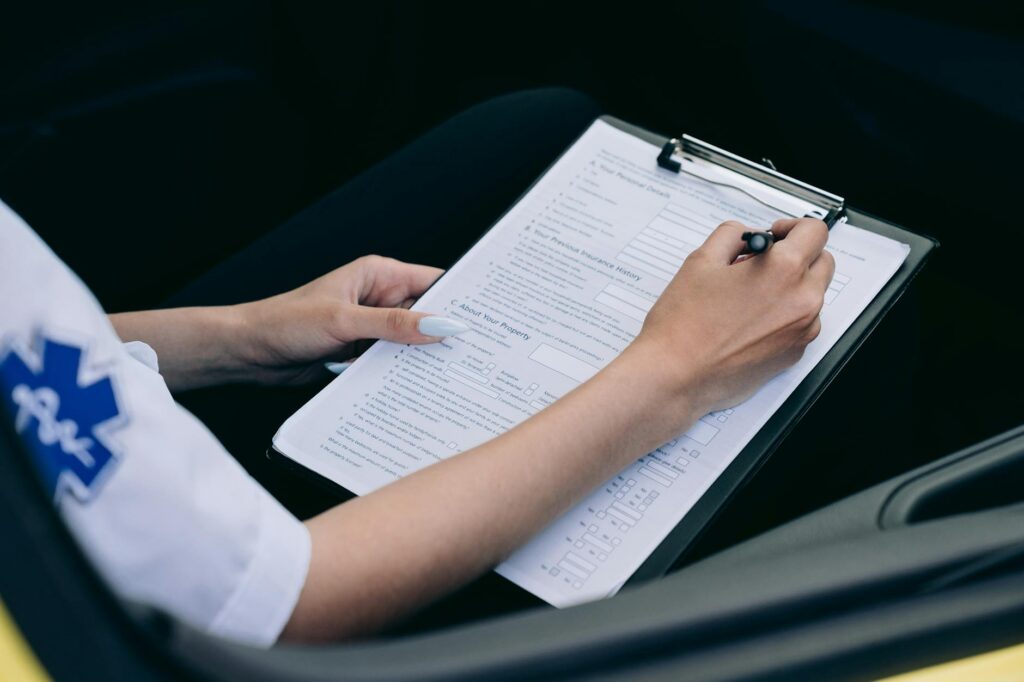
- Police Report: If law enforcement responds, ensure a police report is filed and obtain a copy. This report is often critical when filing a claim with your insurance company.
Following these steps will not only help you in your insurance claim but also provide a clearer picture of the events leading to the accident, which is important for any potential legal proceedings.
Follow-Up Actions After Filing a Claim
Once you’ve documented the scene, focus on the necessary follow-up actions:
- Medical Attention: Even if you feel fine, consider a medical check-up to rule out any latent injuries. Follow-up care is vital for your health and can support any claims.
- Claim Submission: Ensure all documentation is submitted to your insurance company in a timely manner. Familiarize yourself with the Nevada accident insurance tips that can aid in expediting your claim process.
- Stay Organized: Keep a dedicated folder for all documents related to the accident, including medical bills, repair estimates, and communication with your insurance provider.
These Nevada car insurance advice tips will help you navigate the aftermath of an accident and ensure that you are adequately prepared to deal with your insurance company. Remember, the more organized and informed you are, the smoother the recovery process will be.
Being proactive and thorough in your actions after a car accident in Nevada can significantly influence your overall recovery experience.
Navigating Your Nevada Car Insurance Policy
Understanding your car insurance policy is crucial, especially after a car accident in Nevada. Knowing the types of coverage you have can help ease the stress of the situation and ensure you receive the benefits you’re entitled to.
Understanding Coverage Types
Nevada law requires drivers to carry liability insurance, but there are several coverage types available that can provide additional protection:
- Liability Coverage: This is mandatory in Nevada and covers damages to other vehicles and medical expenses for other parties if you are at fault.
- Collision Coverage: This optional coverage pays for damage to your own vehicle, regardless of who is at fault.
- Comprehensive Coverage: This protects against non-collision-related incidents, such as theft, vandalism, or natural disasters.
- Uninsured/Underinsured Motorist Coverage: Provides protection if you are in an accident with a driver who lacks sufficient insurance.
When reviewing your policy, refer to your Nevada DMV for guidance on state requirements and optional coverages. Understanding these types will assist you in effectively utilizing your insurance following an accident. For further Nevada accident insurance tips, consult your insurance provider or a licensed agent.
When to Consider Legal Advice After a Car Accident in Nevada
While many accidents can be resolved through insurance claims, there are times when seeking legal counsel is advisable. If you encounter complexities such as:
- Disputes over fault
- Injuries that result in significant medical expenses
- Insurance companies denying claims or offering low settlements
- Uninsured or underinsured motorists
It may be wise to consult a lawyer specializing in car accidents. They can help navigate the intricacies of your case and ensure you receive fair compensation. Before meeting an attorney, create a post-accident checklist that includes all relevant documents, such as your insurance policy details, accident reports, and medical records.
By being informed about your coverage types and knowing when to seek legal advice, you can better manage the aftermath of a car accident in Nevada. For additional Nevada car insurance advice, consider reaching out for professional assistance.

Conclusion: Taking Control After Your Accident in Nevada
Facing a car accident can be a daunting experience, but understanding the steps to take afterward is crucial for navigating the aftermath effectively. Key takeaways discussed throughout this article highlight the importance of familiarizing yourself with your insurance policy, following a comprehensive post-accident checklist, and knowing your rights and responsibilities as a driver in Nevada. This knowledge is invaluable for anyone involved in a collision.
After a car accident in Nevada, it is essential to act promptly. Start by ensuring everyone’s safety and gathering necessary information, including police reports and witness statements. Familiarity with Nevada accident insurance tips can greatly assist you in filing claims and understanding the implications of your coverage. For instance, knowing the difference between liability, collision, and comprehensive coverage can help you decide on the best course of action when dealing with your insurer.
Staying proactive and informed makes a significant difference in how you handle the aftermath of an accident. Make sure to document everything meticulously and reach out to your insurance company as soon as possible. This will not only streamline your claims process but also help you receive the compensation you deserve. By adhering to the Nevada car insurance advice provided in this article, you’ll be better equipped to manage the financial and emotional impact of your accident.
Ultimately, taking control after a car accident in Nevada involves preparation, knowledge, and action. Familiarize yourself with your rights, stay organized, and keep open lines of communication with your insurer to ensure that you navigate this challenging time with confidence.

Taking the right steps after a car accident in Nevada is crucial for your safety and financial recovery. Remember to follow your post-accident checklist diligently, which includes exchanging information with other parties involved, documenting the scene, and notifying your insurance company promptly. These actions not only help in managing the immediate aftermath but also lay the groundwork for any claims you may need to file.
Utilizing effective Nevada accident insurance tips can significantly ease the process of dealing with insurance claims and repairs. Be sure to seek out reputable Nevada car insurance advice to understand your coverage options and obligations. As you navigate through the complexities of post-accident procedures, staying informed and proactive will empower you to make better decisions. If you haven’t already, contact your insurance provider today to discuss your next steps and ensure you are prepared for any potential claims.
“`html
What should I do immediately after a car accident in Nevada?
Immediately after a car accident in Nevada, ensure everyone’s safety first. Check for injuries and call 911 if necessary. Move to a safe location if possible, and exchange information with the other driver, including names, contact details, insurance information, and vehicle details. Document the scene with photos and notes about the accident’s circumstances. Finally, report the incident to your insurance company as soon as possible to start your claim process.
How do I file an insurance claim after a car accident in Nevada?
To file an insurance claim after a car accident in Nevada, begin by contacting your insurance company. Provide them with all relevant information, including the details of the accident, any police reports, and photographs. Fill out any required claim forms and submit them promptly to avoid delays. Keep a record of your communications with your insurer. If you have difficulty, consider seeking Nevada car insurance advice to navigate the claims process successfully.
What are the Nevada accident insurance tips I should know?
Some essential Nevada accident insurance tips include understanding your coverage limits, knowing what information to gather at the scene, and reporting the accident to your insurer promptly. It’s wise to keep a detailed post-accident checklist that includes capturing photographs and witness statements. Familiarize yourself with Nevada’s fault laws, as they impact how claims are processed and how compensation is determined after car accident Nevada. Lastly, consider consulting with an insurance specialist for personalized advice.
Is it necessary to report a minor car accident in Nevada?
Yes, it is necessary to report any car accident in Nevada, regardless of its severity. If there is property damage or any injury, you must notify the Nevada Department of Motor Vehicles (DMV) within 10 days. Failing to report an accident can lead to penalties and issues with insurance claims. Even if the accident seems minor, having a record can protect you in the long run.
What information do I need for my post-accident checklist?
Your post-accident checklist should include the following information: names and contact details of all parties involved, insurance information, license plate numbers, and vehicle descriptions. Additionally, gather any witness names and contact information, take photographs of the accident scene and vehicle damages, and note the time, date, and location of the accident. This thorough documentation will aid in your insurance claim and any potential legal matters.
When should I consider hiring a lawyer after a car accident in Nevada?
Consider hiring a lawyer after a car accident in Nevada if there are significant damages, injuries, or disputes regarding fault. If the insurance companies are uncooperative or if you receive a low settlement offer, legal representation can help you negotiate better terms. Additionally, if you face potential lawsuits or complications in your case, a lawyer experienced in Nevada accident insurance tips can provide valuable guidance and ensure your rights are protected.
“`