

When considering full coverage vs liability insurance in Nevada, it’s crucial to understand the implications of each type of policy. As residents navigate the various Nevada insurance types, they often find themselves weighing the benefits and limitations of full coverage against liability insurance. This article will delve into the key differences between these two insurance options, helping you determine which best suits your needs. We will explore what is full coverage and provide a comprehensive overview of liability insurance explained, ensuring you are well-informed about your choices. Additionally, we will discuss practical scenarios for when to choose full coverage versus liability insurance in Nevada, allowing you to make a decision that aligns with your financial situation and risk tolerance. Finally, we will address frequently asked questions regarding full coverage vs liability insurance in Nevada, providing clarity and guidance as you navigate your insurance options. Whether you are a new driver or reassessing your current policy, this guide will equip you with the knowledge to make an informed choice.
Understanding Full Coverage vs Liability Insurance in Nevada
What is Full Coverage?
Full coverage insurance is a term often used to describe a combination of different coverage types that protect you and your vehicle. In Nevada, this typically includes liability insurance, collision coverage, and comprehensive coverage. Liability insurance protects against damages you may cause to others in an accident, while collision coverage pays for damages to your own vehicle after a collision, regardless of fault. Comprehensive coverage, on the other hand, covers non-collision incidents such as theft, vandalism, or natural disasters.
For example, if you were to damage your car in a hailstorm while parked in Las Vegas, comprehensive coverage would cover the costs of repairs. Understanding what is full coverage is essential for Nevada drivers, as it provides peace of mind knowing that both you and your vehicle are well-protected.
Liability Insurance Explained
Liability insurance is a mandatory requirement for all drivers in Nevada. It protects you in the event that you are found at fault for an accident causing injury to others or damage to their property. Nevada’s minimum liability insurance requirements include $25,000 for bodily injury per person, $50,000 for total bodily injury per accident, and $20,000 for property damage. This means that if you injure someone and they incur $30,000 in medical expenses, your liability coverage would cover only up to the $25,000 limit, and you would be personally responsible for the remaining amount.
Choosing between full coverage and liability insurance can significantly affect your financial risk and protection. While liability insurance is less expensive and meets Nevada’s legal requirements, it may not offer sufficient protection in a more severe accident, especially in a state known for high-speed driving and busy highways. Therefore, evaluating your personal circumstances, such as the value of your vehicle and your financial situation, is crucial.
when considering full coverage vs liability Nevada, it’s important to weigh the benefits and costs of each option. If you have a newer or more valuable vehicle, full coverage may be a wise choice to safeguard your investment. Conversely, if you drive an older vehicle or have budget constraints, liability insurance may suffice while meeting legal requirements.

Key Differences Between Full Coverage and Liability Insurance in Nevada
Coverage Limits and Benefits: Full Coverage vs Liability Nevada
Understanding the differences between full coverage and liability insurance is crucial for Nevada drivers. Full coverage typically includes liability coverage, but it goes beyond that by adding comprehensive and collision coverage. This means that in the event of an accident, full coverage protects you from damages to your vehicle, including theft, vandalism, and collisions with other vehicles, regardless of fault. Conversely, liability insurance only covers damages to other people’s property or bodily injuries in an accident where you are at fault, but it does not cover any damages to your own vehicle.
In Nevada, the minimum liability insurance requirements are set at $25,000 for bodily injury per person, $50,000 for total bodily injury per accident, and $20,000 for property damage. These limits are often considered insufficient to cover serious accidents, leading many drivers to opt for full coverage to ensure more comprehensive protection. For a deeper understanding of these terms, see our section on Nevada’s insurance regulations.
Cost Implications of Full Coverage vs Liability Insurance in Nevada
The cost of insurance is a significant factor when comparing full coverage and liability insurance. On average, full coverage insurance in Nevada can range from $1,200 to $1,800 annually, depending on the type of vehicle, driver’s age, and driving history. In contrast, liability insurance may cost between $500 to $1,000 annually. The more extensive coverage of full coverage insurance typically results in higher premiums, but it provides a financial safety net in case of accidents.
Several factors can influence these costs, including your credit score, the make and model of your vehicle, your driving record, and even your location within Nevada. For instance, urban areas may experience higher rates due to increased traffic and accident rates. Additionally, insurance providers may offer discounts for safe driving records, bundling policies, and completing defensive driving courses, which can help mitigate costs.

When deciding between full coverage vs liability insurance in Nevada, it’s essential to evaluate your personal circumstances, such as the value of your vehicle and your financial situation. Assessing these factors can help you make an informed decision that balances cost with adequate protection.
For more information on specific Nevada insurance types and to get personalized quotes, consider reaching out to local insurance agents or using online comparison tools. Understanding liability insurance explained and what full coverage entails can significantly impact your insurance choices and financial security.
full coverage vs liability insuranceWhen to Choose Full Coverage vs Liability Insurance in Nevada
Factors to Consider
Deciding between full coverage and liability insurance is a crucial aspect of managing your vehicle’s protection in Nevada. The choice often hinges on several key factors:
- Vehicle Value: If you own a newer or high-value vehicle, full coverage may be the better option. This type of insurance typically covers both collision and comprehensive damages, protecting your investment against theft, vandalism, and natural disasters.
- Your Financial Situation: Assess your ability to pay out-of-pocket for damages. If you are unable to cover significant repair costs or a totaled vehicle, full coverage might be necessary. Conversely, if you can manage these costs, liability insurance may suffice.
- Driving Habits: Frequent long-distance driving or travel in high-traffic areas increases the risk of accidents. In such cases, full coverage can provide greater peace of mind.
- Personal Comfort Level: Some drivers feel more secure knowing they have extensive coverage, which can alleviate stress in the event of an accident. If this describes you, full coverage could be worth the additional cost.
Situational Scenarios for Full Coverage vs Liability Insurance in Nevada
Understanding specific scenarios can help clarify your decision regarding full coverage vs liability insurance in Nevada. Here are some common situations:
- Owning a New Car: If you recently purchased a vehicle, especially if financed, lenders often require full coverage insurance. This protects their investment as well as yours.
- Old or Low-Value Cars: For older vehicles, the cost of full coverage may outweigh the benefits. In this case, liability insurance explained as limited coverage can be a budget-friendly option.
- High-Risk Areas: If you live in a neighborhood with a high rate of accidents or theft, full coverage provides more robust protection against potential losses.
- Personal Finances: If you are in a tight financial situation, opting for liability insurance may be a more practical choice, allowing you to maintain minimal coverage while saving money.
Ultimately, the decision should align with your unique circumstances and comfort levels. Always consult with a reputable insurance agent to explore the various Nevada insurance types and receive personalized advice.

Taking the time to evaluate your individual needs and reviewing the specifics of each coverage option can empower you to make an informed choice.
Frequently Asked Questions about Full Coverage vs Liability Insurance in Nevada
When it comes to choosing car insurance in Nevada, understanding the differences between full coverage and liability insurance is crucial. Here, we address some common questions that can help you make an informed decision regarding your insurance needs.
What is Full Coverage vs Liability Insurance in Nevada?
In Nevada, full coverage typically refers to a combination of liability insurance, comprehensive coverage, and collision coverage. Liability insurance is designed to cover damages you cause to others in an accident, while full coverage also protects your own vehicle against theft, vandalism, and collision-related damages. Knowing what each type entails is essential for safeguarding your financial interests.
What is Full Coverage and Why Might I Need It?
Full coverage provides a broader scope of protection compared to basic liability insurance. If you have a newer or more valuable vehicle, full coverage can be beneficial as it covers repair or replacement costs resulting from accidents, theft, or natural disasters. On the other hand, if your car is older and has a lower market value, liability insurance may suffice, as the cost of full coverage could outweigh the benefits.
Liability Insurance Explained
Liability insurance is mandated by Nevada law and is essential for all drivers. It covers bodily injury and property damage that you may cause to others in an accident. However, it does not cover your own vehicle or medical expenses. Understanding liability insurance is critical, especially in Nevada, where the minimum coverage requirements are $25,000 for bodily injury per person, $50,000 per accident, and $20,000 for property damage. For specific details, you can refer to the Nevada DMV.
When Should I Choose Full Coverage vs Liability Insurance in Nevada?
Choosing between full coverage and liability insurance in Nevada depends on several factors:
- Vehicle Value: Newer or high-value vehicles typically benefit from full coverage.
- Driving Habits: If you drive frequently or in high-traffic areas, full coverage can provide peace of mind.
- Budget: Consider your budget and whether you can afford the premium for full coverage.
Ultimately, the decision between full coverage and liability insurance should align with your financial situation and your vehicle’s value. If you’re considering your options, insurance claims process to ensure you make the best decision for your circumstances.
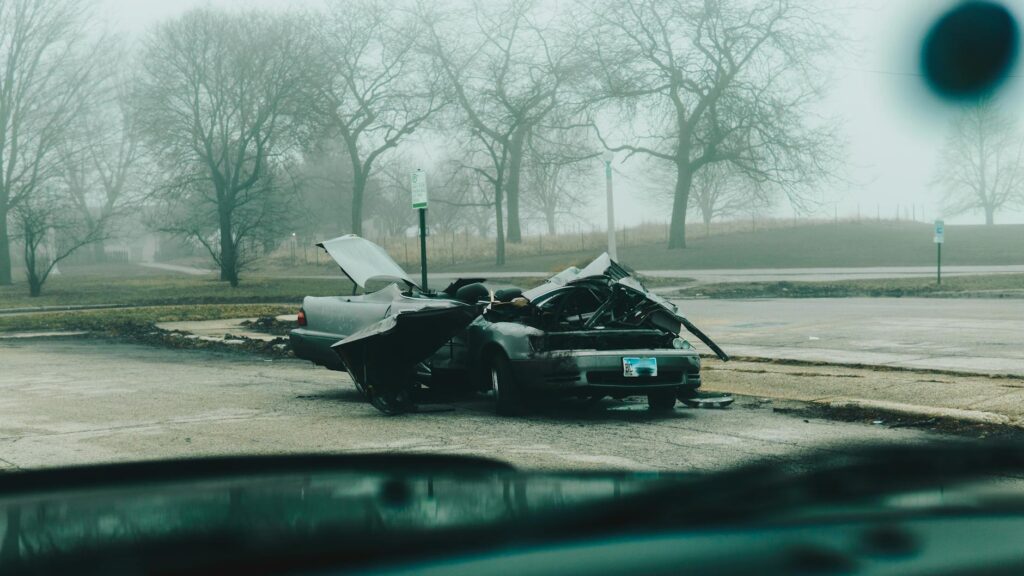
Choosing between full coverage and liability insurance in Nevada is a crucial decision that impacts both your financial security and peace of mind. Understanding Nevada insurance types can help you make an informed choice. Full coverage generally provides a broader scope of protection, including damages to your own vehicle, while liability insurance covers damages to others in the event of an accident. Knowing what is full coverage and how it differs from liability insurance explained is essential for every Nevada driver.
As you navigate your options, consider your personal circumstances, including the value of your vehicle and your budget. Evaluating these factors will guide you toward the most suitable policy for your needs. To make a well-informed decision, consult with a local insurance agent or use online resources to compare quotes. Taking this step ensures you select the right coverage for your peace of mind on Nevada roads.
“`html
What is the difference between full coverage and liability insurance in Nevada?
Full coverage insurance in Nevada typically includes both liability coverage and additional protections such as collision and comprehensive coverage. Liability insurance, on the other hand, covers damages to others if you are at fault in an accident, but does not cover your own vehicle. Understanding the full coverage vs liability Nevada distinction can help you choose the right policy based on your needs and financial situation.
When should I choose full coverage insurance?
You should consider full coverage insurance if your vehicle is newer, valuable, or financed. It provides more extensive protection, covering not only liability for damages you cause but also your vehicle’s damages from accidents, theft, or natural disasters. If you can afford the premiums, full coverage may offer peace of mind and financial security on the road.
What does liability insurance cover in Nevada?
Liability insurance in Nevada covers bodily injury and property damage that you cause to others in an accident where you are at fault. It does not cover your own injuries or vehicle damages. This type of insurance is often required by law in Nevada, ensuring that drivers can compensate victims of their driving negligence.
Is full coverage insurance worth it in Nevada?
Full coverage insurance can be worth it if you want comprehensive protection against various risks. It is particularly beneficial for newer cars or if you rely heavily on your vehicle. While it costs more than liability insurance, the financial security it offers in the event of an accident, theft, or damage can outweigh the additional premium costs.
How much does full coverage vs liability insurance cost in Nevada?
The cost of full coverage insurance in Nevada can range significantly based on factors like your driving record, vehicle type, and coverage limits. Generally, full coverage is more expensive than liability insurance due to the broader protection it offers. On average, you might pay between $900 to $1,500 annually for full coverage, while liability insurance may cost between $400 to $800.
What are the best Nevada insurance types for my needs?
Choosing the best Nevada insurance types depends on your individual needs, such as the value of your vehicle, your budget, and your driving habits. If you own a newer or high-value vehicle, full coverage is recommended. If you drive an older car, liability insurance may be sufficient. Additionally, consider factors like uninsured motorist coverage and personal injury protection for comprehensive protection.
“`