

When considering full coverage vs liability insurance in Nevada, it is essential to understand the nuances of each option to make an informed decision. This article will delve into the key differences between full coverage and liability insurance, helping you navigate the various Nevada insurance options available to drivers. We will clarify what is full coverage and provide a comprehensive explanation of liability insurance, ensuring you grasp their significance in protecting your financial future. Additionally, we will outline factors to consider when choosing the right Nevada insurance options for your needs. To further assist you, we will address frequently asked questions about full coverage vs liability insurance in Nevada, equipping you with the knowledge necessary to select the best policy for your circumstances. By the end of this article, you will have a clearer understanding of your choices and the implications of each insurance type in the Silver State.
Understanding Full Coverage vs Liability Insurance in Nevada
When navigating the world of car insurance in Nevada, understanding the differences between full coverage and liability insurance is crucial. Each type of insurance serves distinct purposes and meets different needs, particularly in the context of Nevada insurance options. This section will clarify what each type entails and how they align with Nevada’s legal requirements for drivers.
What is Full Coverage?
Full coverage insurance typically combines several types of coverage, including liability, collision, and comprehensive insurance. In Nevada, full coverage is not legally mandated, but it is often recommended for those seeking greater financial protection. Essentially, full coverage provides a safety net against various risks, covering damages to your vehicle from accidents, theft, vandalism, and natural disasters.
While full coverage is more comprehensive than basic liability insurance, it can be more costly. For those who own a new or high-value vehicle, investing in full coverage may be wise to avoid substantial out-of-pocket expenses in the event of an accident or other incidents. Understanding what is full coverage is essential for making informed decisions about your insurance needs.
Liability Insurance Explained
On the other hand, liability insurance is the minimum requirement for drivers in Nevada. This type of insurance covers damages and injuries you may cause to others in an accident. According to Nevada law, drivers must carry at least:
- $25,000 for bodily injury per person
- $50,000 for total bodily injury per accident
- $20,000 for property damage
Liability insurance explained means that while it protects others, it does not cover your own vehicle or injuries. Therefore, if you are involved in an accident where you are at fault, you could face significant costs for your injuries or damage to your vehicle, which is where the debate of full coverage vs liability insurance in Nevada comes into play.
Ultimately, the choice between full coverage and liability insurance depends on your individual circumstances, including the value of your vehicle, your financial situation, and your personal risk tolerance. Evaluating these factors can help determine which option best fits your needs and budget.

For those considering their options, understanding the nuances of full coverage vs liability insurance Nevada will lead to more informed insurance decisions. Ensure you review your options regularly and adjust your coverage as necessary to stay protected on the road.
Key Differences Between Full Coverage and Liability Insurance in Nevada
Coverage Scope and Limits: Understanding Full Coverage vs Liability Insurance in Nevada
When comparing full coverage vs liability insurance Nevada, the differences in coverage scope are significant. Full coverage typically includes both liability insurance and additional protections for your own vehicle. This means that if you are in an accident, your policy will cover damages to your car, regardless of who is at fault. Full coverage policies generally encompass comprehensive and collision coverage, which protects against theft, vandalism, and damage from collisions with other vehicles or objects.
On the other hand, liability insurance primarily covers damages you cause to another person’s property or injuries sustained by others in an accident where you are at fault. Nevada law mandates that drivers carry a minimum amount of liability insurance, which is essential for financial protection against lawsuits and claims from other drivers. To put it simply, if you want to know what is full coverage, think of it as a safety net that protects both you and other parties involved in an accident.
Cost Considerations: Premiums for Full Coverage vs Liability Insurance in Nevada
The cost of insurance is another critical factor to consider when choosing between full coverage and liability insurance. Full coverage policies tend to be more expensive due to the broader range of protections they offer. As of October 2023, the average annual premium for full coverage in Nevada is around $1,400, whereas the cost for minimum liability coverage averages about $600 per year. This price difference reflects the added safety and peace of mind that full coverage provides.
When considering Nevada insurance options, it’s essential to evaluate your personal circumstances, such as the value of your vehicle and your financial situation. While full coverage may seem like a significant investment, it can save you from substantial out-of-pocket expenses in the event of a severe accident. This makes understanding liability insurance explained more important than ever, especially for those weighing the financial implications of their insurance choices.

Choosing the Right Nevada Insurance Options for You
Deciding between full coverage and liability insurance in Nevada can be challenging. Understanding the nuances of these options is crucial to making an informed decision that aligns with your personal needs and financial situation. Below, we explore essential factors to consider and provide actionable takeaways to help you navigate the full coverage vs liability insurance Nevada debate.
Factors to Consider
When evaluating your insurance options, keep the following factors in mind:
- Vehicle Value: The value of your vehicle significantly impacts your insurance choice. If you own a newer or high-value vehicle, full coverage may be more beneficial. Conversely, older cars with lower resale values might only require liability insurance.
- Driving Habits: If you drive frequently or in high-traffic areas, your risk of accidents increases. In such cases, full coverage can provide peace of mind. If you drive less or primarily in safe conditions, liability insurance might suffice.
- Financial Situation: Consider your ability to pay for repairs or replacement if your vehicle is damaged or totaled. If you can comfortably bear these costs, liability insurance may be adequate. However, if an accident could severely impact your finances, full coverage could be a wise investment.
Assessing Your Personal Needs
To make a decision that suits you, ask yourself the following questions:
- What is the current value of my vehicle? (Consider researching online resources to determine market value.)
- How often do I drive, and what are my usual routes? (Evaluate your daily and occasional driving habits.)
- What can I afford in terms of premiums and potential out-of-pocket expenses? (Understanding your budget is key.)
Additionally, it’s essential to understand what is full coverage and how it differs from liability insurance explained. Full coverage typically includes liability, collision, and comprehensive coverage, protecting against various risks. Liability insurance, on the other hand, only covers damages to others involved in an accident where you are at fault.
By assessing these factors, you can clarify whether full coverage or liability insurance aligns better with your specific circumstances and risk profile. For tailored advice, consider consulting a Nevada insurance agent who can guide you through your options and help you find the most suitable plan for your needs.

Ultimately, making an informed decision about full coverage vs liability insurance in Nevada requires weighing the risks and benefits of each option. By evaluating your personal needs and financial situation, you can choose the insurance that best protects you and your assets.
Full Coverage vs Liability Insurance in Nevada: A GuideFrequently Asked Questions about Full Coverage vs Liability Insurance in Nevada
When it comes to selecting the right car insurance, many drivers in Nevada have questions about the differences between full coverage and liability insurance. Understanding these two options can help you make an informed decision tailored to your needs. Below are some frequently asked questions that address key aspects of full coverage vs liability insurance in Nevada.
What is Full Coverage?
Full coverage typically refers to a combination of liability insurance, collision coverage, and comprehensive coverage. This means that not only are you protected against damages you may cause to others, but also against damage to your own vehicle due to accidents, theft, or natural disasters. While full coverage offers broader protection, it generally comes with higher premiums than basic liability. For more details on different Nevada insurance options, consider consulting local resources.
Liability Insurance Explained
Liability insurance is designed to cover damages and injuries you cause to other drivers and their property in the event of an accident. In Nevada, the minimum required liability coverage is $25,000 for bodily injury per person, $50,000 for bodily injury per accident, and $20,000 for property damage. While this type of insurance is often less expensive than full coverage, it does not cover your own vehicle’s damages. Understanding Nevada’s insurance requirements is crucial for compliance and financial protection.
Is Full Coverage Worth It in Nevada?
The decision to opt for full coverage vs liability insurance in Nevada largely depends on your personal circumstances. If you have a newer or more valuable vehicle, full coverage may be worthwhile to protect your investment. Conversely, if your car is older and has a lower market value, you might find that liability insurance suffices for your needs. Evaluate your financial situation and vehicle worth to make the most informed choice.
How Can I Determine What Coverage I Need?
To determine the best insurance coverage for your situation, consider factors such as your vehicle’s value, driving habits, and budget. Additionally, you may want to compare quotes from different insurers to assess the cost differences between full coverage and liability insurance. Utilize resources available in Nevada to help guide your decision-making process.
Ultimately, understanding the nuances of full coverage vs liability insurance in Nevada can help you select the right policy for your needs. For personalized advice, consider speaking with an insurance agent who can provide tailored recommendations based on your specific situation.
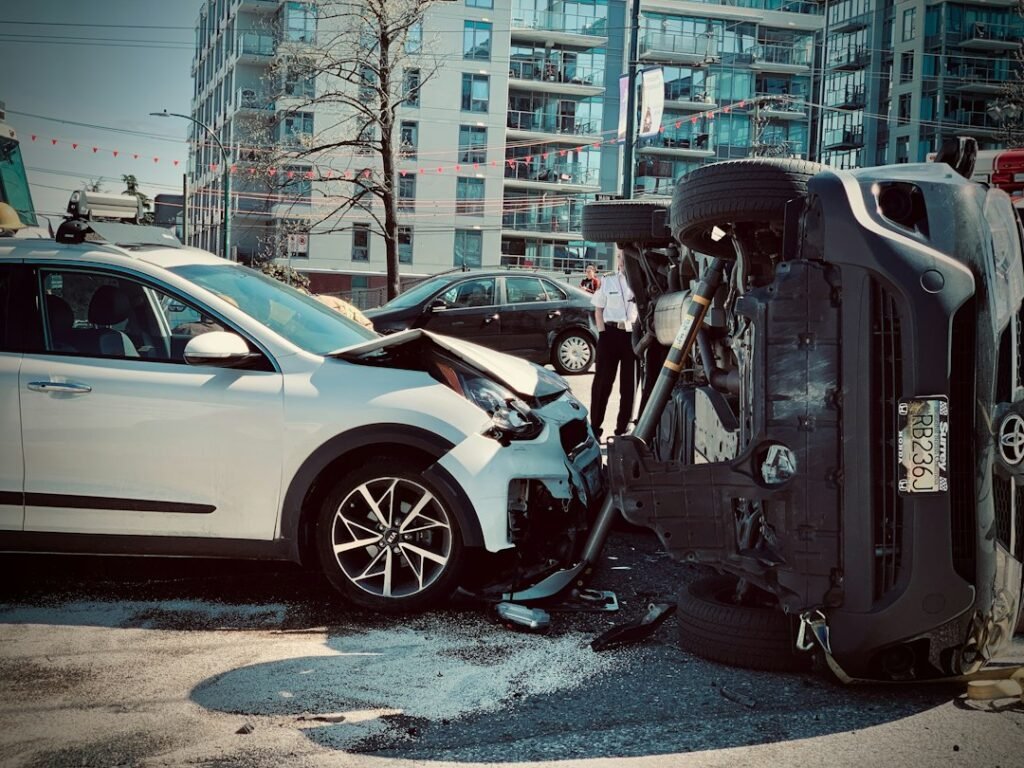
Choosing between full coverage vs liability insurance in Nevada can significantly impact your financial security on the road. Full coverage typically offers a broader range of protections, covering your vehicle as well as liability for damages to others. Understanding what is full coverage helps you make informed decisions about your insurance needs. Conversely, liability insurance explained emphasizes the legal requirement for drivers in Nevada, which protects against damages you may cause to other parties.
As you explore your Nevada insurance options, consider your unique circumstances, including your vehicle’s value, driving habits, and budget. Making an informed choice is essential for your peace of mind and financial well-being. For personalized advice, consult with a local insurance agent to assess your needs and find the best solution tailored to your situation. Taking this next step will ensure you are adequately protected on Nevada’s roads.
“`html
What is the difference between full coverage and liability insurance?
Full coverage insurance typically includes liability coverage, as well as collision and comprehensive coverage. Liability insurance protects you against damages you cause to others, while full coverage pays for your own vehicle’s damages too. In the context of full coverage vs liability insurance in Nevada, it is essential to consider your personal needs and financial situation when choosing between these options.
Is full coverage worth it in Nevada?
Whether full coverage is worth it in Nevada depends on various factors such as the value of your vehicle, your financial situation, and how often you drive. If you have a newer or more valuable car, full coverage may provide peace of mind. However, if your vehicle is older and has a lower value, liability insurance might be a more cost-effective choice. Weigh your options against your personal circumstances and risk tolerance.
What does liability insurance cover in Nevada?
Liability insurance in Nevada covers damages and injuries you cause to others in an accident where you are at fault. This includes medical expenses, property damage, and legal costs if you are sued. It does not cover your own injuries or vehicle damage, which is where full coverage insurance comes into play. Understanding these aspects is crucial when comparing full coverage vs liability insurance in Nevada.
How much does full coverage insurance cost in Nevada?
The cost of full coverage insurance in Nevada varies based on factors such as your driving history, the type of vehicle, and your location. On average, drivers may pay anywhere from $800 to $1,500 per year for full coverage. It is advisable to compare quotes from different providers to find the best rates and ensure you are getting adequate coverage for your needs.
Can I drive in Nevada with just liability insurance?
Yes, you can legally drive in Nevada with just liability insurance, as it meets the state’s minimum coverage requirements. However, keep in mind that while liability insurance protects others, it does not cover your own vehicle or medical expenses in case of an accident. Weighing the pros and cons of full coverage vs liability insurance in Nevada will help you make an informed decision based on your specific needs.
What factors affect my insurance premium in Nevada?
Several factors can influence your insurance premium in Nevada, including your driving record, age, the type of vehicle you drive, and where you live. Other considerations include your credit score, the amount of coverage you choose, and any discounts for safety features or bundling policies. Understanding these factors can help you navigate Nevada insurance options effectively.
“`