
When considering comprehensive vs collision insurance in Nevada, understanding the nuances between these two essential coverage types is crucial for every vehicle owner. Nevada car insurance types can vary significantly, and the right choice depends on your specific needs and circumstances. This article will delve into the key differences, examining the collision coverage pros and cons, as well as the comprehensive insurance benefits available in the Silver State. We’ll guide you through the decision-making process, helping you determine which coverage aligns best with your financial situation and driving habits. By the end, you will have a clearer understanding of your options, empowering you to make an informed choice regarding comprehensive vs collision insurance in Nevada. For more information on Nevada’s car insurance requirements, visit the Nevada DMV. Let’s explore each coverage type in detail, ensuring you are well-equipped to protect your investment.
Understanding Comprehensive vs Collision Insurance in Nevada
When exploring Nevada car insurance types, understanding the differences between comprehensive and collision coverage is crucial for making informed decisions about your vehicle protection. Both types of insurance play distinct roles and are essential parts of a well-rounded policy.
What is Collision Coverage?
Collision coverage is designed to help pay for damages to your vehicle resulting from a collision with another vehicle or object. For instance, if you find yourself in a fender bender while driving in the busy streets of Las Vegas, your collision coverage would cover the repair costs, regardless of who was at fault. This type of insurance is particularly beneficial for drivers of newer or more expensive vehicles, as repair costs can be significant.
However, it’s essential to weigh the collision coverage pros and cons. On one hand, it provides financial protection in the event of an accident; on the other hand, it can lead to higher premiums, especially if you have a history of accidents. Additionally, it is not mandatory in Nevada but is often required by lenders if you are financing your vehicle.
What is Comprehensive Coverage?
Comprehensive coverage, on the other hand, protects against damages to your vehicle that are not the result of a collision. This includes incidents like theft, vandalism, natural disasters, or hitting an animal. For example, if your car is damaged by a hailstorm while parked in Reno, comprehensive coverage would help cover the repair costs. Understanding the comprehensive insurance benefits is vital, as it provides peace of mind against a wide range of potential risks that could otherwise lead to significant out-of-pocket expenses.
In the context of comprehensive vs collision insurance in Nevada, it’s important to consider your driving habits and the environment where you live. For instance, if you frequently park your vehicle outdoors or live in an area prone to natural disasters, comprehensive coverage could be more valuable to you.
Ultimately, both comprehensive and collision coverage are essential elements of a robust insurance policy. By understanding their distinct functions, you can better assess your needs and select the right combination of coverage for your situation. Top 5 Affordable Car Insurance Providers in Nevada

Collision Coverage Pros and Cons
Pros of Collision Coverage
Collision coverage is a crucial aspect of Nevada car insurance types that specifically addresses damages to your vehicle resulting from a collision, regardless of fault. One of the primary collision coverage pros and cons is its ability to provide financial protection in the event of an accident. If you are involved in a collision with another vehicle or an object, collision coverage ensures that repair costs are covered, allowing you to get back on the road without incurring substantial out-of-pocket expenses.
Additionally, collision coverage can be particularly beneficial for owners of newer or high-value vehicles. The costs associated with repairs for these cars can be significant, making this type of insurance a wise investment. For instance, if your vehicle sustains extensive damage in a crash, collision coverage can cover the repair costs, which can often exceed thousands of dollars.
Moreover, having collision coverage may ease the process of obtaining a loan for your vehicle. Lenders often require borrowers to maintain collision insurance as part of the financing agreement, ensuring their investment is protected. This coverage also provides peace of mind, as knowing that your vehicle is insured against accidents allows for a less stressful driving experience.
Cons of Collision Coverage
While collision coverage has its benefits, it’s essential to consider the cons of collision coverage as well. One of the primary drawbacks is the cost. This type of insurance can increase your premium, which may not be justifiable for everyone, especially if your vehicle is older or has a low market value. In such cases, the cost of coverage may surpass the potential payout in the event of an accident.
Additionally, collision coverage typically comes with a deductible, which is the amount you must pay out of pocket before your insurance kicks in. This can be a financial burden if you are involved in an accident. If the cost of repairs is close to the deductible amount, you may find that you are paying more than you would have without the coverage.
when considering comprehensive vs collision insurance Nevada, weigh both the advantages and disadvantages of collision coverage to determine if it aligns with your financial situation and vehicle value. Understanding these collision coverage pros and cons will help you make an informed decision tailored to your needs.

Comprehensive Insurance Benefits in Nevada
Key Benefits of Comprehensive Coverage
When evaluating comprehensive vs collision insurance in Nevada, it’s crucial to understand the unique benefits of comprehensive insurance. This type of coverage provides protection against a wide array of risks, including theft, vandalism, and damage caused by natural disasters. For Nevada residents, this is particularly relevant due to the state’s diverse weather patterns and environmental conditions.
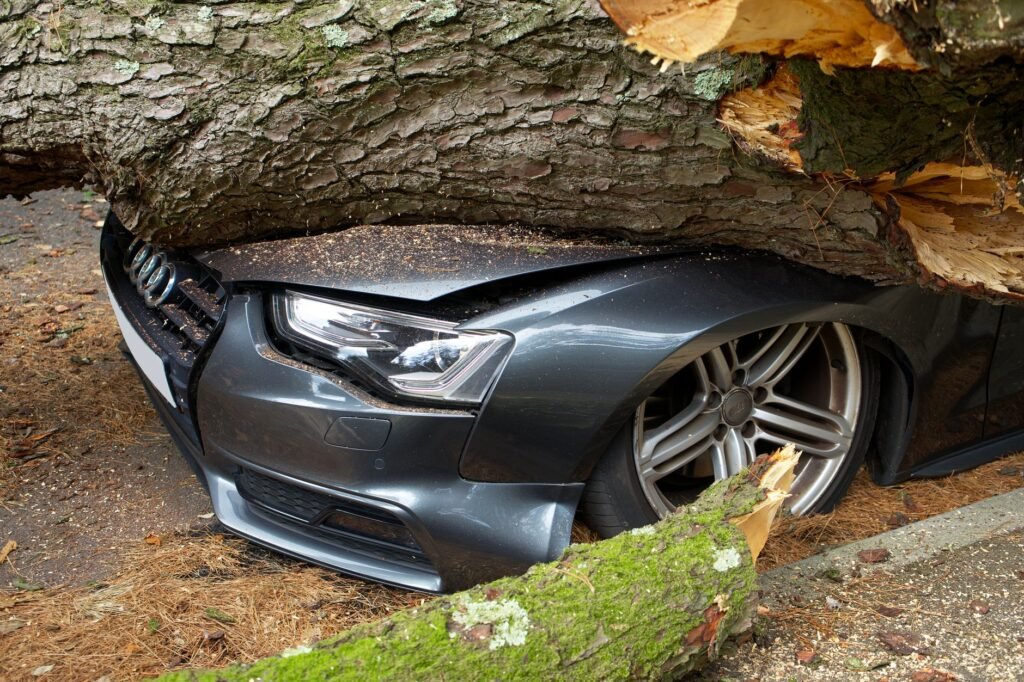
For instance, Nevada is known for its strong winds and occasional flash floods. Comprehensive coverage can protect your vehicle from damage caused by falling trees or flooding, which can occur during unexpected storms. Additionally, the risk of theft in urban areas like Las Vegas makes comprehensive insurance a wise choice. According to Nevada Prepared, vehicle theft rates can spike in metropolitan regions, highlighting the importance of safeguarding your investment.
Moreover, comprehensive insurance benefits extend beyond just accidents. Coverage includes protection against vandalism, which can be a concern in densely populated areas. If your vehicle is intentionally damaged, comprehensive insurance will help cover the repair costs, saving you from significant out-of-pocket expenses.
When to Choose Comprehensive Coverage
Choosing comprehensive coverage is particularly beneficial for those who own newer or higher-value vehicles. If your car is financed or leased, your lender may require you to carry comprehensive insurance as part of your loan agreement. Additionally, if you live in an area prone to severe weather or high crime rates, this type of coverage becomes even more essential.
In contrast to collision coverage, which only covers damage due to vehicle collisions, comprehensive insurance provides broader protection. Understanding the collision coverage pros and cons can further help you determine if adding comprehensive insurance is right for you. For those in Nevada evaluating their options, weighing the benefits of comprehensive insurance against collision coverage is critical to making an informed decision. Nevada Car Insurance Requirements: A Complete Guide
Ultimately, incorporating comprehensive coverage into your policy can offer peace of mind, knowing that you are protected against a multitude of risks unique to your environment. If you’re still unsure which coverage is best for you, consider consulting with a local insurance expert to tailor your policy according to your needs.

Choosing the Right Coverage: Comprehensive vs Collision Insurance in Nevada
Assessing Your Needs for Comprehensive vs Collision Insurance in Nevada
When determining whether to opt for comprehensive or collision insurance in Nevada, it’s essential to evaluate your specific circumstances. Start by considering the value of your vehicle. If you own a newer or high-value car, both types of coverage might be necessary to protect your investment. Conversely, if your vehicle is older or has a low market value, you might want to reconsider comprehensive coverage, as the premiums may not justify the payout in case of a loss.
Next, take a look at your driving habits. If you frequently navigate busy city streets or rural roads with a higher risk of accidents, collision coverage may be more critical. On the other hand, if you park your vehicle in a garage and drive less often, comprehensive insurance benefits, which cover damages from theft or natural disasters, may be more relevant to your situation.
Lastly, budget plays a crucial role. Collision coverage pros and cons often involve higher premiums, but it can save you money in the long run if you face a significant accident. Weigh the cost of premiums against your financial situation and potential repair expenses. Balancing these factors will guide you in choosing the right Nevada car insurance types for your needs.
Cost Considerations for Comprehensive vs Collision Insurance in Nevada
The costs associated with comprehensive and collision coverage can vary significantly. According to the Insurance Information Institute, the average premium for collision coverage in the United States is around $300 to $1,000 annually, while comprehensive coverage costs approximately $100 to $400 per year. Given these figures, it’s important to assess how much coverage you can afford while still providing adequate protection.
Additionally, some insurers may offer discounts for bundling different types of coverage or for safe driving records. Always compare quotes from multiple providers to ensure you are getting the best deal on your comprehensive and collision insurance in Nevada. Doing so can help you identify the most cost-effective option that meets your needs.
Ultimately, understanding the nuances of comprehensive vs collision insurance in Nevada will empower you to make a well-informed decision tailored to your personal circumstances. For further information, consider looking into How to Save on Car Insurance in Nevada: Essential Tips.
Conclusion: Making an Informed Decision on Coverage
Choosing between comprehensive vs collision insurance in Nevada is a critical decision that directly affects your financial protection on the road. Understanding the distinct features of each coverage type allows you to tailor your policy to your specific needs and circumstances. As discussed, collision coverage protects against damages resulting from accidents with other vehicles or objects, while comprehensive insurance covers a wider range of incidents, including theft, vandalism, and natural disasters.
When weighing the collision coverage pros and cons, consider your driving habits and vehicle value. If you frequently drive in high-traffic areas or own a newer car, collision coverage may be essential. However, if you drive an older vehicle, the cost of collision coverage might outweigh its benefits. On the other hand, the comprehensive insurance benefits are particularly valuable for those living in regions prone to severe weather or high rates of theft. This type of coverage protects you from loss beyond your control.
Ultimately, selecting the right Nevada car insurance types requires careful consideration of your individual circumstances. Evaluate your budget, vehicle age, and personal risk tolerance. If you’re still uncertain, consulting with an insurance professional can provide personalized insights based on your unique situation.
As you navigate the complexities of comprehensive vs collision insurance in Nevada, remember that making an informed choice is vital for your peace of mind. Proper coverage not only protects your investment but also ensures that you can face the unexpected with confidence.

Choosing between comprehensive vs collision insurance in Nevada requires careful consideration of your individual needs and circumstances. Understanding the different Nevada car insurance types can help you make an informed decision. While collision coverage offers specific protections against accidents, its pros and cons should be weighed against the broader protections that comprehensive insurance provides, including coverage for theft, vandalism, and natural disasters. Each option presents distinct advantages that cater to different driving habits and risk factors.
To ensure you have the right coverage for your situation, evaluate your driving patterns, the value of your vehicle, and your financial capacity to absorb certain risks. Consider consulting with an insurance agent who can clarify the comprehensive insurance benefits and help you navigate the complexities of Nevada car insurance types. Taking the time to review your options can lead to better protection and peace of mind on the road.
“`html
What is the difference between comprehensive and collision insurance?
Comprehensive insurance covers damage to your vehicle caused by incidents other than collisions, such as theft, vandalism, natural disasters, and animal strikes. In contrast, collision insurance pays for damage to your vehicle resulting from a collision with another vehicle or object, regardless of fault. Understanding the difference between these two types of coverage is essential for making informed decisions about your Nevada car insurance types.
Do I need both comprehensive and collision coverage in Nevada?
Whether you need both comprehensive and collision coverage in Nevada depends on your individual circumstances. If you have a newer or more valuable vehicle, having both coverages can provide greater peace of mind. However, if your car is older or has a lower value, you may opt for just liability coverage or only one of these options. Assess your vehicle’s worth and your financial situation to make the best decision.
How much does comprehensive vs collision insurance cost in Nevada?
The cost of comprehensive vs collision insurance in Nevada varies based on several factors, including your vehicle’s make and model, your driving history, and the coverage limits you choose. Typically, comprehensive coverage may be slightly cheaper than collision coverage, but premiums can differ significantly. It’s wise to obtain quotes from various insurers to compare rates and find the best coverage for your needs.
What does comprehensive insurance cover?
Comprehensive insurance covers a wide range of non-collision-related incidents. This includes damage from theft, vandalism, fire, flooding, hail, and falling objects. It also covers damage caused by animals, such as hitting a deer. Understanding the benefits of comprehensive insurance is crucial, as it can protect you from unexpected financial burdens caused by unforeseen events.
What are the advantages of collision coverage?
The primary advantage of collision coverage is that it helps cover the costs of repairs to your vehicle after an accident, regardless of who is at fault. This is particularly beneficial if you have a newer car or one that is expensive to repair. Collision coverage can also provide peace of mind, knowing that you are protected from significant out-of-pocket expenses after a crash.
How do I decide which insurance coverage is right for me?
Deciding on the right insurance coverage involves evaluating your vehicle’s value, your driving habits, and your budget. If your car is newer or more valuable, comprehensive vs collision insurance in Nevada may be worth considering. Additionally, assess your risk tolerance and financial situation. Consulting with an insurance agent can also provide personalized insights to help you choose the most suitable options.
“`